
Film
Malevil
- Post-apocalyptic
- Very dark
A French post-apocalyptic drama about ordinary people who survive a nuclear catastrophe in a wine cellar. When they emerge to find their world obliterated, they must rebuild civilization from rubble, rationed supplies, and fractured relationships. It's a quiet, character-driven meditation on community and survival, less interested in spectacle than in how people behave when everything ends.
If you liked this
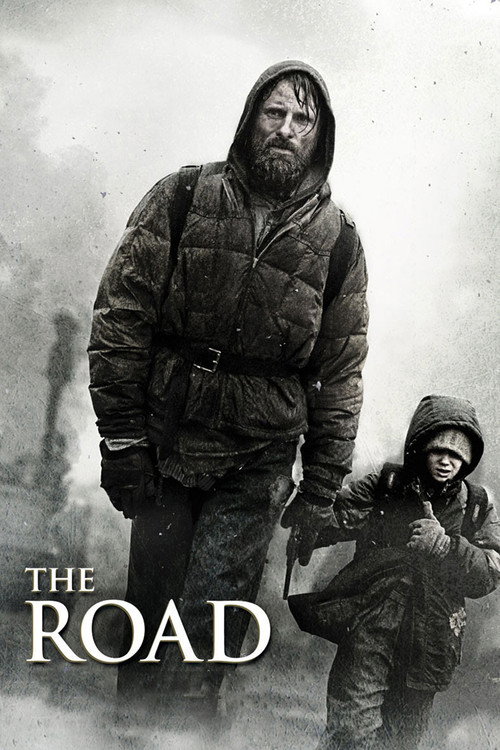
The Road2009
A father and son trek through ash-covered America after civilization collapses. Like Malevil, it finds profound humanity in apocalypse—not action heroics, but the weight of survival and what we owe each other.
But Relentlessly bleak and slow. Long stretches with minimal dialogue, and the despair accumulates until it feels almost suffocating.
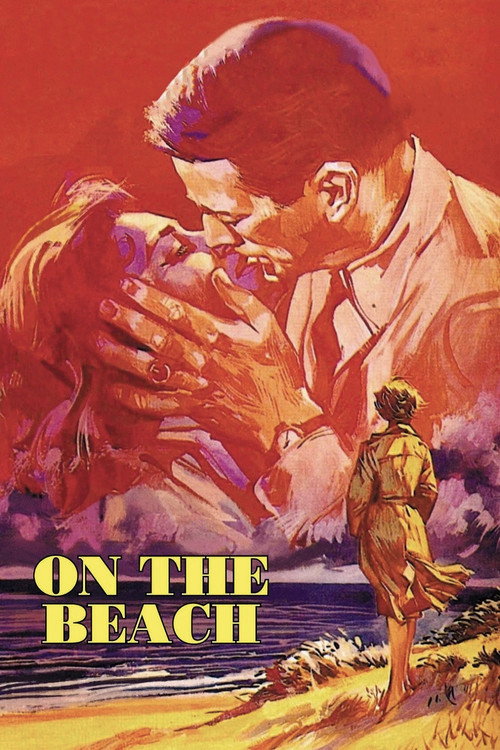
On the Beach1959
Australians await nuclear fallout with stoic dignity. A masterpiece of restraint that asks what you do when the end is certain. The existential dread matches Malevil's moral seriousness.
But Glacially paced by modern standards. The romance subplot feels dated, and the film trusts silence in ways contemporary audiences find difficult.
Stalker1979
Tarkovsky's meditation on desire and mystery in a post-human landscape. Like Malevil, it's sci-fi as philosophy—concerned with how people create meaning when the old order dies.
But Hypnotic but demanding. Over 160 minutes of slow tracking shots and philosophical monologue. Requires active patience, not passive watching.

Not sure tonight? Get a pick in a minute, starting from Malevil
The wildcard
Something you would not have found on your own.
A Boy and His Dog1975
Both imagine life after nuclear war, but where Malevil sees survivors rebuilding together, this film sees predators and prey. Same catastrophe, opposite moral universe.
A hardened scavenger and his telepathic dog navigate a post-nuclear wasteland. Raw, sexual, nihilistic—apocalypse as opportunity for cruelty rather than community. It's the inverse of Malevil's humanism.
But Viciously misogynistic and graphically violent. The ending is meant to shock, and it succeeds at the cost of genuine discomfort.

More like this (7)
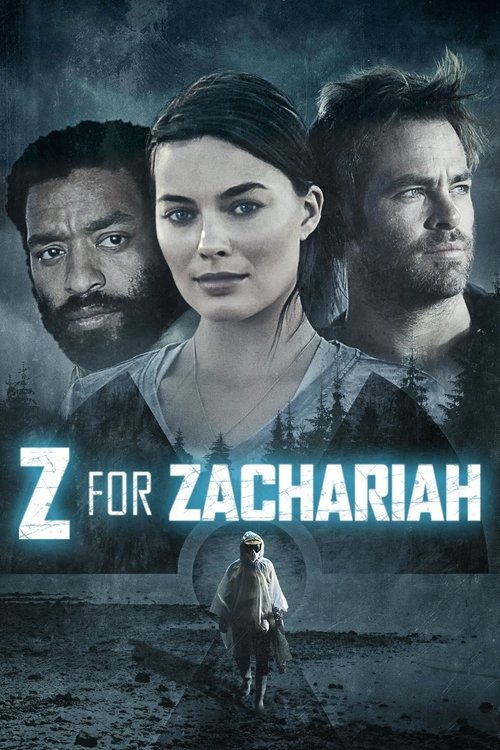
Z for Zachariah2015
Three survivors in a post-nuclear valley must navigate trust, attraction, and power. Intimate and psychologically precise, it shares Malevil's interest in community breakdown under pressure.
But Deliberately claustrophobic and tense. The interpersonal conflict escalates in ways that feel uncomfortably intimate rather than cathartic.
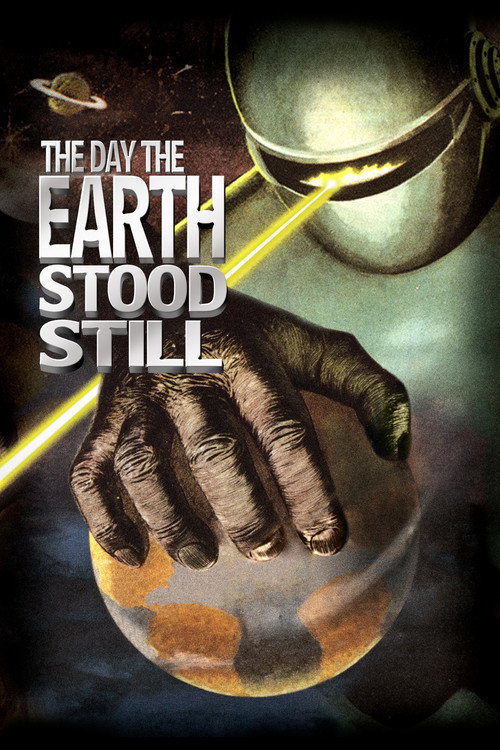
The Day the Earth Stood Still1951
Cold War sci-fi about an alien's judgment of humanity. Both films use catastrophe to ask fundamental questions about who we are when society fails.
But Dated effects and pacing. The message feels explicit in ways modern viewers find heavy-handed.
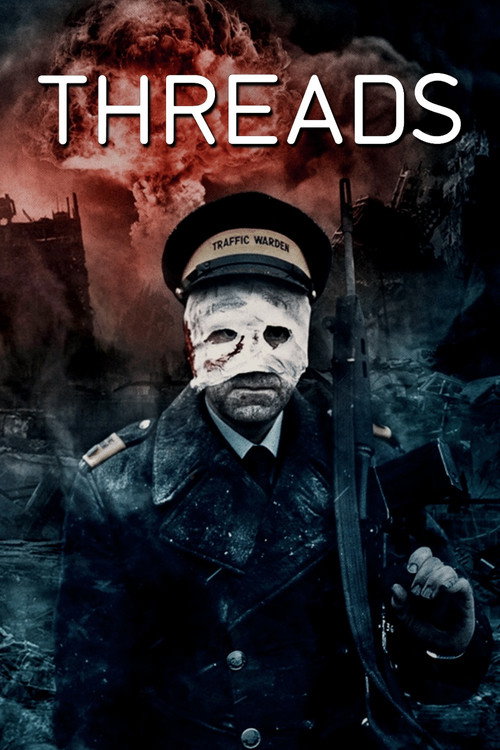
Threads1984
A British nuclear attack docudrama depicting societal collapse in graphic, unflinching detail. Shares Malevil's refusal to look away from what survival actually costs.
But Genuinely traumatizing. Shot like a news report, it's nihilistic in ways that feel designed to wound rather than move you.
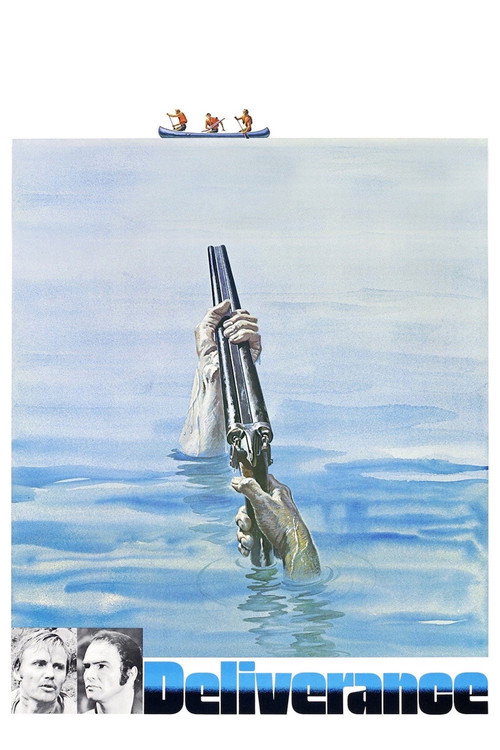
Deliverance1972
Ordinary men on a river trip encounter wilderness and violence. It's survival as moral test, where civilization's veneer strips away—thematically close to Malevil's premise.
But Raw and brutal. The violence is graphic by 1970s standards and the tone shifts between adventure and horror unpredictably.
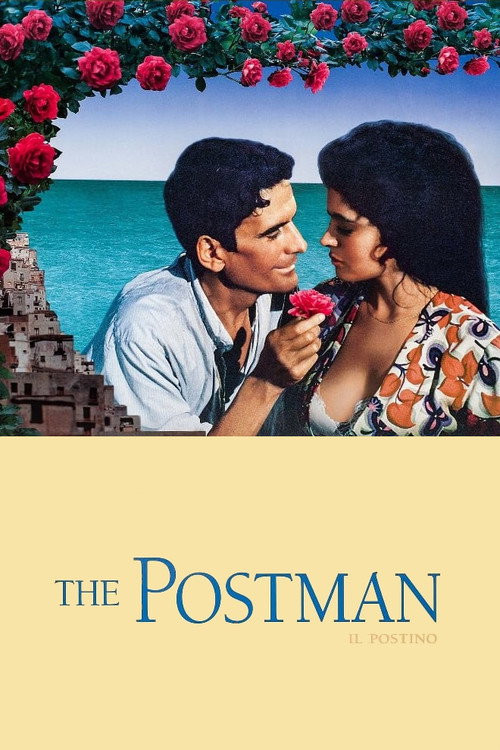
The Postman1994
After collapse, a wanderer uses imagination to rebuild hope in a cynical world. Optimistic where most post-apocalyptic films despair—it trusts in humanity's capacity for meaning-making.
But Sentimentality undercuts the premise. Some find it naïve or manipulative in its faith that stories matter more than resources.
Come and See1985
Both depict ordinary people stripped of their world and forced into moral extremity. But where Malevil asks how to rebuild, Come and See asks whether anything survives intact.
A Belarusian boy joins WWII partisans and witnesses industrial-scale atrocity. Shot like documentary realism, it's apocalyptic in its totality—the end of innocence and civilization through human evil rather than bombs.
But One of cinema's most disturbing films. Not for voyeuristic reasons—it's designed to traumatize you into understanding what war actually is.

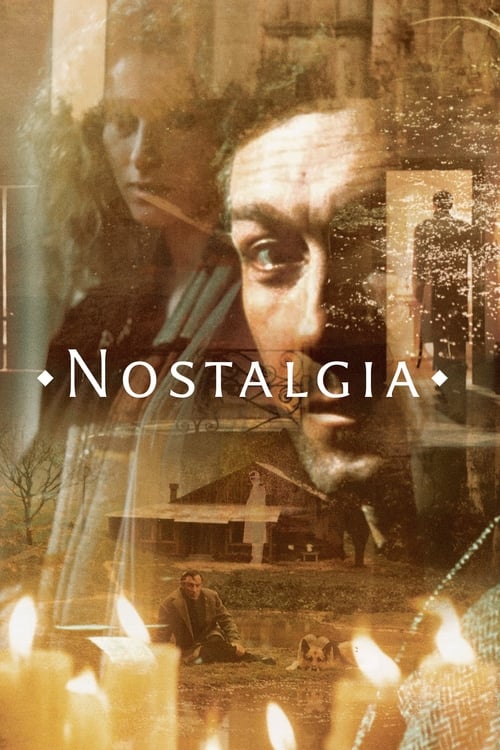
Nostalgia1983
Both are concerned with whether civilization can survive through memory and meaning rather than resources. Malevil's survivors rebuild the physical world; this film asks if the spiritual world survives at all.
Tarkovsky follows a writer wandering Italy seeking spiritual meaning in history and faith. Elliptical, meditative, utterly unlike action cinema. A post-apocalyptic film with no apocalypse—the collapse is internal.
But Abstract and plotless. Long static shots of Italian landscapes. For many viewers, nothing happens; for others, everything does.
People
Cast
 Michel SerraultEmmanuel Comte
 Jacques DutroncColin
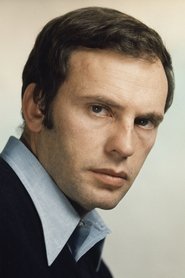 Jean-Louis TrintignantFulbert
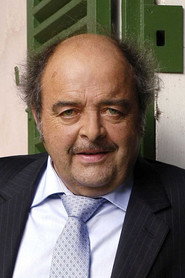 Jacques VilleretMomo
 Robert DhéryPeyssou
 Hanns Zischlerle vétérinaire
 Pénélope PalmerEvelyne
 Guy Saint-Jeanune gendarme
 Jacqueline ParentCathy

 Reine BartèveJudith
Directing
- Christian de ChalongeDirector
Writing
- Robert MerleNovel
- Christian de ChalongeWriter
- Pierre DumayetWriter
Production
- Hans BrockmannCo-Producer
- Hans PflügerCo-Producer
- Claude NedjarProducer