Film
Red Shift
A haunting 1978 drama where three men across different centuries—Roman soldier, medieval rebel, modern drifter—converge on the same English hilltop, mysteriously bound by an ancient axe and inexplicable forces. Meditative and strange, it moves between timelines with the logic of dream rather than plot. For viewers drawn to ambitious, enigmatic British television that prioritizes mood and metaphor over explanation.
Should you watch it?
Watch it if you like slow, puzzling dramas where past and present blur and a single hill holds the weight of several lifetimes, and you don't mind being left to connect the threads yourself.
Skip it if you need clear answers by the final scene, since it keeps its mechanics vague and rarely explains itself.
What it asks of you: Eighty-odd minutes, unhurried, with long pauses and quiet stretches; it wants patience more than close attention, and lets silence carry much of the weight.
Not sure? Find tonight's pick in a minute.
If you liked this
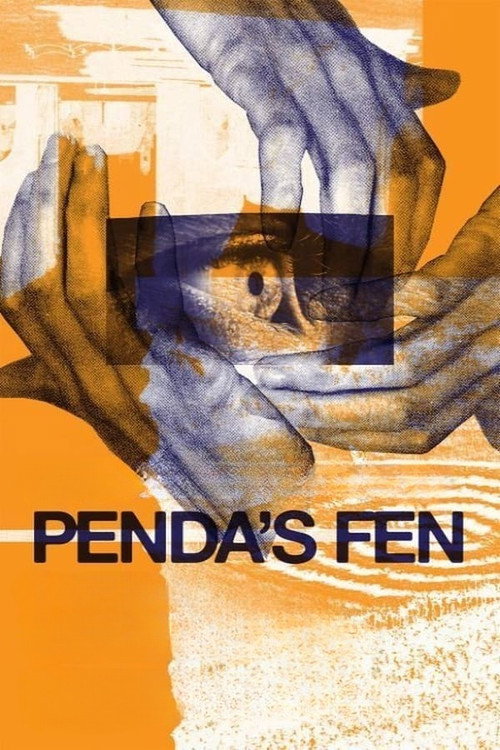
Penda's Fen1974
Alan Clarke's phantasmagoric drama about a young man's spiritual awakening in the English countryside, layering folk mythology with deeply personal crisis. Shares Red Shift's fascination with landscape as a vessel for history and the unconscious.
But Its visual style—expressionistic, sometimes deliberately crude—can feel dated or alienating if you want naturalistic storytelling to ground you.
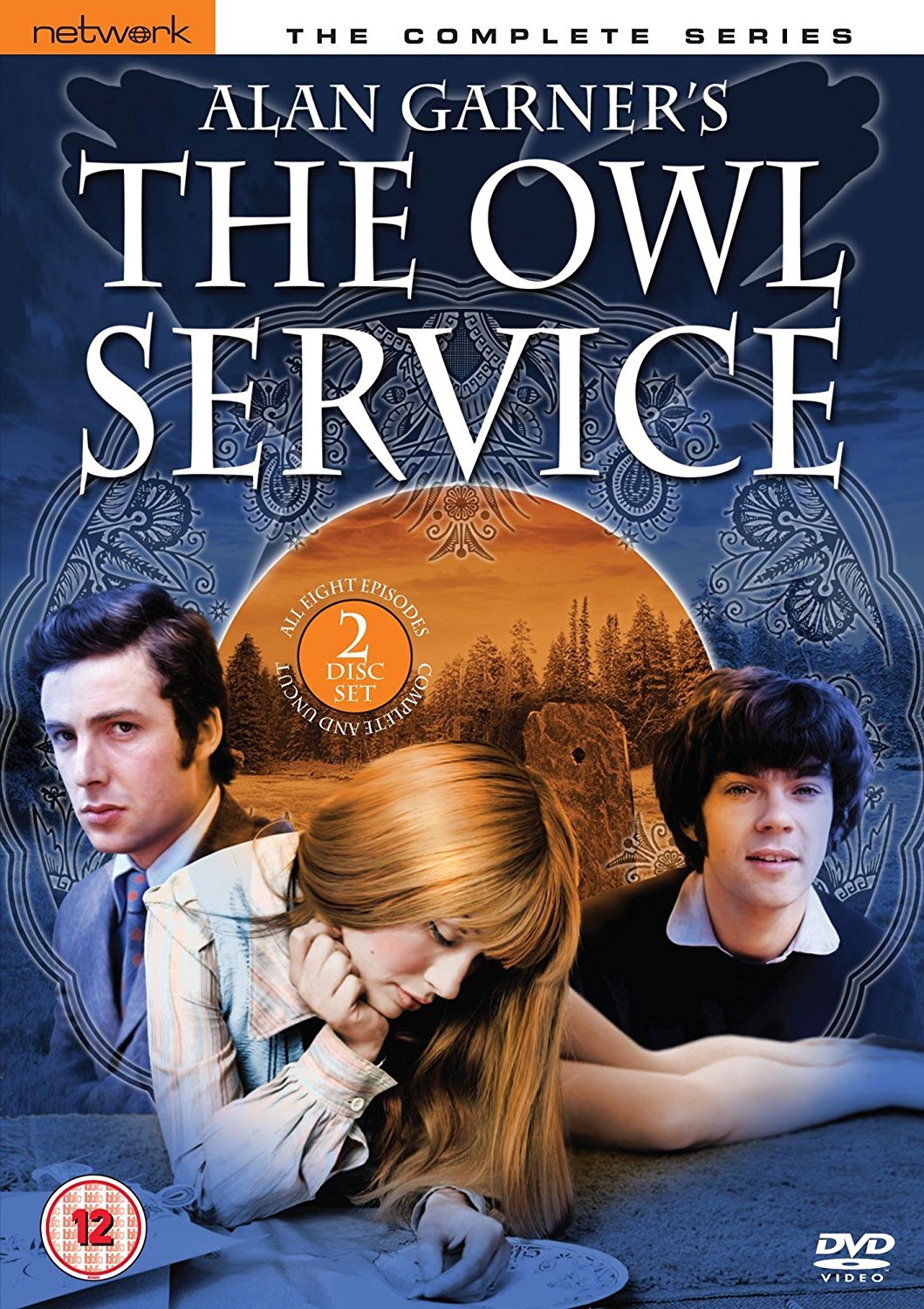
Alan Garner's The Owl Service1969
A serialized ghost story where teenagers uncover a Welsh legend that seems to repeat itself through their lives. Builds dread through suggestion and symbol rather than jump scares, with the same sense of time folding back on itself.
But Made for children's television and occasionally shows it; the pacing is glacial by modern standards, and some of the performances feel stiff.
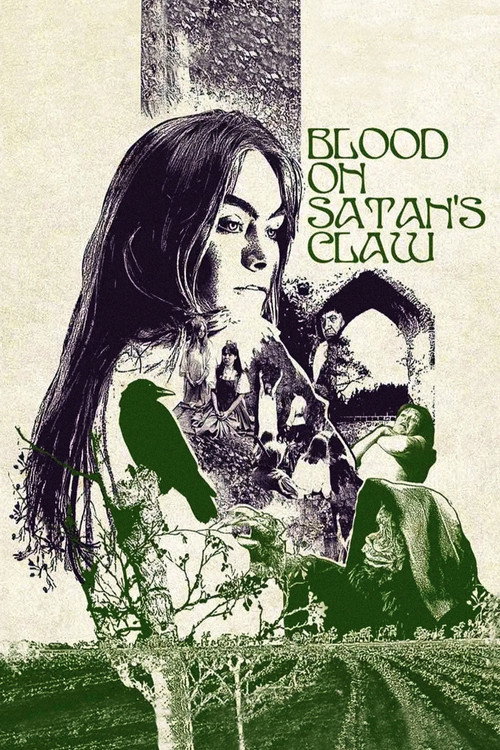
Blood on Satan's Claw1971
Witchcraft panic in a rural English village, told with a documentary flatness that makes the supernatural feel disturbingly plausible. Both films find horror in landscapes and in the weight of history pressing down on the present.
But The violence toward children is real and disturbing, and the film doesn't soften or joke about it. Not for a casual evening.
Not sure tonight? Get a pick in a minute, starting from Red Shift
The wildcard
Something you would not have found on your own.
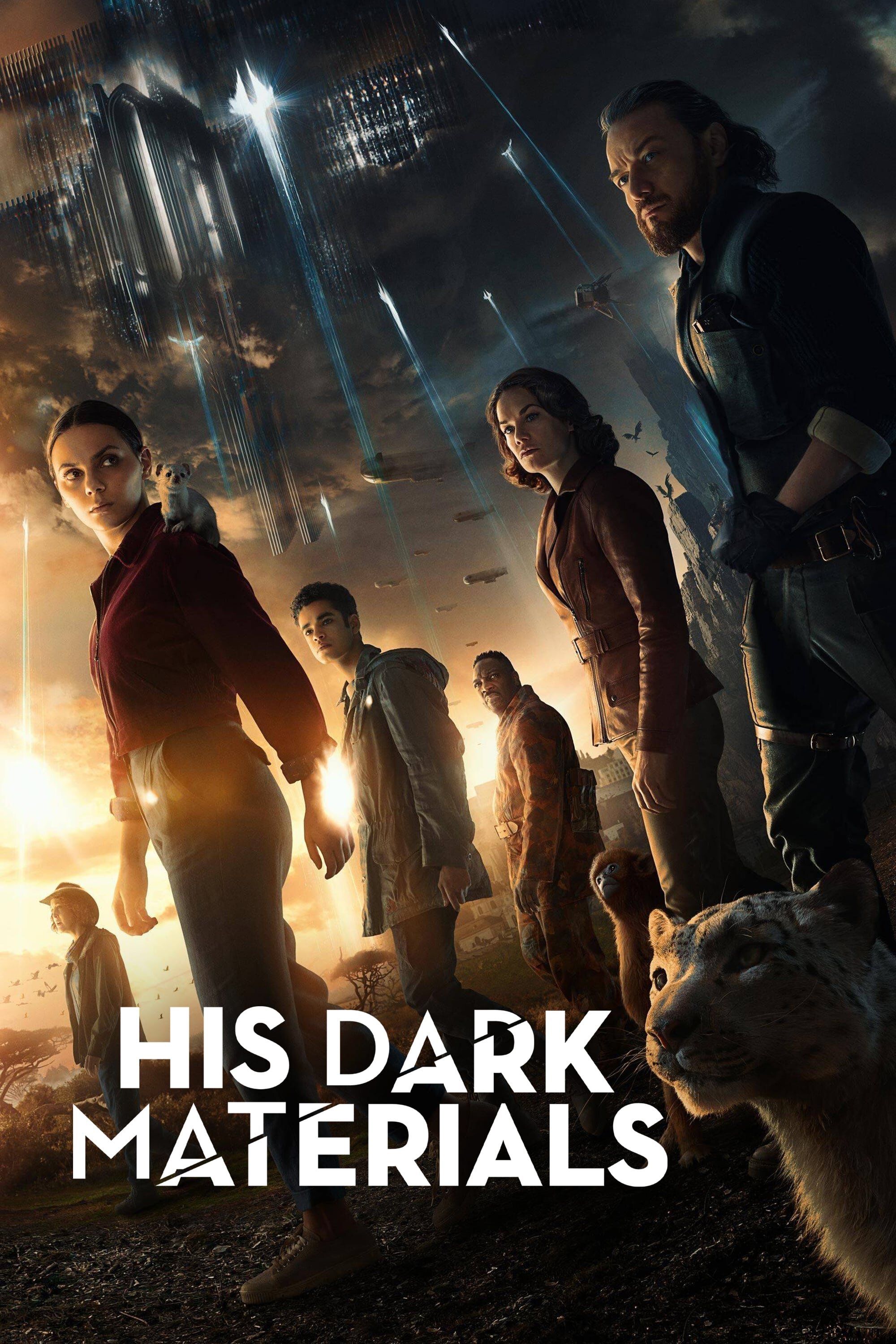
His Dark Materials2019
Both use landscape and mystical geometry to suggest that different times and realities exist in superposition, and can brush against each other; both culminate in the question of whether love can transcend or break patterns of repetition.
Serialized fantasy where parallel worlds and the crossings between them are both literal and metaphorical, exploring how consciousness and meaning leak across boundaries. Like Red Shift, it's animated by the idea that time and space are far stranger than we assume, and that love might be the only thing that holds across those rifts.
But The BBC television version is uneven in tone and budget, and fans of the books will find it simplified. It requires patience with serialized television storytelling where answers come slowly.
More like this (8)
A Taste of Honey1961
British kitchen-sink drama about a young working-class woman navigating love and betrayal with gallows humour and tenderness. Like Red Shift, it captures the ache of youth searching for connection and understanding.
But The sexual and racial politics belong to their era; some moments land differently now, and the pacing assumes patience with long, quiet scenes.
The Changeling1980
A widower and composer moves into a mansion where he uncovers a murder buried in its history. Slow-burn supernatural mystery that treats the past as something alive and insistent, seeping into the present.
But It's genuinely quiet and unhurried; if you need a clear plot engine or conventional scares, this will feel like nothing is happening.
Malevil1981
French post-apocalyptic drama where a group survives nuclear collapse and returns to their castle refuge. Meditative and strange, it shares Red Shift's interest in how place and community shape human meaning when systems collapse.
But Poorly paced in parts, and the gender dynamics are dated and uncomfortable. The budget constraints show, which some find evocative and others just tedious.
Full Circle1978
A woman moves into a house where a child died, and becomes entangled in something that may be supernatural or psychological. Builds unease through atmosphere and ambiguity, trusting the audience to sit with dread.
But Glacial in places, and the twist doesn't land as hard as it might. Some viewers will find it slow without sufficient payoff.
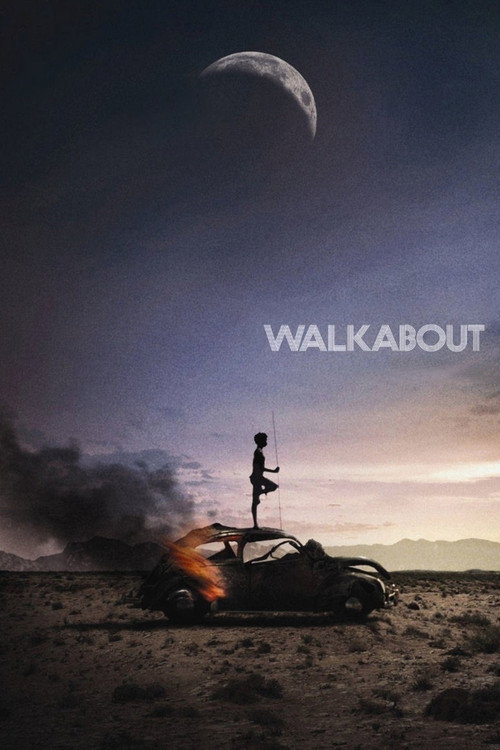
Walkabout1971
Two white children lost in the Australian outback encounter an Aboriginal boy on his walkabout rite. A lyrical, philosophical meditation on culture, innocence and crossing between worlds—equally strange and difficult to categorize.
But The narrative is minimal and the film is more interested in landscape and behaviour than dialogue. Its treatment of Indigenous Australian culture reflects its era.
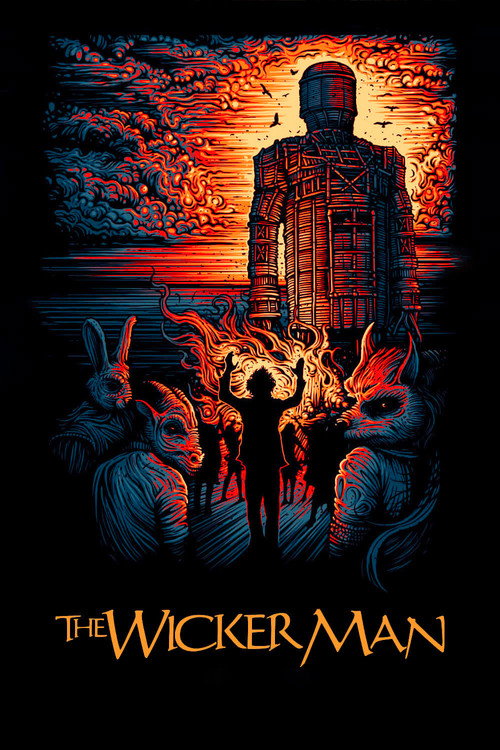
The Wicker Man1973
A policeman travels to a remote Scottish island to investigate a child's disappearance and stumbles into something far older and stranger. Folk-horror masterpiece with a similarly unsettling sense that the past is not past.
But Explicitly religious themes will alienate some; others find the ending nihilistic rather than cathartic. The film is famous, so surprise is already compromised.
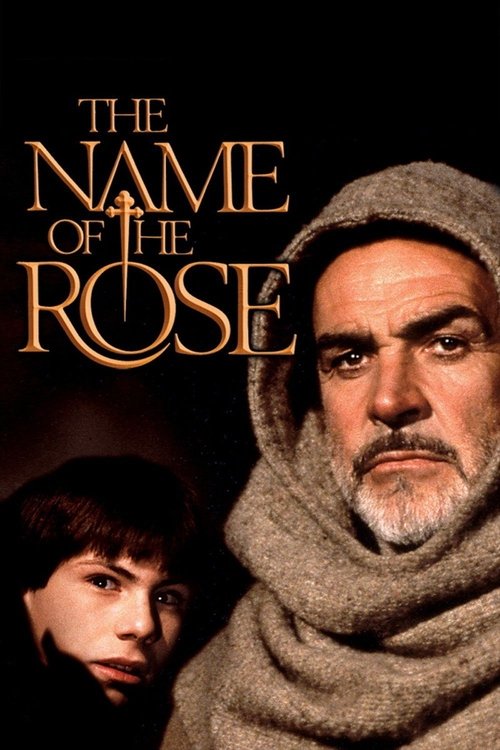
The Name of the Rose1986
Both films spiral backward through time to understand a present crisis; both suggest that the same conflicts and the same violence recur because they are embedded in institutions and the land itself. Both ask whether understanding history can break its spell.
A medieval monastery becomes the stage for a detective story that is really about the weight of history, forbidden knowledge and the cyclical nature of violence. Sean Connery as a Franciscan monk investigating murders that echo older crimes. Dense, beautiful, and genuinely strange.
But Nearly three hours, European pacing, and the plot logic becomes labyrinthine. If you need clarity and momentum, this will frustrate you deeply.
Under the Skin2014
Like Red Shift, it trusts the audience to feel something without being told what to feel; both use a figure or force outside normal society to ask what it means to be human, to need, to love. Both find the uncanny in the everyday and unfamiliar in the familiar.
Scarlett Johansson in a role that erases her celebrity—a vehicle of some kind passing through Glasgow, cataloguing human vulnerability and connection. Wordless, hypnotic, genuinely alien. Operates entirely on mood and image, the opposite of plot-driven cinema.
But It is deliberately obscure and withholding. If cinema has to be clear and explicable, this will seem like pretentious nonsense that goes nowhere. The violence is sudden and unsettling.

People
Cast
 Bernard GallagherTom's Father
- Stella TannerTom's Mother
 Ken HutchisonLogan
- Andrew ByattMacey
- Charles BoltonThomas Rowley
 James HazeldineJohn Fowler
 Myra FrancesMadge Rowley
 Michael ElphickThomas Venables
 Daragh O'MalleyFace