
Film
Blood on Satan's Claw
- Folk horror
- Dark fantasy
- Very dark
A 1971 British folk horror film where 18th-century villagers spiral into paranoia and ritual violence after children become convinced that something demonic is stirring in their community. Atmospheric and genuinely unsettling, with an elliptical narrative that trusts you to piece things together. For anyone who loves slow-burn dread and the specific textures of older British horror.
Should you watch it?
Watch it if you love folk horror that builds dread out of rural superstition, muddy village textures and a community quietly losing its grip, rather than out of jump scares.
Skip it if you want brisk pacing or a clear hero to anchor you, since its focus drifts and its cruelty toward young characters is hard to sit through.
What it asks of you: Settle in for a leisurely hour and a half where the unease accumulates in small, grubby details before anything erupts; it rewards patience and doesn't let you off with comfort.
Not sure? Find tonight's pick in a minute.
If you liked this
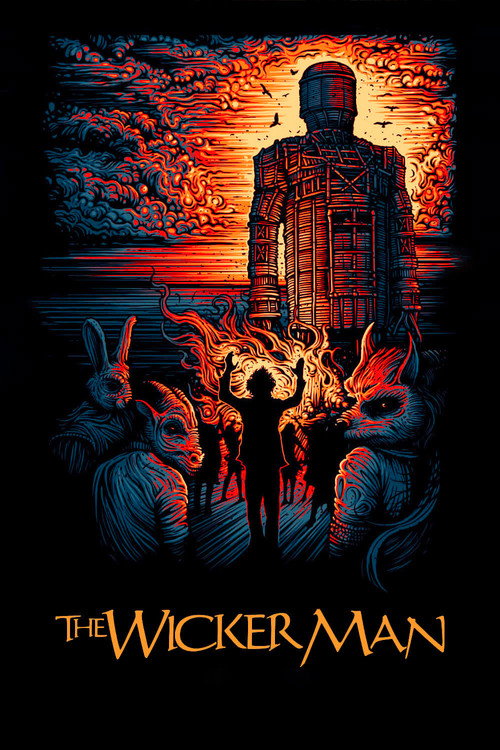
The Wicker Man1973
A police officer arrives on a Scottish island where pagan rituals and missing children point to something deeply wrong. Like Satan's Claw, it builds dread through folklore and community hysteria, with the same queasy sense that rationality might be the dangerous thing.
But Its solution is more explicit and certain than you might want. Also genuinely slow; patience is non-negotiable.
Suspiria1977
A young dancer enters an elite ballet school that is actually a coven. Dario Argento creates pure visual nightmare—ravishing and grotesque simultaneously. Both films use evil as an environmental force rather than a villain you can name.
But The dubbed dialogue is distracting, and the logic is dreamlike rather than coherent. Some find it more style than substance.

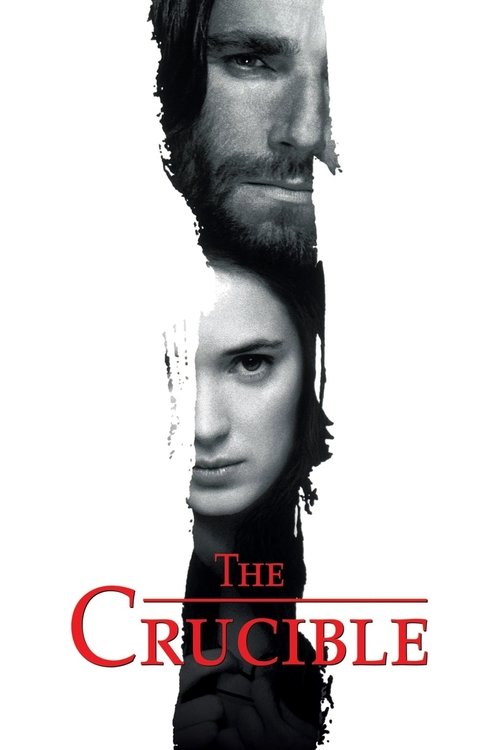
The Crucible1996
Arthur Miller's play adapted with genuine menace: witch trials as mass hysteria and moral panic. Shares Satan's Claw's interest in how communities collectively lose their minds, and how accusation becomes more powerful than truth.
But It's a period piece about an old argument. If the Salem witch trials don't interest you, the dialogue can feel like homework.
Not sure tonight? Get a pick in a minute, starting from Blood on Satan's Claw
The wildcard
Something you would not have found on your own.
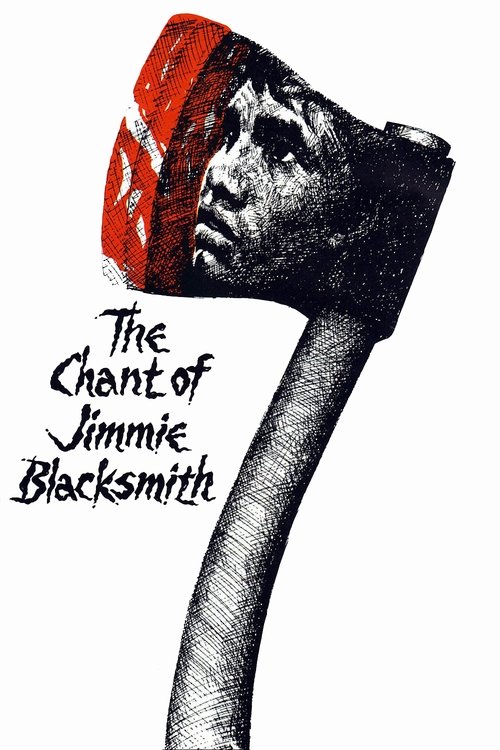
The Chant of Jimmie Blacksmith1978
Both use folk mythology and rural community as a lens for examining how ordinary people rationalize cruelty. Satan's Claw through demonic panic; Jimmie Blacksmith through racial dehumanization. Same structure, different country.
An Aboriginal man in colonial Australia is brutalized and betrayed, and his response is apocalyptic violence. Both films stage folk horror as a moral reckoning—showing how communities commit atrocities and then rewrite them as necessity. Devastating and exact.
But Explicitly about racism and colonial violence, without softening. The violence is consequential and ugly, not cathartic.
More like this (7)
Harakiri1962
A Japanese samurai film where a man requests ceremonial suicide, forcing the community to confront their own cruelty and complicity. Like Satan's Claw, it studies how institutions and social pressure corrupt and destroy, with the same visual restraint.
But Three-and-a-half hours of mounting despair. Necessary but punishing.

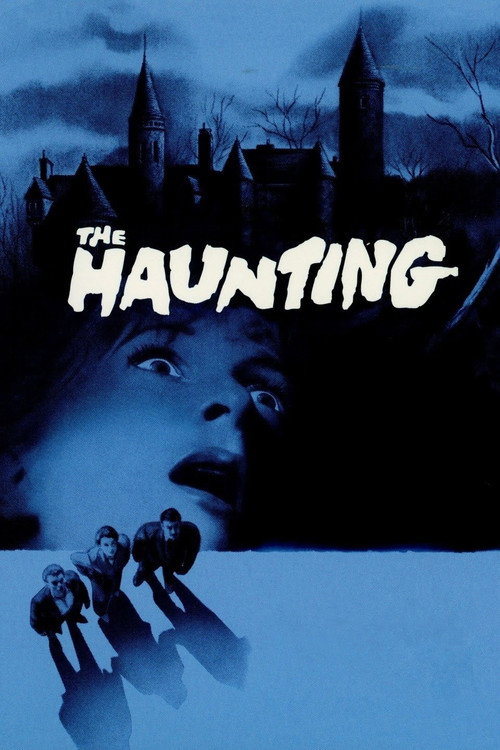
The Haunting1963
Robert Wise's film about psychologists investigating a haunted house. The horror comes from atmosphere and the possibility that the haunting is psychological. Shares Satan's Claw's refusal to explain everything, letting ambiguity do the work.
But Feels stately by modern standards. The psychological aspects matter more than jump scares.
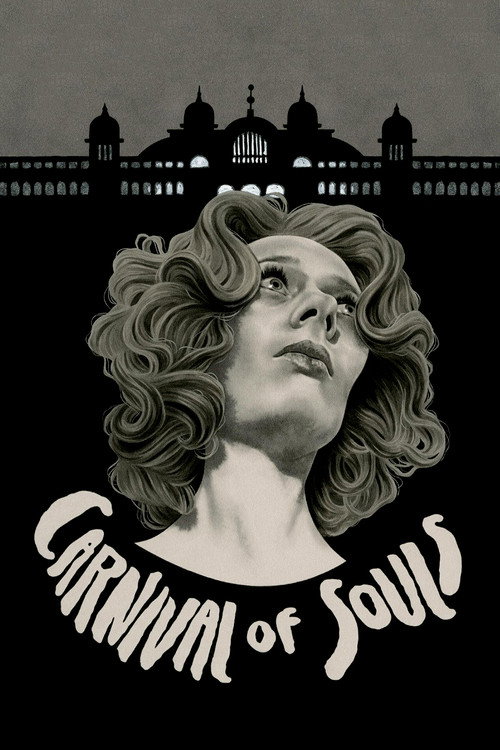
Carnival of Souls1962
A woman survives a car crash and experiences eerie, inexplicable events. Low-budget but genuinely disorienting—it has the same DIY British horror DNA as Satan's Claw, made for almost nothing but with genuine atmosphere.
But It's a rough cut, visually and narratively. Patient viewers will find it haunting; others will see only its budget.
The Holy Mountain1973
Jodorowsky's surrealist masterpiece about a spiritual journey through symbolism and ritual. Both films use body horror, occultism, and hallucinatory logic rather than conventional narrative. Utterly singular.
But It's deliberately unhinged and obscure. If you need clarity or conventional story structure, this will infuriate you.

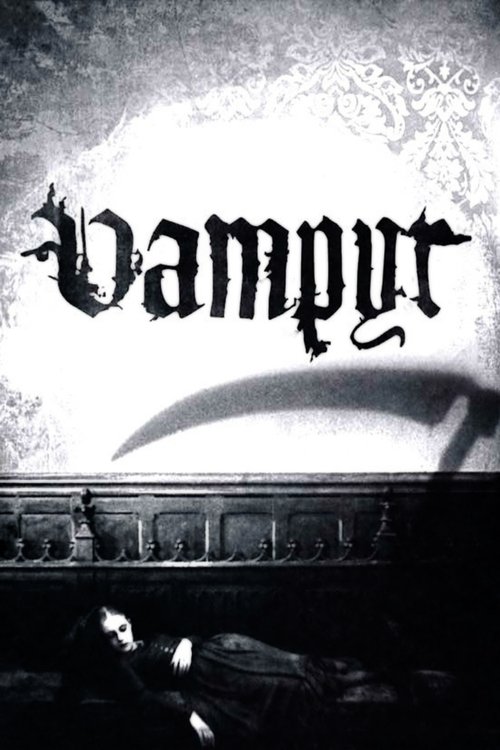
Vampyr1932
Carl Theodor Dreyer's vampire film is all shadow and suggestion—plot barely matters, only the creeping sense of wrongness. A spiritual ancestor of Satan's Claw's approach: trust the feeling over the narrative.
But Nearly a century old, visually austere, and the story is thin. It's less a film than a mood, which isn't for everyone.
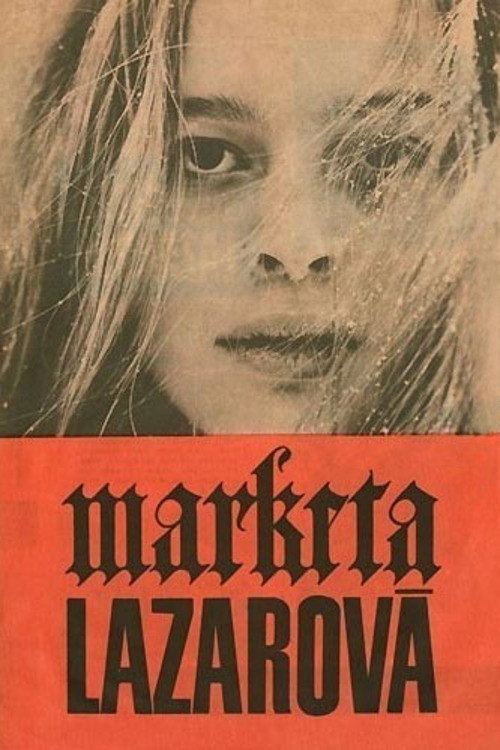
Marketa Lazarová1967
Both films treat medieval/early modern settings not as costume drama but as a headspace—a time when the boundary between ritual and reality was dangerously thin. Shot with the same reverence for landscape as metaphor.
A Czechoslovak medieval nightmare: brigands, violence, sacrifice, and a woman's mysterious power. Shot in black and white with a mythic narrative structure that moves like a fever dream. Completely hypnotic and uniquely Eastern European in its sensibility.
But Subtitled, slow, with a plot that circles rather than progresses. You have to surrender to the mood, not follow the mechanics.
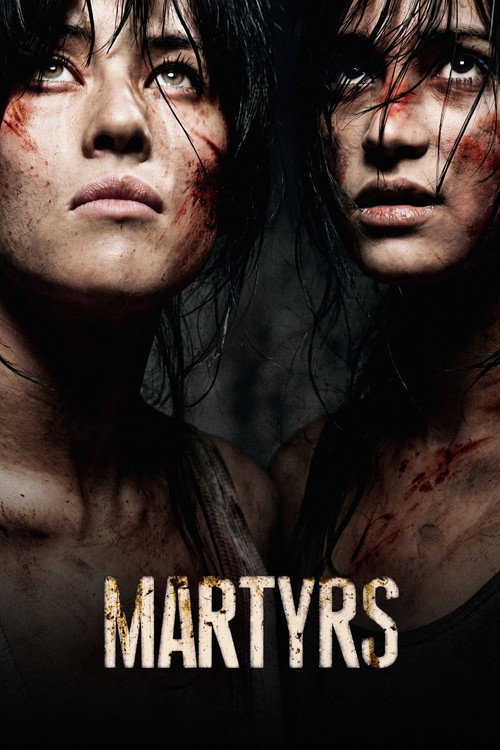
Martyrs2008
Both films examine how communities or individuals can convince themselves that cruelty is devotion, that suffering is transcendence. Satan's Claw does it with folk hysteria; Martyrs does it with absolute conviction and no irony. One is ambient evil, one is explicit theology—both arrive at the same terrifying question.
A French extreme horror film about two women pursuing violence in pursuit of transcendence. The most important wildcard here: it asks what Satan's Claw asks (can evil be spiritual?) but takes the answer to its logical, unbearable extreme. Genuinely transformative if you can reach it.
But It is relentlessly brutal, with graphic violence that is not enjoyable. Some of the most difficult 95 minutes of cinema. Not a horror film for horror fans; a philosophical treatise in gore.
People
Cast
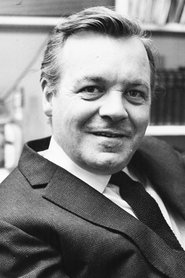 Patrick WymarkThe Judge
 Linda HaydenAngel Blake
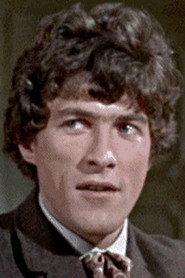 Barry AndrewsRalph Gower
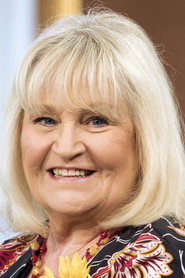 Michele DotriceMargaret
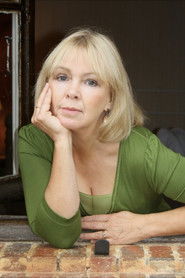 Wendy PadburyCathy Vespers
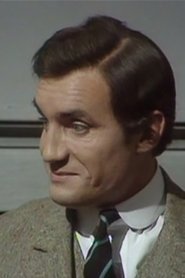 Anthony AinleyReverend Fallowfield
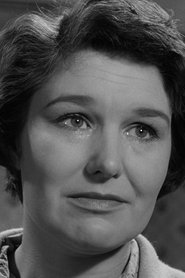 Charlotte MitchellEllen Vespers
 Tamara UstinovRosalind Barton
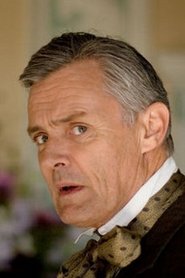 Simon WilliamsPeter Edmonton
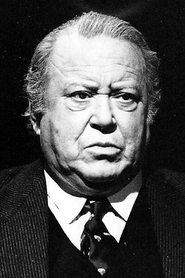 James HayterSquire Middleton
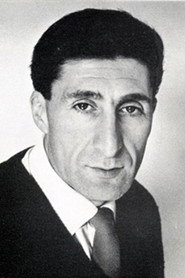 Howard GoorneyThe Doctor
 Avice LandoneIsobel Banham
Directing
- Stephen ChristianAssistant Director
- Piers HaggardDirector
- Bill WestleySecond Assistant Director
Writing
- Robert Wynne-SimmonsWriter
Production
- Weston Drury Jr.Casting
- Tony TenserExecutive Producer
- Malcolm B. HeyworthProducer
- Peter L. AndrewsProducer
- Ron JacksonProduction Manager
Recommended by
A Field in England, Witchfinder General, The Plague of the Zombies, The Reptile, Penda's Fen, Red Shift, Robin Redbreast, The Flesh and Blood Show, London After Midnight, The Devil's Men