
Film
The Reptile
- Horror
- Very dark
A Hammer horror film about a couple investigating mysterious deaths in a hostile Cornish village, where a family's dark secret lurks beneath the surface. It's atmospheric and eerie rather than gory, anchored by genuine unease and the slow reveal of something genuinely grotesque. For fans of gothic horror who want mood over jump-scares.
Should you watch it?
Watch it if you enjoy slow-burning British gothic chillers where the dread builds from a village full of closed mouths and a sense that everyone knows more than they say.
Skip it if you need jump scares or a clearly visible monster, since the menace stays mostly in the shadows and the creature is kept at arm's length for long stretches.
What it asks of you: Expect a slow, talky build of suspicion and investigation before the horror gets its teeth in, across ninety minutes that reward close attention to who is lying.
Not sure? Find tonight's pick in a minute.
If you liked this
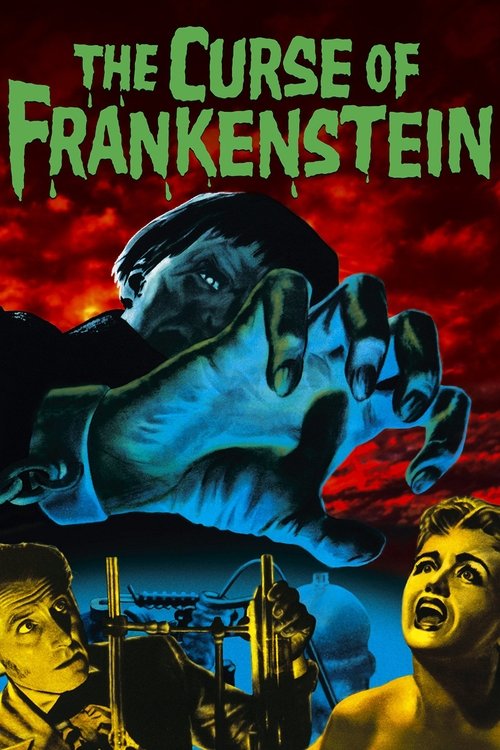
The Curse of Frankenstein1957
The first Hammer horror and the template Reptile follows: gorgeous colour cinematography, strong ensemble cast, and a palpable sense of transgression. Cushing and Lee are mesmerizing.
But Older pacing means it moves slowly by modern standards, and some of the creature effects don't hold up as well as the atmosphere.
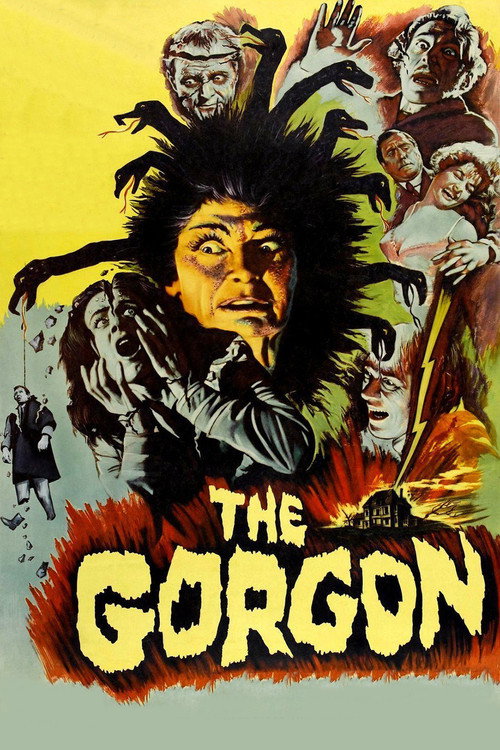
The Gorgon1964
Another Hammer gem with Cushing investigating a village gripped by mysterious deaths. It has the same creeping dread and excellent ensemble work, plus stunning production design and a genuinely unsettling monster.
But The reveal, while impressive, can feel slightly anticlimactic if you guess where it's heading early.
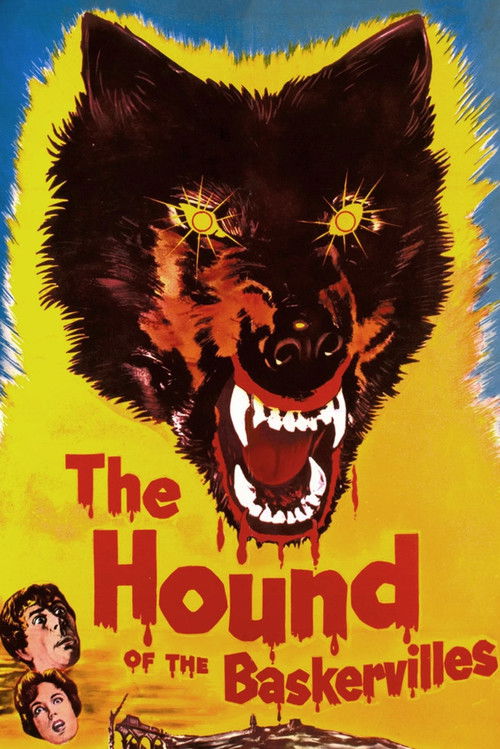
The Hound of the Baskervilles1959
Hammer's Sherlock Holmes adaptation: a murder mystery set in fog-shrouded moors with the same village-of-secrets atmosphere. It balances genuine scares with a tightly plotted whodunit that actually adds up.
But It's less overtly supernatural than The Reptile, which some horror fans find less satisfying.
Not sure tonight? Get a pick in a minute, starting from The Reptile
The wildcard
Something you would not have found on your own.
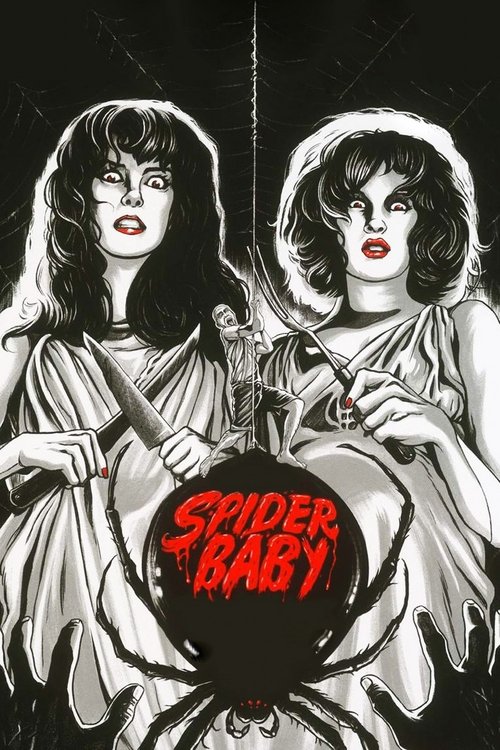
Spider Baby1967
Both explore how family secrets and inherited curses corrupt entire bloodlines, but where The Reptile plays it straight, Spider Baby treats the same material as tragicomic nightmare.
A film about inherited madness and familial curse told as dark comedy rather than gothic horror. The same DNA as The Reptile—decay, secrets, a terrible legacy—but filtered through a wholly different register. Funny, disturbing, and oddly moving.
But Its tone is wildly unstable and deliberately so, which reads as incompetence if you're not on its wavelength. Some will find it more off-putting than frightening.
More like this (7)
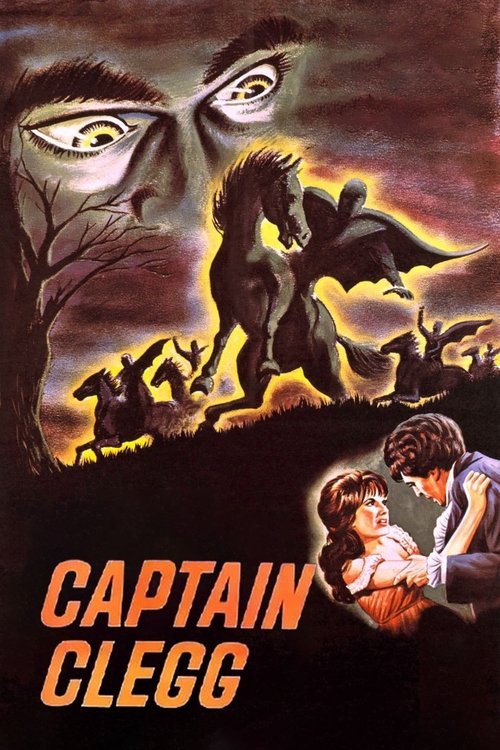
Captain Clegg1962
Hammer exploring remote English villages with dark secrets, smugglers, and ghosts. Beautiful production and a cast firing on all cylinders, with real historical atmosphere supporting the scares.
But It's a period piece that takes its time; if you want constant action, this isn't it.
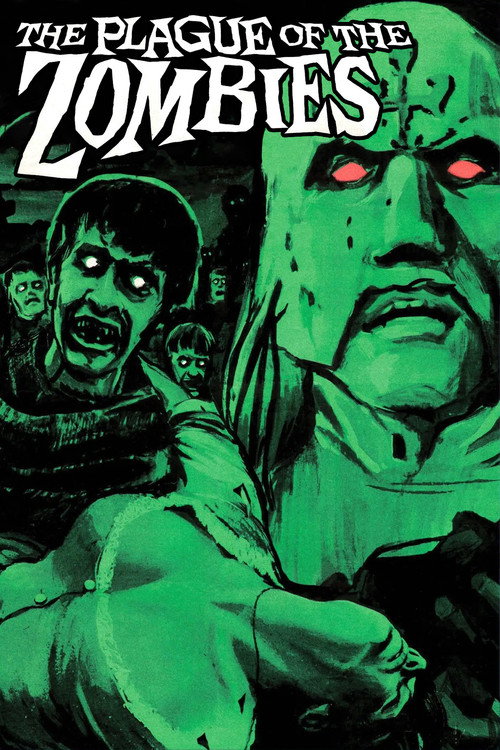
The Plague of the Zombies1966
Made the same year as The Reptile, same studio, same sensibility: a mystery unfolding in a remote community where the dead themselves are part of a terrible scheme. Genuinely inventive and deeply strange.
But The zombie concept doesn't mesh as neatly with the gothic atmosphere as it might, and the ending feels rushed.
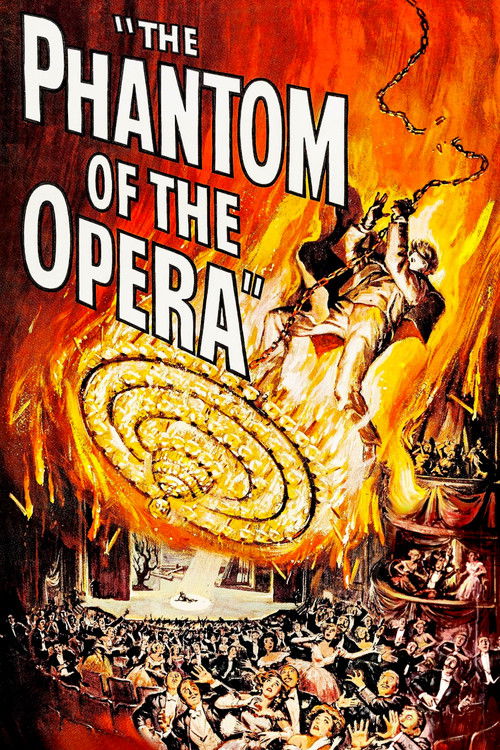
The Phantom of the Opera1962
Hammer's operatic take on the classic: colour and baroque design supporting a story of obsession and monstrosity. If you want pure gothic romance with teeth, this delivers.
But It's more of a melodrama than a horror film, which will disappoint if you came for scares.
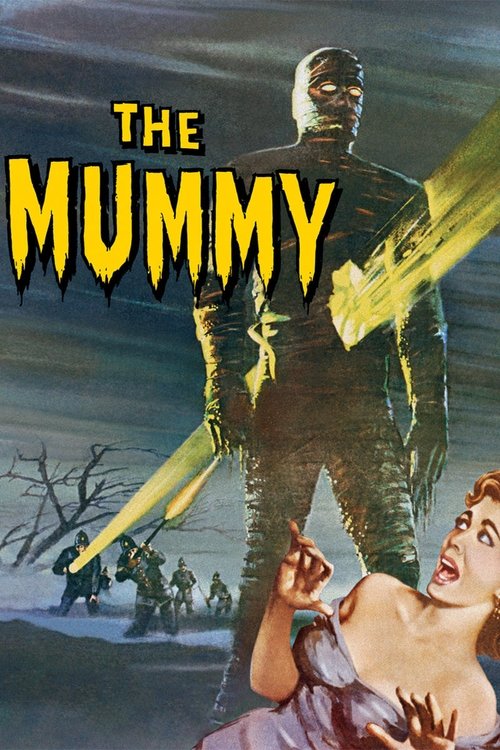
The Mummy1959
Cushing and Lee facing off across an archaeological horror that moves with real momentum. Strong plot, strong performances, and a genuine sense of ancient menace awakening in modern times.
But Some dated attitudes in the script that stick out, and the mummy itself is less visually interesting than you'd hope.
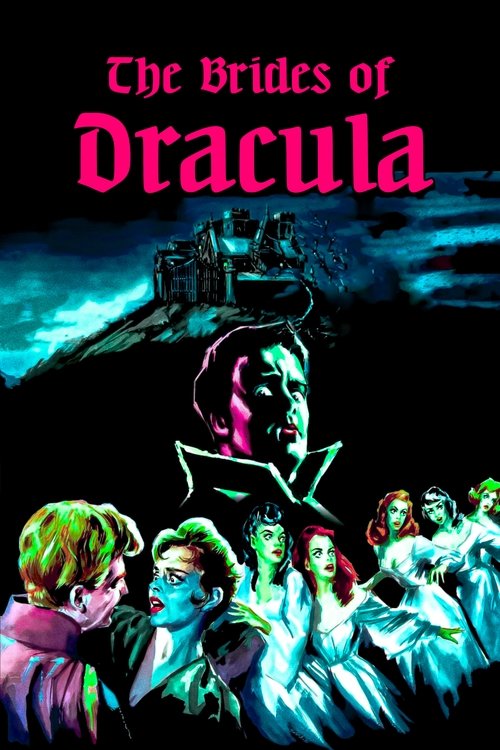
The Brides of Dracula1960
Hammer's follow-up to their Dracula with Cushing playing Van Helsing. No Lee, but a genuinely effective tale of seduction and corruption with excellent female characters. The atmosphere is thick as fog.
But The Dracula connection feels tenuous; it's really its own story, which some purists resent.
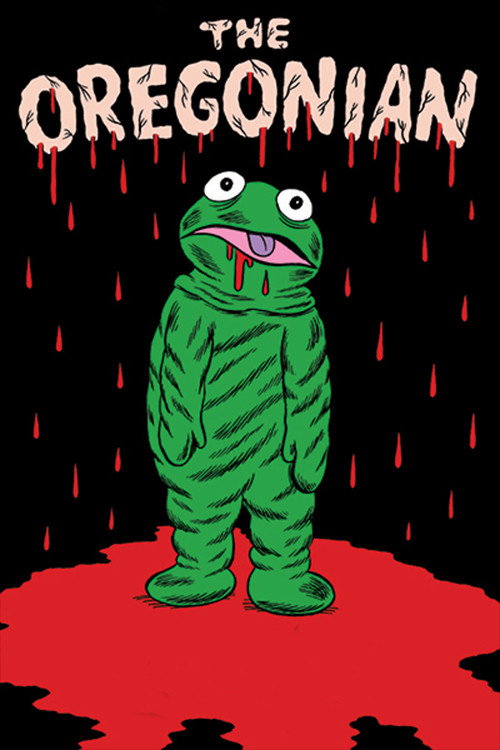
The Oregonian2011
Both use remote, hostile communities as the true antagonist, but where The Reptile reveals its secrets methodically, The Oregonian keeps you in the dark deliberately, letting atmosphere become the entire story.
A woman with no memory wakes in a forest and stumbles through rural Oregon encountering increasingly strange and hostile locals. Shot in stark black and white, it's a fever-dream of isolation and menace that builds dread through abstraction rather than plot clarity.
But It's experimental and deliberately obscure; if you need narrative clarity and explanation, you will hate this. It demands patience and surrender.
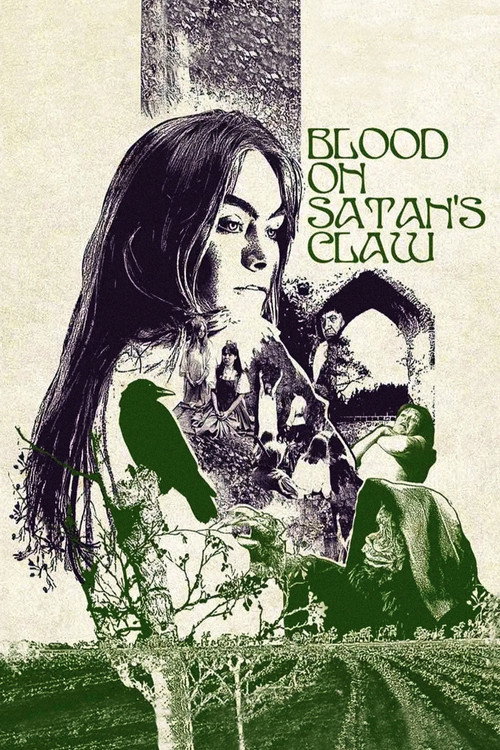
Blood on Satan's Claw1971
Both take the village-as-character seriously, but where The Reptile investigates a specific family curse, Satan's Claw suggests the evil is the land itself, and it corrupts everyone it touches equally.
A village in 1670s England gripped by hysteria over something genuinely evil in the soil. Raw, visceral folk horror that feels more dangerous than Hammer ever did, with an ensemble cast caught in escalating madness. It's British gothic stripped of all polish.
But It's nasty in ways Hammer wasn't—genuinely cruel and graphic by 1971 standards. The pace is chaotic and the narrative is deliberately fragmented, which frustrates as often as it grips.
People
Cast
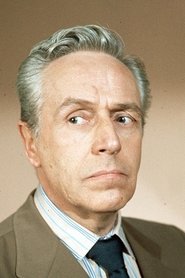 Noel WillmanDr. Franklyn
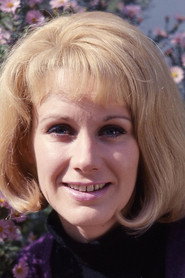 Jennifer DanielValerie Spalding
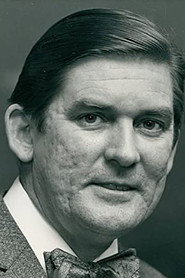 Ray BarrettHarry George Spalding
 Jacqueline PearceAnna Franklyn
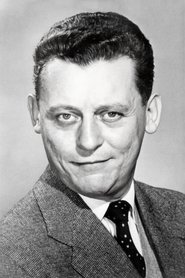 Michael RipperTom Bailey
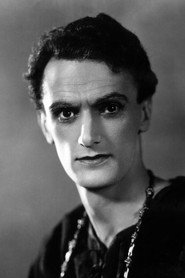 John LaurieMad Peter
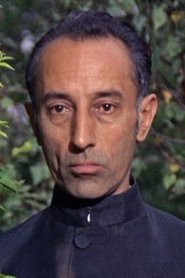 Marne MaitlandThe Malay
- David BaronCharles Edward Spalding
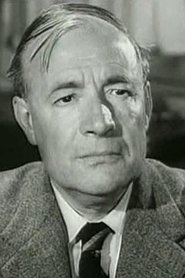 Charles Lloyd PackThe Vicar
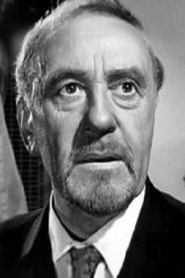 Harold GoldblattThe Solicitor
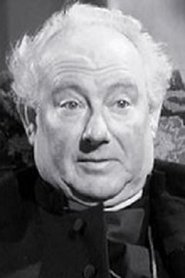 George WoodbridgeOld Garnsey
- Ernie RicePub Patron (uncredited)
Directing
- William P. CartlidgeAssistant Director
- Lorna SelwynContinuity
- John GillingDirector
Writing
- Anthony HindsWriter
Production
- Anthony Nelson KeysProducer
- George FowlerProduction Manager
Recommended by
The Brides of Dracula, The Gorgon, The Curse of the Mummy's Tomb, The Mummy's Shroud, The Blood Beast Terror