
Film
The Gorgon
A 1964 Hammer horror film that reimagines Greek mythology for a remote European village gripped by a curse. Cushing and Lee anchor a brooding, atmospheric piece about an ancient evil that turns men to stone with a glance. It's visually sumptuous and genuinely unsettling, designed for viewers who want their monsters tragic and their horror tinged with dread rather than gore.
Should you watch it?
Watch it if you enjoy old-fashioned gothic horror built on dread and atmosphere, where Peter Cushing and Christopher Lee trade quiet menace and a mystery unspools at an unhurried pace.
Skip it if the sixties studio look and measured dialogue may feel dated to anyone wanting sharp modern scares.
What it asks of you: Measured and unhurried across 83 minutes, its scares arrive in bursts rather than constant jolts, so settle in and let the atmosphere do the work.
Not sure? Find tonight's pick in a minute.
If you liked this
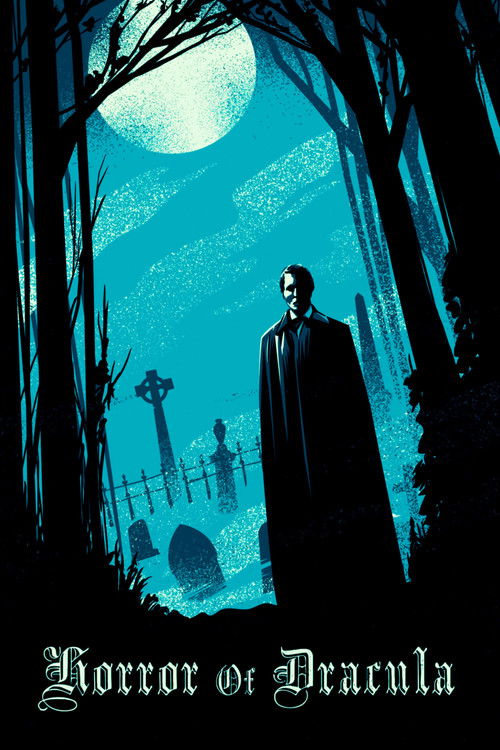
Dracula1958
Terence Fisher's definitive Hammer adaptation with Lee and Cushing at their peak. Rich colour cinematography, genuine menace, and the electricity between its two leads. Essential viewing if you love The Gorgon's visual language.
But The pacing is deliberate and the plot straightforward; by modern standards it can feel slow even at 82 minutes. Some may find the sexual subtext dated rather than thrilling.
The Curse of Frankenstein1957
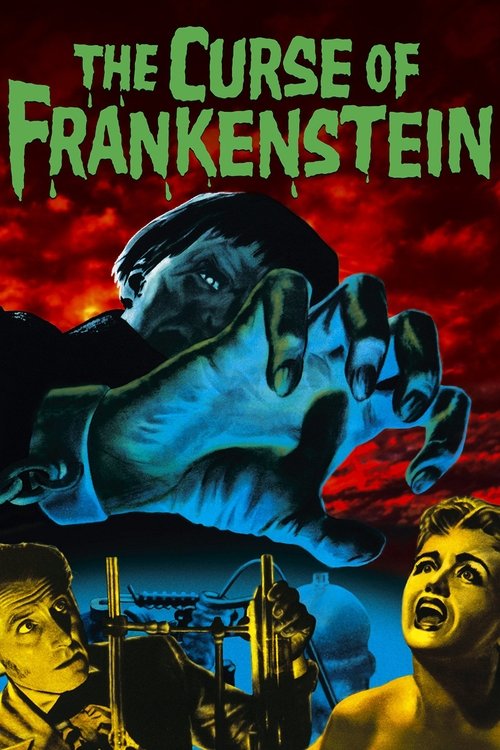
Hammer's first colour horror, starring Cushing as the obsessed scientist. It established the studio's playbook: Gothic atmosphere, vivid set design, and philosophical horror beneath the genre mechanics.
But The special effects are deliberately stagey and some scenes feel padded. It's more interested in ideas than action, which won't suit viewers wanting spectacle.
The Phantom of the Opera1962
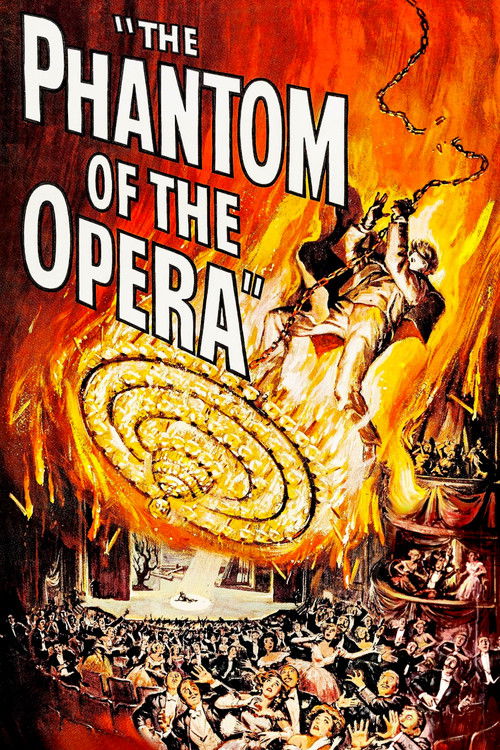
Another Hammer classic with Fisher directing, featuring Herbert Lom and Michael Gough. The same blend of Gothic romance, tragedy, and stylised horror that makes The Gorgon so compelling.
But It's a period piece about obsession rather than thrills; the pacing prioritises mood over narrative momentum. Some find the sympathy extended to the villain uncomfortable.
Not sure tonight? Get a pick in a minute, starting from The Gorgon
The wildcard
Something you would not have found on your own.
Metamorphosis1990
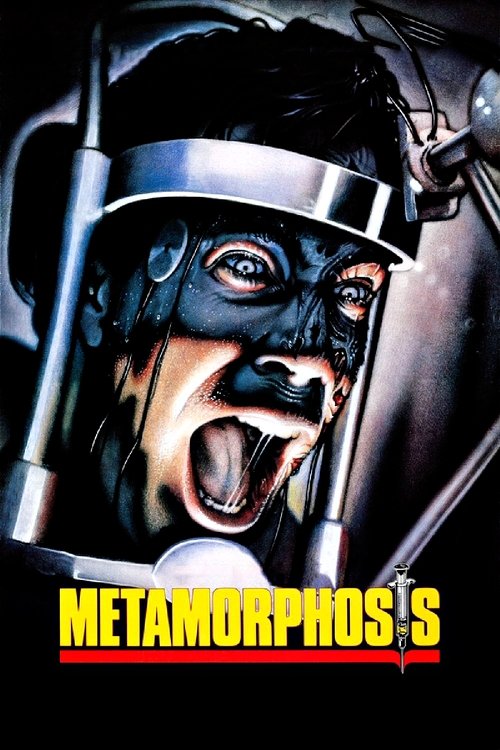
Both interrogate the Ovid myth as a metaphor for how men fear and desire women simultaneously. The gaze as weapon. Transformation as curse and survival.
A rarely-seen Czech-French co-production based on Ovid's Metamorphoses, directed by Raúl Ruiz. It shares the gorgon's preoccupation with transformation, punishment, and the objectifying male gaze, but as a fractured, poetic meditation rather than straightforward narrative. Utterly hypnotic.
But It's experimental and non-linear. You're watching an artist think through mythology rather than consume a story; some will find it pretentious and impenetrable.
More like this (7)
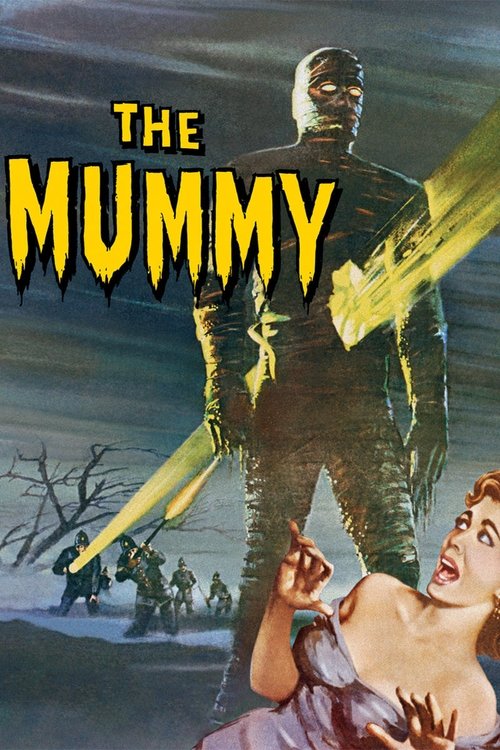
The Mummy1959
Cushing and Lee reunite in Fisher's take on Universal's monster. Lush colour cinematography, strong supporting cast, and a plot that allows genuine emotional stakes beneath the horror wrapping.
But The monster itself is less interesting than the men hunting it, which means long stretches without visible threat. The finale can feel rushed after all that setup.
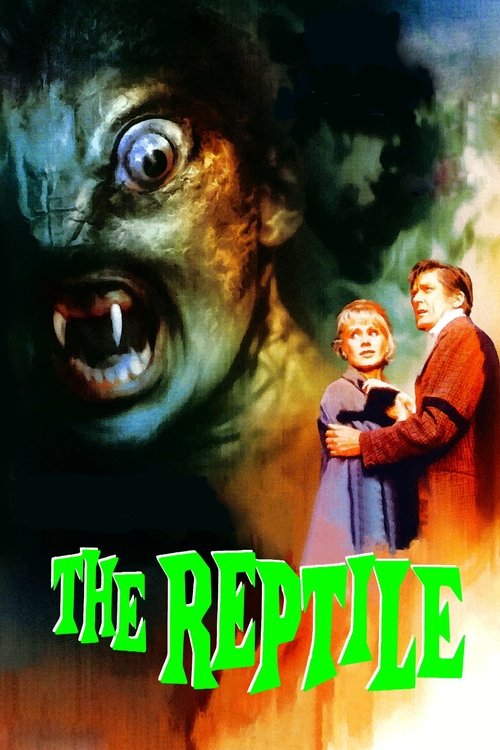
The Reptile1966
A lesser-known Hammer piece with similar DNA: a curse passed through a beautiful woman, village mystery, and that distinctive colour palette. Ray Barrett and Noel Willman anchor an admirably strange film.
But It's awkwardly plotted and the reveal feels more confused than clever. Some sequences are genuinely baffling rather than atmospheric.
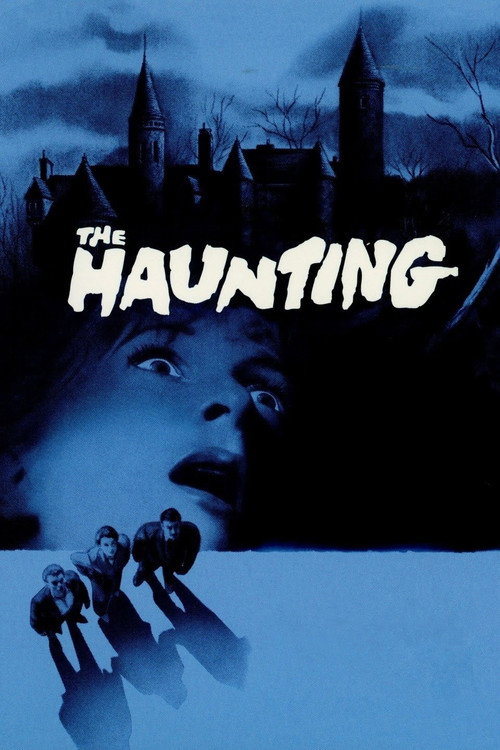
The Haunting1963
Robert Wise's masterpiece of psychological horror. Black and white cinematography, ambiguous scares, and performances so naturalistic they make the supernatural elements more effective. Pure craft in service of dread.
But Nothing overtly horrifying happens until the final act. The entire film relies on suggestion and character work; if you need spectacle, you'll be bored for 100 minutes.
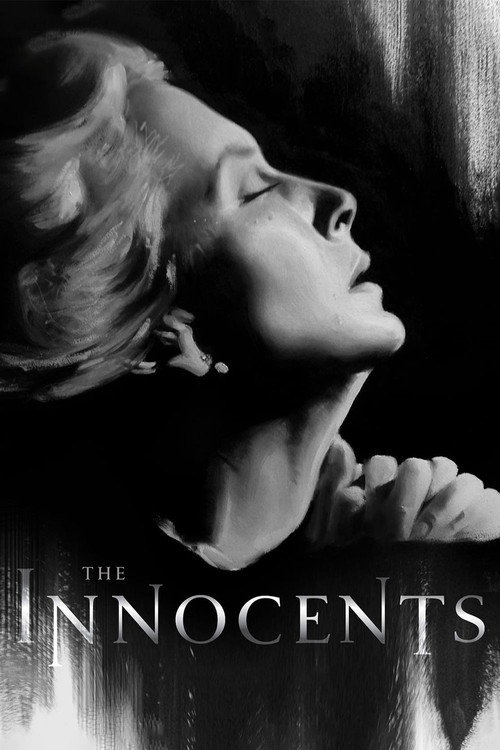
The Innocents1961
Jack Clayton's adaptation of The Turn of the Screw is visually gorgeous and narratively devilish. Deborah Kerr's performance is magnificent, and the ambiguity about what's actually supernatural lingers brilliantly.
But It's deliberately unclear whether we're watching a ghost story or a descent into madness. If you want narrative clarity, the ending will frustrate you.
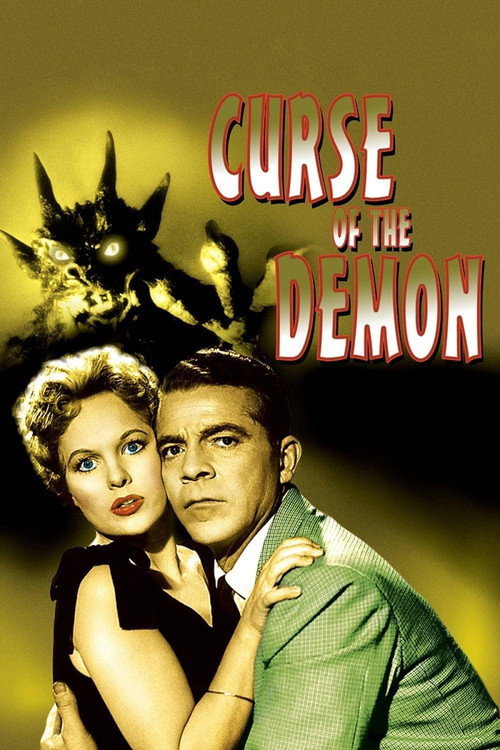
Night of the Demon1957
Jacques Tourneur's atmospheric adaptation of M.R. James. Dana Andrews, Peter Cushing, and a genuinely unsettling approach to the occult. Visual storytelling at its finest, with restraint that makes the scares land harder.
But The film looks its age and the final appearance of the demon divides viewers—some find it effective, others think it breaks the tension with practical limitation.
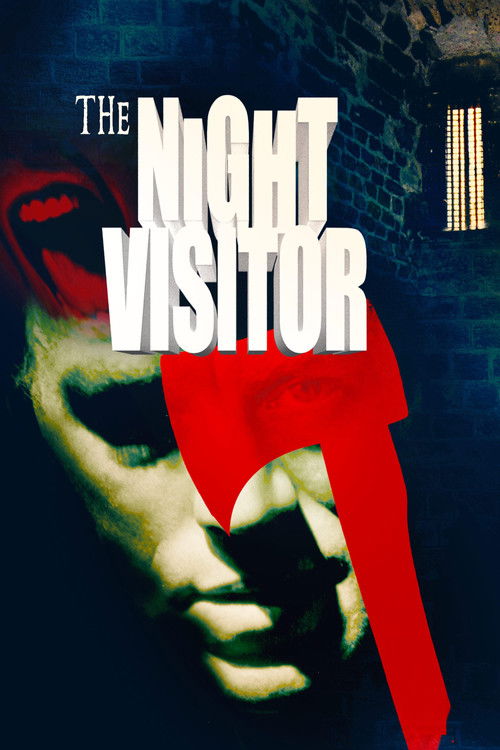
The Night Visitor1971
Both are about cycles of violence and curse that logic and detective work cannot solve. Both suggest that some evils are woven into place itself, resistant to rational explanation.
Max von Sydow in a perfectly crafted revenge thriller set in Scandinavia. Austere landscapes, moral ambiguity, and the sense of a curse that persists despite logic. It's Gorgon's mood in a completely different genre.
But The pacing is glacial and deliberately anticlimactic. If you're watching for conventional thrills, you'll feel cheated by where the story takes you.
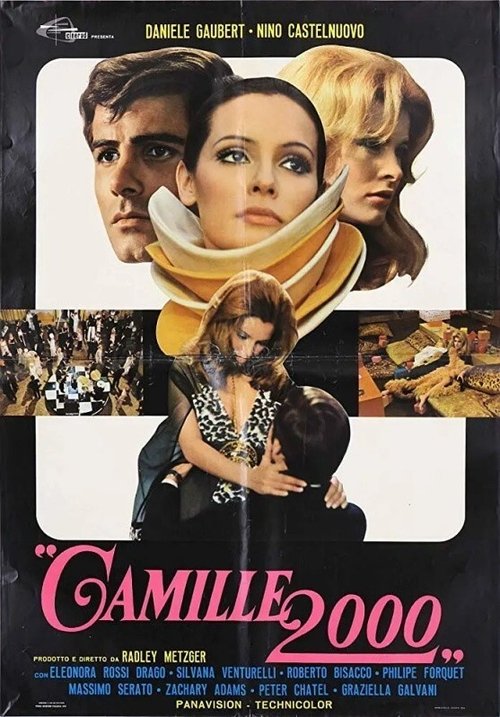
Camille 20001969
Both films are structured around a woman whose very presence destroys men, and both are paradoxically sympathetic to her while never quite escaping the logic of her being a cautionary tale about female power.
A Italian-French erotic romance about a woman whose touch is—metaphorically—poisonous to men. Daniele Gaubert is mesmerising and tragic. It's glossy and sexual where The Gorgon is Gothic and repressed, but the engine is identical: the deadly feminine.
But It's a soft-core film from 1969, which means dated gender politics and a curious attitude to consent. It's also visually chintzy compared to what you might expect given the premise.
People
Cast
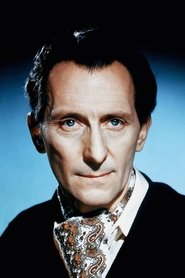 Peter CushingDr. Namaroff
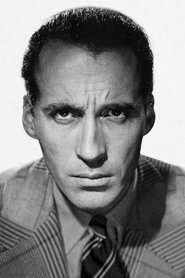 Christopher LeeProf. Karl Meister
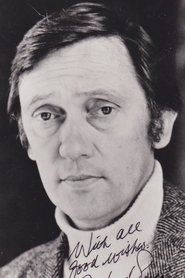 Richard PascoPaul Heitz
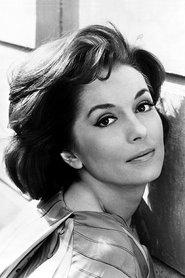 Barbara ShelleyCarla Hoffman
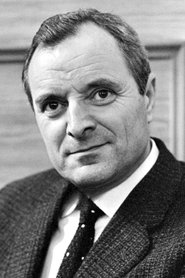 Michael GoodliffeProfessor Jules Heitz
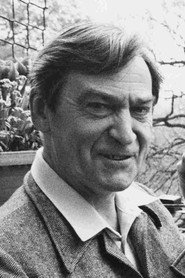 Patrick TroughtonInspector Kanof
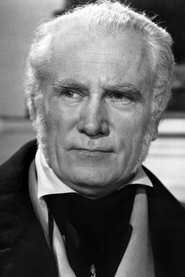 Joseph O'ConorCoroner
 Prudence HymanThe Gorgon
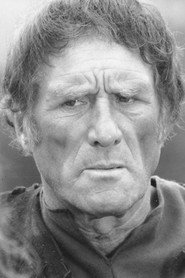 Jack WatsonRatoff
- Jeremy LonghurstBruno Heitz
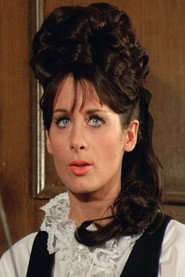 Toni GilpinSascha Cass
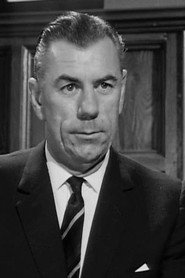 Alister WilliamsonJanus Cass
Directing
- Terence FisherDirector
Writing
- J. Llewellyn DevineOriginal Story
- John GillingScreenplay
Production
- Anthony Nelson KeysProducer
Recommended by
Dracula, The Brides of Dracula, The Mummy, Captain Kronos: Vampire Hunter, The Reptile, The Curse of the Mummy's Tomb, Madhouse, Four Flies on Grey Velvet