
Film
The Mummy
Other titles called The Mummy: the 1932 film, the 1999 film.
Hammer's 1959 mummy film pairs Peter Cushing and Christopher Lee in a lavish, colourful horror that turns the monster movie inside out. It's genuinely creepy despite the campy premise, gorgeously shot in Technicolor, and driven by Lee's silent performance as a creature caught between vengeance and impossible longing. A film that understands that monsters are most interesting when they're suffering.
Should you watch it?
Watch it if you love slow-burning gothic horror where the monster is a tragic lurker rather than an action hero, and you enjoy Hammer's lurid colour and stiff-upper-lip Englishmen chasing something ancient.
Skip it if you need brisk pacing and modern scares; this one is talky, leisurely and creaky, with much of its tension built from mood rather than shocks.
What it asks of you: Short at 88 minutes, but the opening stretches are unhurried; patience with dated dialogue and period manners pays off before the menace properly takes hold.
Not sure? Find tonight's pick in a minute.
If you liked this
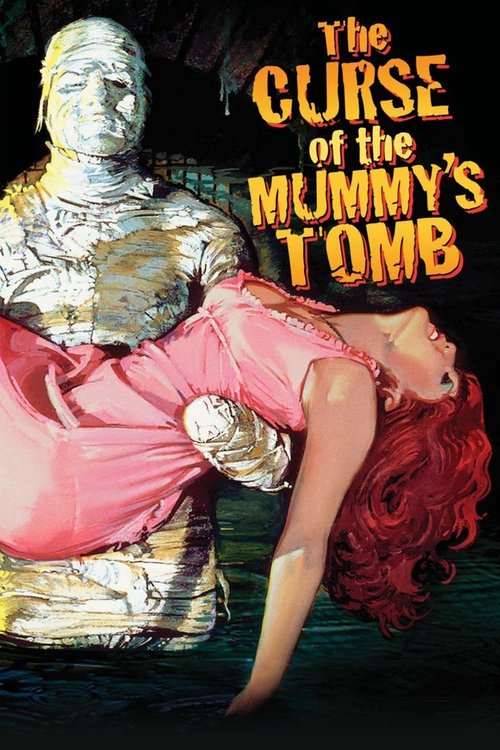
The Curse of the Mummy's Tomb1964
Hammer's follow-up leans harder into adventure-serial energy while keeping the atmospheric dread intact. Terence Morgan and Fred Clark crackle with charisma, and the plot actually surprises you on the second act's turn.
But It's considerably messier in construction than its predecessor, and some of the supporting acting wobbles. The pacing sags in the middle hour.
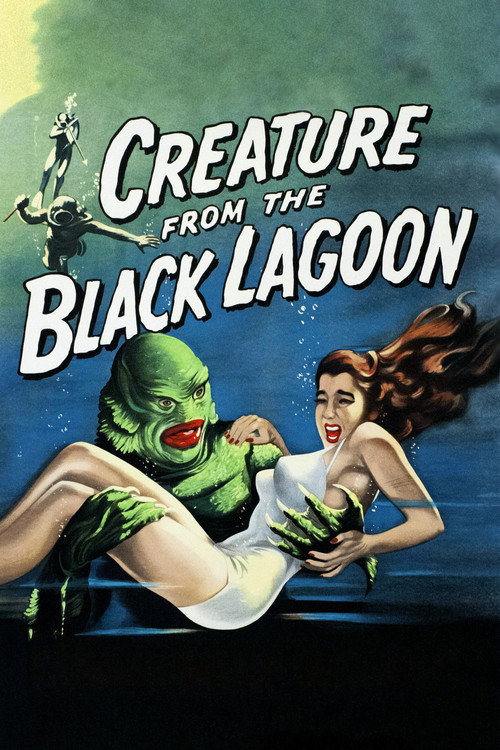
Creature from the Black Lagoon1954
Universal's 1950s monster in its element—a creature that inspires genuine sympathy despite the havoc it wreaks. Shot in 3D, it has a dreamlike, graceful menace that influenced everything that came after.
But The human plot is thin and the gender politics are firmly of its era. Some of the underwater sequences feel slow by modern standards.
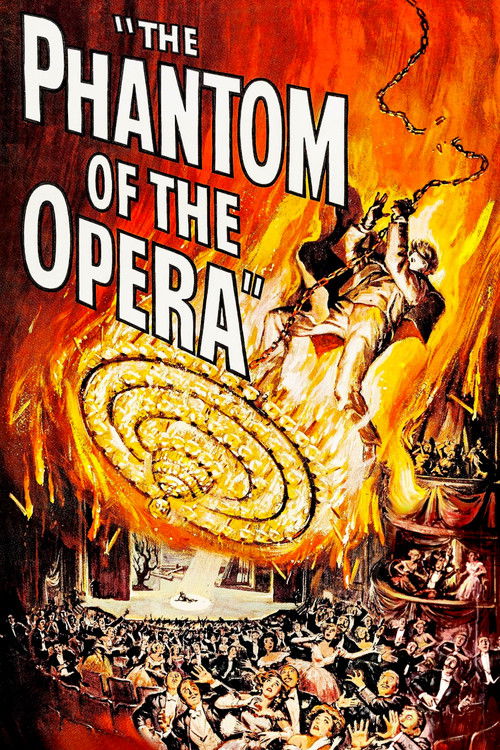
The Phantom of the Opera1962
Hammer's Cushing again, this time as the tragic disfigured genius. Fisher directs with operatic sweep, the sets are magnificent, and there's genuine pathos beneath the Gothic machinery. It asks what we owe to beauty and genius when they're twisted.
But The second half softens the horror in favour of melodrama. If you want relentless dread, you'll feel the tonal shift.
Not sure tonight? Get a pick in a minute, starting from The Mummy
The wildcard
Something you would not have found on your own.
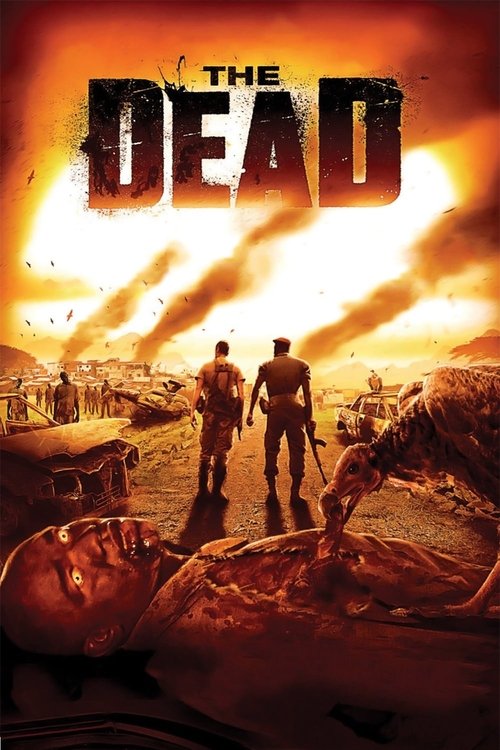
The Dead2010
Both films use a supernatural curse as a frame for exploring what we do to people we love when we don't see them as human—one through vengeance, one through forgetting.
Ford's final film: an elegiac, philosophical zombie drama set in Ireland. It moves at a funeral pace and asks what we remember and what we owe the dead. The undead here are incidental to the real subject: grief and human dignity in dissolution.
But It's quiet, slow, and deliberately minor-key in every sense. There are no scares, no action, just the accumulation of sadness. Some will experience that as profound; others as glacial.
More like this (6)
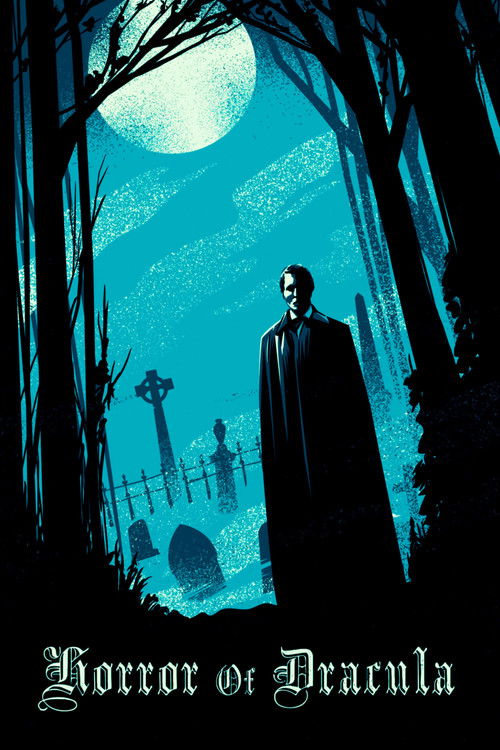
Dracula1958
Hammer's first colour horror and frankly a masterpiece. Cushing and Lee face off in a film that understands both of them perfectly: all suppressed violence and intellectual duel. It redefined vampire cinema.
But Slower paced than you'd expect, with long stretches of talk. If you need constant action, the restraint will feel like stalling.
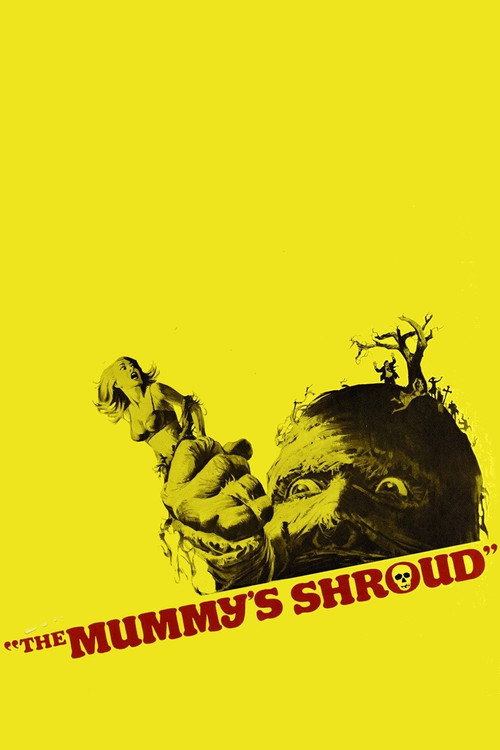
The Mummy's Shroud1967
The third Hammer mummy film and perhaps the strangest. It leans into genuine weirdness, with an odd supporting cast and a plot that doesn't follow the rulebook. Worth it for the sheer strangeness of ambition.
But The weirdness is sometimes the weirdness of not quite working. It has the feel of a film made by people trying something they weren't sure about.
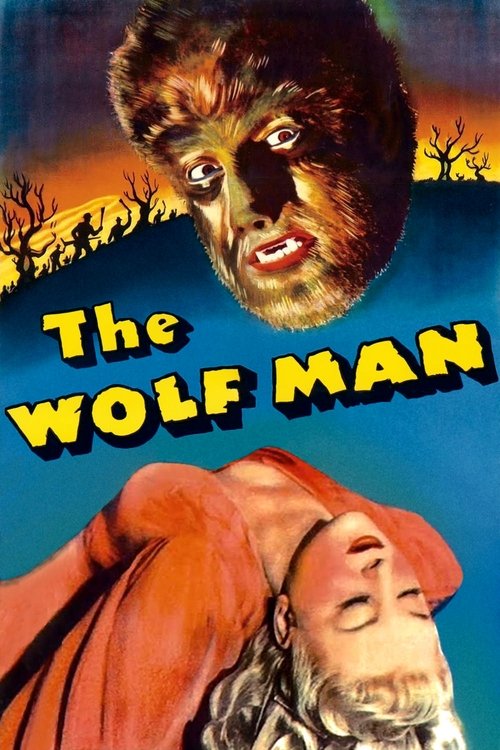
The Wolf Man1941
The Universal classic that set the template for monster sympathies. Lon Chaney Jr. as a man trapped in transformation—it's genuinely tragic, beautifully lit, and the restraint makes the violence land harder.
But It's deliberately paced and shot in shadow-play blacks and whites that won't grab you like colour will. The mythology gets convoluted if you're not paying close attention.
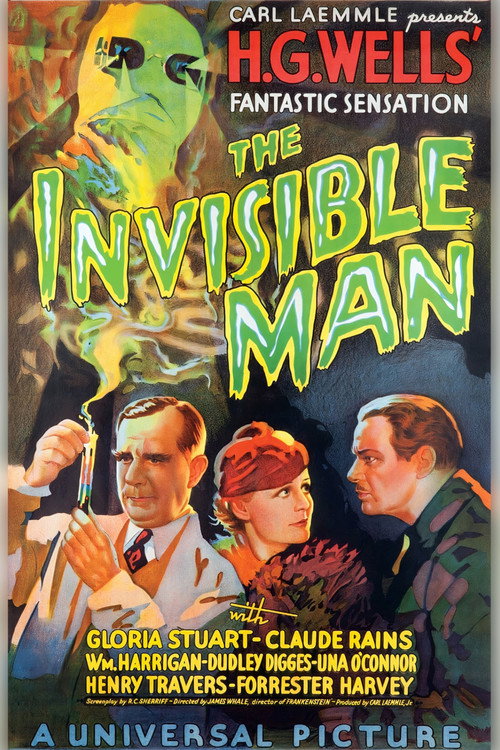
The Invisible Man1933
Universal's sci-fi horror that understands isolation and power corruption. Claude Rains' voice performance carries the entire film—you never see the lead, yet he's utterly present. A technical marvel and a moral tragedy.
But The middle section becomes almost slapstick. The tonal whiplash between horror and comedy will bother you if you came for one thing.
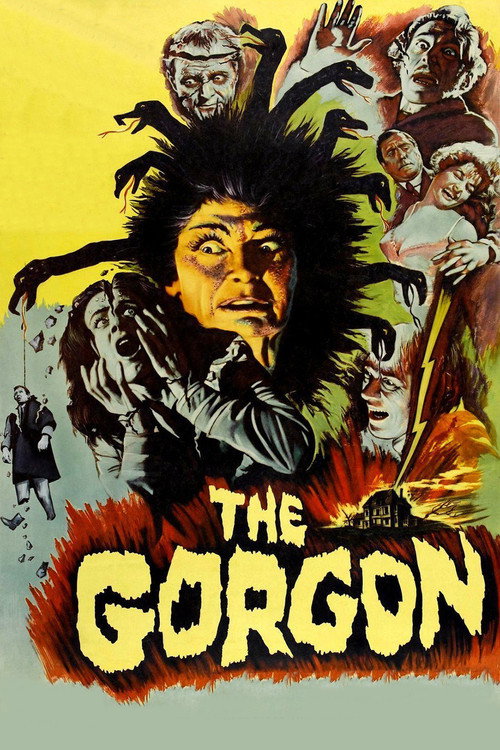
The Gorgon1964
Hammer's lesser-known gem about a woman cursed to turn men to stone. Cushing hunts the creature; there's real atmosphere and the central conceit is used with genuine imagination. A film that deserves more love.
But The plot mechanics strain credibility and the final act feels rushed. It's also quite slow-burn if you're used to modern horror rhythms.
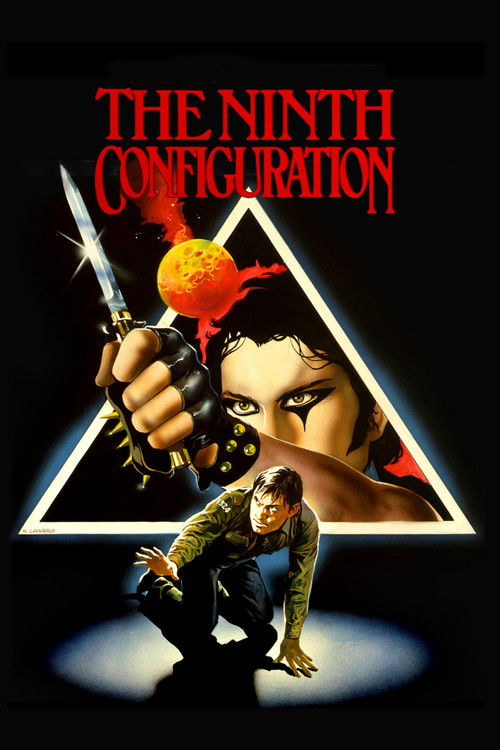
The Ninth Configuration1980
Both use genre machinery (curse, monster, the supernatural) to excavate real pain—love, loss, the torment of being alive in a body. Both suggest the true horror is psychological, not visceral.
William Peter Blatty's film about madness, faith, and psychological horror. It's a war film, a hospital drama, a philosophical investigation, and a ghost story at once—utterly sui generis. The tonal shifts are deliberate and they work.
But It's a baffling hybrid that resists easy categorization. You'll spend much of it wondering what kind of film you're watching, and that ambiguity will either fascinate or alienate you.
People
Cast
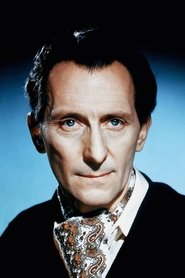 Peter CushingJohn Banning
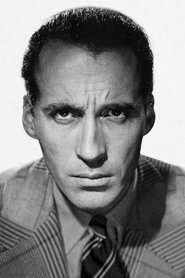 Christopher LeeKharis, the Mummy
 Yvonne FurneauxIsobel Banning / Princess Ananka
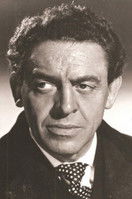 Eddie ByrneInspector Mulrooney
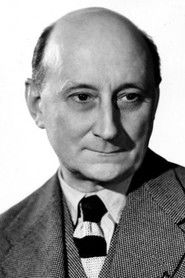 Felix AylmerStephen Banning
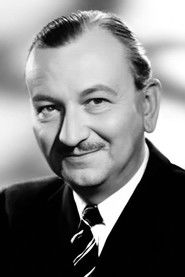 Raymond HuntleyJoseph Whemple
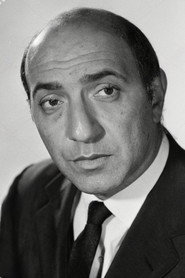 George PastellMehemet Bey
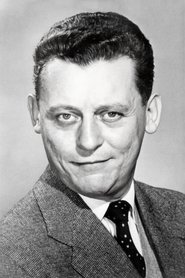 Michael RipperPoacher
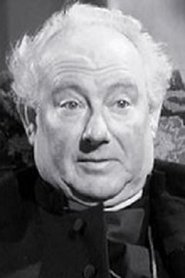 George WoodbridgePolice Constable
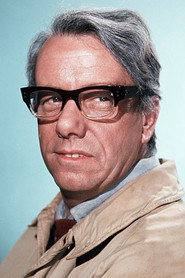
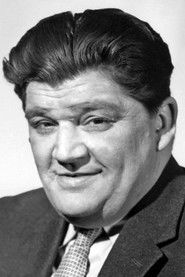 Denis ShawMike
- Gerald LawsonIrish Customer
Directing
- Terence FisherDirector
Writing
- Griffin JayOriginal Film Writer
- John L. BalderstonOriginal Film Writer
- Maxwell ShaneOriginal Film Writer
- Nina Wilcox PutnamOriginal Film Writer
- Richard SchayerOriginal Film Writer
- Jimmy SangsterScreenplay
Production
- Anthony Nelson KeysAssociate Producer
- Michael CarrerasProducer
- Don WeeksProduction Manager
Recommended by
The Curse of Frankenstein, The Brides of Dracula, The Evil of Frankenstein, The Gorgon, The Reptile, The Revenge of Frankenstein, Frankenstein Must Be Destroyed