
Film
The Evil of Frankenstein
Peter Cushing's Baron Frankenstein returns to his frozen castle to reclaim his preserved creature, only to have a hypnotist wrest control of the monster for murderous purposes. It's Hammer Horror at its most deliberately theatrical—colorful, energetic, and uninterested in subtlety. Pure pulp entertainment for anyone who loves mad scientists, rubber monsters, and plots that move faster than they make sense.
Should you watch it?
Watch it if you relish gothic Hammer stagecraft, with its fog-bound sets, lurid colour and Peter Cushing playing the Baron as a cold, impatient scientist who treats his own ruin as an inconvenience.
Skip it if you need slow-burning dread or a thoughtful monster, because this is brisk, theatrical melodrama with creaky effects and plenty of operatic villainy.
What it asks of you: Running 87 minutes, it moves briskly and wants little more than your acceptance of stagey sets and a grand, melodramatic tone.
Not sure? Find tonight's pick in a minute.
If you liked this
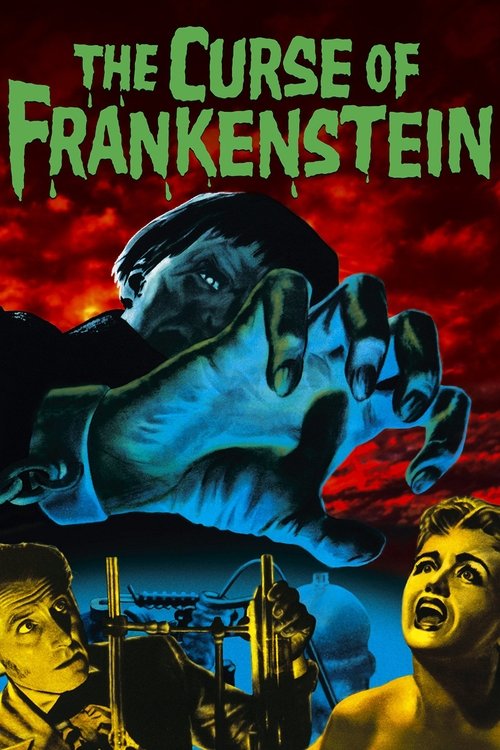
The Curse of Frankenstein1957
The first Hammer Frankenstein film that established the template: Peter Cushing as a charismatic, morally unmoored scientist, lush Technicolor gore, and a creature that's sympathetic despite its ugliness. Essential viewing if you haven't seen it.
But The creature makeup is less impressive than later sequels, and some find Cushing's performance so theatrical it tips into camp before the film intends it to.
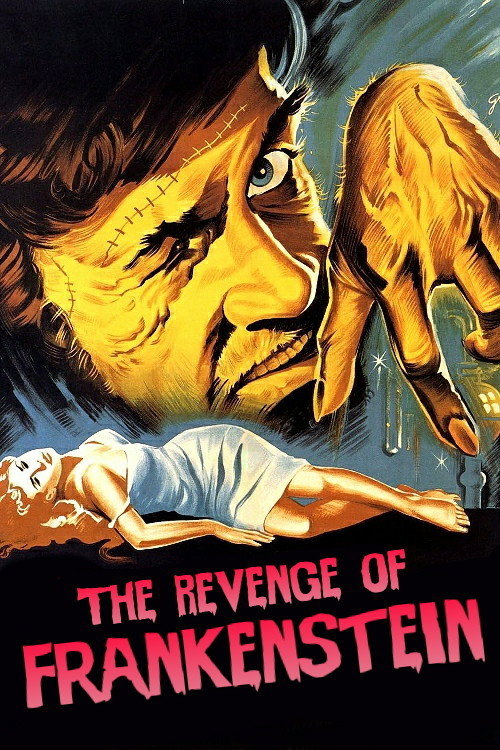
The Revenge of Frankenstein1958
Cushing's second outing refines everything the first film established—better pacing, more ambitious transplant sequences, and a finale that actually earns its tragedy. This is Hammer Horror operating at peak confidence.
But It moves with such speed that character motivation can feel thin, and the social commentary about body horror is blunt rather than subtle.
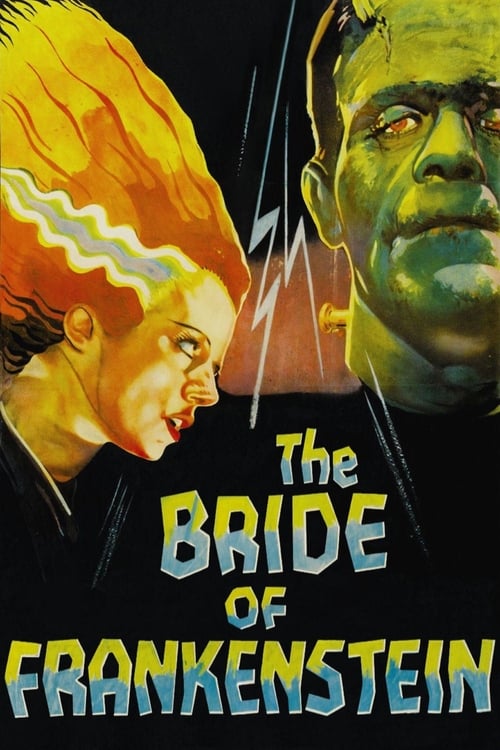
Bride of Frankenstein1935
James Whale's masterpiece remains the definitive Universal monster film. It balances genuine pathos for the creature with moments of dark comedy and technical innovation that still astonish. The bride herself is unforgettable.
But The pacing drags in the middle, and some of the tragic elements land as unintentionally funny to modern eyes, though that's part of its charm.
Not sure tonight? Get a pick in a minute, starting from The Evil of Frankenstein
The wildcard
Something you would not have found on your own.
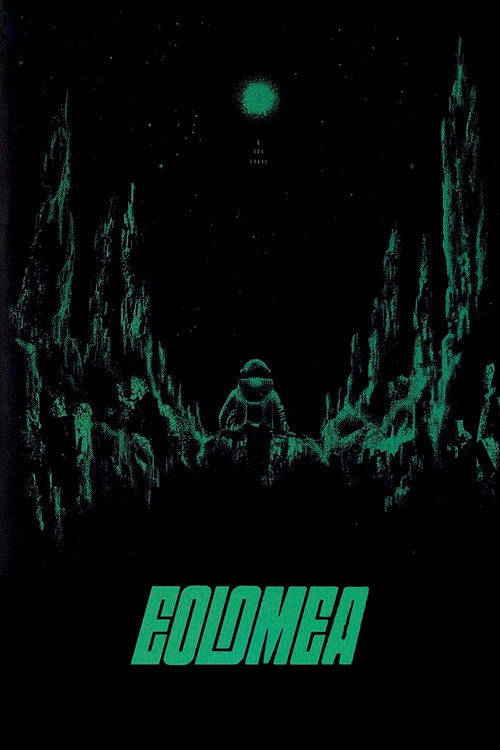
Eolomea1972
Both films are obsessed with the same central question: what makes a person human, and does a reconstructed body contain the reconstructed soul? Eolomea answers it far more disturbingly.
A Romanian science-fiction film about resurrection, bodily autonomy, and what remains of the self when you remake someone from scratch. It's visually striking in ways Hammer never attempted, and deeply unsettling without monsters or gore.
But It's slow, meditative, and thematically opaque—the opposite of Frankenstein's pulpy momentum. It requires patience and tolerates ambiguity in ways mainstream horror doesn't.
More like this (7)
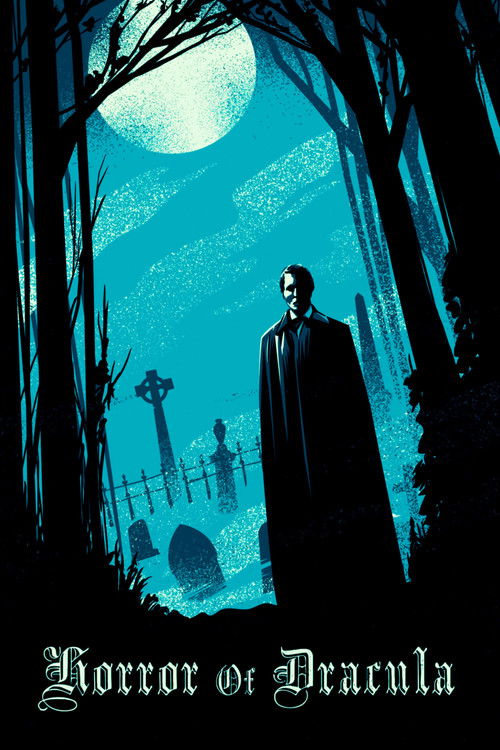
Dracula1958
Hammer's other great monster reboot: Christopher Lee as Dracula is seductive and terrifying in ways the original Universal film never managed. The film itself moves with genuine urgency and visual flair.
But Lee has relatively little screen time, and the film's sexual subtext is dated enough to feel occasionally awkward rather than transgressive.
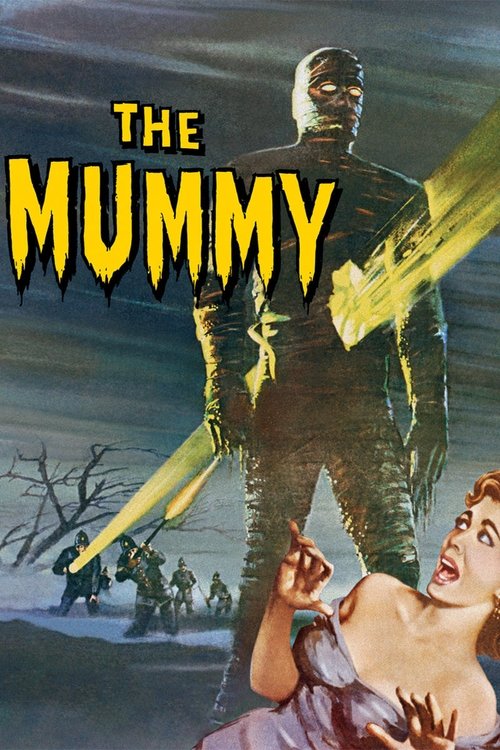
The Mummy1959
Hammer's third monster classic completes a perfect trilogy: Cushing and Christopher Lee in a film that treats its Egyptian setting with genuine visual imagination. The creature design is genuinely grotesque.
But The plot is a straightforward revenge cycle, and some find the film's treatment of archaeology and Egypt patronizing by modern standards.
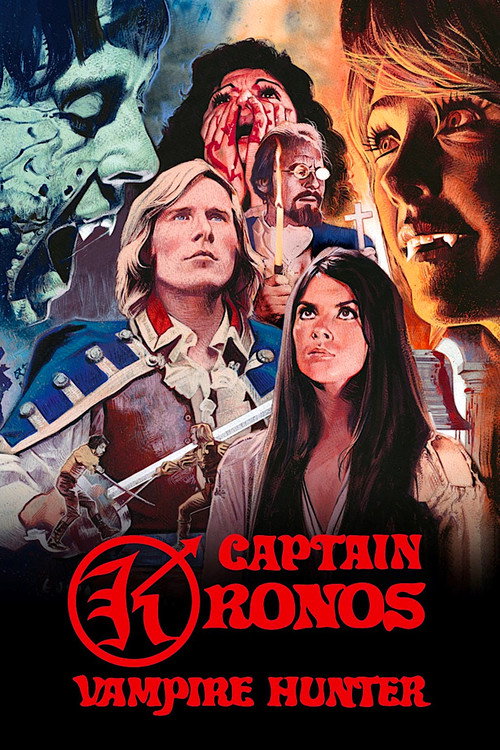
Captain Kronos: Vampire Hunter1973
A late-period Hammer film that reinvents the vampire mythology as sword-and-sorcery adventure. It's weird, colorful, and genuinely inventive in ways the studio's earlier work sometimes wasn't.
But The plot meanders, and the film's cult following is small enough that expectations may not match reality on first viewing.
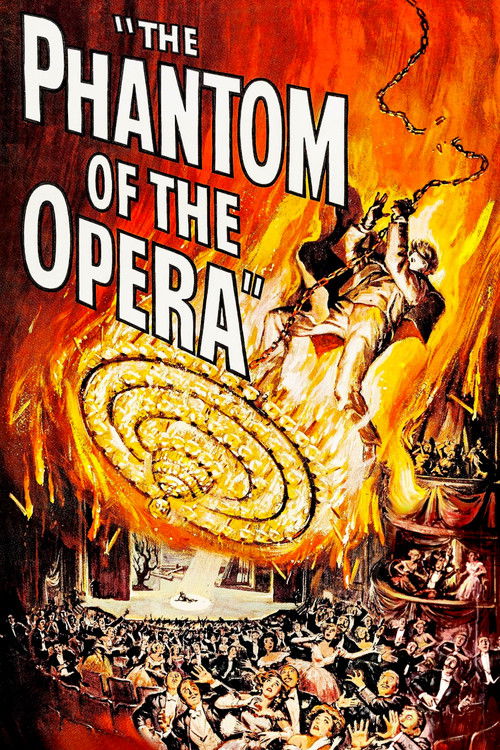
The Phantom of the Opera1962
Herbert Lom as the Phantom in vivid Technicolor, with the kind of operatic excess the story demands. It's trashy in the best way, and the mask reveal is genuinely disturbing.
But The romance feels perfunctory, and the film prioritizes spectacle over character development to a degree that can feel hollow.
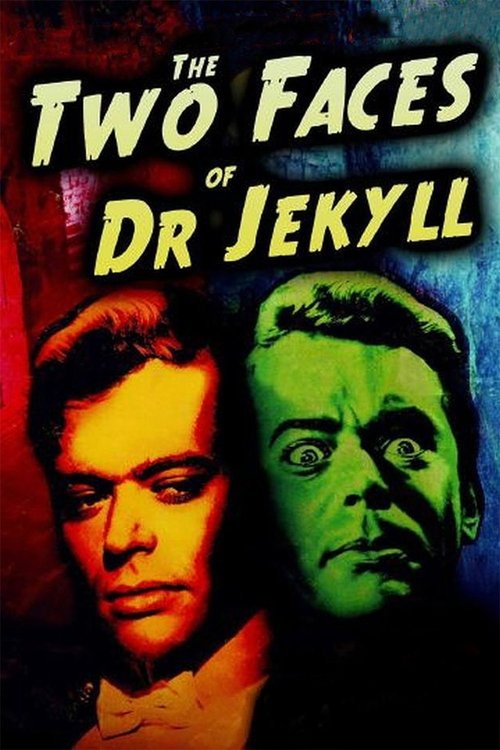
The Two Faces of Dr. Jekyll1960
A Hammer reimagining that inverts the usual morality: the respectable Jekyll is revealed as the monster. It's visually inventive and takes a swing at something thematically different from the source material.
But The inversion is the whole idea, so once you see it coming (which is immediately), there's not much else to hang onto. Some find it disappointingly thin.
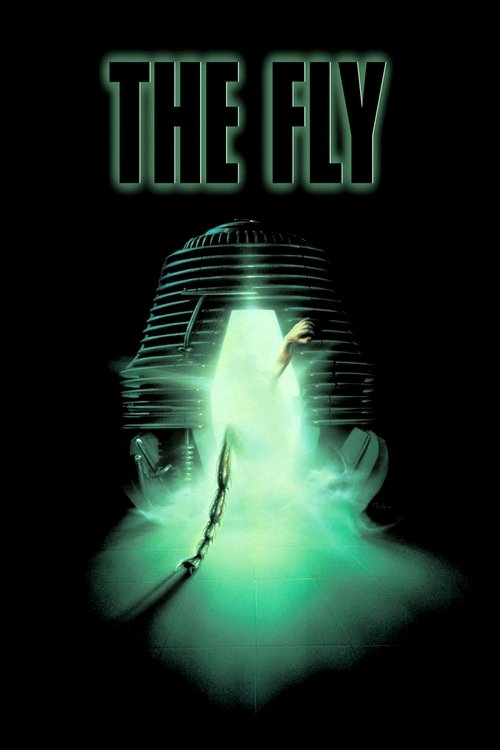
The Fly1986
Both are about a scientist whose experiment destroys his humanity, but where Frankenstein treats this as melodrama, The Fly treats it as tragedy. Same skeleton, opposite register.
Cronenberg's remake takes the body-horror premise seriously in ways 1950s sci-fi never could. It's grotesque, genuinely tragic, and Jeff Goldblum's performance is mesmerizing as a man slowly ceases to be human.
But It's graphic and deeply unpleasant to watch—transformation sequences that don't cut away. Not entertainment in the way Hammer films are; this is suffering.
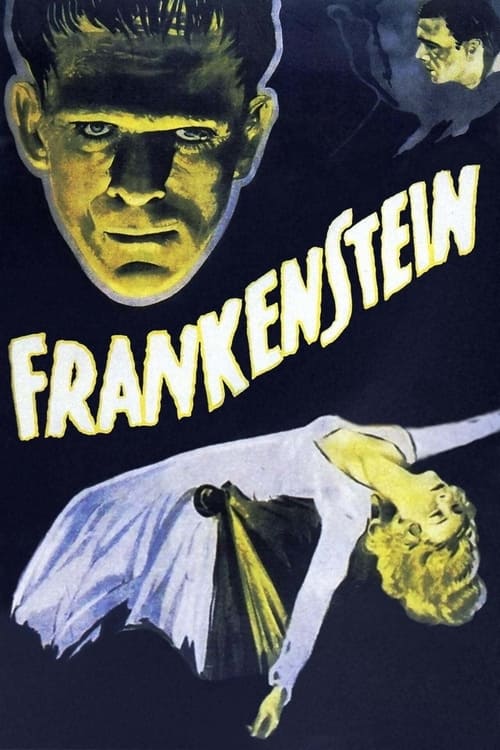
Frankenstein1931
Whale invented the vocabulary Hammer borrowed wholesale, but his film is fundamentally about pathos where Frankenstein is about spectacle. Same ur-text, opposite DNA.
James Whale's original Universal film is where everything started. Boris Karloff's creature is genuinely moving, the black-and-white cinematography is beautiful, and the film itself is surprisingly restrained compared to what followed.
But It's slower and quieter than Hammer's approach, and the creature's limited screen time may frustrate viewers expecting a monster movie rather than a tragedy about creation.
People
Cast
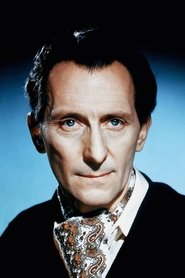 Peter CushingBaron Frankenstein
- Peter WoodthorpeProf. Zoltan
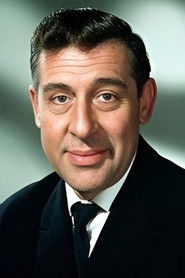 Duncan LamontKarlstaad
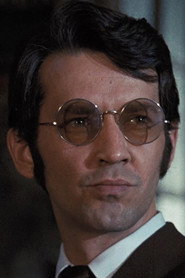 Sandor ElèsHans
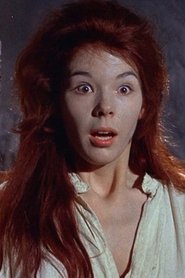 Katy WildBeggar Girl
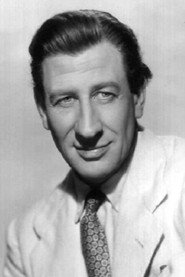 David HutchesonBürgermeister
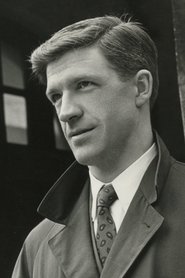 James MaxwellPriester
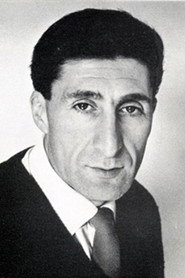 Howard GoorneyDrunk
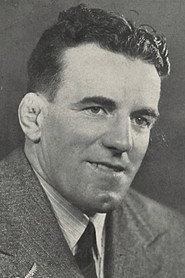 Kiwi KingstonThe Monster
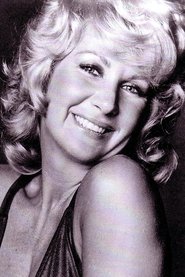 Caron GardnerBurgermeister's Wife
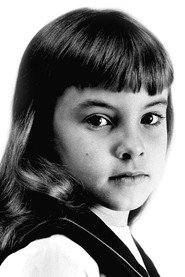 Tracy StratfordRena as a Child (uncredited)
- Tony ArpinoBody Snatcher (uncredited)
Directing
- William P. CartlidgeAssistant Director
- Pauline HarlowContinuity
- Freddie FrancisDirector
- Hugh HarlowSecond Assistant Director
Writing
- Mary ShelleyCharacters
- Anthony HindsScreenplay
Production
- Anthony HindsProducer
- Don WeeksProduction Manager
Recommended by
The Curse of Frankenstein, The Brides of Dracula, The Revenge of Frankenstein, Frankenstein Must Be Destroyed