
Film
Camille 2000
A 1969 reimagining of *La Dame aux Camélias*, set in swinging Paris. Gaubert's Marguerite—a courtesan caught between pleasure and genuine feeling—navigates desire, social ruin, and the impossible choice between love and respectability. Lush, melancholic, and surprisingly tender.
Should you watch it?
Watch it if you are moved by melodrama played straight, where lavish costumes, operatic emotion and slow-burning romantic yearning carry the story more than plot ever could.
Skip it if you want a brisk pace or modern restraint, since at 130 minutes its heightened sentiment and stagey performances can feel slow and overwrought.
What it asks of you: Settle in for a long, unhurried sitting, with the emotional beats arriving slowly and the mood staying steadily wistful rather than lightening up.
Not sure? Find tonight's pick in a minute.
If you liked this
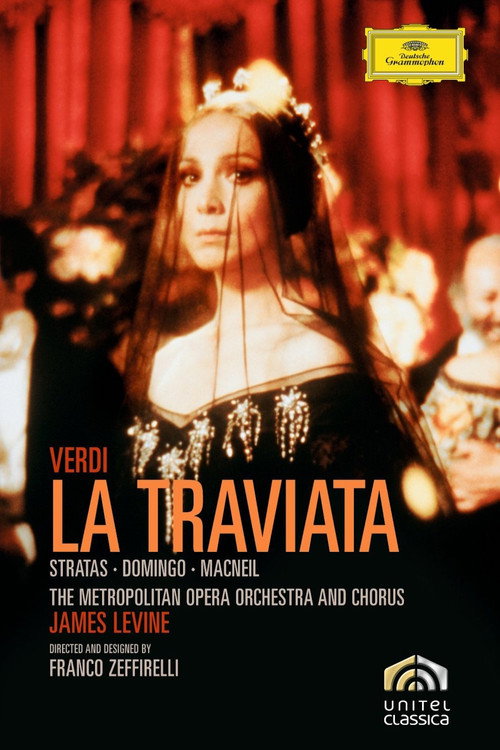
La traviata1982
Zeffirelli's operatic take on the same story. Placido Domingo and Teresa Stratas deliver heartbreaking performances, the visuals are sumptuous, and it deepens the tragedy through Verdi's music.
But Nearly three and a half hours; if opera feels like a commitment, this asks even more of you.
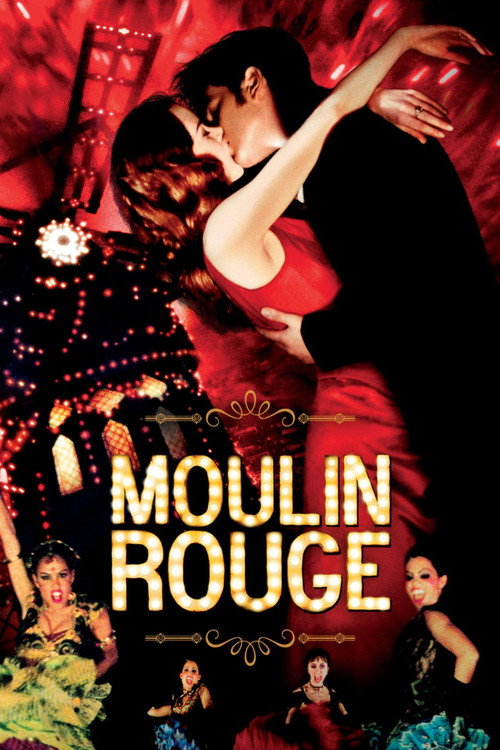
Moulin Rouge!2001
Baz Luhrmann's feverish musical adaptation of the same source material. Ewan McGregor and Nicole Kidman combust on screen, and the energy is infectious and visually intoxicating.
But The style is relentless; if you find the maximalism exhausting, it never lets up for a breath.
Belle de Jour1967
Buñuel's masterpiece about desire and its costs, with Deneuve as a woman split between bourgeois comfort and forbidden longing. Hypnotic and strange in ways that linger.
But It doesn't explain itself. The dream logic and refusal to offer moral clarity frustrate those wanting straightforward narrative.

Not sure tonight? Get a pick in a minute, starting from Camille 2000
The wildcard
Something you would not have found on your own.
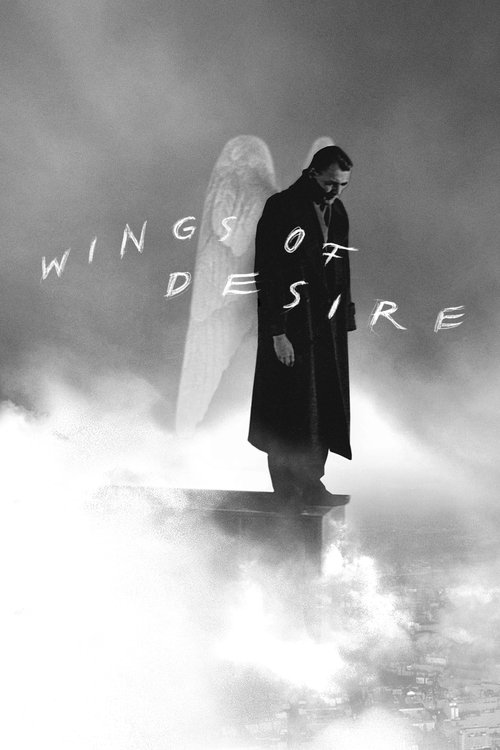
Wings of Desire1987
Both are about the impossible arithmetic of love—the longing to be part of something you know will destroy you, and the question of whether it's worth it.
Wim Wenders' Berlin poem about angels watching mortals below. Gaubert's Marguerite and Damiel's angel-made-human both face the same choice: observe life or enter it, knowing what it costs.
But It's cryptic and slow. The narrative barely exists; it's a meditation dressed as a story, and some find that frustrating.
More like this (6)
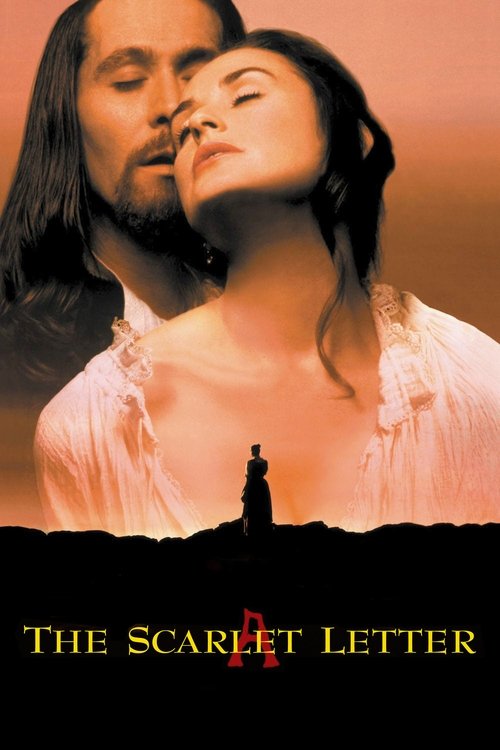
The Scarlet Letter1995
Demi Moore in a loose, sensual reworking of Hawthorne. Visually gorgeous, genuinely erotic, and interested in how desire and judgment collide in a hypocritical society.
But The plot tangles itself; the film is more concerned with mood and atmosphere than narrative coherence, which some find indulgent.
Dangerous Liaisons1988
Malice and seduction in 18th-century France. Glenn Close and John Malkovich are predatory and magnetic; the film finds intelligence in moral corruption.
But The tone is ice-cold. If you want warmth alongside the romance, you'll find none here.

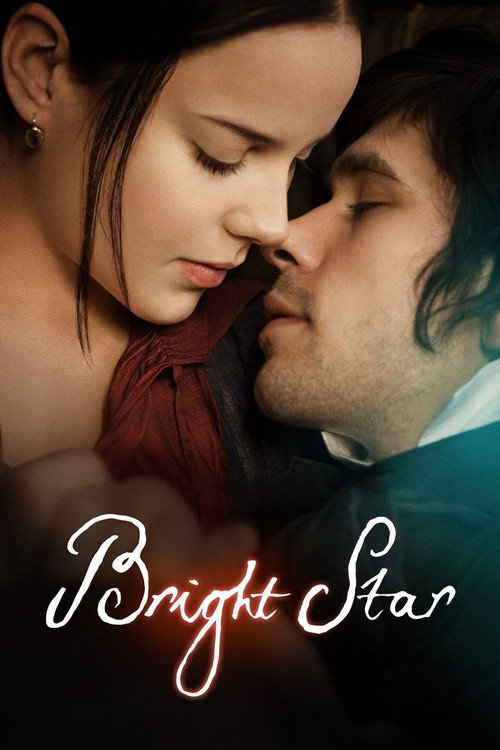
Bright Star2009
Jane Campion's portrait of Keats and Fanny Brawne. Intimate, visually exquisite, and deeply felt about how love and art consume each other.
But The pacing is deliberate and spare; if you want plot momentum or narrative complications, this is contemplative to a fault.
The Ballad of Little Jo1993
A widow passes as a man in the Old West. Maggie Sinclair is quietly superb, the cinematography is stunning, and it's a meditation on identity, survival, and the self you have to become.
But It's meditative and morally ambiguous. The ending doesn't resolve neatly, which some find unsatisfying.

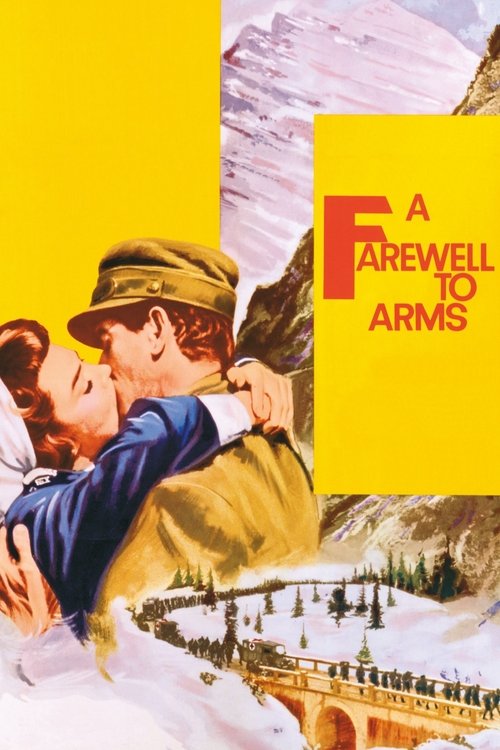
A Farewell to Arms1957
Hudson and Peck in Selznick's sweeping WWI romance. The scale is grand, the tragedy is genuine, and it captures the desperation of loving in a time of ruin.
But The emotional restraint is very of its era. Modern viewers may find it stiff and overly polite for a story about such raw grief.
Hiroshima Mon Amour1959
Both films understand that the deepest love stories are about people who cannot be together, and both find their power in that sacrifice—not as melodrama, but as fate.
Alain Resnais and Marguerite Duras on memory, desire, and the impossibility of truly knowing another person. Two strangers in postwar Hiroshima—a French actress and a Japanese architect—collide and implode in 90 minutes. Formal, sensual, devastating.
But Densely literary and experimental; the structure mirrors fractured memory rather than following plot, which reads as inaccessible to many.

People
Cast
 Danièle GaubertMarguerite Gautier
 Nino CastelnuovoArmand Duval
 Eleonora Rossi DragoPrudence
 Roberto BisaccoGastion
 Massimo SeratoArmand's father
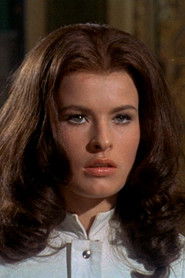 Silvana VenturelliOlympe
- Zachary AdamsGody
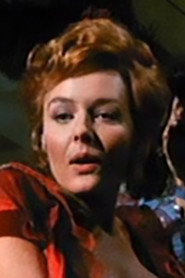 Dominique BadouMessenger
 Peter ChatelMarguerite's Friend
- Virginia RodinMarguerite's Friend
 Enzo FiermonteGambler
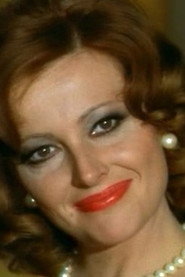 Graziella GalvaniVillage Girl
Directing
- Francesco CinieriAssistant Director
- Radley MetzgerDirector
- Tomaso ShermanSecond Assistant Director
Writing
- Alexandre Dumas filsNovel
- Michael DeForrestScreenplay
Production
- Radley MetzgerProducer
- Enrico SabbatiniProduction Designer