
Film
Four Flies on Grey Velvet
Dario Argento's 1971 giallo about a drummer framed for murders he didn't commit. Stylish, paranoid, and propulsive—a puzzle-box thriller that trusts you to keep up. The plot twists aggressively; the cinematography is gorgeous and strange. For fans of 70s European horror and anyone who loves being actively confused in the best way.
If you liked this
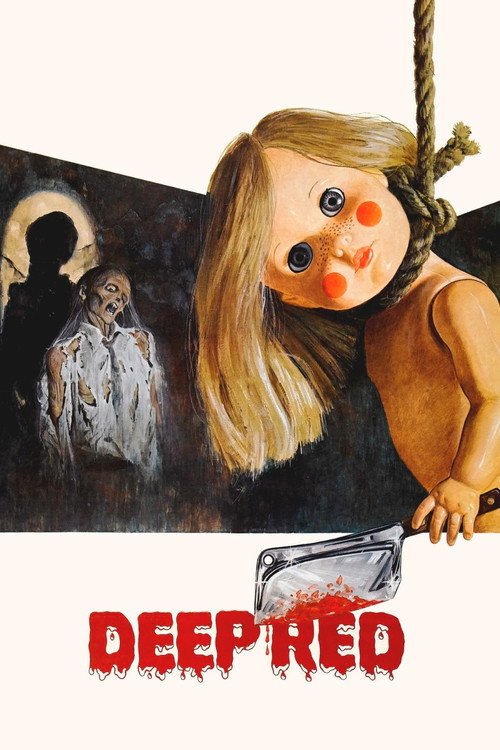
Deep Red1975
Argento's masterpiece about a pianist who witnesses a murder and becomes entangled in a web of secrets. If you loved Four Flies' atmosphere and twist logic, this is the next level—more confident, more brutal, utterly hypnotic.
But Nearly two-and-a-half hours long and the plot requires real attention. Also quite violent, in ways that feel deliberate rather than incidental.
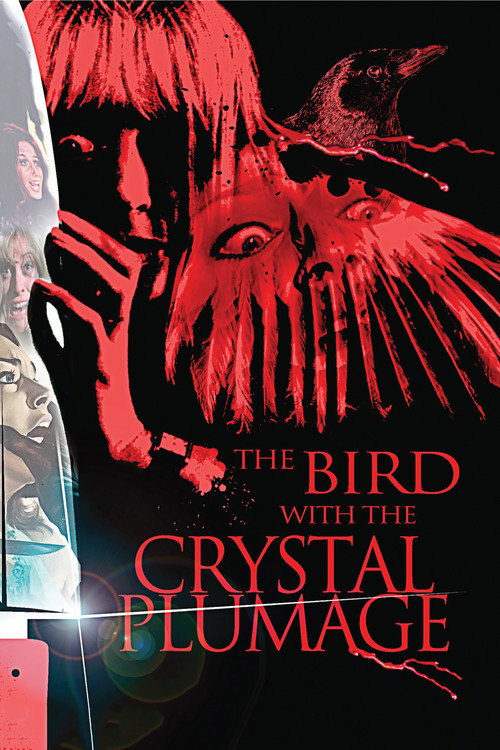
The Bird with the Crystal Plumage1970
Argento's giallo debut that defined the template: a witness to violence becomes the hunted. Lean, clever, visually inventive. The logic is airtight and the tension never quits. An essential precursor to understand where Four Flies came from.
But Some of the sexual violence is uncomfortably casual by modern standards. Also subtitled, which isn't for everyone.
Suspiria1977
Argento's dreamlike masterwork about a student at a dance academy that harbors dark secrets. Abandons plot logic for pure atmosphere and visual dread. If Four Flies showed you Argento the puzzle-maker, this is Argento the poet.
But The narrative is deliberately vague and dreamlike—some viewers find it frustrating rather than hypnotic. The synthesizer score is extremely loud and not to all tastes.

Not sure tonight? Get a pick in a minute, starting from Four Flies on Grey Velvet
The wildcard
Something you would not have found on your own.
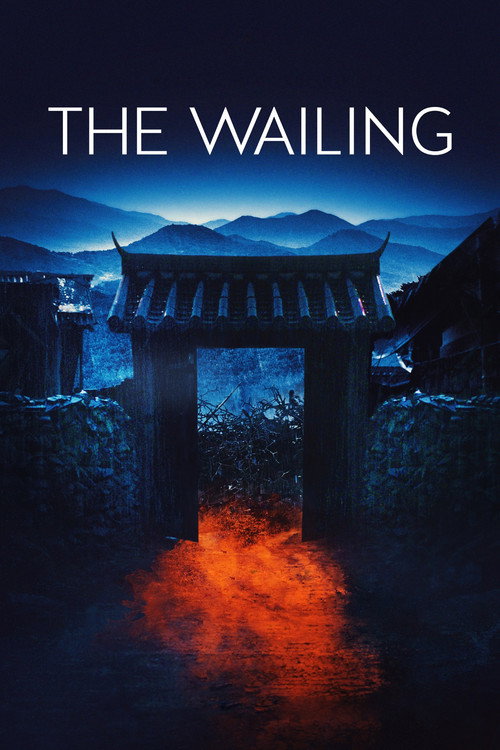
The Wailing2016
Both are mysteries where the protagonist is framed and hunted. Both structures turn on the unreliability of perception and evidence. Both ask: what do you actually know?
A Korean mystery-horror about a village plagued by murders and a mysterious stranger. The same paranoid logic as Four Flies—anyone could be guilty, the mystery folds in on itself—but in a completely different cultural register and visual language. Operates at profound depth.
But Nearly three hours long. The plot is genuinely labyrinthine and some viewers feel it collapses under its own complexity. Requires active engagement and rewards rewatching.
More like this (8)
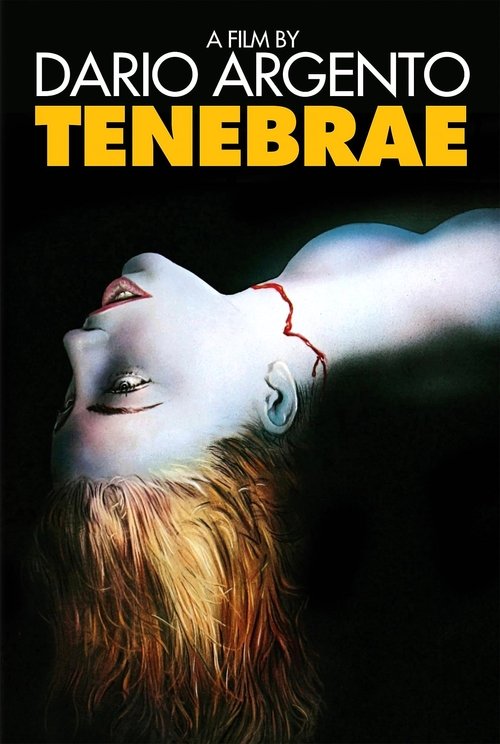
Tenebre1982
A writer researching a series of murders becomes the killer's obsession. Lean and vicious, with some of the most inventive kill sequences in giallo cinema. Argento firing on all cylinders about artistic obsession and violence.
But Graphically violent in specific, memorable ways. Very much a product of its time in how it handles women and their bodies.
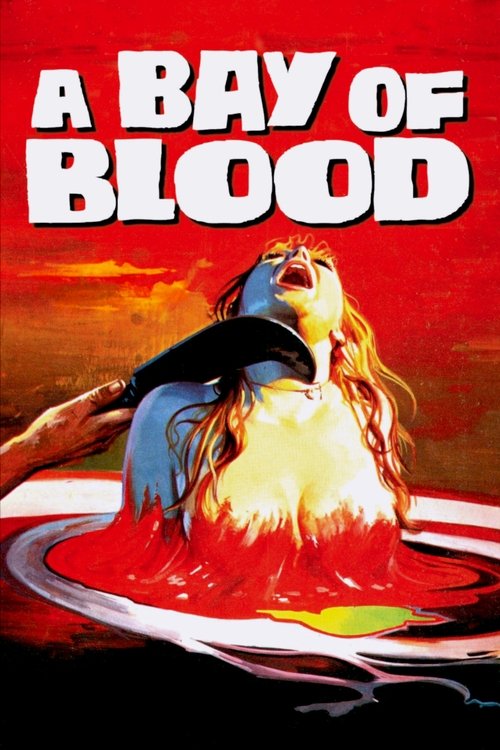
A Bay of Blood1971
Bava's proto-slasher about property disputes and serial murder around a bay. Influenced giallo and slashers alike. Crueler and more efficient than Four Flies, with a darkly comic edge about human greed and casual evil.
But The plot is genuinely confusing because there are so many murders and agendas overlapping. Some find that thrilling; others exhausting.
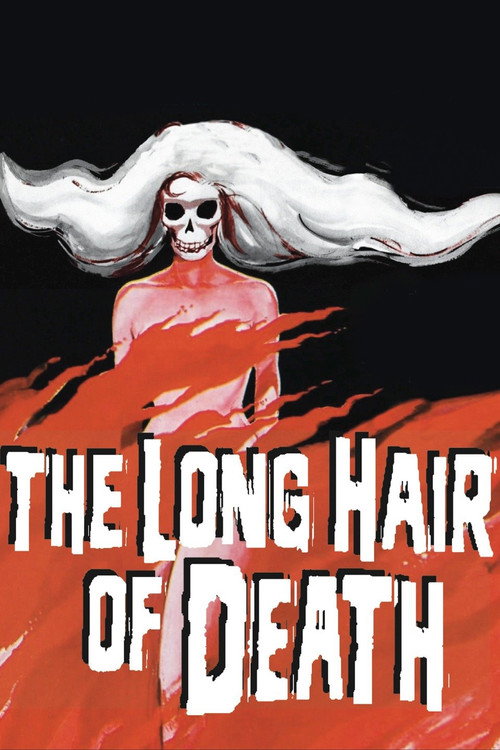
The Long Hair of Death1964
A woman returns from the dead to avenge her execution, in a witchcraft mystery that prefigures giallo's visual language. Gorgeous colour cinematography and a genuine atmosphere of curse and doom. Slower-burn but hypnotic.
But The pacing is genuinely slow by modern standards. Also in Italian with dubbing that can feel thin.
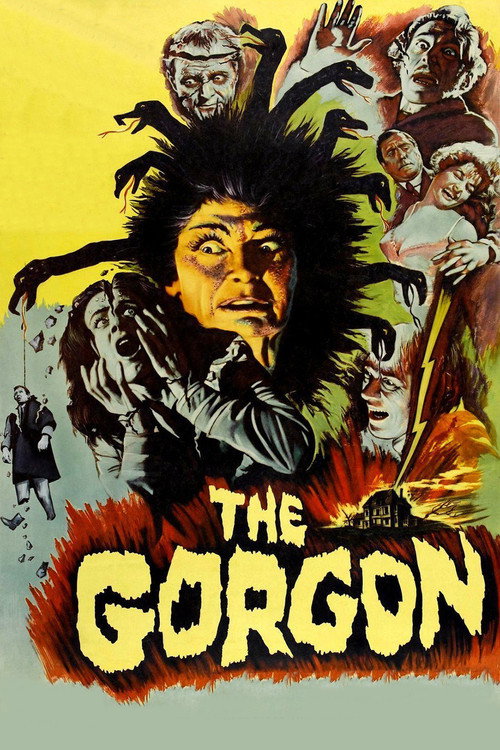
The Gorgon1964
A creature feature with the visual grammar and paranoia of a murder mystery. Hammer Films at their most stylish, with a secret identity twist that lands. That rare film that's both elegant and genuinely creepy.
But It's more of a classic monster movie than a thriller. The Gorgon herself doesn't appear until very late, which some find disappointing.
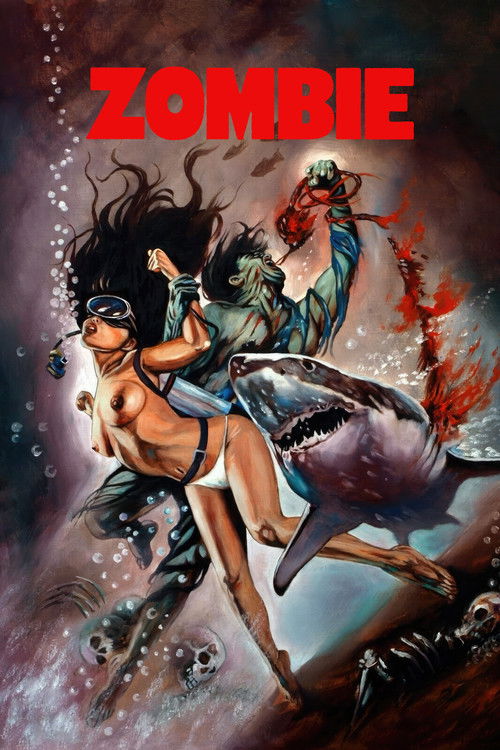
Zombie Flesh Eaters1979
Lucio Fulci's splatter masterpiece about a Caribbean island overrun with the undead. Grotesque and hypnotic in equal measure. If you want giallo's visual sophistication applied to body horror and existential dread.
But Extremely gory and nihilistic. The plot barely exists. Some of the practical effects are so ambitious they occasionally look unconvincing.
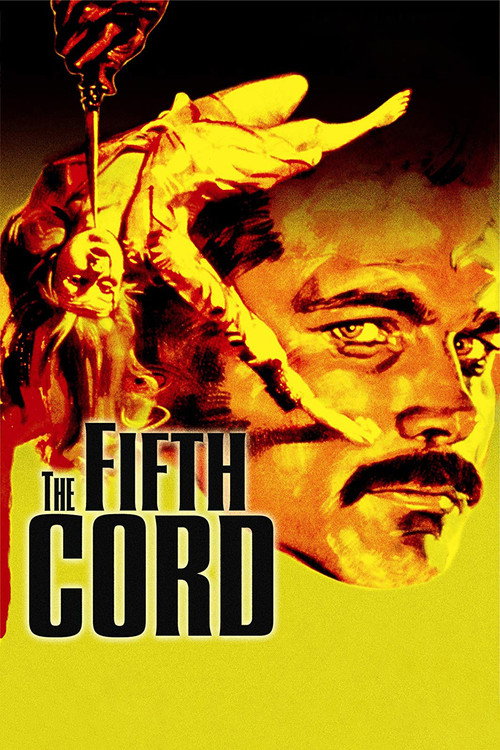
The Fifth Cord1971
A journalist tries to solve a series of brutal attacks. Giallo's paranoia cranked up: everyone's a suspect, including possibly himself. A real puzzle with genuine surprises, and a meditation on guilt and obsession.
But The climax is deliberately ambiguous in a way that frustrates some viewers. Also quite violent and cold in affect.
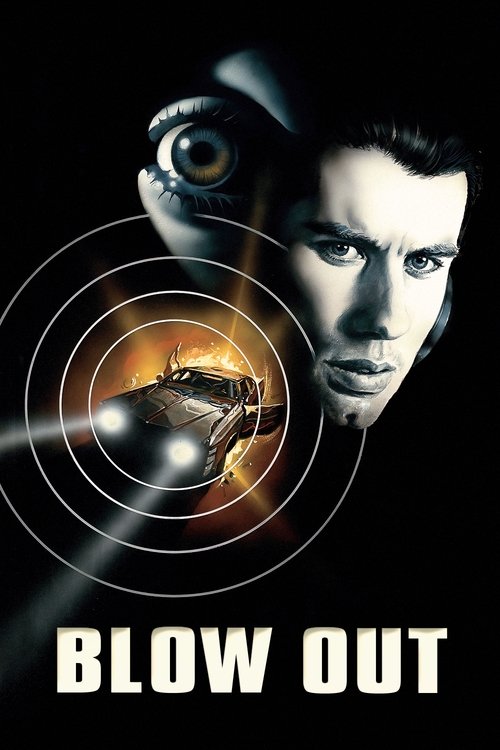
Blow Out1981
Both use visual/audio evidence as the engine of the plot. Both are about a man who witnesses something he shouldn't and becomes the hunted. Both are passionate about the *grammar* of cinema itself.
De Palma's masterpiece about a sound engineer who captures a political assassination on tape and becomes hunted. American paranoia thriller that worships at the altar of Hitchcock and Italian giallo. Visually gorgeous, structurally perfect, genuinely terrifying.
But Very much a 1980s film in its sexual politics. Also quite long at 107 minutes. Some find De Palma's style overwrought.
Possession1981
Both are about someone framed and hunted. Both use visual style to express psychological torment. Both are obsessed with how bodies and violence tell stories that words cannot.
Andrzej Żuławski's fever dream about a marriage collapsing into literal demonic possession. Raw, transgressive, visually violent in ways that have nothing to do with gore. Giallo's logic of obsession and violence pushed into psychological horror and body-destruction art.
But Aggressively weird and unpleasant. The film treats the camera like a weapon. Some find it brilliant; others exhausting and self-indulgent. Not a fun night.

People
Cast
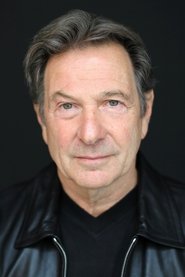 Michael BrandonRoberto Tobias
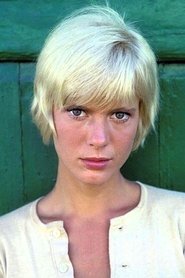 Mimsy FarmerNina Tobias
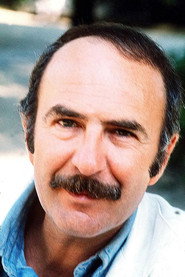 Jean-Pierre MarielleGianni Arrosio
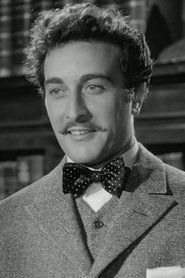 Aldo Bufi LandiPathologist
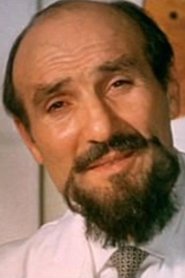 Calisto CalistiCarlo Marosi
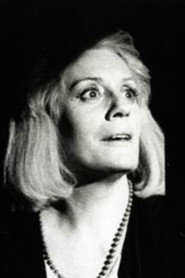 Marisa FabbriAmelia, the Maid
 Oreste LionelloThe Professor
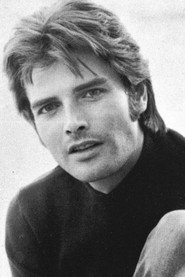 Fabrizio MoroniMirko
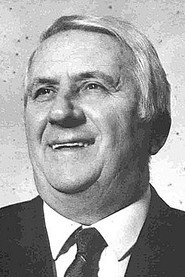 Corrado OlmiPorter
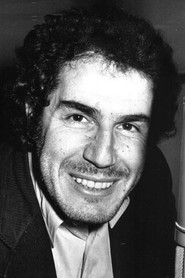 Stefano Satta FloresAndrea
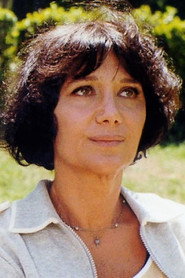 Laura TroschelMaria
 Francine RacetteDalia
Directing
- Luigi CozziAssistant Director
- Roberto ParianteAssistant Director
- Dario ArgentoDirector
- Patrizia ZuliniScript Supervisor
Writing
- Dario ArgentoScreenplay
- Dario ArgentoStory
- Luigi CozziStory
- Mario FogliettiStory
Production
- Carlo Du BoisAdministration
- Salvatore ArgentoProducer
- Angelo IaconoProduction Manager
- Carlo CucchiProduction Secretary
- Roberta LeoniProduction Secretary
- Giuseppe MangognaUnit Manager