
Film
Torso
- Slasher
- Serial killer
- Thriller
- Very dark
Torso is a 1973 Italian giallo that trades plot coherence for raw visual excess. It's a slasher ancestor told almost entirely through atmosphere, sound design, and killing. Simultaneously a proto-feminist story about women defending themselves and a deeply misogynistic film—uncomfortable in ways that compound rather than resolve. For those who can stomach exploitation as historical artifact and artistic experience.
If you liked this
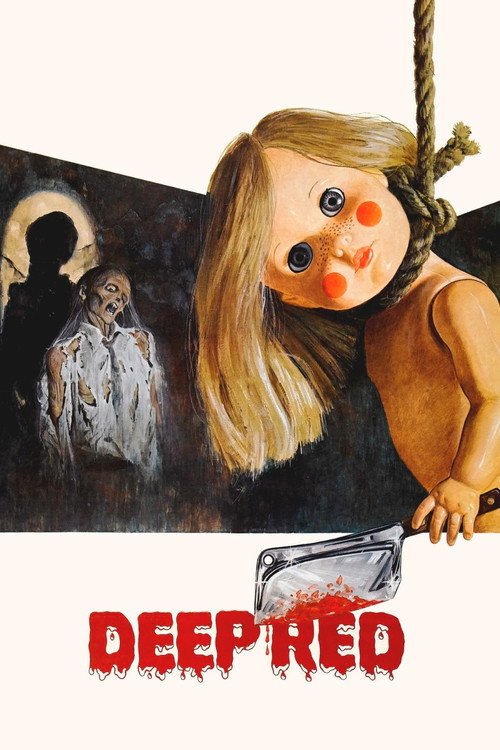
Deep Red1975
Dario Argento's masterpiece of giallo craft: a pianist witnesses a murder and descends into a byzantine conspiracy. Immaculate color cinematography, a pounding score, and a mystery that actually pays off. This is what the genre aspires to.
But The logic is knotted and the violence toward women is spectacular rather than incidental. You need patience for 1970s pacing and Italian dubbing.
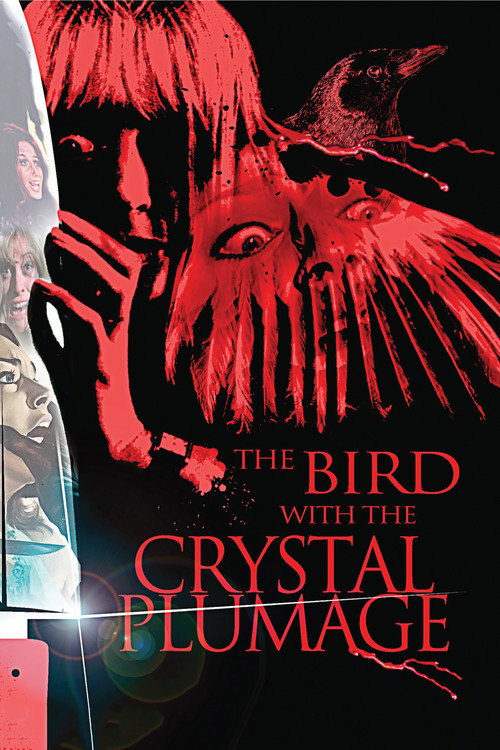
The Bird with the Crystal Plumage1970
Argento's giallo debut, tighter and more playful than its successors. An American in Rome witnesses a murder through a gallery window and becomes entangled in a stylish, paranoid mystery. Inventive kills and genuine ingenuity.
But The plot hinges on coincidence bordering on nonsense. If you need airtight narrative logic, move on.
Suspiria1977
Argento's most celebrated work: a ballet student arrives at a prestigious academy and discovers it harbors something ancient and wrong. Overwhelming production design, a synth score that rewires your nervous system, and pure visual terror without needing gore.
But The story is thin. Dialogue and acting are deliberately flat. Some find it beautiful precisely because of these things; others find it frustrating.

Not sure tonight? Get a pick in a minute, starting from Torso
The wildcard
Something you would not have found on your own.
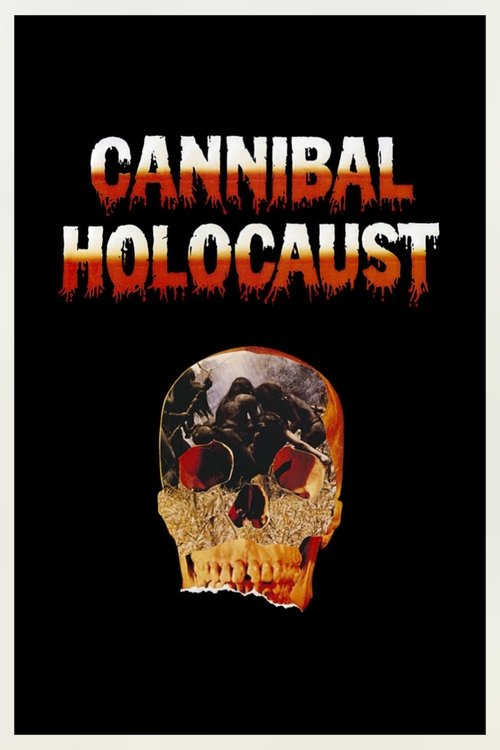
Cannibal Holocaust1980
Both are 1970s exploitation that refused to sanitize violence into entertainment, using the camera as a weapon rather than a window. Both force the viewer into complicity.
An anthropology team disappears in the Amazon; a professor recovers their footage and watches it unfold. Structurally transgressive (found footage in 1980), deliberately moral-free in ways that force you to interrogate your own discomfort. A landmark provocation.
But Real animals are killed onscreen. The sexual violence is graphic and humiliating. It's brutal in ways that don't wink—you cannot watch this guiltlessly, and that's deliberate.
More like this (8)
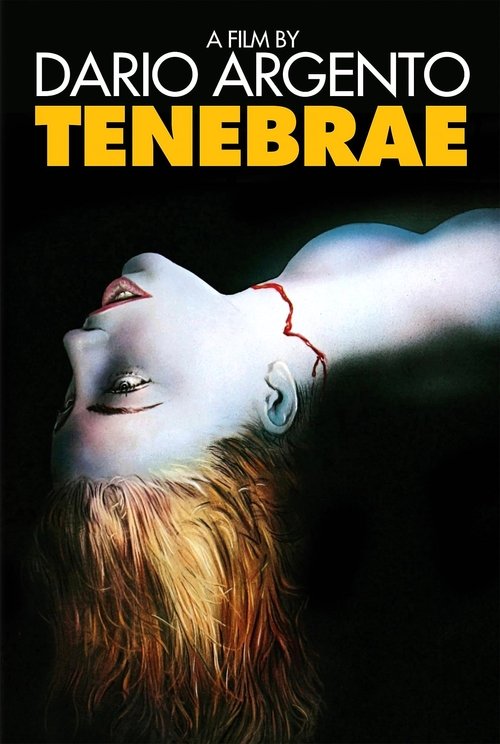
Tenebre1982
A thriller about an author whose books are being used as blueprints for a series of murders. Argento at maximum technical control: the camerawork is phenomenal, the mystery has actual surprises, and the kills are hideous and inventive.
But It's extremely violent and extremely nasty. The misogyny is integral to the film in ways that don't let you off the hook with irony.
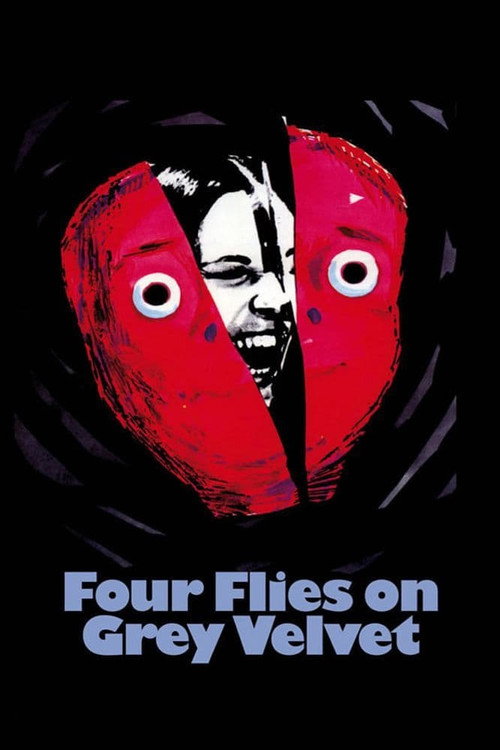
Four Flies on Grey Velvet1971
A rock drummer witnesses a murder and becomes both investigator and target. More playful and less grueling than later gialli, with genuine humor and a witty script. The mystery unfolds with real craft.
But The tone is uneven—it can't decide if it's thriller or comedy. Some of the whimsy will feel dated and awkward.
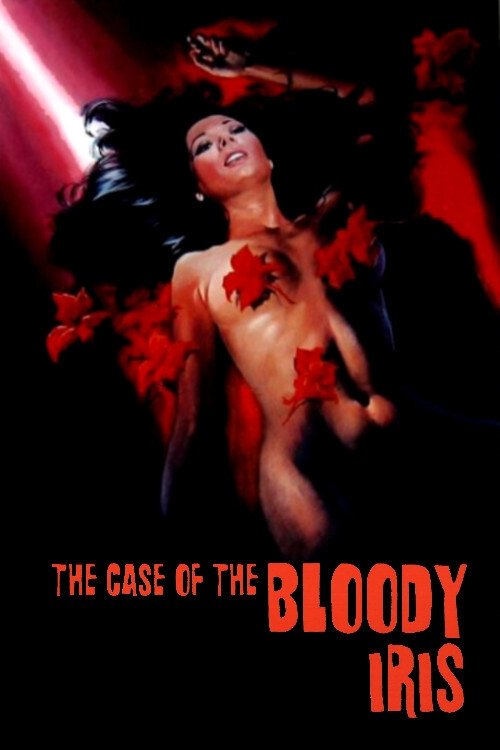
The Case of the Bloody Iris1972
A woman moves into an apartment where the previous tenant was brutally murdered. Effective paranoia, genuine suspense, and a mystery that doesn't telegraph its solution. Luc Merenda (who appears in Torso) is excellent.
But It's more conventional than high-concept giallo. If you're looking for Argento-level visual innovation, you'll find capable but straightforward direction.
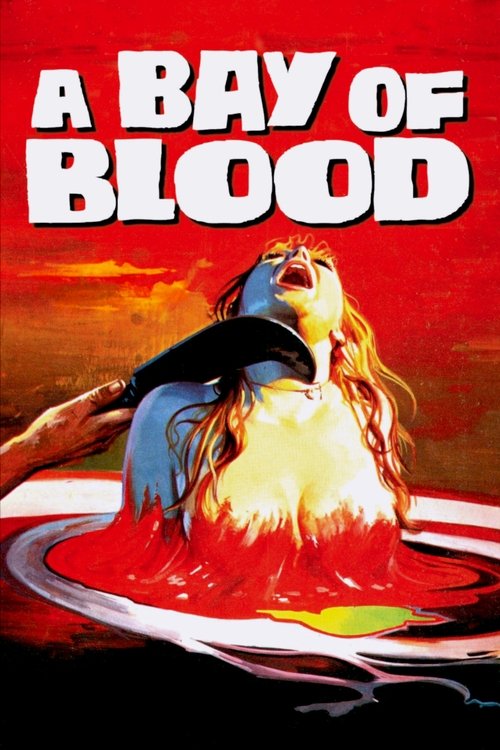
A Bay of Blood1971
Bava's proto-slasher: multiple killers, multiple motives, bodies stacking up around a piece of contested lakefront property. Treats murder as almost casual, and invents most of the slasher template twenty years early. Darkly funny.
But The editing is frenetic and sometimes confusing. The tone is so detached it can feel cold rather than thrilling. The ending is abrupt.
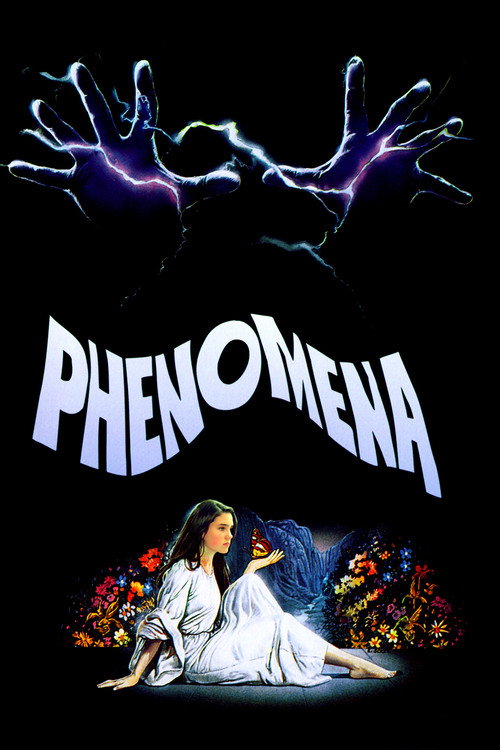
Phenomena1985
A girl who can communicate with insects arrives at a Swiss boarding school where students are being murdered. Maximalist Argento: operatic, grotesque, bewilderingly ambitious. Jennifer Connelly and a chimpanzee are your unlikely heroes.
But The plot is nonsense. The dubbing is weird. The premise sounds ridiculous because it is. You have to give yourself over to the fever dream of it.
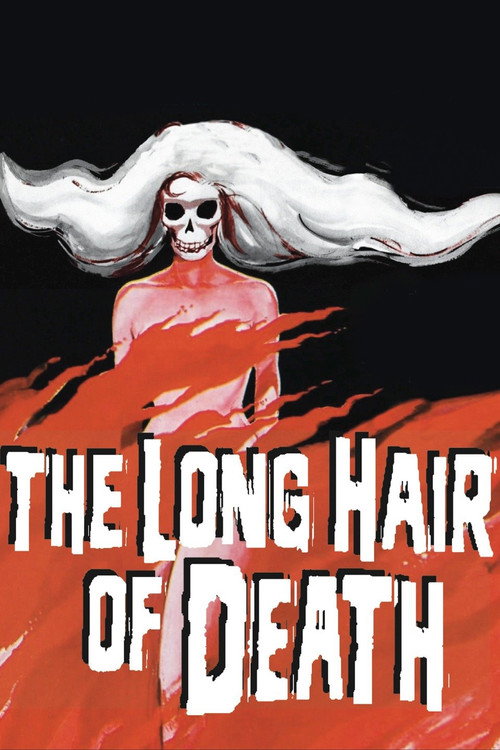
The Long Hair of Death1964
A Gothic revenge tale set in a medieval village where a woman accused of witchcraft returns from the dead to torment her accusers. Gorgeous black-and-white cinematography and a slower, stranger tempo than later gialli—more horror, less thriller.
But It's genuinely slow. The payoff is more atmospheric dread than visceral surprise. If you want plot momentum, this isn't it.
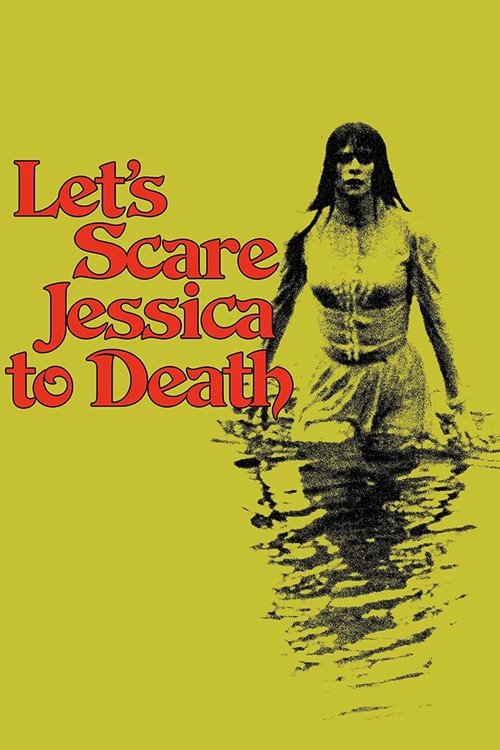
Let's Scare Jessica to Death1971
Both are 1970s films where the real threat is ambiguous and internal—you're never certain if the danger is external or the woman's own mind. Both use isolation and gaslighting as horror mechanics.
A woman recovering from a nervous breakdown moves to the country with friends and encounters something wrong with the town itself. Slow-burn paranoia that trusts atmosphere over plot. A summer horror film that feels genuinely ill.
But Nothing much happens in a conventional sense. The pace is deliberate, almost dreamlike. If you need plot clarity and forward momentum, this will feel empty.
Possession1981
Both weaponize sexual violence and body horror without irony. Both are European arthouse-horror hybrids from the late 70s/early 80s that treat misogyny not as subtext but as the film's actual subject. Both are difficult and unforgettable.
A marriage in Berlin collapses into surrealist nightmare: an unwieldy tentacled creature, an ex-lover's clone, subway tunnels, and mounting psychosexual chaos. Andrzej Żuławski directing like a man possessed. Isabelle Adjani is extraordinary and unhinged.
But It's structurally chaotic and visually repulsive. It's not trying to be understood so much as felt. Some will find it masturbatory; others will find it genius. You probably won't be neutral.

People
Cast
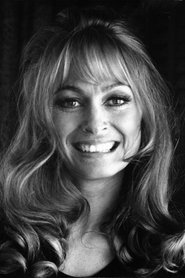 Suzy KendallJane
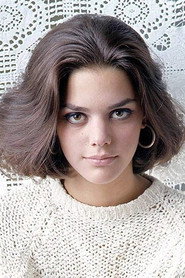 Tina AumontDaniela Anselmi
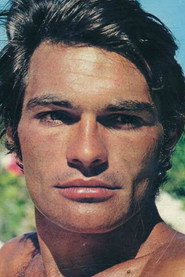 Luc MerendaRoberto
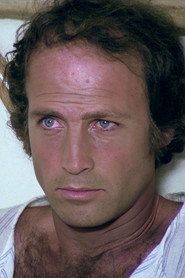 John RichardsonProf. Franz
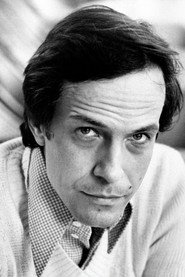 Roberto BisaccoStefano Vanzi
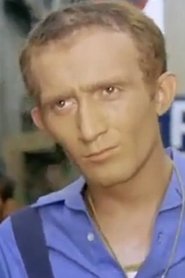 Ernesto ColliGianni Tomasso, the Scarf Vendor
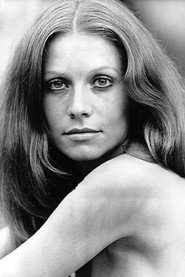 Angela CovelloKatia
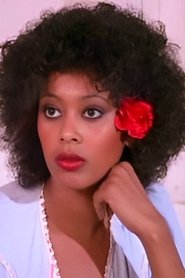 Carla BraitUrsula
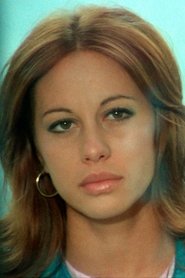 Conchita AiroldiCarol Peterson
 Patrizia AdiutoriFlorence Heineken
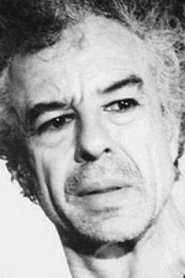 Luciano BartoliMotorcycle Guy #1
- Gianni GrecoMotorcycle Guy #2
Directing
- Sergio MartinoDirector
- Michele Massimo TarantiniFirst Assistant Director
- Anita BorgiottiScript Supervisor
Writing
- Ernesto GastaldiScreenplay
- Sergio MartinoScreenplay
- Sergio MartinoStory
Production
- Tonino CerviExecutive Producer
- Carlo PontiProducer
- Dino Di SalvoProduction Manager
- Giuseppe Bruno BossioProduction Secretary
- Andrea PetriccaUnit Manager