
Film
Zombie Flesh Eaters
Lucio Fulci's splatter masterpiece transforms Caribbean dread into visceral cinema. Abandoned boat, mysterious island, flesh-eating dead—the setup is pulp, but Fulci executes it with eerie atmosphere and practical gore that still shocks. For gorehounds and horror historians alike.
Should you watch it?
Watch it if you like gory Italian horror that leans on atmosphere, grotty practical effects and a slow-building sense of dread more than tidy plotting, and you don't mind the logic creaking.
Skip it if you need a coherent story or restrained violence, since this one runs on shock gore, loose pacing and a handful of scenes that linger far longer than they should.
What it asks of you: Ninety-one minutes of mostly unhurried wandering before the set pieces arrive, so patience matters more than plot tracking, and the mood is bleak and sweaty rather than playful.
Not sure? Find tonight's pick in a minute.
If you liked this
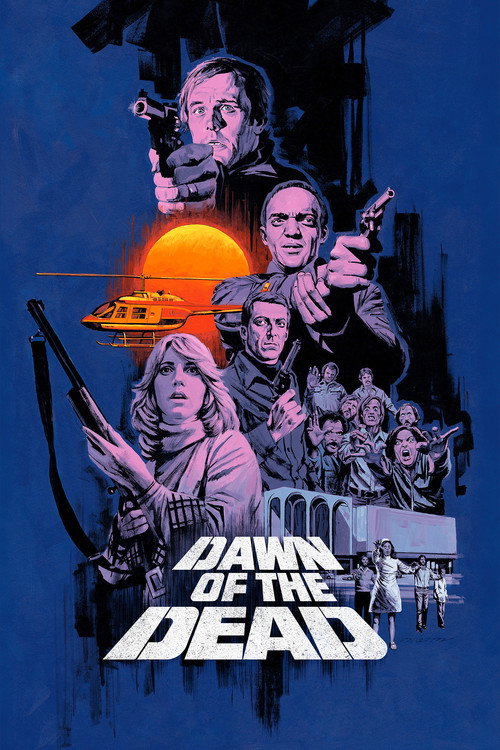
Dawn of the Dead1978
Romero's zombie epic defined the template: social satire wrapped in relentless undead carnage. If you loved Fulci's gore and Island atmosphere, this is essential context and just as brutally effective.
But It's long—127 minutes—and the social commentary can feel heavy-handed. The pacing drags in the middle section despite the mayhem.
The Beyond1981
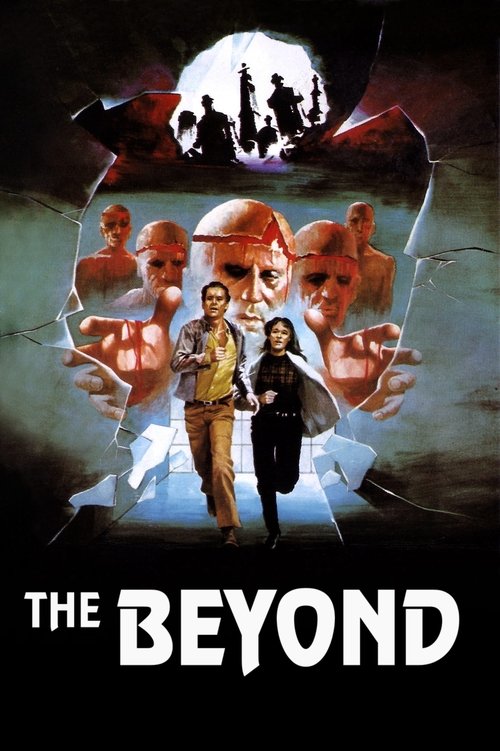
Fulci again, even weirder and more dreamlike. Surreal geography, practical effects that boggle the mind, and a willingness to abandon plot logic for pure dread. Hypnotic and genuinely unsettling.
But The narrative barely coheres. If you need a story that makes sense, this will frustrate you. It's pure mood and spectacle.
Suspiria1977
Argento's giallo masterwork. Lurid color, balletic violence, and a mystery that unfolds like a nightmare. The craftsmanship is immaculate; the atmosphere is suffocating. Pure cinema.
But It's deliberately artificial—stylized to the point where realism vanishes. If you want grounded horror, this leans the opposite direction hard.

Not sure tonight? Get a pick in a minute, starting from Zombie Flesh Eaters
The wildcard
Something you would not have found on your own.
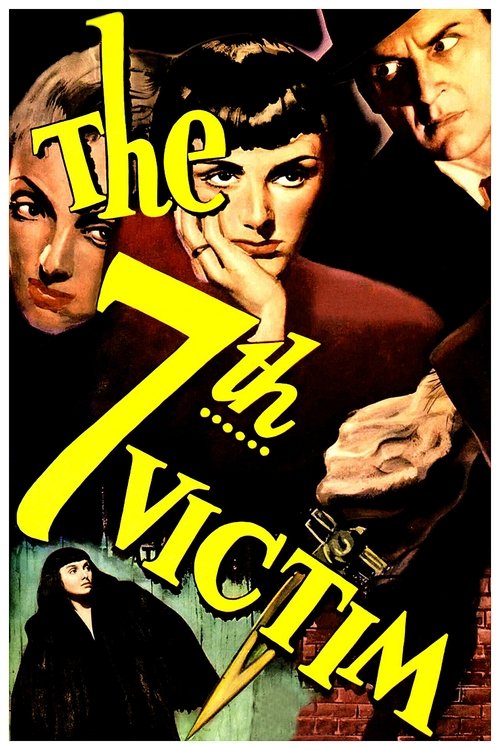
The Seventh Victim1943
Both are island-mystery films obsessed with how contagion—literal or spiritual—spreads through isolated communities. Lewton's invisible evil and Fulci's visible rotting are the same film in different registers.
Lewton's wartime occult noir: dread in New York shadows, satanism in penthouses, death as an intellectual problem. Atmospheric horror decades before splatter existed—proves the genre's power isn't gore.
But It's a 1943 film noir, so it moves slowly and relies entirely on suggestion. Zero gore, minimal spectacle. Requires comfort with implication over depiction.
More like this (7)
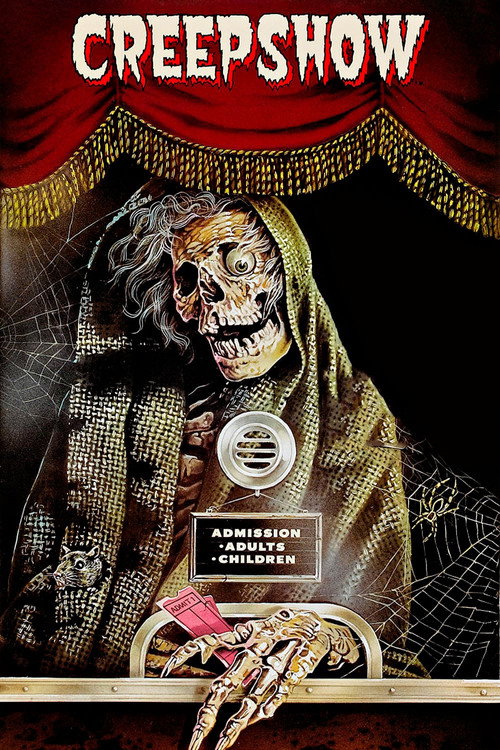
Creepshow1982
Romero and King collaborate on an EC Comics adaptation: five stories of escalating grotesquerie, each one a nasty little surprise. Fun without losing the edge. Gore with a wink.
But It's anthology horror, so you're investing in short stories. Some work better than others. Tonal shifts might feel uneven.
The Wailing2016
Na Hong-jin's folk-horror masterpiece: fog, doubt, and infection spreading through a village. Different era and sensibility, but the same paranoia and body horror. Genuinely frightening.
But It's two and a half hours, deliberately paced, and the ending refuses easy answers. Requires patience and tolerance for ambiguity.

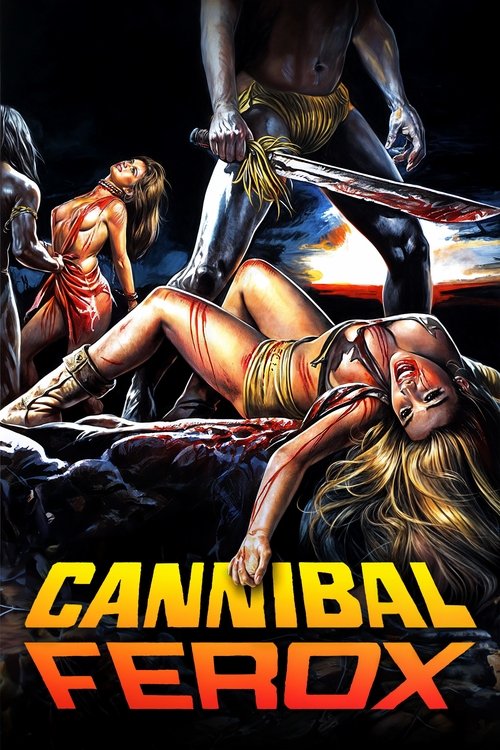
Cannibal Ferox1981
Deodato's fever-dream of jungle exploitation: brutal, indefensible, unforgettable. If you're drawn to '70s-'80s extreme horror, this is the current you're swimming in. Transgressive and raw.
But It's genuinely difficult to watch—real animal deaths, sexual violence, racist imagery. This isn't nostalgia; it's a document of how ugly horror could get.
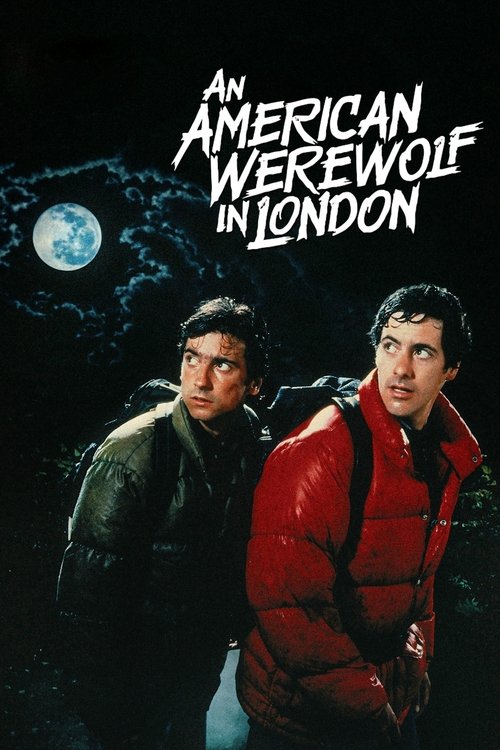
An American Werewolf in London1981
Landis balances gore and dark comedy perfectly. Practical werewolf effects that still impress, a genuinely affecting love story, and genuine scares alongside the laughs. A complete film.
But The tonal shifts might jar—one scene is tender, the next is brutal. It refuses to stay in one emotional lane.
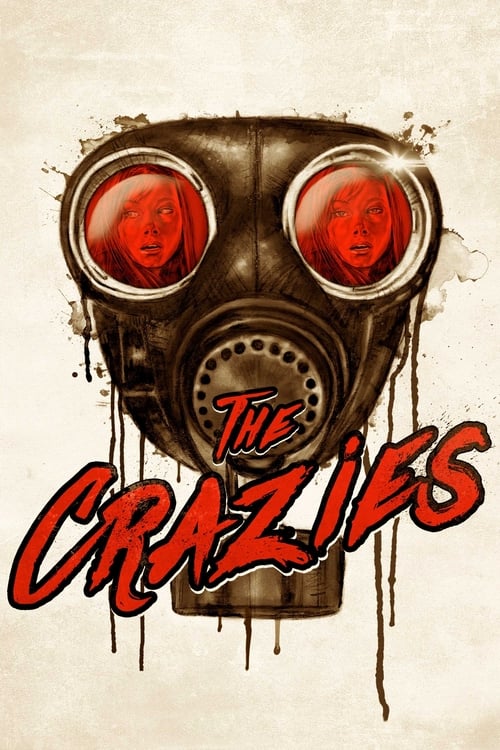
The Crazies1973
Romero's systemic-horror vision: contagion, paranoia, authority breaking down. Lean and propulsive where others would sprawl. Sharp social edge without being preachy.
But Early-'70s aesthetics and pacing feel slow by modern standards. Less visceral than you might expect from Romero.
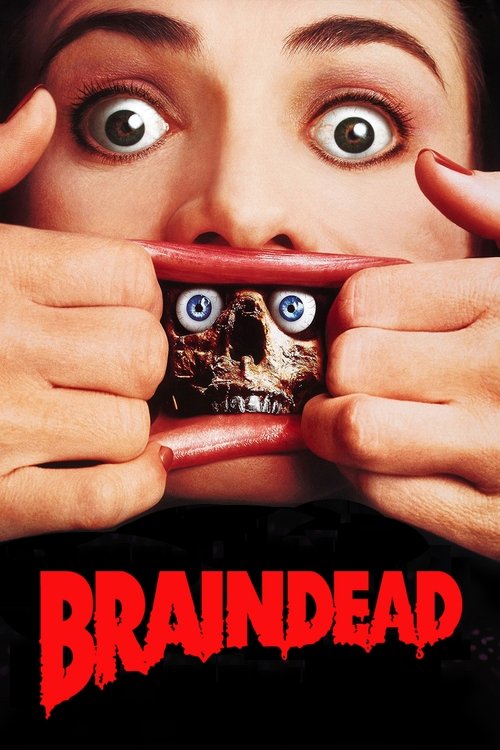
Braindead1992
Both films use zombie gore as their primary language, but Jackson speaks fluent sarcasm where Fulci speaks dread. Same vocabulary, opposite intention—watching them back-to-back shows how genre can pivot on tone.
Peter Jackson's gore-comedy apotheosis: a mother-son zombie film that escalates into surreal, arterial excess. Practicals so elaborate they circle back to art. Genuinely hilarious and revolting simultaneously.
But It's aggressively silly—the tone is camp-horror, not dread. If you watch Zombie Flesh Eaters for atmosphere rather than splat-value, this might feel like mockery.
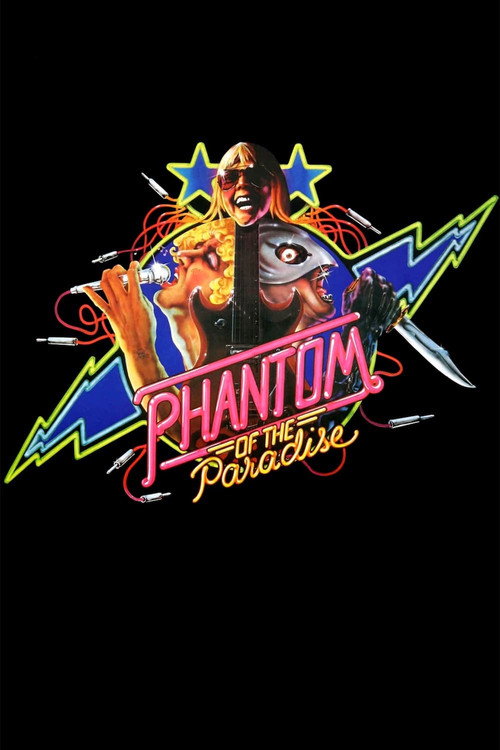
Phantom of the Paradise1974
Both emerge from 1970s European sensibility translated through genre: visual storytelling over narrative clarity, atmosphere as plot, and a willingness to let the grotesque be beautiful. Both films trust images over explanations.
De Palma's blood opera: a Faust story told through rock-and-roll excess, practical effects, and operatic melodrama. Perverse, gorgeous, and completely its own thing. A cult masterpiece that deserves wider discovery.
But It's a musical horror-comedy with camp value and dated '70s style. Takes itself seriously in ways that veer toward unintentional comedy. Tonal whiplash throughout.
People
Cast
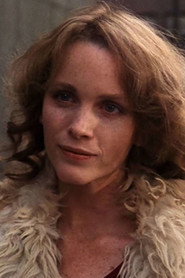 Tisa FarrowAnne Bowles
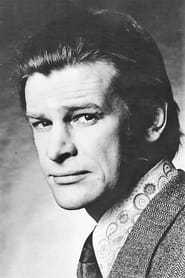 Ian McCullochPeter West
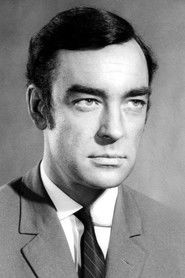 Richard JohnsonDr. David Menard
 Olga KarlatosPaola Menard
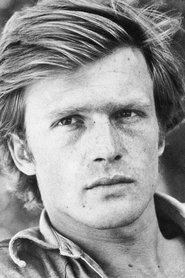 Al CliverBrian Hull
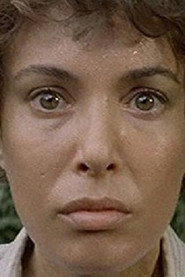 Auretta GaySusan Barrett
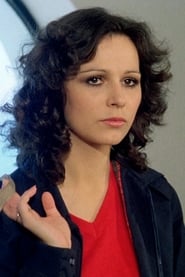 Stefania D'AmarioMenard's Nurse
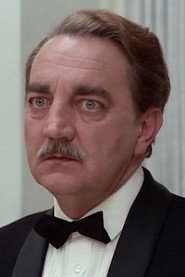 Ugo BolognaAnn's Father (uncredited)
 Omero CapannaZombie (uncredited)
 Lucio FulciNewspaper Editor (uncredited)
 Franco FantasiaMatthias (uncredited)
- Captain HaggertyBoat Zombie (uncredited)
Directing
- Roberto GiandaliaAssistant Director
- Daniela TontiContinuity
- Lucio FulciDirector
Writing
- Elisa BrigantiWriter
Production
- Gianfranco CouyoumdjianAssociate Producer
- Fabrizio De AngelisProducer
- Ugo TucciProducer
- Giorgio ChessariProduction Coordinator
Recommended by
Breakheart Pass, The Killings at Outpost Zeta, Shock Waves, The Killer Is on the Phone, Voodoo Woman, Cannibal Apocalypse, The Flesh and Blood Show, The Spiral Staircase, Four Flies on Grey Velvet