
Film
Creepshow
George Romero and Stephen King build a haunted newsstand comic and set it on fire: five gleefully nasty EC-style tales stitched together with lurid panel-transitions and a wraparound about a kid's confiscated horror mag. It's gory, funny, over-lit in comic-book colour, and never pretends to be anything but a campfire story told by two guys who clearly adore the genre. Great for a group, a bowl of candy, and low expectations of good taste.
If you liked this
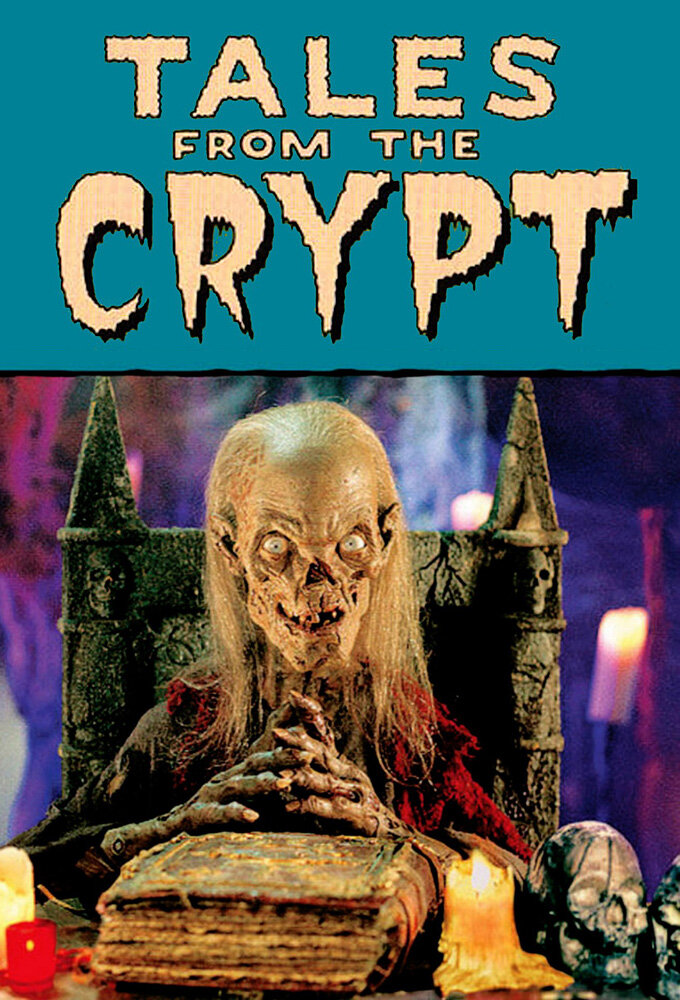
Tales from the Crypt1989
The direct descendant — same EC Comics DNA, same Crypt Keeper cackling through the credits, same love of a nasty little twist ending delivered with a wink and a splash of gore.
But Episodes vary wildly in quality, and the puns can be groan-inducing even by design.
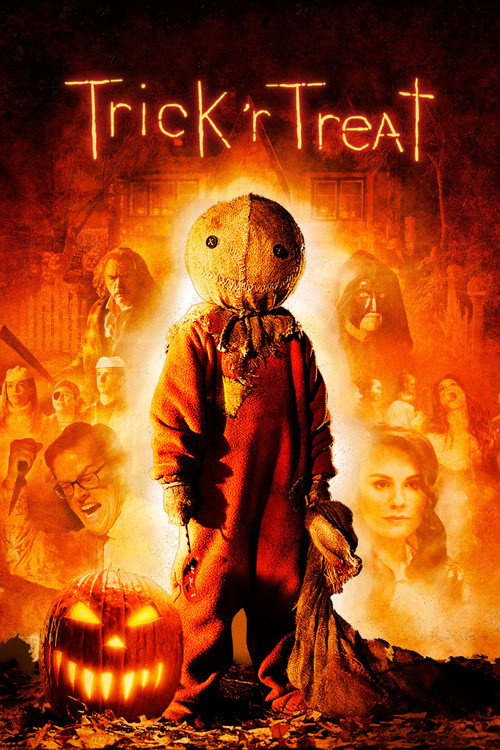
Trick 'r Treat2007
A modern anthology that folds its stories together rather than stacking them, all set on one Halloween night — playful, stylish, and clearly written by people who grew up on exactly this movie.
But The interwoven structure demands attention; it's not something you can half-watch.
Creepshow 21987no page yet
More King, more Romero (writing this time), fewer segments but a genuinely beloved raft-and-blob story that's become a minor classic of its own.
But Cheaper-looking and thinner than the original — the law of diminishing sequels applies.
The wildcard
Something you would not have found on your own.
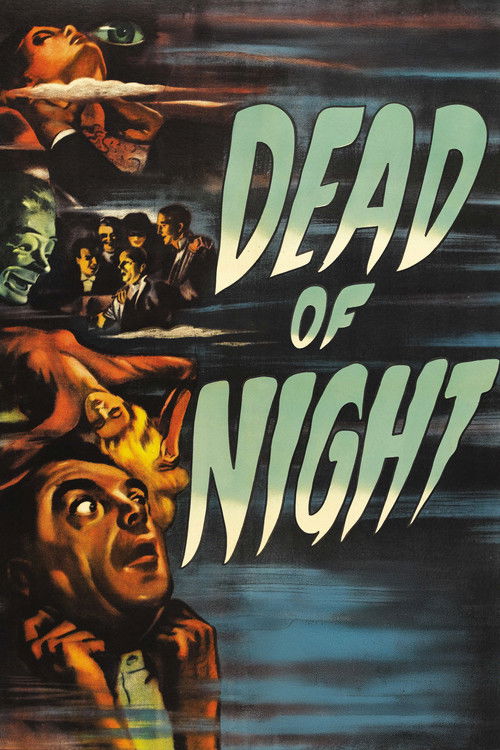
Dead of Night1945
This is the anthology-horror format's actual ancestor, decades before EC Comics existed — the same idea of stacking short scary stories inside a wraparound frame, just done with fog and restraint instead of splash panels and viscera.
A quietly unsettling British portmanteau film — an architect visiting a country house recognises everyone from a recurring dream, and each guest tells their own ghost story to explain the déjà vu.
But Stately, dialogue-driven, and entirely without gore — the opposite of Creepshow's comic-book gusto.
More like this (7)
Tales from the Darkside1984no page yet
Romero's own TV spinoff of the Creepshow universe — half-hour doses of the same pulpy dread, often adapting genuinely great short horror fiction.
But Low-budget TV horror of its era; the scares are more cerebral than visceral.
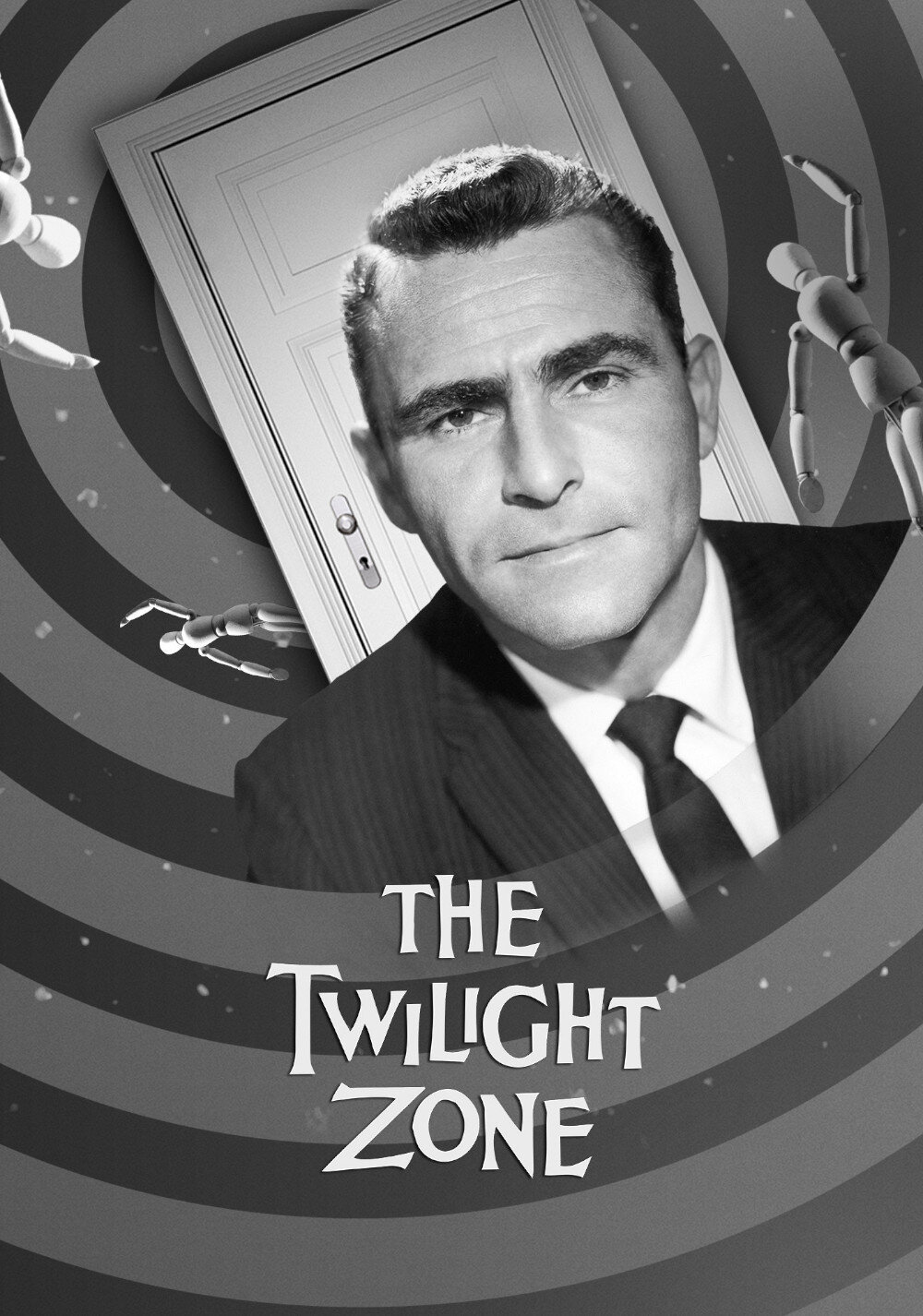
The Twilight Zone1959
The grandfather of the anthology twist-ending format, minus the gore — moral comeuppance and cosmic irony delivered with Rod Serling's dry, unimprovable narration.
But Black and white, slower-paced, and more interested in ideas than shocks.
Two Evil Eyes1990no page yet
Romero teams up with Dario Argento for a two-story Poe anthology — you get Romero's practical gore instincts next to Argento's fever-dream style in one package.
But Only two segments, and they don't quite match each other in tone or quality.
V/H/S2012no page yet
Anthology horror dragged into the found-footage era — nasty, inventive, and proof the format still has new tricks up its sleeve decades later.
But Shaky-cam aesthetics and a much bleaker, less comic-book tone than Creepshow's.
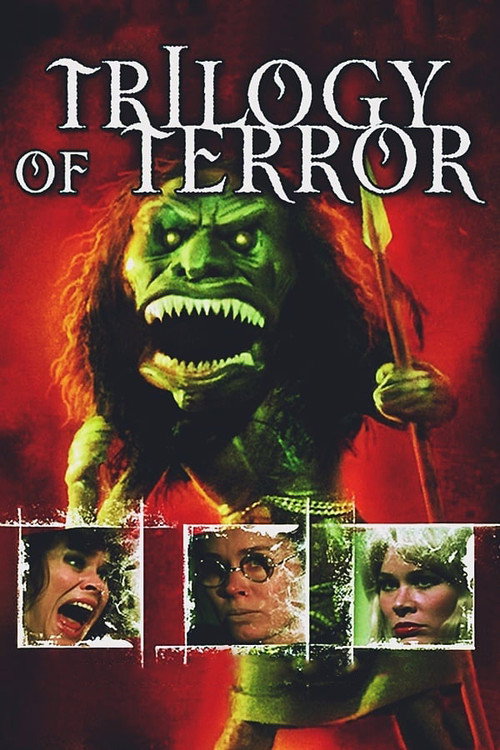
Trilogy of Terror1975
A TV movie carried almost entirely by Karen Black doing three wildly different performances, culminating in the legendary killer-doll segment everyone remembers.
But Dated TV production values, and two of the three stories are noticeably weaker than the third.
The Vault of Horror1973no page yet
An earlier, more British cousin of Creepshow, adapting the same EC Comics well — five stories, similarly gleeful about their own nastiness.
But Stagier and slower than Creepshow's comic-book energy; the effects have aged less well.
Kwaidan1965
Same portmanteau bones and the same EC-style moral logic — greed and cruelty get punished by something otherworldly — but rendered as high art instead of pulp, proving the structure works in a completely different register.
Four Japanese ghost stories shot on obviously artificial, painted soundstages — eerie, gorgeous, hypnotic, and built on the same idea that wronging someone always comes back around.
But Nearly three hours, glacially paced, and closer to a moving painting than a horror movie.
People
Cast
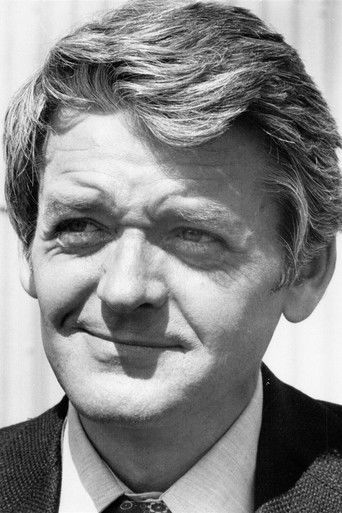 Hal HolbrookHenry Northrup (segment "The Crate")
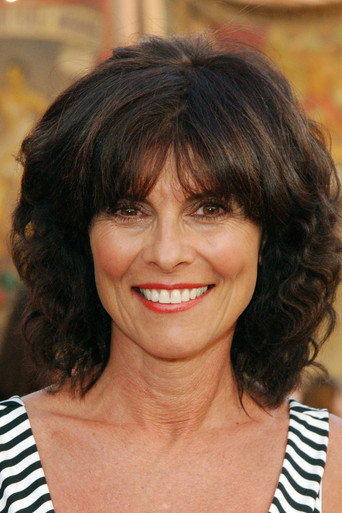 Adrienne BarbeauWilma Northrup (segment "The Crate")
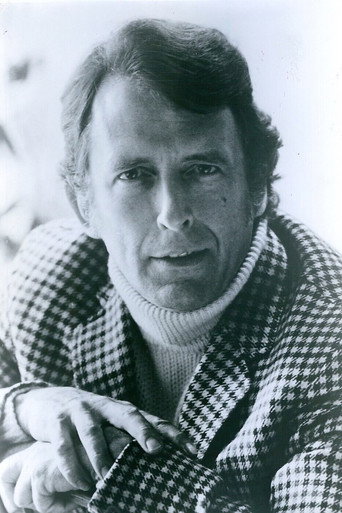 Fritz WeaverDexter Stanley (segment "The Crate")
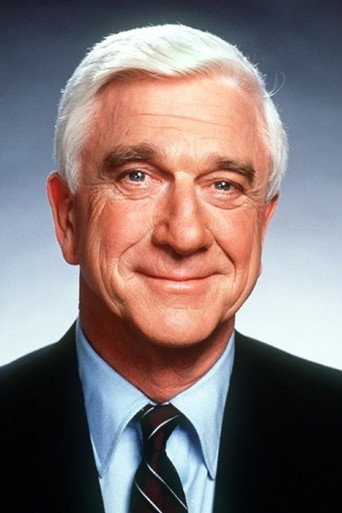 Leslie NielsenRichard Vickers (segment "Something To Tide You Over")
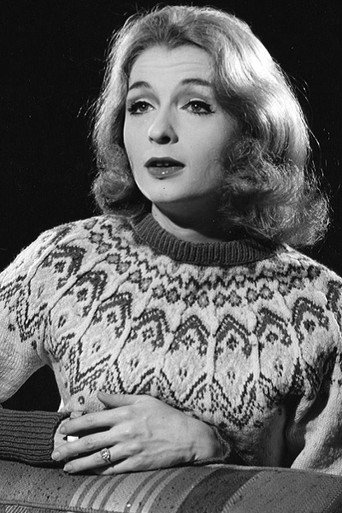 Carrie NyeSylvia Grantham (segment "Father's Day")
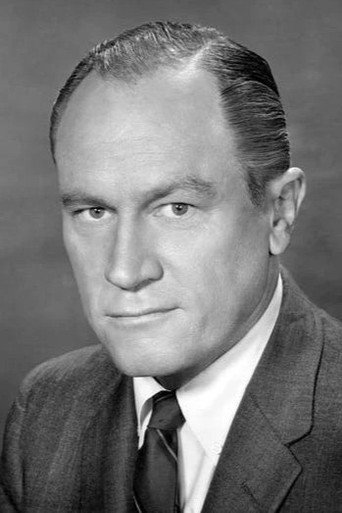 E.G. MarshallUpson Pratt (segment "They're Creeping Up On You")
 Viveca LindforsAunt Bedelia (segment "Father's Day")
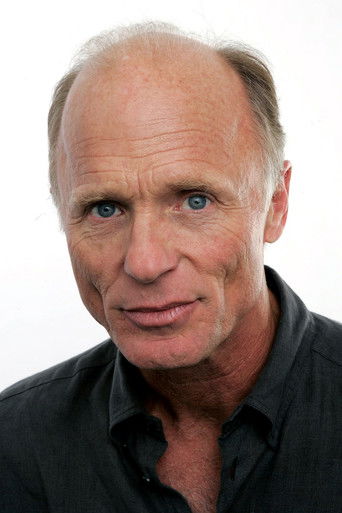 Ed HarrisHank Blaine (segment "Father's Day")
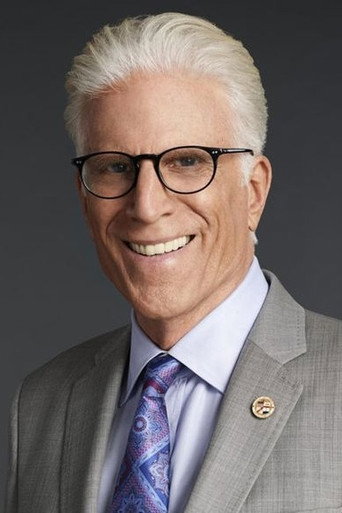 Ted DansonHarry Wentworth (segment "Something To Tide You Over")
 Stephen KingJordy Verrill (segment "The Lonesome Death Of Jordy Verrill")
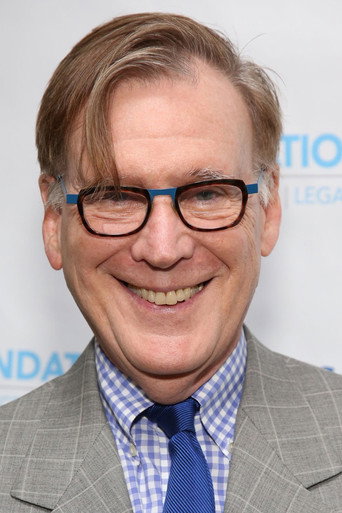 Warner ShookRichard Grantham (segment "Father's Day")
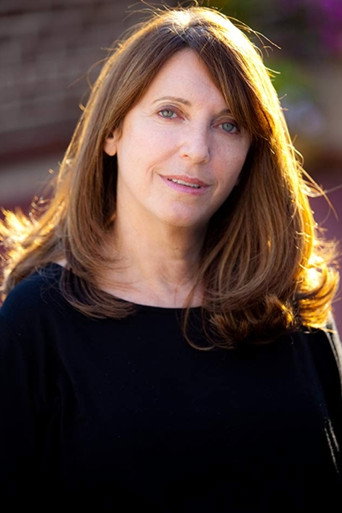 Gaylen RossBecky Vickers (segment "Something To Tide You Over")
Directing
- Christine ForrestAssistant Director
- George A. RomeroDirector
Writing
- Stephen KingScreenplay
Production
- David E. VogelAssociate Producer
- Cami Dempsey TaylorCasting
- Tom KibbeCasting
- Salah M. HassaneinExecutive Producer
- Richard P. RubinsteinProducer
- Maureen AndersenProducer's Assistant
- Charles LaytonProduction Manager
- Richard FeuryUnit Manager
Recommended by
Tales from the Crypt, Dead of Night, Trick 'r Treat, Alfred Hitchcock Presents, Trilogy of Terror