
Film
The Mortuary Collection
A horror anthology wrapped in a frame story set in a decaying mortuary where an undertaker tells dark tales to a runaway girl. It's visually stylish and uneven—some segments land hard, others don't—but there's genuine craft in its macabre aesthetic and willingness to go weird. For people who like their horror playful and painterly rather than purely scary.
Should you watch it?
Watch it if you like horror anthologies where a tall-tale wrapper carries several grotesque, darkly funny stories, and you enjoy a host who savours his own macabre showmanship.
Skip it if you want one sustained, tightly built scare, since the segments vary in tone and polish and the campier, gore-heavy stretches can feel like a loose sketch show.
What it asks of you: Roughly an hour and three quarters, built as separate vignettes with their own rhythms, so it rewards patience with abrupt shifts in tone more than tracking one plot.
Not sure? Find tonight's pick in a minute.
If you liked this
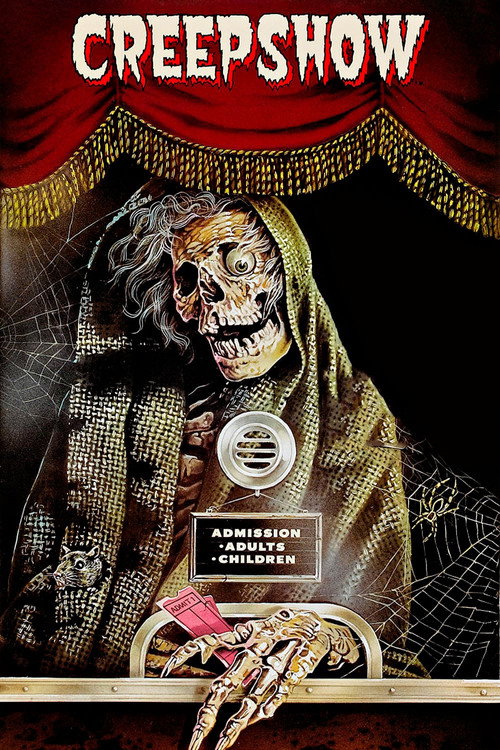
Creepshow1982
Foundational horror anthology with the same pulpy energy: EC Comics brought to life with practical effects, dark humour, and a willingness to be silly alongside genuinely unsettling. Each segment is a different flavour of dread.
But Pacing varies wildly across stories, and some segments feel dated or don't land. The framing device is thin, and commitment to tone shifts frequently.
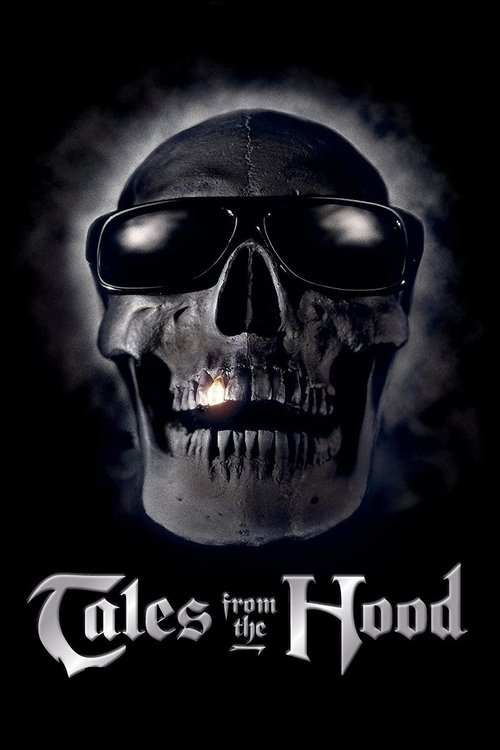
Tales from the Hood1995
Horror anthology that marries social commentary with genuinely creepy storytelling, held together by a mysterious figure doling out dark wisdom. Sharp, stylish, and refuses to be just one thing.
But Tonal whiplash between horror and social satire won't work for everyone. Some sequences prioritise message over scares, which can feel preachy to the wrong viewer.
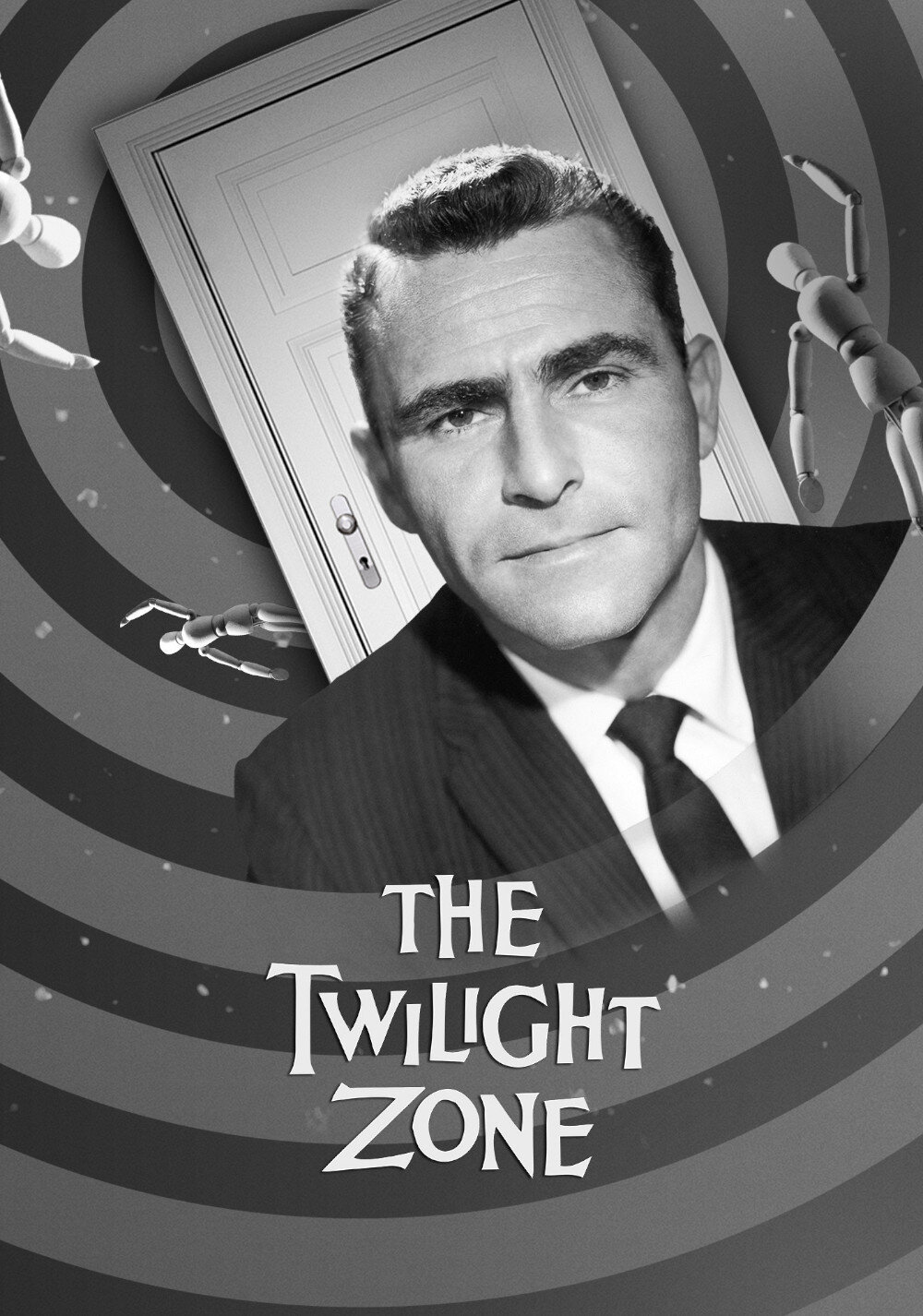
The Twilight Zone1959
The ancestor of all twist-based horror anthologies: each episode a self-contained moral fable with genuine chills. Brilliantly economical storytelling that proves you don't need gore to unsettle an audience.
But Black-and-white, 1950s pacing, and some episodes rely on concepts that feel familiar now because everything copied them. Requires patience with a slower rhythm.
Not sure tonight? Get a pick in a minute, starting from The Mortuary Collection
The wildcard
Something you would not have found on your own.
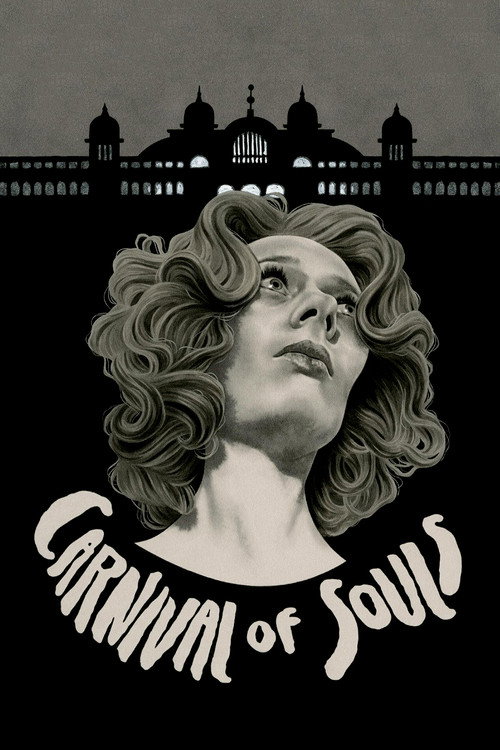
Carnival of Souls1962
Both use an unusual space (mortuary, carnival) as a character itself, and both let atmosphere and visual language carry the horror rather than relying on plot mechanics. The Mortuary Collection is Carnival of Souls in colour and with more narrative—a spiritual descendant.
A haunted, hypnotic film about a young woman drawn to an abandoned amusement park, shot in stark black-and-white with zero budget but immense atmosphere. It's the ancestor of every haunted-space horror story, and its dreamlike logic and dread are devastating.
But Deliberately slow and experimental for 1962 audiences, even slower now. No exposition, minimal dialogue, and an ending that's more existential terror than genre catharsis. Requires patience and surrender to mood.
More like this (5)
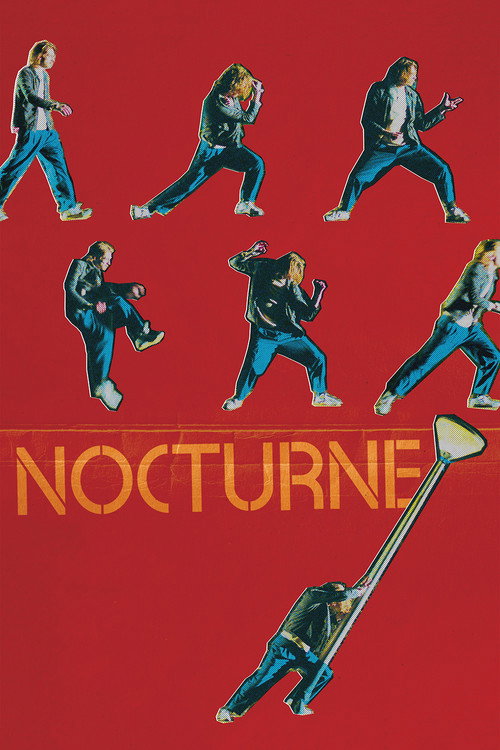
Nocturne2019
Gothic, visually sophisticated supernatural horror about a young pianist and a cursed score. Painterly cinematography and a sense of dread that builds through mood rather than jump scares—exactly the aesthetic register of The Mortuary Collection.
But Deliberately slow-burn and atmospheric; if you want narrative clarity and explained mechanics, you'll be frustrated. The ending is ambiguous by design.
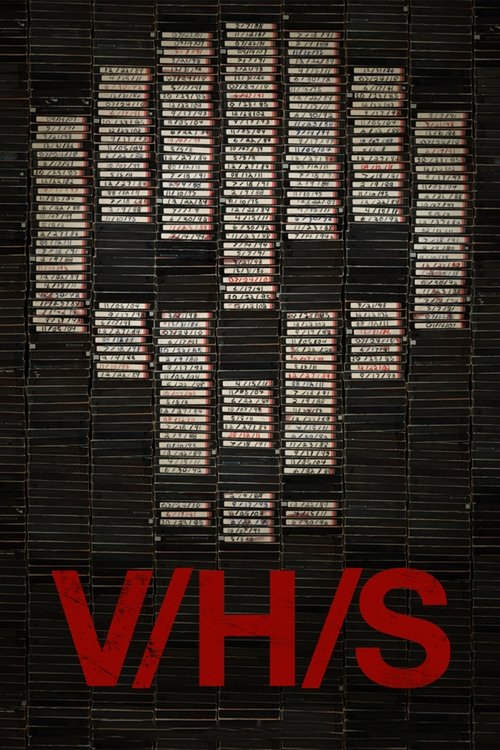
V/H/S2012
Found-footage horror anthology that plays with format itself, each segment a different visual language. Genuinely disorienting and creative, with standout segments that stick in your head for the right reasons.
But Nauseatingly shaky in places; some stories are stronger than others, leaving stretches that feel like filler. The frame story is perfunctory.
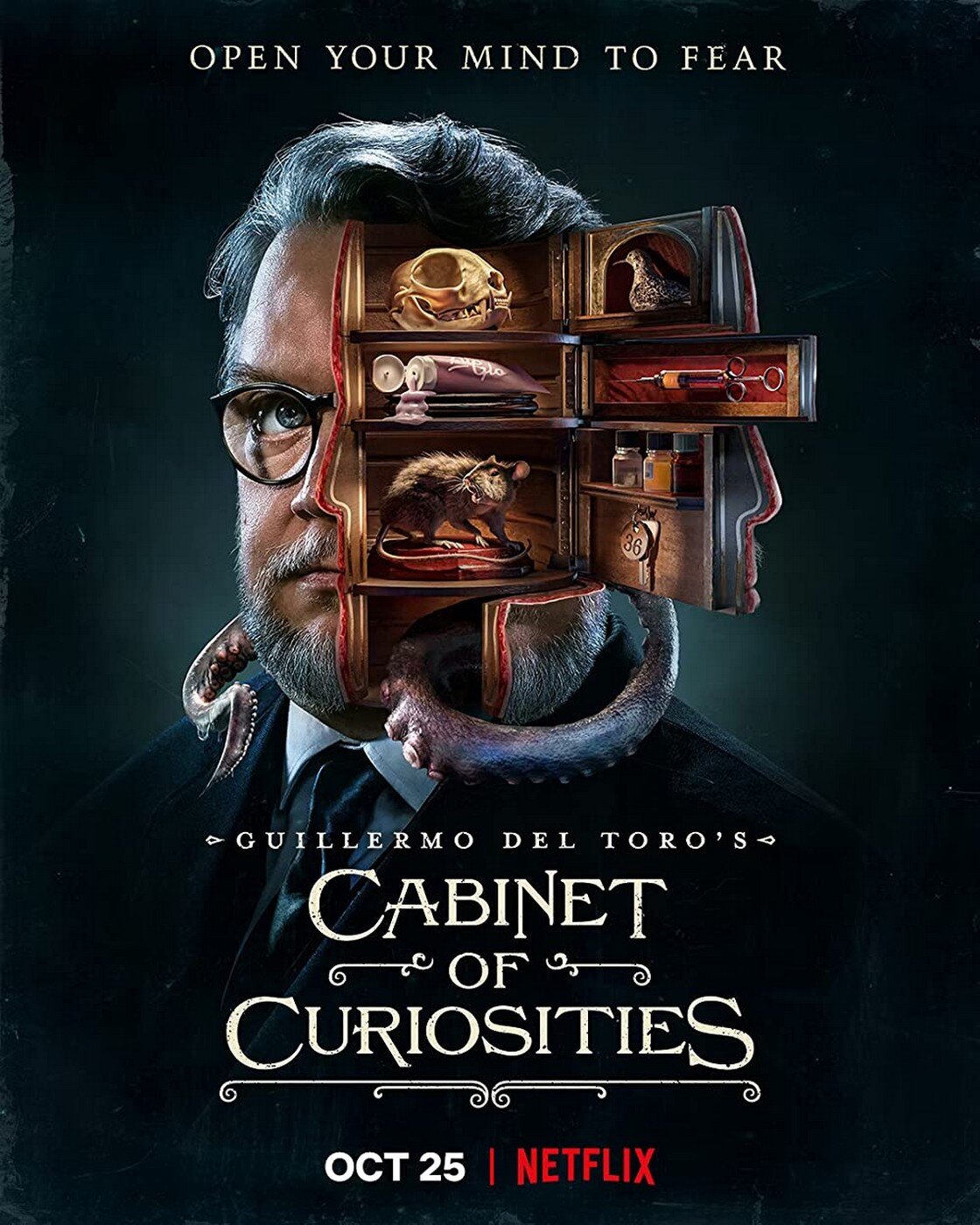
Guillermo del Toro's Cabinet of Curiosities2022
Gorgeous, grotesque anthology series with meticulous production design and a genuine sense of wonder alongside the horror. Del Toro's fingerprints are all over it—crafted, weird, deeply felt.
But Some episodes are slow and more literary than visceral. Runtime varies and a few segments prioritise atmosphere over payoff, which can feel indulgent.
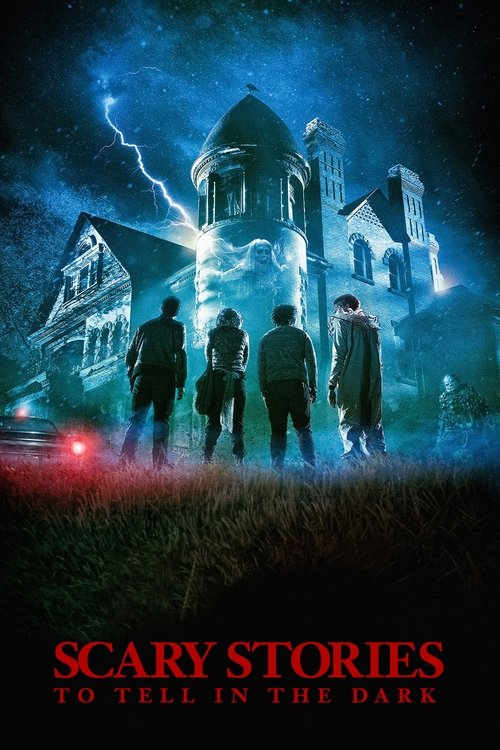
Scary Stories to Tell in the Dark2019
Pulpy, visually inventive horror with a frame story about cursed stories literally coming to life. Practical creature design and a playful tone that doesn't mistake entertainment for depth—perfect midnight-movie energy.
But The plot is thin and the scares are more fun than frightening. Relies heavily on CGI creatures that occasionally look plastic, and the adaptation simplifies the source material significantly.
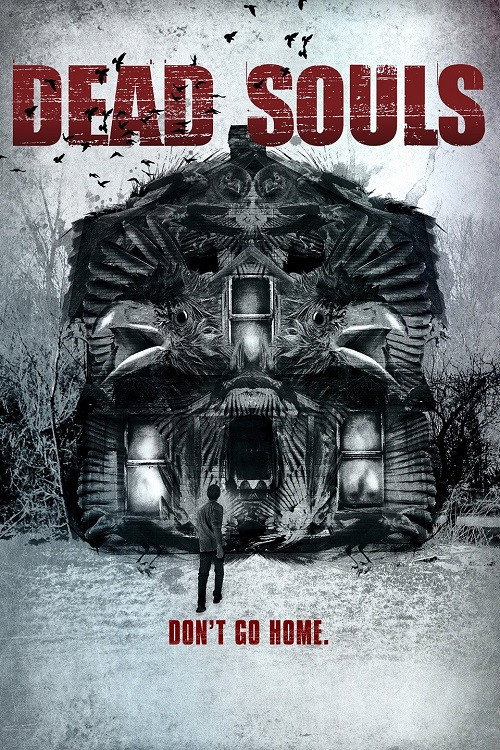
Dead Souls2012
Both are visually ambitious horror films that build dread through production design and atmosphere rather than conventional narrative. Both feature a mysterious host figure guiding the protagonist through a space filled with disturbing revelations, and both have a folkloric or gothic sensibility underneath the genre mechanics.
Russian horror film about a woman who inherits a creepy mansion filled with surreal, dreamlike rooms and horrors. Visually ornate and genuinely disorienting, with a folkloric sensibility that prioritises unsettling imagery over traditional scares.
But Subtitled, deliberately paced, and plot-light—it's all mood and visual metaphor. Some will find it pretentious; others will find it gorgeous and meaningless. Requires active interpretation.
People
Cast
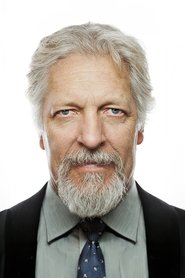 Clancy BrownMontgomery Dark
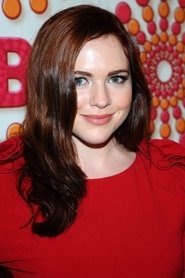
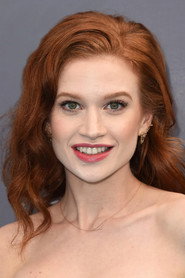 Sarah HayCarol
 Mike C. NelsonDr Harold Kubler
 Jacob ElordiJake
 Barak HardleyWendell Owens/Deputy Barns
 Christine KilmerEmma
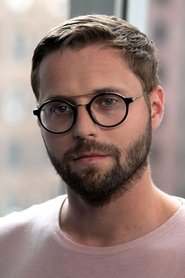 Ben HethcoatThe Killer
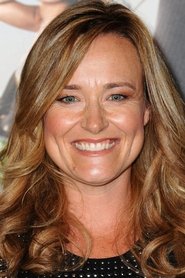 Jennifer IrwinMargaret
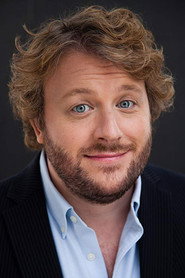 James BachmanRalph Wilkes
- Alison GallaherMrs. Debra Kubler
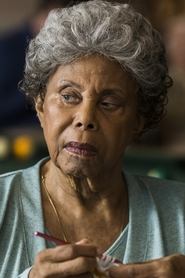 Phyllis ApplegateMrs. Avery
Directing
- Ryan SpindellDirector
- Heather I. DentonFirst Assistant Director
- Eric EkmanScript Supervisor
- Zack WalkerSecond Assistant Director
Writing
- Ryan SpindellWriter
Production
- Gates BradleyAssociate Producer
- Jacob MotzAssociate Producer
- Mark E. DavidsonAssociate Producer
- Rich MentoCasting
- Tiffany TynesCasting
- Rich MentoCo-Producer
- Christopher AlenderExecutive Producer
- David A. SmithExecutive Producer
- Inderpal SinghExecutive Producer
- Allison FriedmanProducer
- Ben HeathcoteProducer
- Lara CuddyProducer
- Ryan SpindellProducer
- T. Justin RossProducer
- Todd BreauProducer