
Film
Tales from the Darkside: The Movie
A boy trapped in a witch's kitchen buys time by spinning three tales of escalating darkness and spite. Uneven anthology horror-comedy from 1990, tonal whiplash by design—some segments land as Gothic grotesque, others as pitch-black farce. For those who love horror's b-side charm and don't mind craft that shows its seams.
Should you watch it?
Watch it if you like anthology horror that winks at its own pulp, with cheap-looking EC-comics-style creepiness and gleeful gore that makes a scare feel like a punchline.
Skip it if you want a tight, steadily frightening film, since this patchwork's segments vary in quality and the wraparound leans on goofy, sometimes flat chatter.
What it asks of you: A brisk ninety-three minutes split into bite-sized stories under a loose frame, with tone lurching abruptly between them and uneven stretches you'll need to tolerate.
Not sure? Find tonight's pick in a minute.
If you liked this
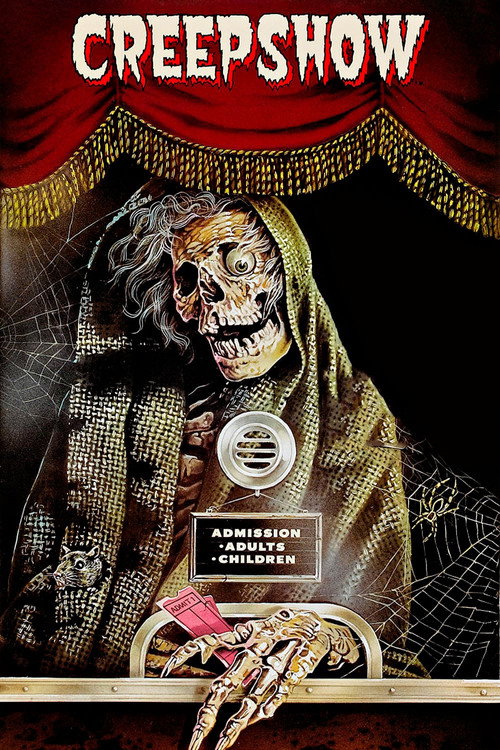
Creepshow1982
Romero and King's definitive horror anthology: five stories of vengeful houseplants, shape-shifters, and cosmic punishment. Same DNA as Darkside—playful malice, practical effects, genuine scares nested in pulp entertainment.
But Unabashedly silly at times. The wraparound (a man in a crate) feels like an old comic book brought to life, which is intentional but not everyone's speed.
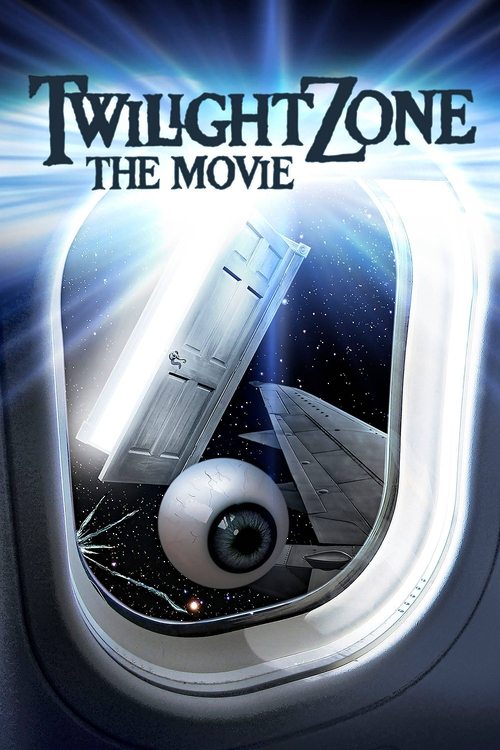
Twilight Zone: The Movie1983
Four sci-fi horror tales directed by Spielberg, Dante, Miller, and Landis. Smarter conceptually than Darkside, but with the same contract: enter each story on its own terms and trust the ride.
But Uneven quality between segments. The final stretch sags. One sequence involves a child actor in genuinely disturbing danger, which—even if theatrical sleight of hand—bothers some viewers.
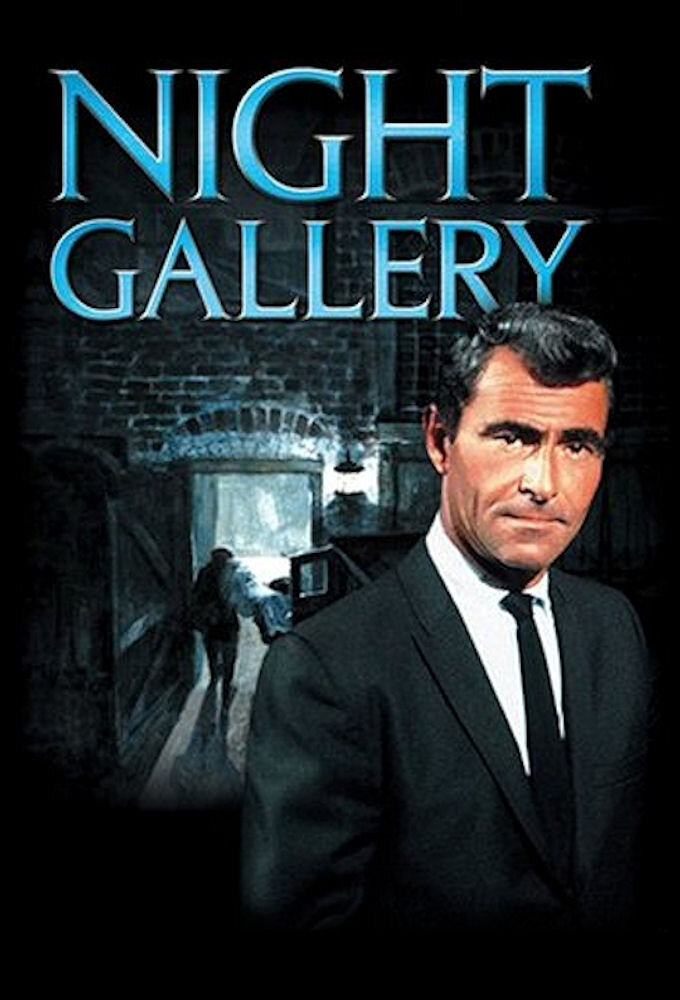
Night Gallery1969
Spielberg's other-side take on the anthology: darkly comic, deeply weird, obsessed with the grotesque and the psychological. More interior dread than Twilight Zone, less worried about big ideas.
But Tonal inconsistency is the whole point, which means it can feel scattered rather than bracingly weird.
Not sure tonight? Get a pick in a minute, starting from Tales from the Darkside: The Movie
The wildcard
Something you would not have found on your own.
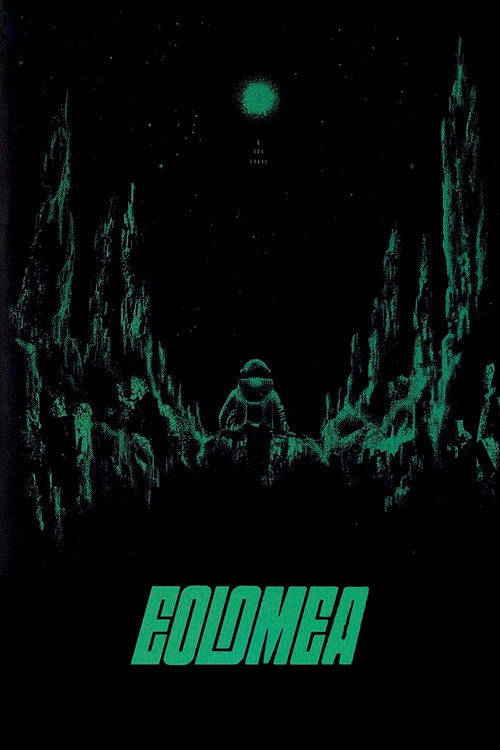
Eolomea1972
Both films trap characters in peril and use nested stories as a survival strategy. But where Darkside distracts through genre thrills, Eolomea distills storytelling to its essence: Can narrative itself sustain a human being?
A Soviet science-fiction riff on Scheherazade: a space expedition trades stories to survive paranoia and isolation. Formally strange (split-screen, digressions, deliberate slowness), intellectually ambitious. What Darkside might have been if it asked bigger questions about storytelling itself.
But Nearly three hours. In Russian with occasional English. The narrative digresses on purpose. Not a thriller despite its framework—more a meditation on why humans tell tales at all.
More like this (6)
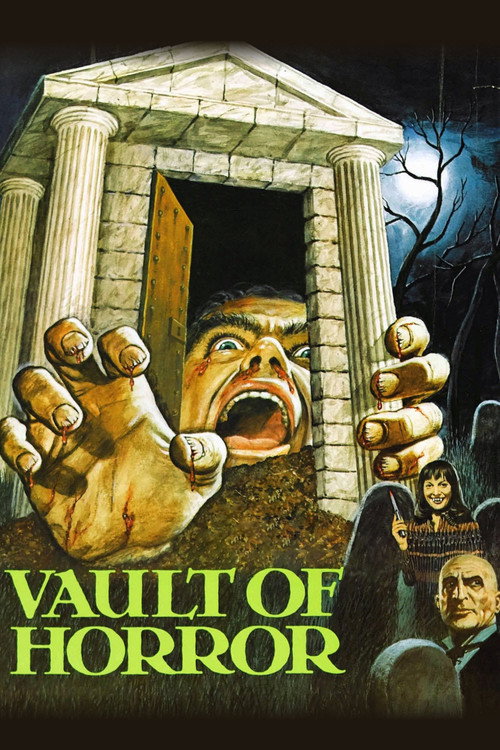
The Vault of Horror1973
British Amicus horror anthology with EC Comics sensibility—cruel, darkly funny, and weirdly erudite. Five stories of comeuppance, each beautifully shot and paced. More elegant than Darkside.
But Slower burn. The sophistication can read as cold if you want visceral scares instead of elegant setups.
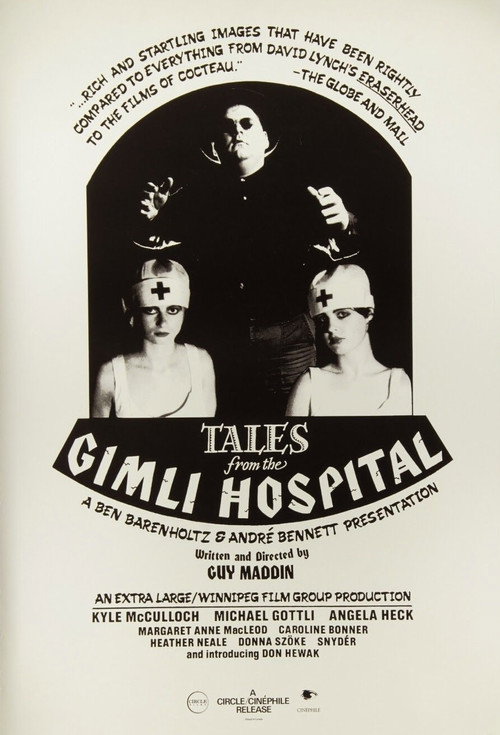
Tales from the Gimli Hospital1988
Maddin's experimental fever dream: two patients in a hospital trade increasingly unhinged stories in silent-film pastiche. Sounds inaccessible; it's hypnotic. Anthology as pure mood rather than plot delivery.
But Black and white, shot on video, deliberately artificial acting. Not a film that wants you comfortable.
American Horror Story2011
A haunted hotel as backdrop for five seasons of interlocking-ish horrors. More gothic and committed to dread than Darkside, with practical effects and genuine atmosphere alongside the campiness.
But Verbose and often tedious. Repeats itself. Requires tolerance for Ryan Murphy's maximalist drama-class energy.

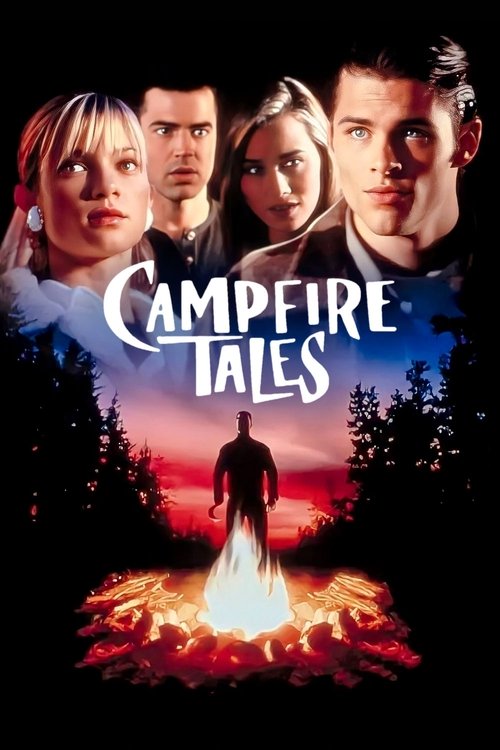
Campfire Tales1997
Five teenagers tell horror stories around a fire. Lower-budget, less polished than Darkside, but earnest and surprisingly eerie in places. Practical effects and genuine craft on a shoestring.
But The wraparound is slight, and some segments feel like student films. Doesn't land consistently enough to justify its length.
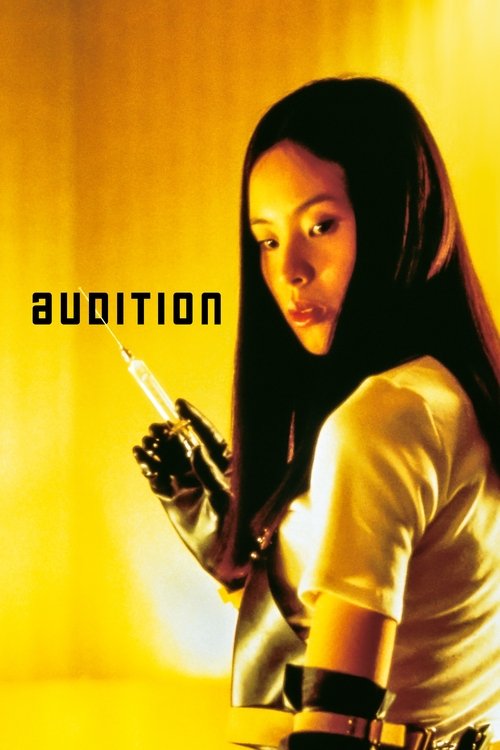
Audition2000
Both films trust the audience to accept radical genre shifts mid-story. Both use the body as grotesque canvas. Both ask: what are we willing to watch if a good storyteller asks us to?
Takashi Miike's tonal shapeshifter: begins as a gentle romantic comedy, shifts into something grotesque and impossible to unsee. The tonal whiplash is the point. Practical effects of bewildering inventiveness. A masterpiece of misdirection.
But Brutal violence that arrives without warning, shown unflinchingly. Not horror-movie violence with safe distance—intimate and indefensible. Takes real endurance to finish.
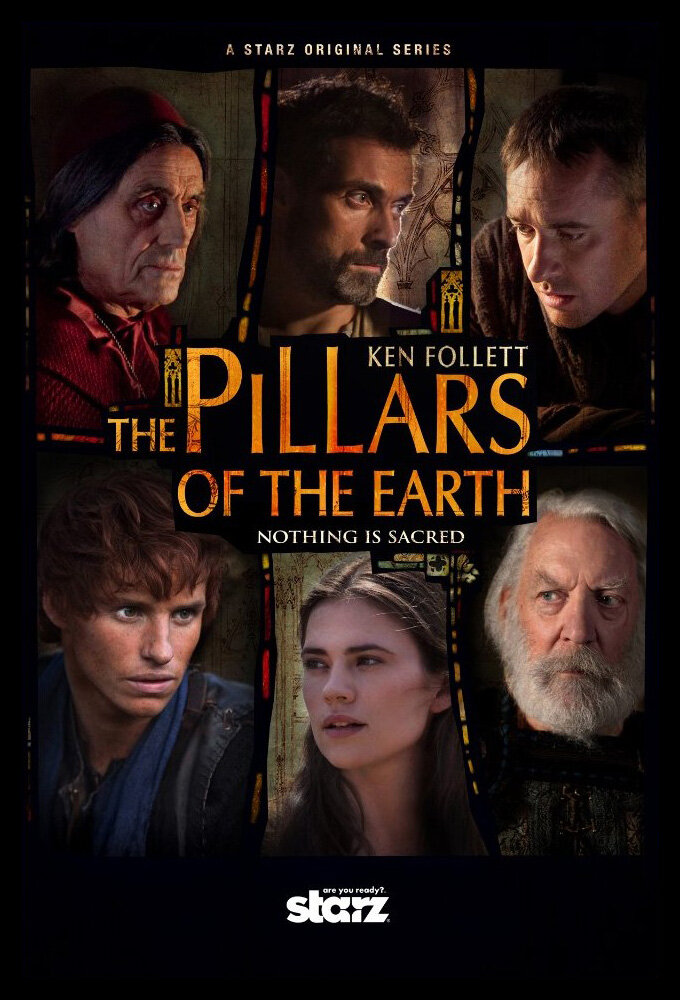
The Pillars of the Earth2010
Both use storytelling as a survival tool within their diegesis. Both nest moral darkness inside genre frames. But where Darkside is mercenary (survive by entertaining), Pillars suggests stories carry weight—that what we choose to tell matters in ways beyond distraction.
A 2010 BBC miniseries: medieval cathedral builders, political intrigue, sorcery, and dark acts nested within a frame of architecture and ambition. Plays like a medieval Canterbury Tales—multiple stories, sexual darkness, the sacred profane. Gorgeous, intricate, unexpectedly violent.
But Dense plotting; you need to pay attention. Pacing is slow by modern standards. Bleak in ways that can feel relentless rather than entertaining.
People
Cast
 Debbie HarryBetty (Wraparound Story)
 Matthew LawrenceTimmy (Wraparound Story)
- David ForresterPriest (Wraparound Story)
 Christian SlaterAndy (segment ‘Lot 249’)
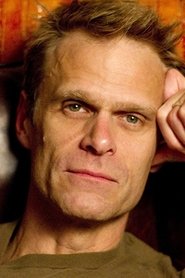 Robert SedgwickLee (segment ‘Lot 249’)
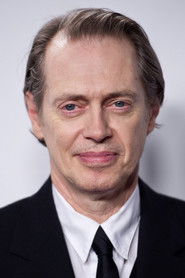 Steve BuscemiBellingham (segment ‘Lot 249’)
- Donald Van HornMoving Man (segment ‘Lot 249’)
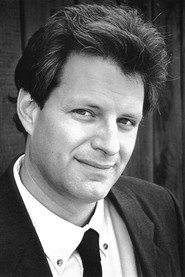 Michael DeakMummy (segment ‘Lot 249’)
 Julianne MooreSusan (segment ‘Lot 249’)
- George GuidallMuseum Director (segment "Lot 249")
 Ralph MarreroCabbie (segment "Lot 249")
 Kathleen ChalfantDean (segment ‘Lot 249’)
Directing
- John HarrisonDirector
- Marybeth HagnerFirst Assistant Director
- Wendy Lee RobertsScript Supervisor
- Amelia VilleroSecond Assistant Director
- Rosemary C. CremonaSecond Assistant Director
Writing
- Arthur Conan DoyleOriginal Story
- Michael McDowellOriginal Story
- Stephen KingOriginal Story
- George A. RomeroScreenplay
- Michael McDowellScreenplay
- Stephen KingShort Story
- Michael McDowellWriter
Production
- Brian ChavanneCasting
- Julie MossbergCasting
- David R. KappesCo-Producer
- Mitchell GalinProducer
- Richard P. RubinsteinProducer
- Victoria WestheadUnit Production Manager
Recommended by
Tales from the Crypt, Wishmaster, Trilogy of Terror, Creepshow 2, Body Bags, Twilight Zone: The Movie, Cool World, Tales from the Crypt: Demon Knight, Nightmares, Elvira: Mistress of the Dark, Dolls, Campfire Tales, Crimewave, Cabin Boy, Charlotte, Grim Prairie Tales