
Film
Grim Prairie Tales
Two drifters on the prairie trade horror tales by the campfire, each trying to unsettle the other with increasingly dark frontier fables. It's a low-budget anthology with a Western frame and genuine unease, more interested in creeping dread than jump scares. For lovers of campfire horror and character-driven storytelling rather than spectacle.
If you liked this
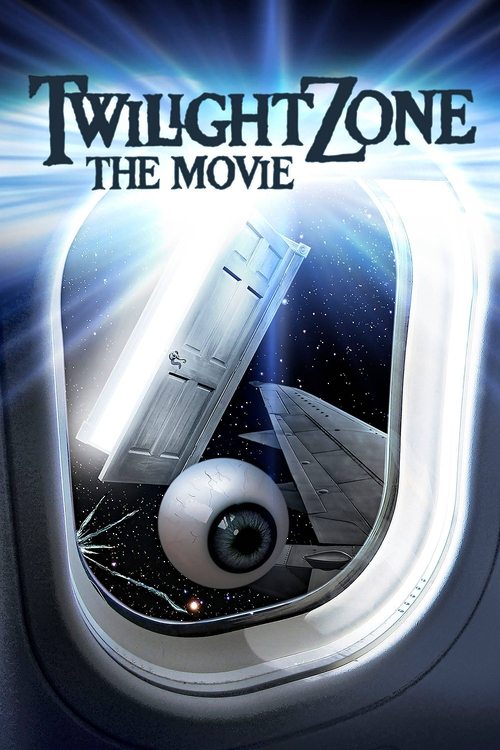
Twilight Zone: The Movie1983
Anthology structure with similar competitive storytelling energy. Each segment offers distinct tones, from comedy to genuine cosmic horror, with strong character work alongside the scares.
But Uneven quality across segments, and the famous tragedy during production casts a shadow many viewers find hard to shake.
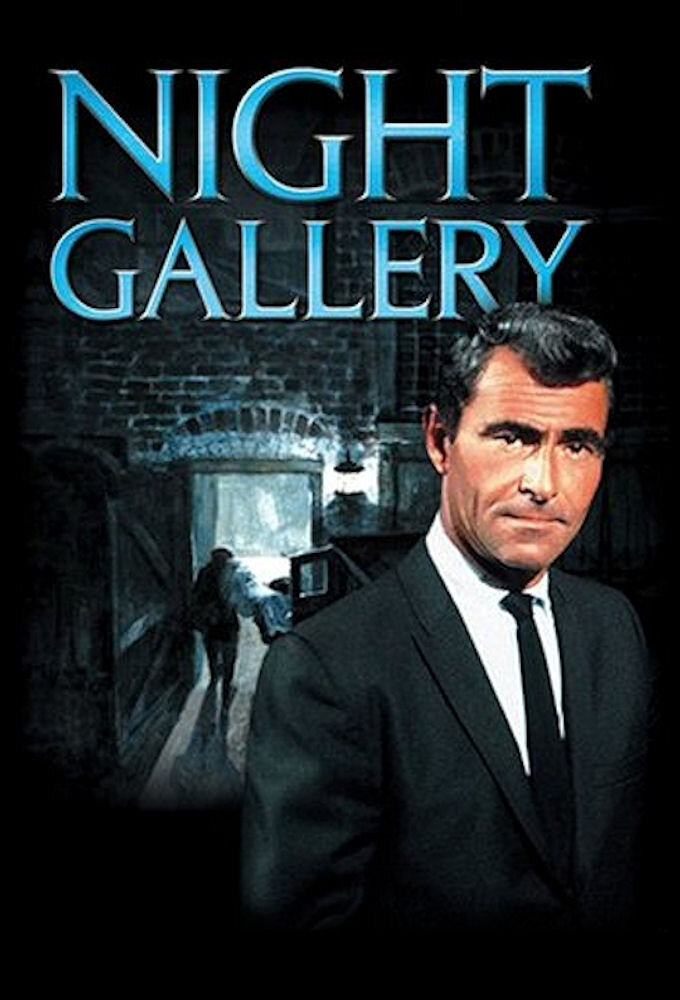
Night Gallery1969
Serling's TV follow-up to Twilight Zone with a horror focus. More grotesque, more philosophical, and often stranger—each story lingers with you afterward.
But Softer production values and pacing that demands patience; some segments feel more like setup than payoff.
The Ballad of Little Jo1993
Revisionist Western with genuine darkness underneath its gender politics. Maggie Greenwald directs with a poet's eye, and Suzy Amis gives a magnetic, complicated performance.
But Deliberately paced and sometimes bleak; the revisionism works better for viewers skeptical of classic Western mythology.

Not sure tonight? Get a pick in a minute, starting from Grim Prairie Tales
The wildcard
Something you would not have found on your own.
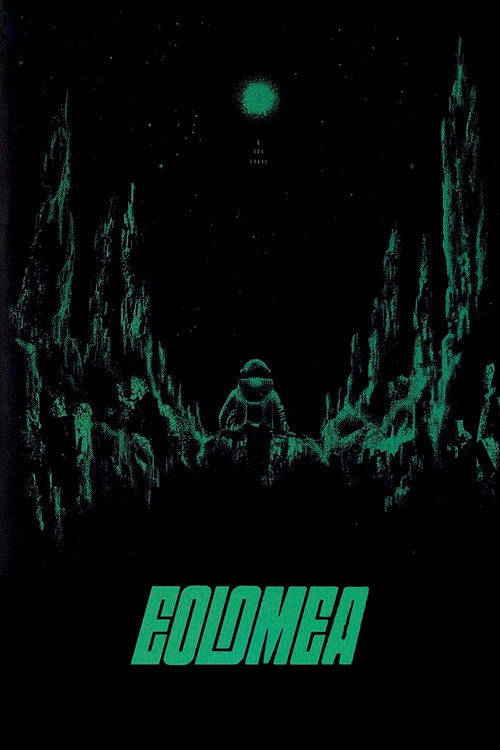
Eolomea1972
The core mechanism is identical: two isolated figures keeping each other company through collaborative storytelling, with philosophical weight underneath.
Hungarian sci-fi film where two cosmonauts trade memories and stories in a ship. It's meditative, strange, and structurally mirrors the campfire premise—two people, limited space, narrative as lifeline.
But Experimental pacing and visual language; subtitled and genuinely slow. Viewers expecting plot momentum will find none.
More like this (8)
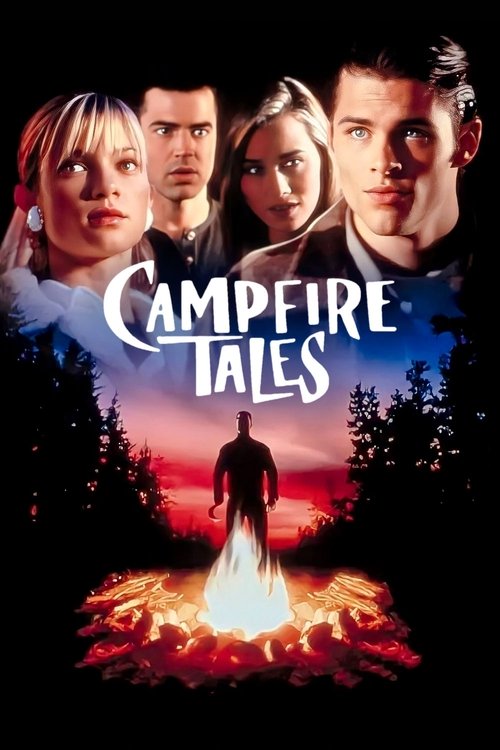
Campfire Tales1997
Younger ensemble trading horror stories between road trips. Leaner and poppier than Grim Prairie Tales, with more genuine scares and a fun ensemble chemistry.
But Slicker and more MTV than literary; some segments border on parody and it doesn't quite earn its tonal shifts.
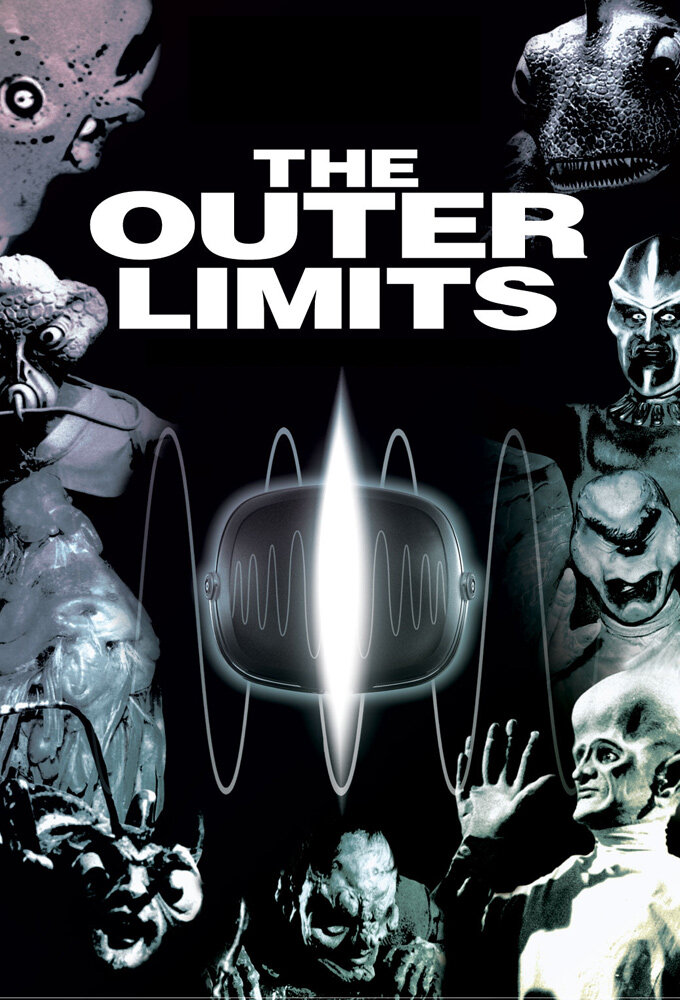
The Outer Limits1963
Science-fiction anthology with atmospheric storytelling and real creature design. Often more thoughtful than Twilight Zone, with better character development per episode.
But Stagey dialogue and visible seams in the low-budget effects; patience required, though that's part of its charm.
Johnny Guitar1954
Nicholas Ray's fever-dream Western, surreal and operatic. Vienna (Joan Crawford) is unforgettable, and the gender dynamics subvert everything you expect from the genre.
But Bizarre tonal choices and melodrama can read as camp rather than intentional; the plot takes strange detours.

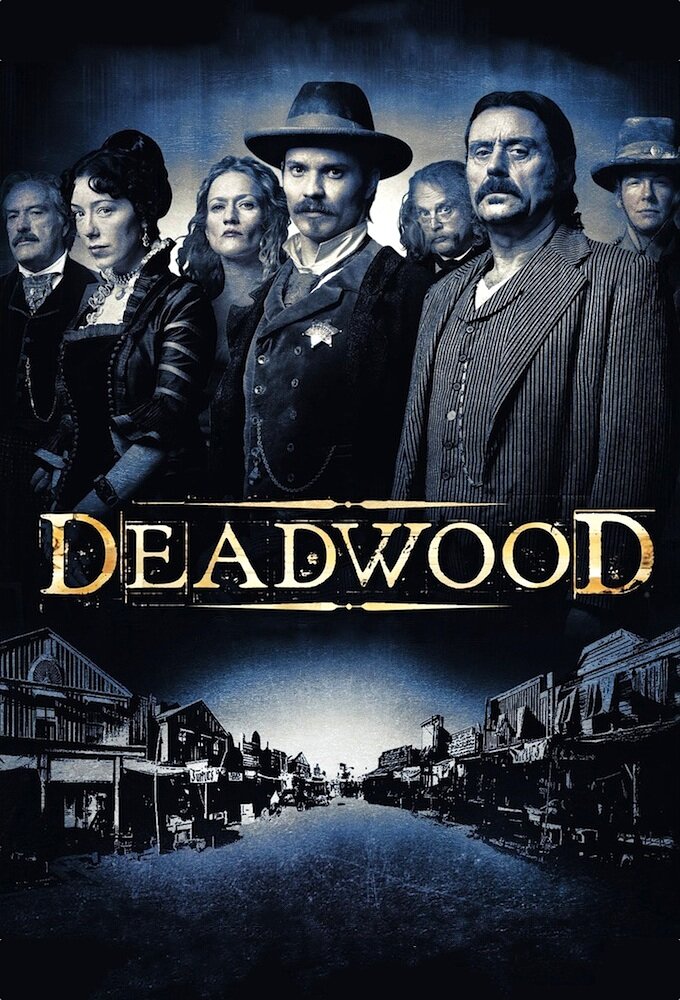
Deadwood2004
Ensemble Western that treats frontier characters with brutal complexity and psychological depth. Sharp dialogue, morally murky storytelling, and genuinely unpredictable.
But Profanity is relentless and the pacing sprawls; watching feels like commitment rather than casual viewing.
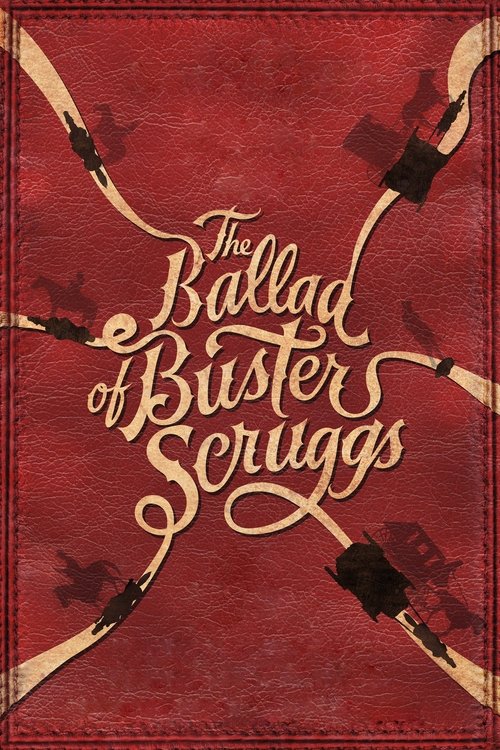
The Ballad of Buster Scruggs2018
Coen Brothers anthology of six Western-inflected stories. Each is formally inventive, darkly funny, and rooted in character. Mixing genres feels like play in their hands.
But Comedy tone won't appeal if you want pure horror; some segments feel like sketches rather than complete narratives.
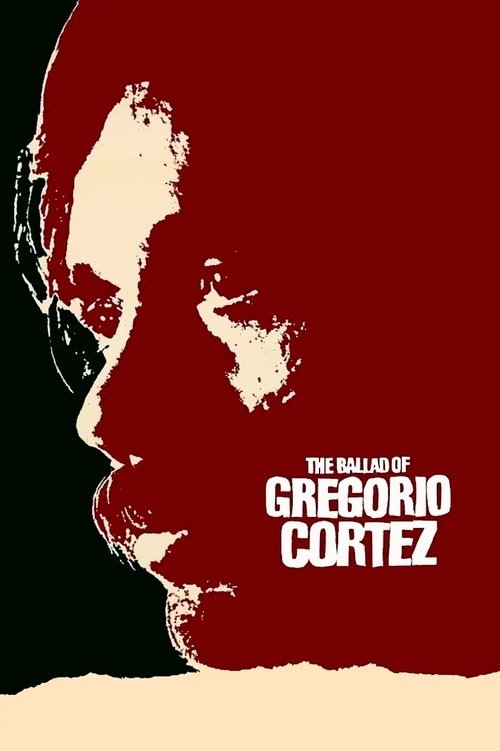
The Ballad of Gregorio Cortez1983
Quiet revisionist Western with Edward James Olmos, examining border mythology and racial justice through folk-tale narrative structure. Genuinely moving.
But Very slow, very deliberate; minimalist approach to drama means the emotional payoff comes late or not at all for impatient viewers.
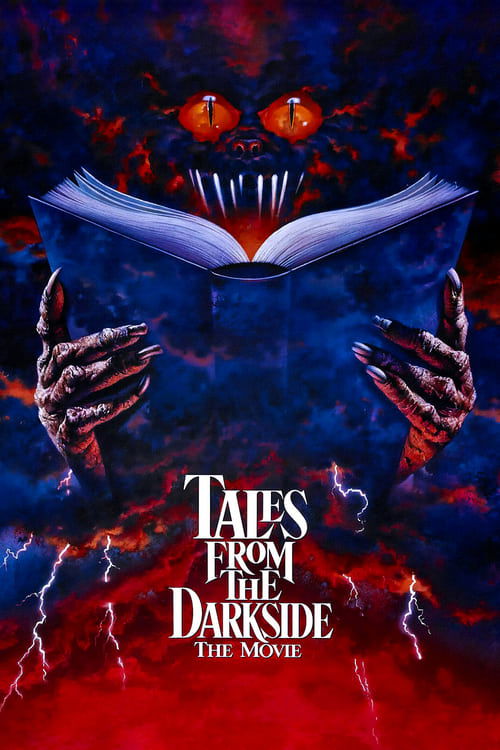
Tales from the Darkside: The Movie1990
Competitive storytelling between strangers where the frame matters as much as the tales; both understand horror as intimacy and performance.
Delightfully trashy anthology where a murderer reads stories to her intended victim. It leans into pulpy fun without abandoning craft, and the frame story is genuinely clever.
But Tone is deliberately B-movie; if you want seriousness over atmosphere, this winks too much for you.
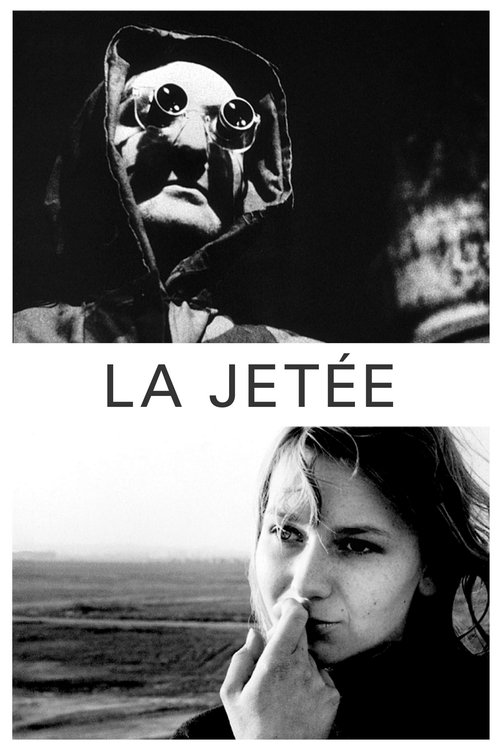
La Jetée1962
Both prioritize atmosphere and character psychology over plot machinery; both use constraint (a prairie, a darkroom) to deepen intimacy between participants.
Chris Marker's science-fiction poem told almost entirely in still photographs. It's like campfire storytelling translated into pure cinema—hypnotic, haunting, structurally unconventional.
But Only eight minutes of actual dialogue; told through narration and stills, which means you have to surrender to abstraction rather than conventional narrative.
People
Cast
 James Earl JonesMorrison
 Brad DourifFarley
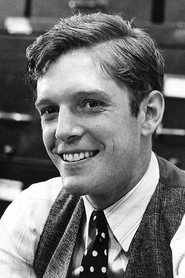 William AthertonArthur
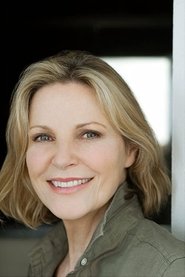 Lisa EichhornMaureen
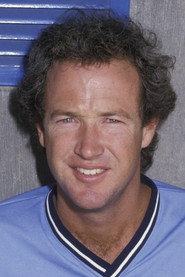 Marc McClureTom
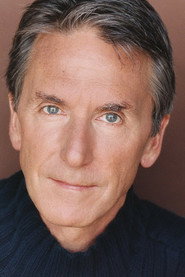 Scott PaulinMartin
 Will HareLee
 Michelle JoynerJenny
- Dan LeegantDr. Leaderman
Directing
- Wayne CoeDirector
- Chris BongirneFirst Assistant Director
- Laura ShrewsburyScript Supervisor
Writing
- Wayne CoeWriter
Production
- Chet HalperinAssociate Producer
- Evan BrownsteinAssociate Producer
- Ron WiltonAssociate Producer
- Herb DufineCasting
- Valerie BeamanCasting Consultant
- Andrzej KamrowskiCo-Producer
- Shirley Honickman HahnExecutive In Charge Of Production
- Larry HuberExecutive Producer
- Rick BlumenthalExecutive Producer
- Bob CraftLocation Manager
- Richard HahnProducer
- Robert GottleibProduction Coordinator
- Jennifer CollinsUnit Production Manager