
Film
Wishmaster
A genie with a malicious grin grants wishes in the cruelest possible way, warping every desire into nightmare fuel. Director Robert Kurtzman's creature-feature debut is pure 90s horror excess: practical effects, B-movie plotting, and an unapologetic commitment to camp. If you love monsters that look like they were sculpted from nightmares rather than rendered on a computer, this is your movie.
Should you watch it?
Watch it if you love grubby, gleefully nasty creature features where a sly, theatrical villain gets to chew the scenery and the gore is handmade and unapologetic.
Skip it if you want a scary film with real dread and restraint; this one is loud, campy and quippy, and the jokes often undercut the tension.
What it asks of you: It runs ninety minutes, moving in bursts of set-piece horror and talky interludes, so keep half your attention on the wisecracks and the rest on the grisly effects.
Not sure? Find tonight's pick in a minute.
If you liked this
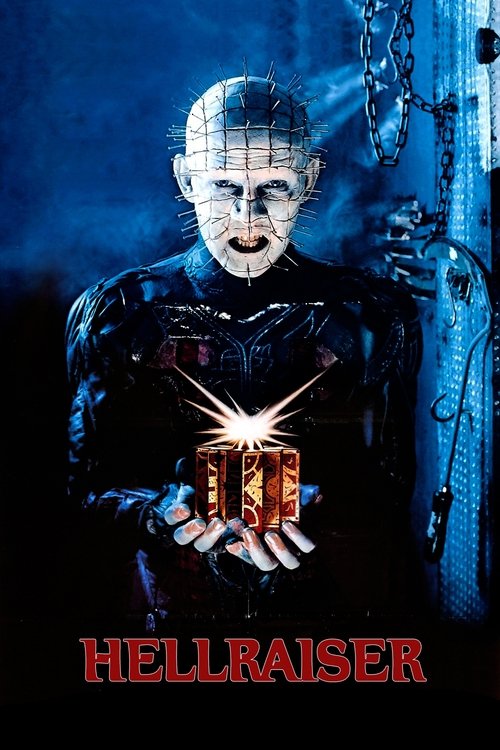
Hellraiser1987
The original demonic djinn-adjacent premise: interdimensional beings make a game of human suffering. Clive Barker's painterly grotesque and obsessive practical effects set the template Wishmaster inherits and riffs on joyfully.
But The sensibility is more European art-horror than American creature feature. It's slow-burn philosophical in ways that a genie-granting-wishes story isn't, which can feel like a tonal mismatch if you want pure entertainment.
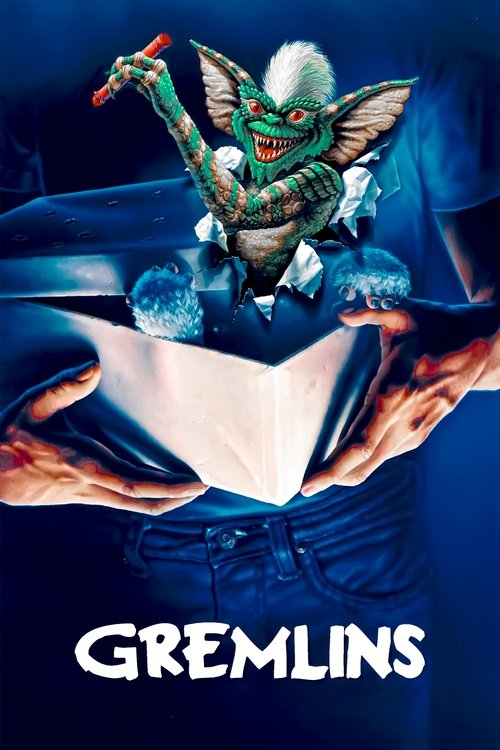
Gremlins1984
Cute supernatural thing with a twisted sense of humour, loose structure, and a body count justified by monster rules rather than plot coherence. That anarchic energy—creatures following their nature regardless of human plans—runs through Wishmaster's DNA.
But It's gentler and funnier than Wishmaster by design. If you're after something darker, the tonal gap might feel like a step backward rather than a different approach to the same idea.
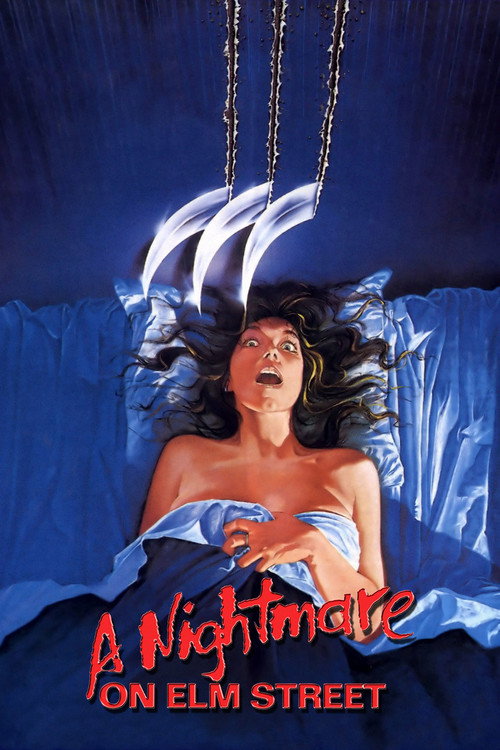
A Nightmare on Elm Street1984
Another 80s icon with a singular gimmick—a killer who operates by dream logic rather than human sense. The Djinn, like Freddy, is defined by a specific supernatural MO that lets the film play the same twisted game over and over.
But Nightmare landed first and did the 'killer with a cruel gimmick' archetype better. Wishmaster sits in its shadow and doesn't have the same cultural weight or screenwriting precision.
Not sure tonight? Get a pick in a minute, starting from Wishmaster
The wildcard
Something you would not have found on your own.
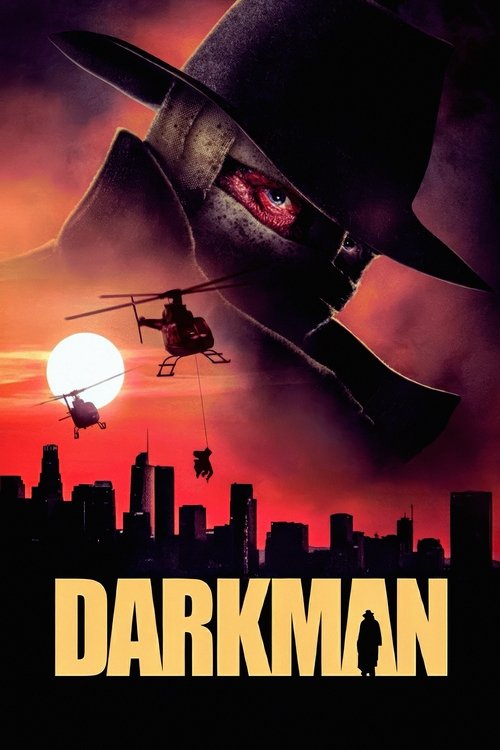
Darkman1990
Both celebrate cinema as practical-effect spectacle and permission to break narrative rules for visual invention. The Djinn and Darkman are cousins—creatures defined by their ability to warp the world through supernatural means, played with genre-film glee rather than naturalism.
Sam Raimi's fever-dream superhero film: pulp plotting, operatic gore, and a creature made of bandages who makes impossible wishes come true through sheer will and technical improvisation. The same giddy invention-under-chaos that makes Wishmaster sing.
But It's structurally messy and tonal whiplash is constant. Raimi's baroque style overwhelms conventional narrative, which reads as incoherence if you're not already on board with that aesthetic.
More like this (8)
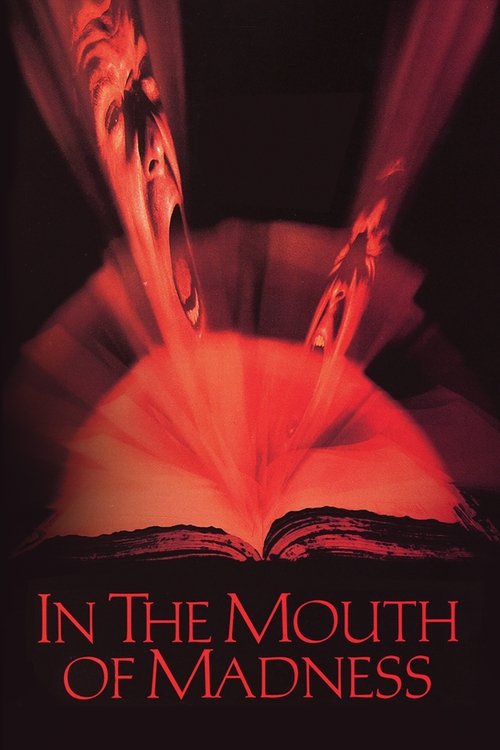
In the Mouth of Madness1995
John Carpenter's reality-bending horror-adventure where supernatural rules take precedence over physics or reason. That permission to just *be weird* without explaining everything—the same generosity Wishmaster extends to its monster logic.
But It's meditative and oblique about its themes. Wishmaster is more interested in showing you a cool monster doing cruel things; Madness asks philosophical questions that might feel slow if you're hunting spectacle.
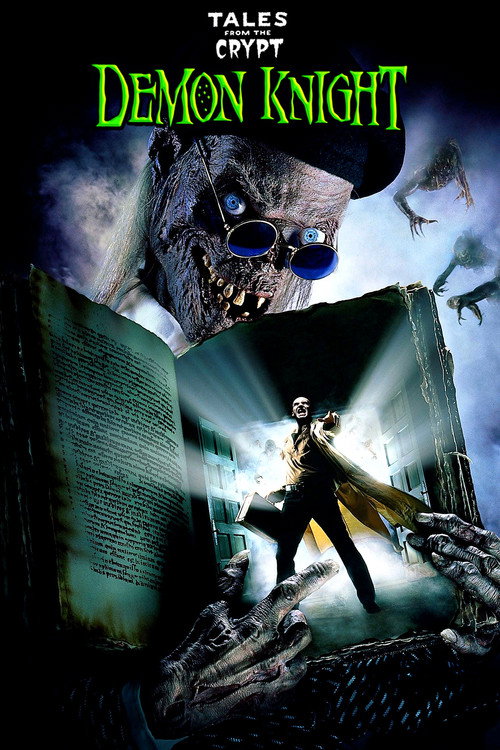
Tales from the Crypt: Demon Knight1995
A grotesque supernatural entity hunts specific humans with colorful cruelty, backed by creature design so aggressive it almost becomes funny. Tales from the Crypt's horror-comedy register and practical-effect commitment feels like a sibling film.
But It's grindhouse-adjacent in a way that won't suit everyone. Some viewers find the tonal mixture of horror and campiness jarring rather than fun.
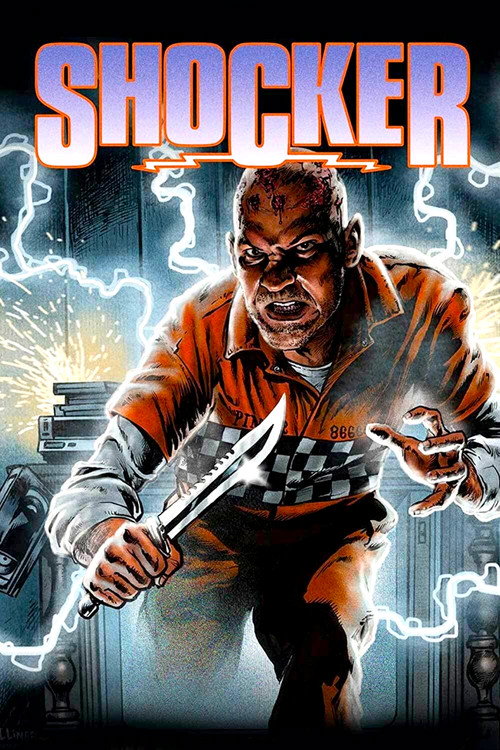
Shocker1989
Wes Craven's synth-soaked romp where a serial killer becomes a supernatural trickster with reality-warping powers. The film doesn't take itself seriously, and neither should you—permission to have fun with a concept.
But It's genuinely messy and plot logic collapses under inspection. If you need coherence or restraint, Shocker will frustrate you.
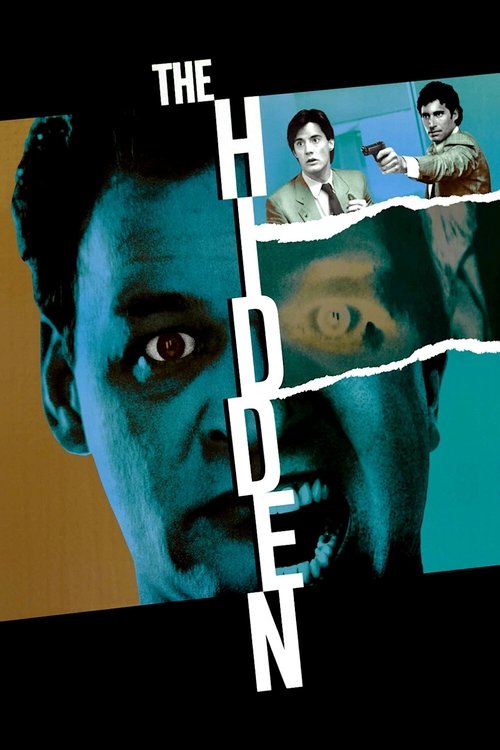
The Hidden1987
An alien creature jumps between bodies, making deals and causing chaos. There's a pleasure in watching a film that's more interested in 'what if?' scenarios and creative set pieces than three-act structure.
But The action-thriller elements date it heavily, and the tone is uneven. Some stretches feel like a standard 80s action film, which dilutes the weirdness that made it special.
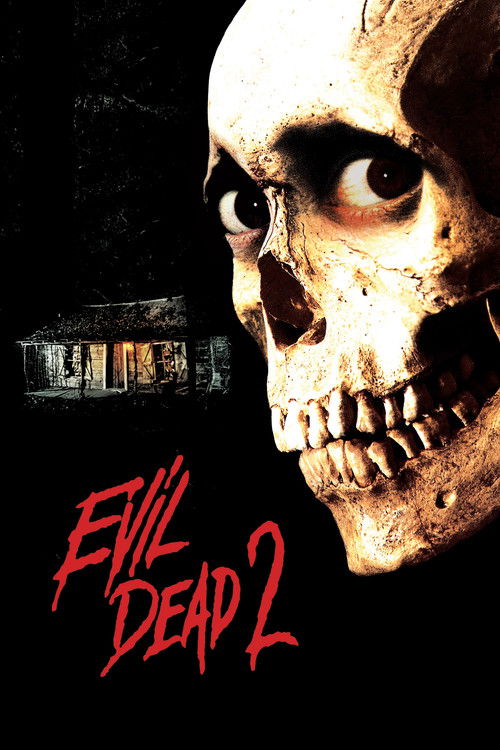
Evil Dead II1987
Sam Raimi embraces slapstick-horror tone with unapologetic joy, practical effects, and an anything-goes attitude to logic. The film's permission structure—where spectacle and gore are valid storytelling tools—is Wishmaster's spiritual DNA.
But The comedy is very broad and the plotting is subordinate to setpieces. If you're looking for something more grounded or plot-driven, this will feel like indulgent noise.
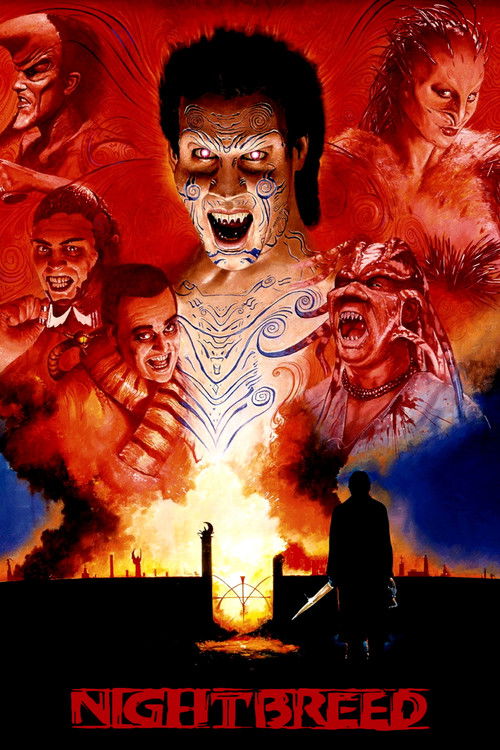
Nightbreed1990
Cronenberg-adjacent creature-design sensibility, an underworld of monsters, and narrative energy that prioritizes visual invention over logic. A film that celebrates the monster's perspective and aesthetic, much like Wishmaster does.
But It's visually overstuffed and narratively scattered. The plot is genuinely hard to follow, and some viewers find that fragmentary nature frustrating rather than liberating.
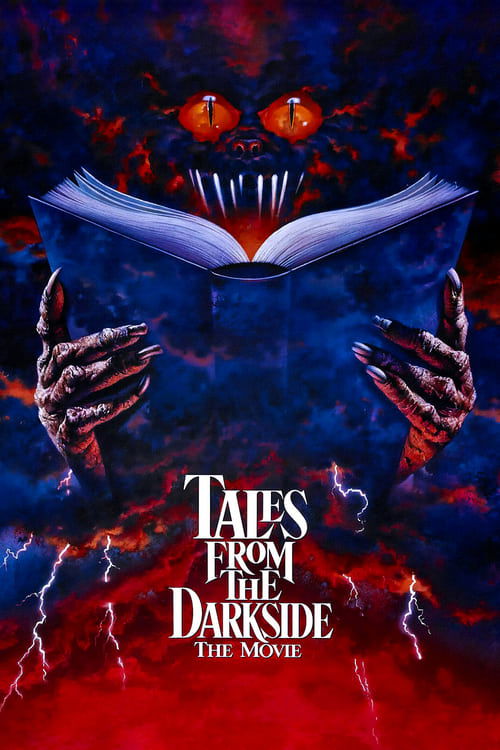
Tales from the Darkside: The Movie1990
Both traffic in creature-design as the main event and treat the monster as the film's real protagonist. The Djinn and Darkside's creatures operate by their own rules and the plot serves their nature rather than the reverse.
A portmanteau horror-comedy where a creature from ancient myth makes a Faustian pact. Low budget, practical monsters, and a refusal to choose between scares and laughs. The anthology structure lets it play with tone in ways feature narratives can't afford.
But Anthology films are uneven by design. There's genuinely a bad segment here (the 'mummy story'), and the framing device is creaky. You're committing to three different tones and one will probably land poorly for you.
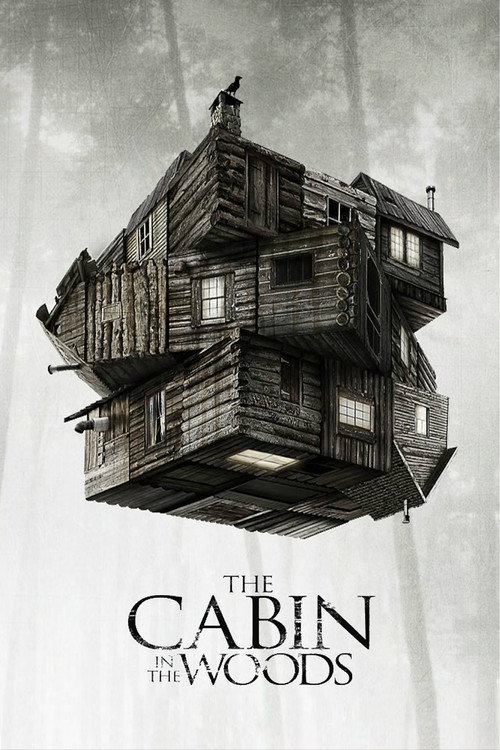
The Cabin in the Woods2012
Both are fundamentally about systems and their internal logic. In Cabin, the system is institutional; in Wishmaster, it's supernatural. But each film's engine turns on characters trapped in rules they don't understand, and the camera finds darkly funny joy in watching them play within those rules.
A film about supernatural rule-following and wish-logic taken to its structural extreme: the whole plot is a machine designed around granting specific types of horror. It winks at the audience about the scaffolding holding genre films together, which Wishmaster does by accident.
But It's meta-horror commentary rather than straightforward creature feature. The film asks you to enjoy its reference game; if that register feels exhausting or smug, the whole experience collapses.
People
Cast
 Angus ScrimmNarrator (voice)
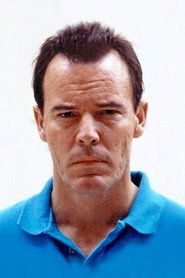 Andrew DivoffThe Djinn
 Tammy LaurenAlexandra Amberson
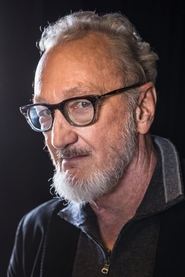 Robert EnglundRaymond Beaumont
 Ari BarakZoroaster
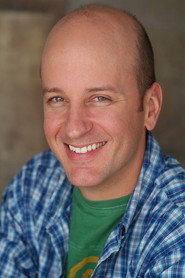 Jake McKinnonSkeleton Man
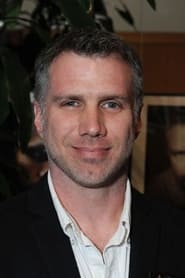 Greg FunkSnake Man
 Richard AssadPersian King
 Ted RaimiEd Finney
 Dan HicksCustoms Official
 Joseph PilatoMickey Torelli
- Tom KendallEtchison
Directing
- Robert KurtzmanDirector
- Licia WolfScript Supervisor
- Nicole StavroScript Supervisor
- Allen KupetskySecond Second Assistant Director
Writing
- Peter AtkinsScreenplay
Production
- Cathy HendersonCasting
- Dori ZuckermanCasting
- Randy CallahanCasting Assistant
- Julien ThomasCasting Associate
- Robyn Owen SilvestriCasting Associate
- Wes CravenExecutive Producer
- Clark PetersonProducer
- Noël A. ZanitschProducer
- Pierre DavidProducer