
Film
A Nightmare on Elm Street
Wes Craven's 1984 slasher didn't just add a new mask to the pile — it gave horror a genuinely fresh nightmare logic. Freddy Krueger, all burned face and razor glove, comes for you in your sleep, which means the only safe place is awake, and awake can't last. Funny, surreal, and properly frightening in stretches, it's essential 80s horror for anyone who likes their scares with imagination.
If you liked this
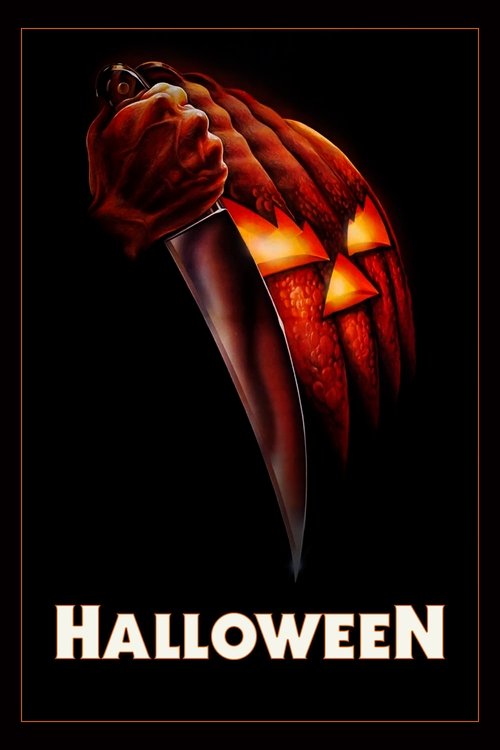
Halloween1978
Carpenter's stripped-down slasher is the blueprint Craven was riffing against — pure stalking dread, minimal gore, a synth score that does half the work. See where the genre's rules came from.
But Glacially paced by modern standards; if you want jump scares and kills, this makes you wait.
Friday the 13th1980no page yet
The other great 80s slasher franchise-starter, cruder and gorier than Elm Street, with Tom Savini's practical effects doing the heavy lifting. Pure summer-camp body-count fun.
But Thinner characters and a much simpler premise — no dream logic, just a killer in the woods.
A Nightmare on Elm Street 3: Dream Warriors1987no page yet
The sequel that leans fully into the surreal dreamscape idea, with wilder set-pieces and a young Patricia Arquette leading a group of teens fighting back with their own dream powers.
But Freddy gets funnier and more of a showman here, which some purists feel dilutes the original's menace.
The wildcard
Something you would not have found on your own.
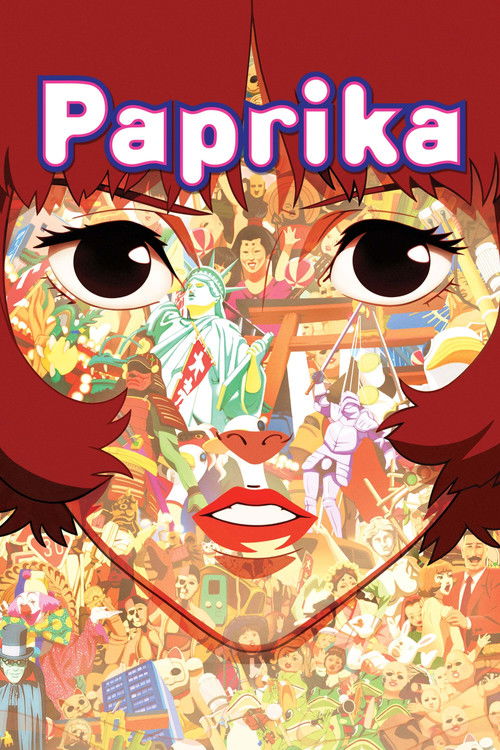
Paprika2006
Same core nightmare — a predator who can reach you only through sleep, and the horror of a boundary between dream and reality collapsing — reimagined as psychedelic anime rather than slasher.
A Japanese anime about a device that lets people enter each other's dreams — and a villain using it to invade and dissolve the line between sleep and waking life.
But Dense, trippy, and more cerebral sci-fi than horror; it asks you to follow dream-logic rather than fear it.
More like this (7)
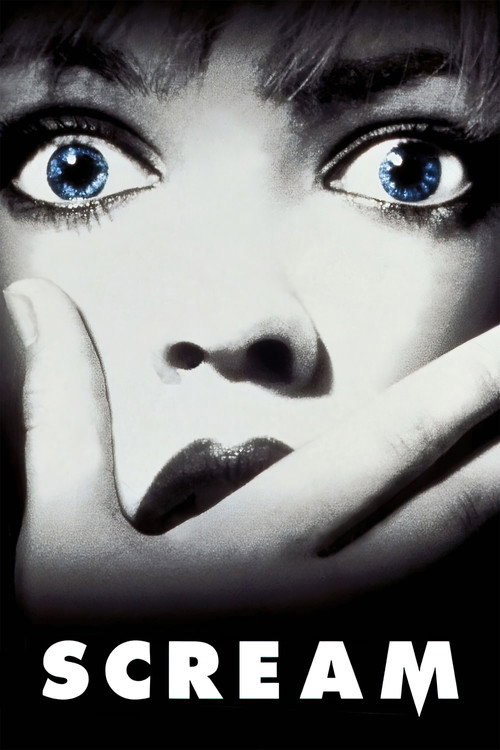
Scream1996
Wes Craven turning around a decade later to gleefully dissect the genre he helped build. Sharp, self-aware, and still genuinely tense despite all the winking.
But The meta-commentary can feel dated now that every horror film does it; less pure nightmare, more whodunit.
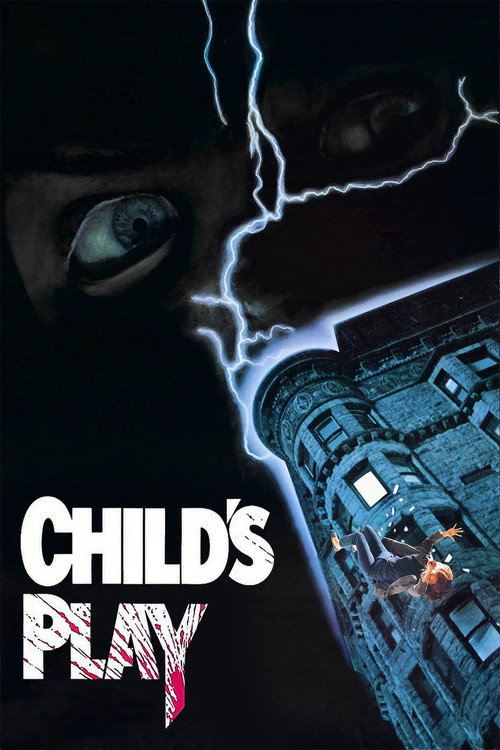
Child's Play1988
Another iconic 80s monster with a killer gimmick — this time a possessed doll — and a similarly gleeful commitment to its own absurd premise.
But Chucky is more comic-book evil than psychologically unsettling; less atmosphere, more schlock.
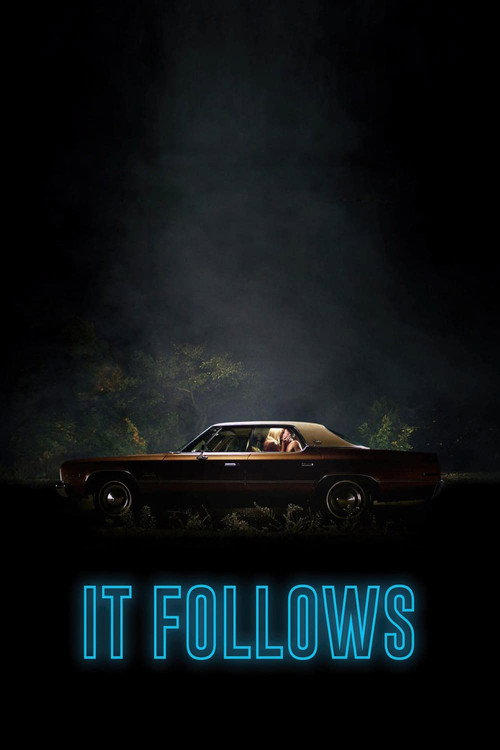
It Follows2015
A modern update on the unkillable, rule-bound stalker, swapping sleep for sex as the vulnerable state. Same dread of never being safe, gorgeously shot.
But Slow-burn and ambiguous where Elm Street is blunt and gory; horror as mood rather than shock.
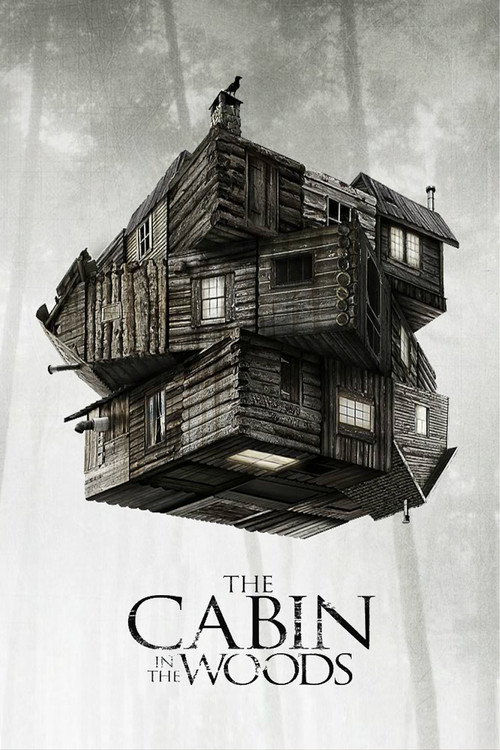
The Cabin in the Woods2012
A loving, twisted deconstruction of every slasher trope Craven and his peers established, with a final act that goes completely off the rails in the best way.
But Needs you to already know the genre's clichés to land its jokes; less scary than clever.
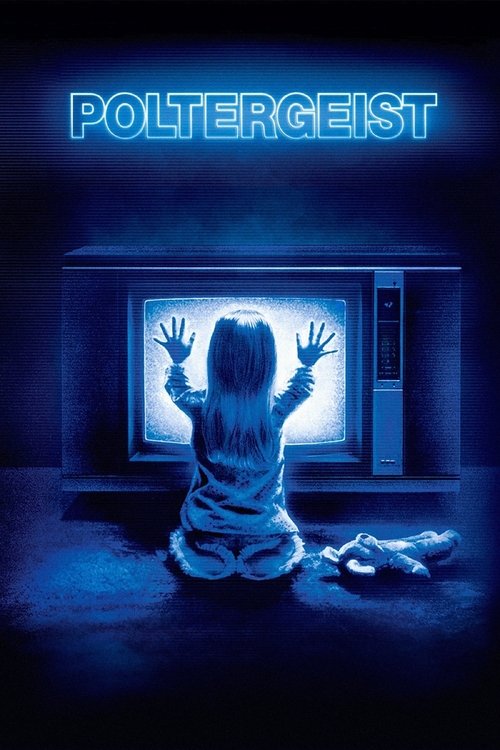
Poltergeist1982
Suburban horror from the same era, trading the bedroom for the whole house, with practical effects that still hold up and a real sense of childhood dread.
But PG-rated scares feel gentler now; more haunted-house spectacle than slasher tension.
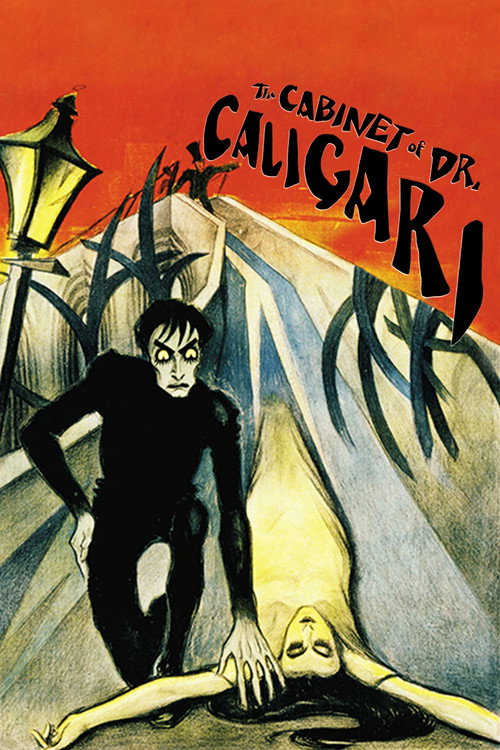
The Cabinet of Dr. Caligari1920
Krueger's boiler-room dreamscape and the film's whole crooked visual grammar trace straight back to Caligari's warped expressionist sets — the look of nightmare on screen starts here, six decades early.
The German Expressionist silent that invented the tilted, warped visual language of nightmare — jagged sets, distorted shadows, a somnambulist killer under someone else's control.
But Silent, theatrical acting, no sound — it demands patience most modern horror fans don't bring to it.
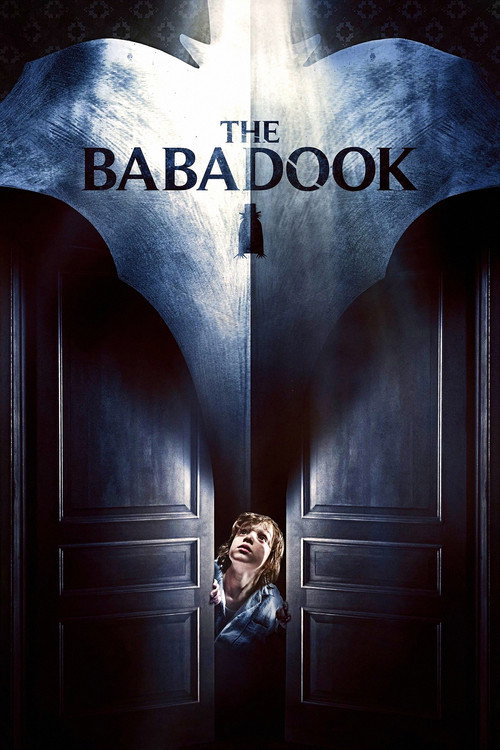
The Babadook2014
Both monsters are literalised trauma — Krueger born of a community's buried guilt over child abuse, the Babadook born of a mother's buried grief — but Craven plays it as slasher spectacle while this plays it as heartbreak.
A grieving mother is stalked by a storybook monster that may be nothing but her own unprocessed trauma given form — quiet, devastating, and far more about grief than gore.
But There's almost no conventional scares or kills; it's a slow character study wearing a horror coat, and some find it more sad than frightening.
People
Cast
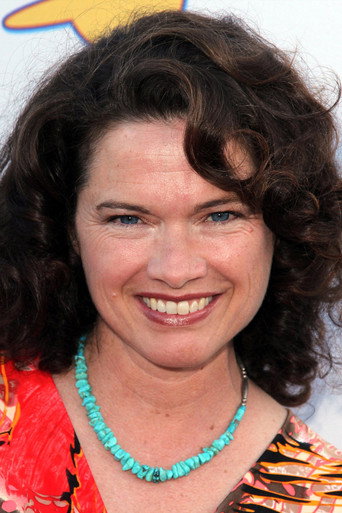 Heather LangenkampNancy Thompson
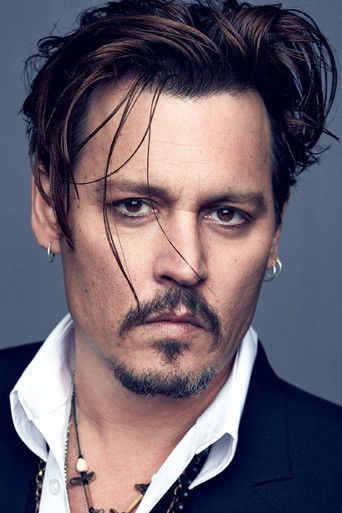 Johnny DeppGlen Lantz
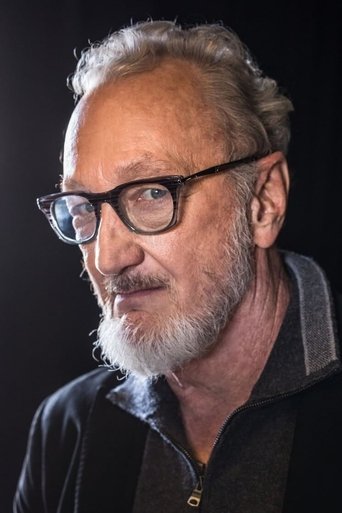 Robert EnglundFred Krueger
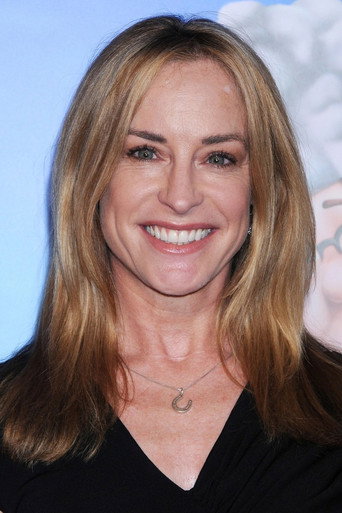 Amanda WyssTina Gray
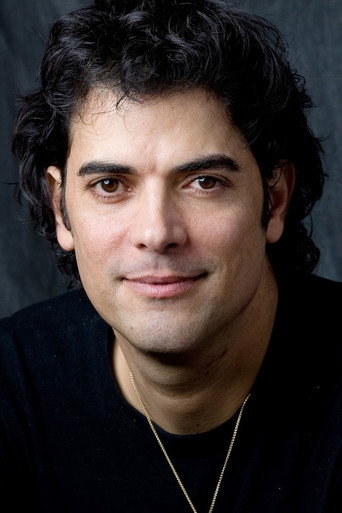 Jsu GarciaRod Lane
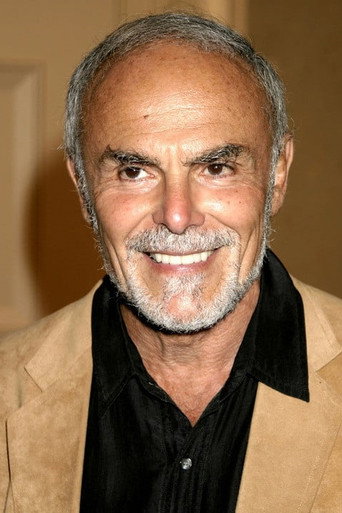 John SaxonLt. Donald Thompson
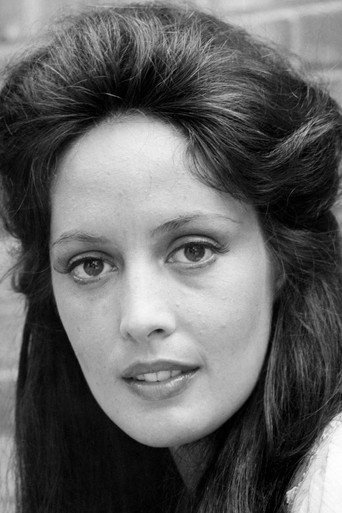 Ronee BlakleyMarge Thompson
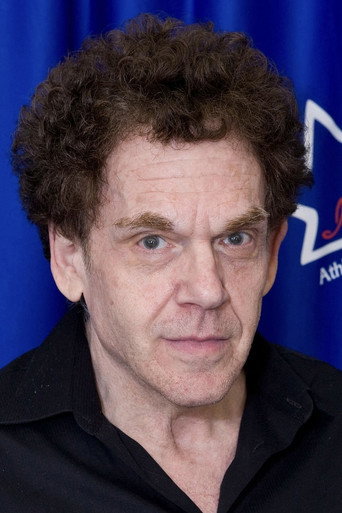 Charles FleischerDr. King
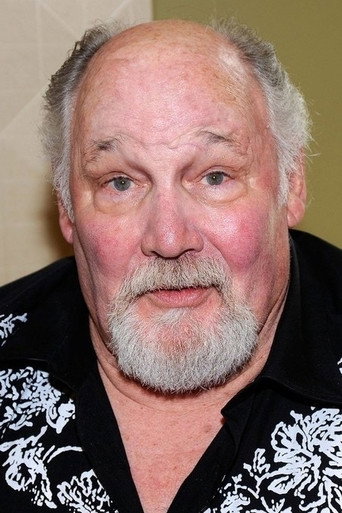 Joseph WhippSergeant Parker
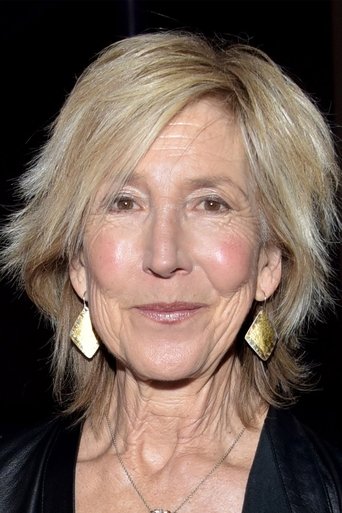 Lin ShayeTeacher
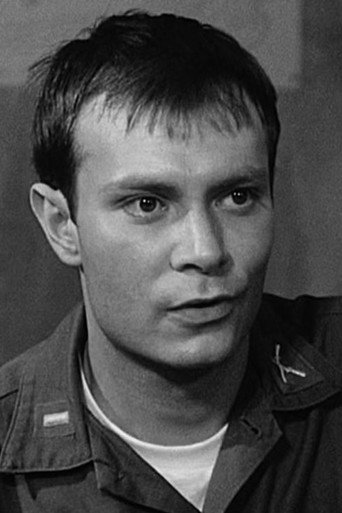 Joe UngerSergeant Garcia
 Mimi CravenNurse
Directing
- Wes CravenDirector
- Nicholas BatchelorFirst Assistant Director
- Kathryn WeygandScript Supervisor
- Peter C. GraupnerSecond Assistant Director
Writing
- Wes CravenWriter
Production
- Rachel TalalayAssistant Production Manager
- Annette BensonCasting
- Joseph WolfExecutive Producer
- Stanley DudelsonExecutive Producer
- Craig PointesLocation Manager
- John BurrowsProducer
- Robert ShayeProducer
- Sara RisherProducer
- Lisa C. CookProduction Coordinator
- Stephen AbramsonProduction Executive
- John H. BurrowsProduction Manager
- Amy RabinsProduction Supervisor