
Film
Friday the 13th
- Slasher
- Survival thriller
- Very dark
A sunken-faced killer stalks attractive young people at a summer camp, dispatching them with industrial brutality while they flirt and undress. Friday the 13th is the blueprint for the American slasher: efficient, mean-spirited, and weirdly moral about sex and carelessness. It moves like a thriller, looks like a nightmare, and made horror studios rich for decades.
Should you watch it?
Watch it if you enjoy lean, mean slashers where atmosphere, a rainy lakeside setting and a score that tightens like a fist do more of the work than gore or backstory.
Skip it if you need characters with depth or a plot that explains itself; the young counselors are sketched quickly, and the middle stretch can feel like a long wait between scares.
What it asks of you: Ninety-five minutes of patient build-up, then sharp bursts of violence; you will spend long stretches waiting in the dark and little time being told what to think.
Not sure? Find tonight's pick in a minute.
If you liked this
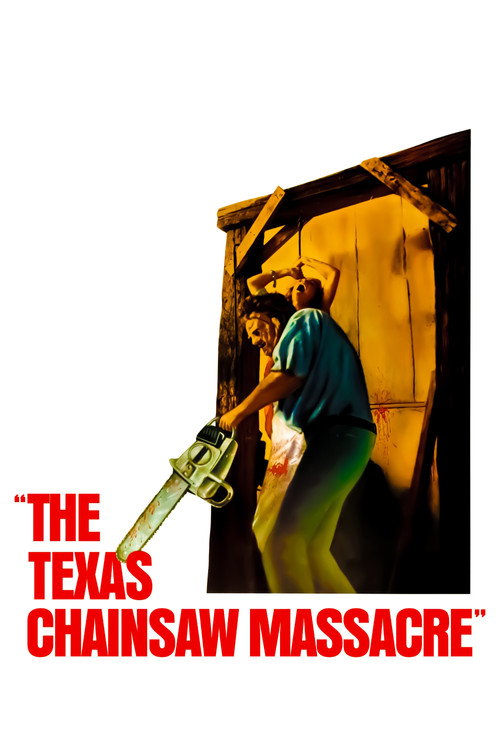
The Texas Chain Saw Massacre1974
Proto-slasher that taught Friday the 13th everything it knows: relentless momentum, a killer who's less a person than a force of nature, and the absolute refusal to let tension drop. Scarier and leaner.
But Grubbier and grainier than Friday the 13th, with an uglier visual palette. Feels more like found footage than a conventional film, which some find alienating.
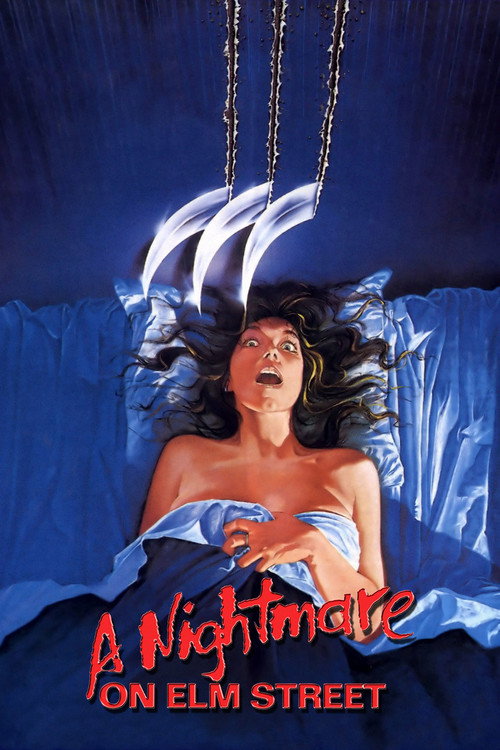
A Nightmare on Elm Street1984
Wes Craven takes the slasher template and invents a killer who's clever, funny, and genuinely supernatural. Freddy feels like a person—a monster who enjoys his work—where Jason is just momentum with a machete.
But Anchored on Johnny Depp before he was famous, and the romance subplot goes nowhere. The dream logic occasionally overrules the scares.
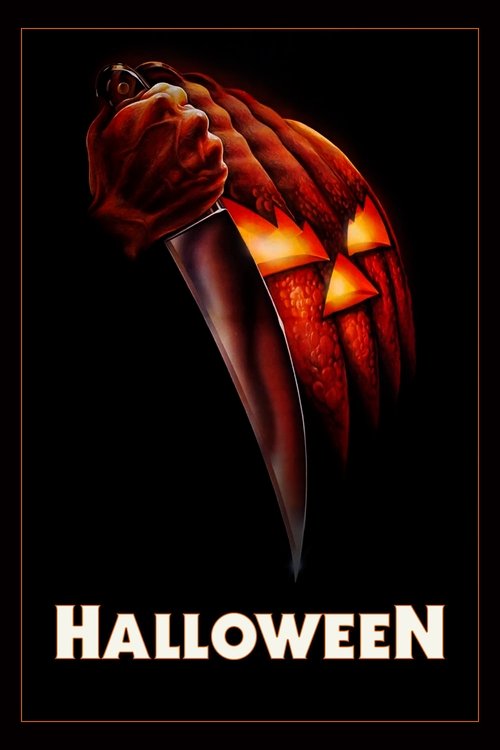
Halloween1978
John Carpenter's masterclass in what you don't show. Michael Myers is barely a character, just a shape following Laurie home. The tension comes from technique: camera movement, sound design, the space between shots. Pure cinema.
But Slower and more meditative than Friday the 13th—you have to sit with dread instead of waiting for kills. Some find it boring before it gets good.
Not sure tonight? Get a pick in a minute, starting from Friday the 13th
The wildcard
Something you would not have found on your own.
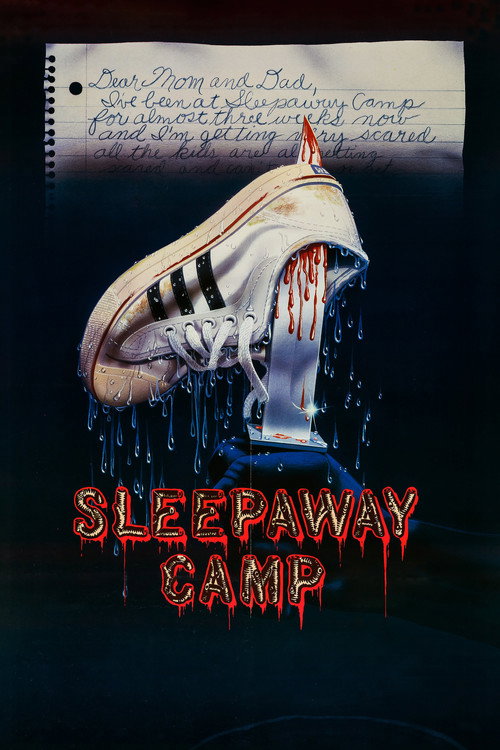
Sleepaway Camp1983
Both are summer-camp slashers made in the early Eighties, but Sleepaway Camp inverts Friday the 13th's morality. Where Friday the 13th punishes transgressions, Sleepaway Camp *is* the transgression—a film that doesn't know what it's saying, and that's the whole point.
A trans child raised as a boy arrives at summer camp and becomes a vessel for the film's queasy subtext. It's garish, ugly, and deeply weird—the final twist is a genuine shock that recontextualizes everything. Not good in the way Friday the 13th is good; transgressive and strange.
But The film uses its trans character as a reveal joke, which is dated and cruel. The acting is amateurish and the mood tonal. Its strangeness is sometimes indistinguishable from incompetence.
More like this (8)
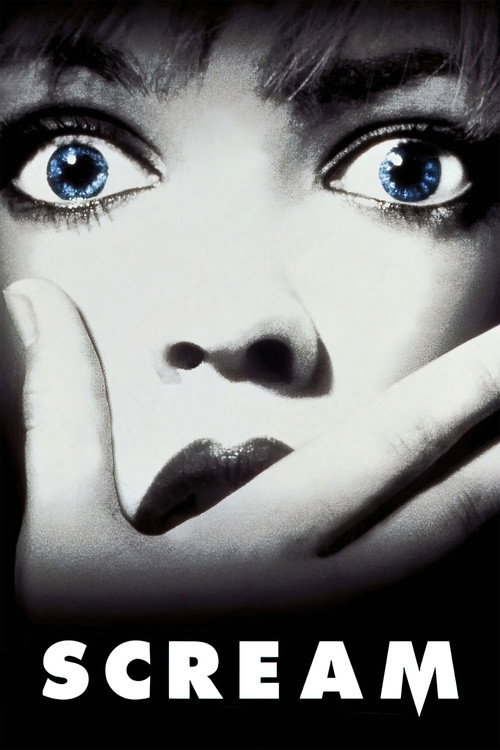
Scream1996
Wes Craven rewrites the slasher contract. It's scary and funny because the characters know all the rules—and die anyway. A franchise film that genuinely reinvents the genre mid-stream, and it knows exactly what it's doing.
But The meta-commentary can feel smug if you're not in the mood. It's also explicitly a Nineties film in every aesthetic choice, which ages it in ways the originals don't.
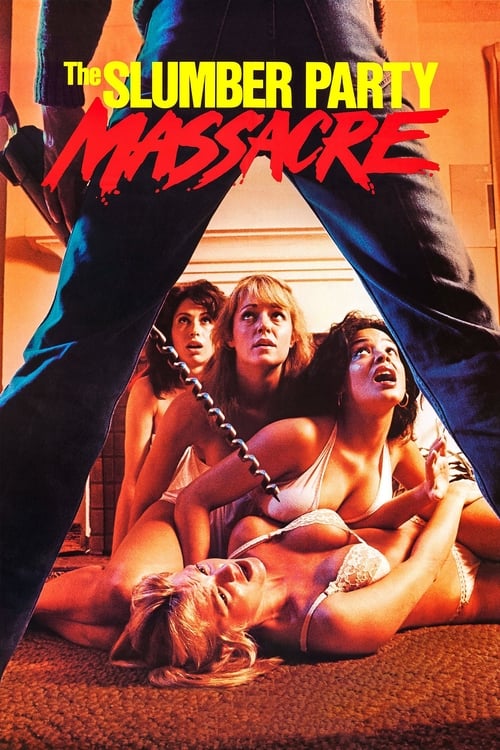
The Slumber Party Massacre1982
Roger Corman's B-picture that proves the slasher needn't be grim to work. It's funny, genuinely erotic, and made by people who had fun making it. A killer with a drill, and a final girl who's actually interesting.
But The budget shows everywhere. Low production values aren't charming if they distract you, and the pacing stutters in the middle.
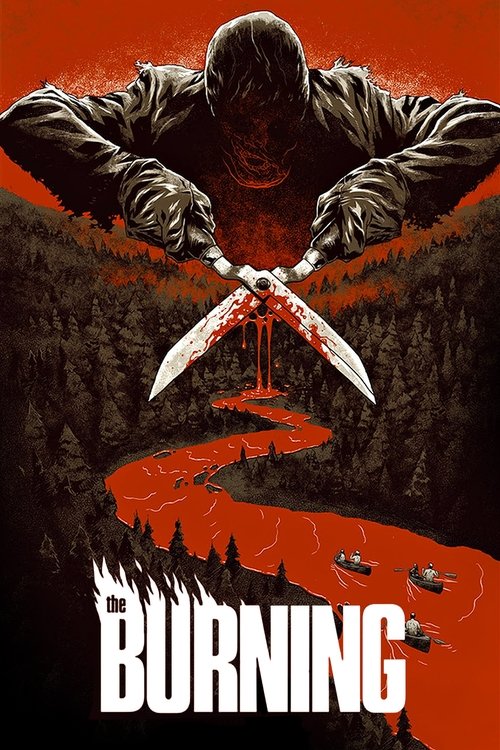
The Burning1981
Barely released and quickly forgotten, this summer-camp slasher outdoes Friday the 13th on atmosphere and special effects. The opening flashback is genuinely disturbing. Jason Alexander and Fisher Stevens before fame.
But The plot mechanics are thin. Once you know the killer's identity, there's not much engine left to drive it.
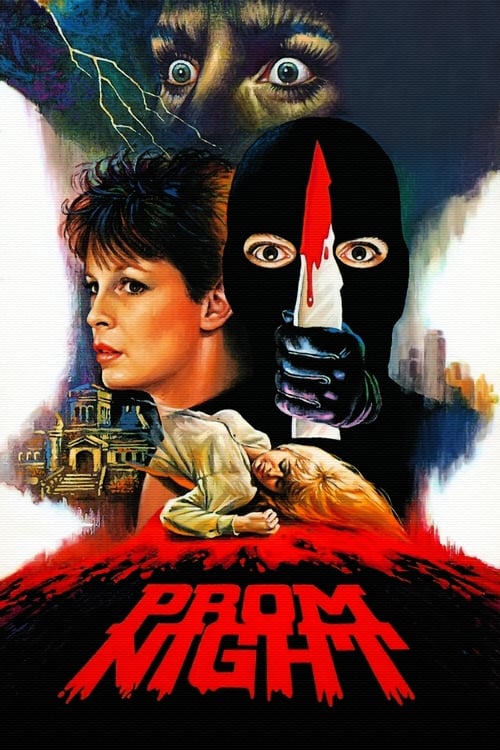
Prom Night1980
Disco-era slasher with Jamie Lee Curtis in survival mode. The final act is relentless, and the film understands that a confined space—a school at night—is scarier than the open woods.
But Leslie Nielsen shows up as a cop and deflates the tension. The middle sags while the film waits for night to fall.
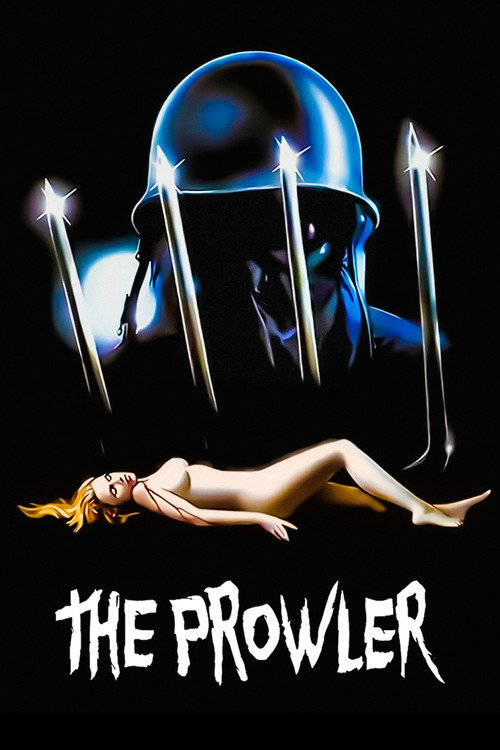
The Prowler1981
A killer in a military uniform stalks a town after a masked ball. It's more interested in the logistics of murder than psychology, and Tom Savini's effects are the real star. An uncomfortably violent little film.
But The setting is generic. Without the kills, there's almost no story, and the narrative padding is obvious.
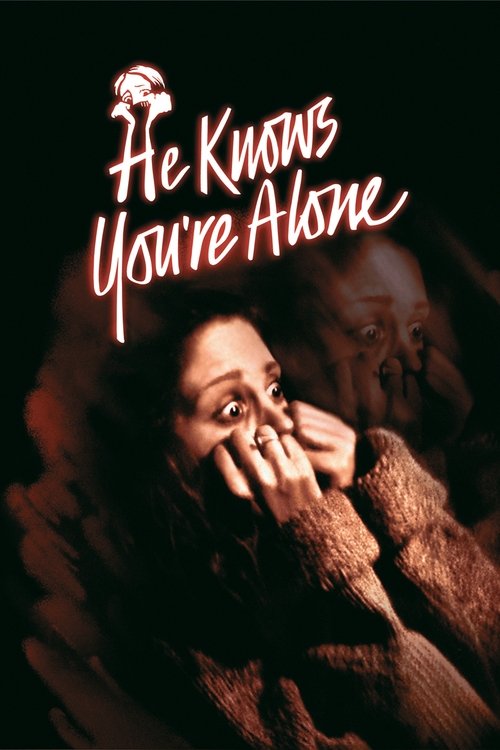
He Knows You're Alone1980
A stalker hunts women before their weddings, and the film takes its premise seriously. Shot with real style by a director who understood suspense. An underrated piece of craft in a crowded field.
But It predates most slasher refinements, so it feels rougher. The protagonist is passive, which reads as a flaw rather than an accident of the era.
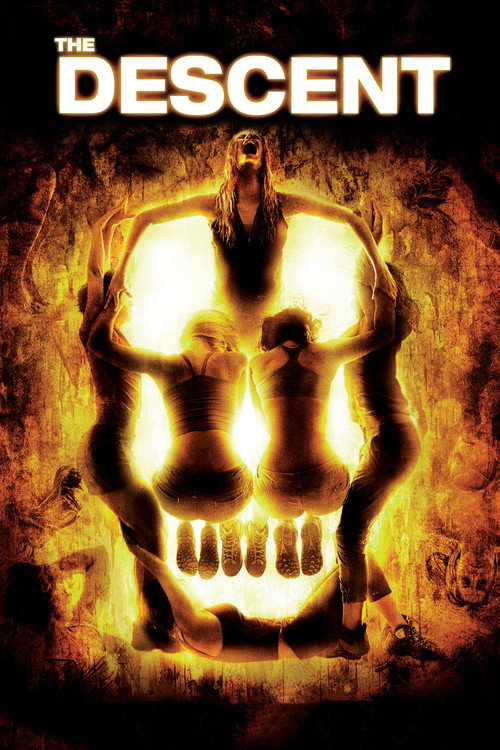
The Descent2005
Both understand that the real horror isn't the killer—it's the moment you realize no one's coming to save you. The Descent just takes that logic further.
Six women explore an unmapped cave system and encounter something hunting them in the dark. It uses enclosed spaces and sensory deprivation where Friday the 13th used open ground and sight lines. Same engine—hunted, helpless, no escape—retooled for claustrophobia instead of isolation.
But Relentlessly grim and nihilistic. There's no final-girl triumph, no moral victory. It wallows in defeat.
Kes1970
Friday the 13th kills counselors because they're careless and young and have money and sex. Kes is about a boy who has none of those things and is destroyed anyway. Both films understand that youth and vulnerability are not moral failings—they're just facts that society exploits.
A working-class English boy trains a hawk. It's patient, observational, and has nothing to do with slashers—until you recognize it's about the same thing: a young person's powerlessness in a system designed to crush them. The hawk is the only thing he controls.
But It's slow, regional, and subtitled in places. There's no genre excitement, no kills, no catharsis. Some will find it unbearably sad.

People
Cast
 Adrienne KingAlice
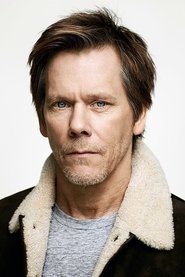 Kevin BaconJack
 Jeannine TaylorMarcie
 Harry CrosbyBill
 Laurie BartramBrenda
 Mark NelsonNed
 Betsy PalmerMrs. Voorhees
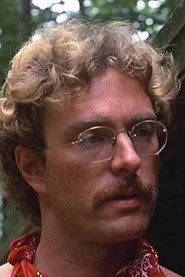 Peter BrouwerSteve Christy
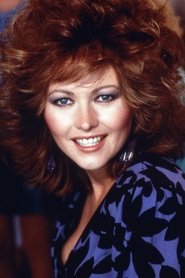 Robbi MorganAnnie
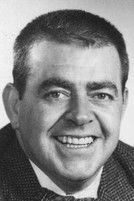 Rex EverhartTruck Driver
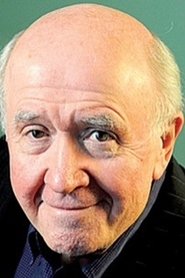 Ronn CarrollSgt. Tierney
 Ron MillkieOfficer Dorf
Directing
- Cindy VeazeyAssistant Director
- Sean S. CunninghamDirector
- Martin KitrosserScript Supervisor
- Stephen RossSecond Assistant Director
Writing
- Victor MillerWriter
Production
- Steve MinerAssociate Producer
- Barry MossCasting
- Julie HughesCasting
- Alvin GeilerExecutive Producer
- Michael CalvelloLocation Coordinator
- Sean S. CunninghamProducer
- Cecilia VerardiProduction Assistant
- Michael BarryProduction Assistant
- Michael HallProduction Assistant
- Willie AdamsProduction Assistant
- Denise PinckleyProduction Office Coordinator
- Steve MinerUnit Production Manager
Recommended by
Halloween, Sleepaway Camp, Rikers, A Nightmare on Elm Street, I Know What You Did Last Summer, Copwatch, Scared Straight!, Twilight Zone: The Movie, Beyond Scared Straight, Solitary, Let the Fire Burn, The Burning, Hatchet, The Mask You Live In, He Knows You're Alone, Dead of Summer, The Slumber Party Massacre, The Prowler, The Final Terror, Friday the 13th Part 2, My Bloody Valentine, Madman, Terror Train, Don't Go in the Woods, Graduation Day, The Mutilator, Friday the 13th Part III, The Dorm That Dripped Blood, Rawhead Rex, Hell Night, Darkroom, Hellbent, Freddy vs. Jason, Deepsea Challenge 3D, Prom Night, Slasher, Backwoods, Suspicions, Leatherface: The Texas Chainsaw Massacre III