
Film
Solitary
Other titles called Solitary: the 2006 series (Fox Reality Channel).
- Prison
- Very dark
- Slow-burning
Solitary follows a year inside Red Onion State Prison's supermax wing, where men spend 23 hours daily in eight-by-ten cells. Through prison footage, guard testimonies, and inmate voices, it examines the psychological toll of extreme isolation on 100,000 Americans. A clear-eyed, unflinching look at what solitary confinement actually does.
Should you watch it?
Watch it if you want a documentary that lets people speak for themselves in quiet, unhurried detail, and you're willing to sit with an uncomfortable subject rather than be handed a verdict.
Skip it if you need a documentary with a clear argument and a steady pace, since this one moves slowly and mostly circles the same cells and confined days.
What it asks of you: Expect a slow, close attention to long stretches of talk and bare corridors, with little music and no relief from the walls for its full eighty-one minutes.
Not sure? Find tonight's pick in a minute.
If you liked this
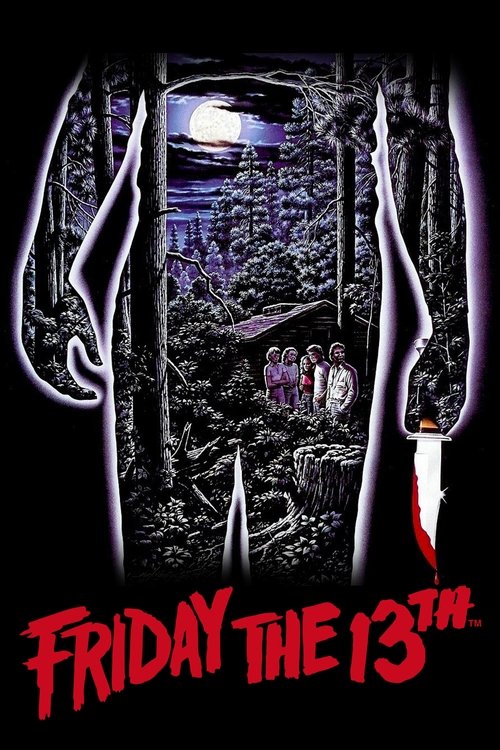
Friday the 13th1980
Ava DuVernay's essential examination of mass incarceration in America and the prison industrial complex's roots in slavery. Angry, articulate, cinematically stunning.
But Dense with statistics and legal history. If you want immersion rather than argument, this leans didactic.
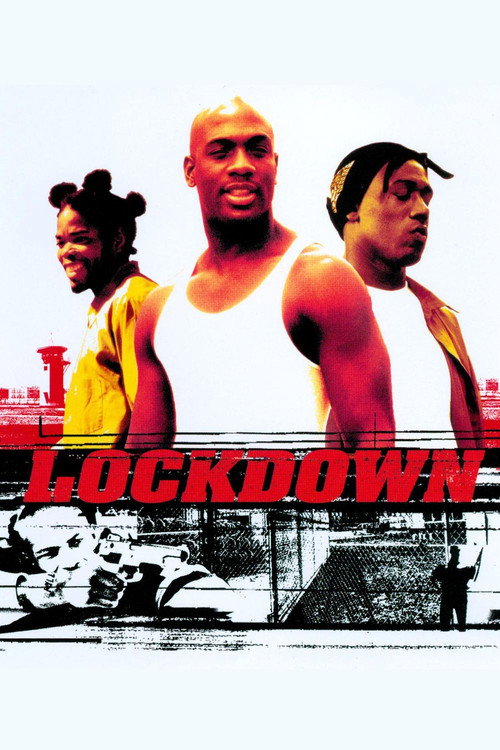
Lockdown2000
Follows inmates at a maximum-security prison over months. Unflinching about violence, power dynamics, and daily survival with genuine human complexity beneath the steel.
But Grainy video quality and pacing that sprawls. Some sequences feel repetitive if you're looking for narrative momentum.
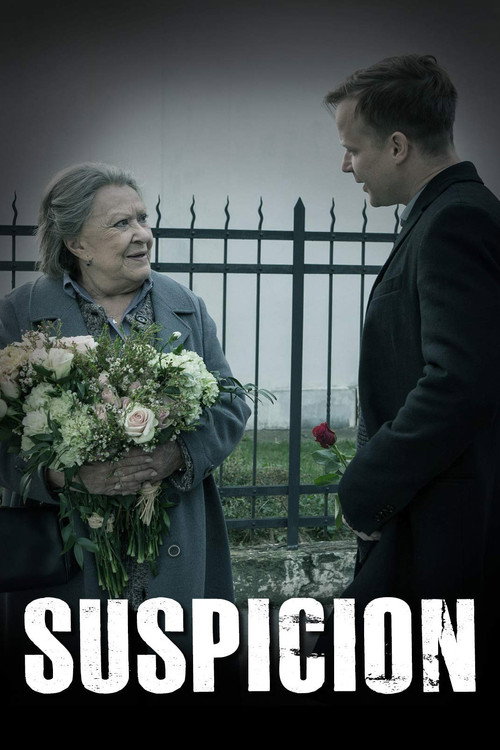
The Cage2019
Follows juveniles in solitary confinement in New York. Recent enough to feel urgent. Focuses on the specific damage isolation does to developing brains.
But Hard to watch emotionally. Long sequences of kids in distress may be too much depending on your headspace.
Not sure tonight? Get a pick in a minute, starting from Solitary
The wildcard
Something you would not have found on your own.
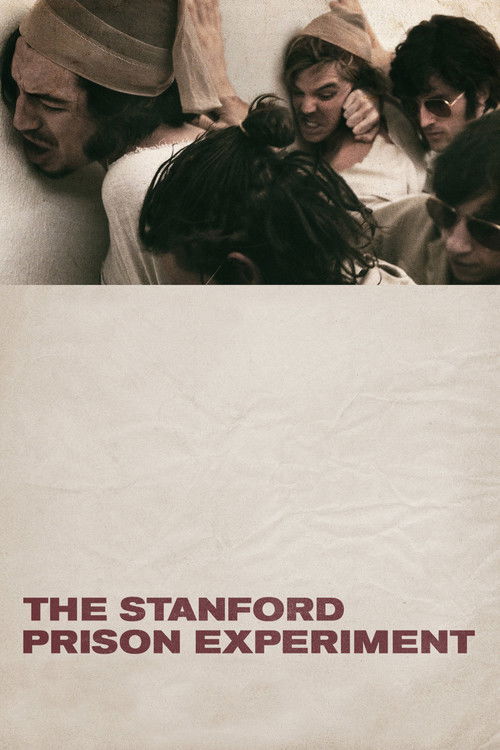
The Stanford Prison Experiment2015
Asks what isolation and total institutional control do to human conscience. Solitary documents the reality; this dramatizes how quickly we create it.
Dramatized account of Zimbardo's 1971 psychological experiment assigning college students as guards and prisoners. Horrifying not because of sensationalism but because ordinary people became cruel in 48 hours.
But The experiment's methodology has been heavily criticized since. Feels like historical artifact rather than current investigative journalism. Dramatization over documentation.
More like this (2)
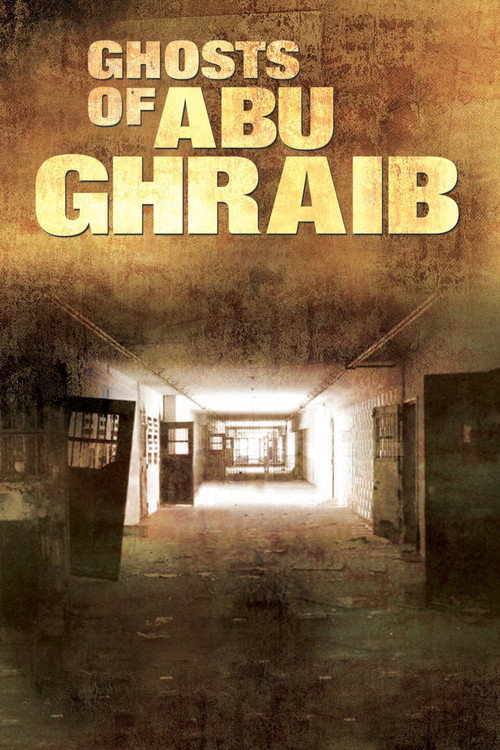
Ghosts of Abu Ghraib2007
Examines prisoner abuse at a detention facility through guards' confessions and investigation footage. Probes moral collapse under institutional pressure—relevant to any prison system.
But War documentary that could feel tangential if you want strictly domestic incarceration focus. Some graphic descriptions of abuse.
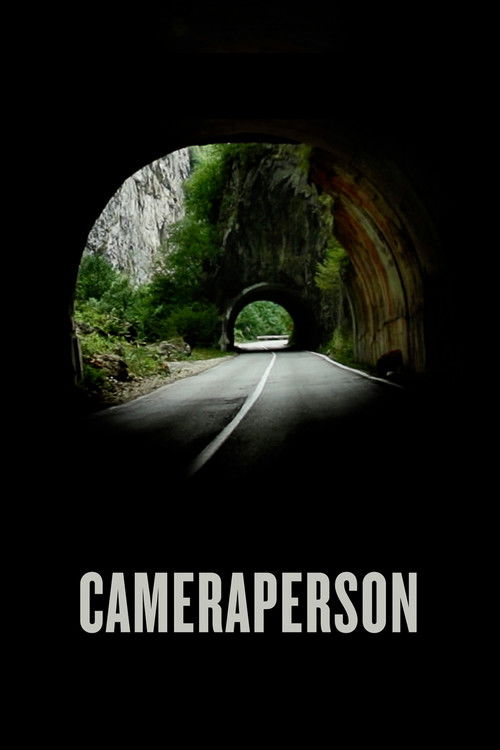
Cameraperson2016
Both confront what it means to truly look at suffering without looking away. Solitary documents American captivity; this questions the ethics of camera presence during atrocity. Same moral reckoning from different angles.
Kirsten Johnson's essay-documentary assembles footage she shot over 20 years covering conflict, trauma, and suffering. Fragments of Rwanda, Palestine, Syria, Afghanistan with no narration—just witness accounts and her own reflection on documentation itself.
But Genuinely difficult to follow narratively. More experimental than explanatory. Some find it self-indulgent rather than illuminating.
People
Directing
- Kristi JacobsonDirector