
Film
Ghosts of Abu Ghraib
Ghosts of Abu Ghraib examines the 2003 prisoner abuse scandal through testimony from guards, detainees, and officials. It's an unflinching documentary that refuses easy villainy, exploring how ordinary people became complicit in atrocity. Essential viewing for understanding institutional failure, moral compromise, and the costs of war to everyone involved.
Should you watch it?
Watch it if you want a sober, document-driven look at how a prison scandal was produced and then explained away, with former soldiers and officials speaking plainly on camera.
Skip it if you are after a fast-moving investigation with a tidy arc; this is a single-subject film that circles the same questions and lingers on hard testimony.
What it asks of you: About seventy-eight minutes of steady, unhurried interviews and archive material, with little music or narration to soften the material. It asks you to stay with uncomfortable accounts rather than be guided through them.
Not sure? Find tonight's pick in a minute.
If you liked this
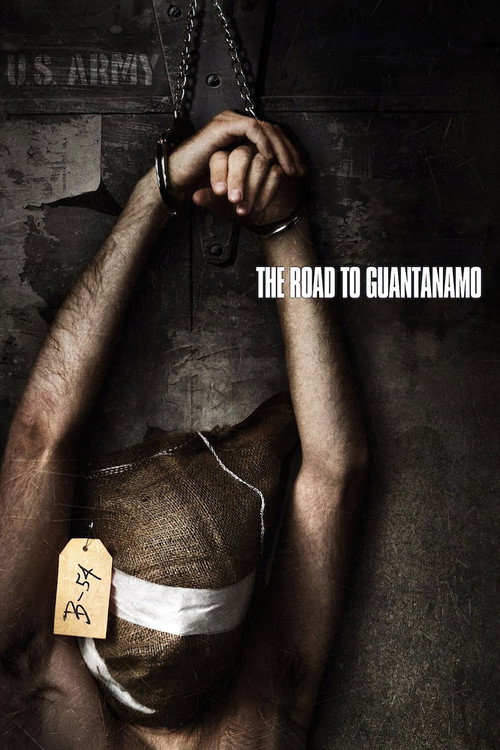
The Road to Guantanamo2006
Traces three British detainees' journey into Guantanamo Bay, offering the perspective that Abu Ghraib's documentation couldn't capture. Raw and horrifying, it grounds the machinery of detention in human bodies and broken minds.
But The quasi-dramatization approach feels dated now, and the pacing can feel glacial when you know where it's heading.
Standard Operating Procedure2008
Errol Morris investigates Abu Ghraib through photographs and interviews with the soldiers who took them. It's methodical, haunting, and refuses to let viewers off the hook with simple answers about evil and complicity.
But Morris's formal approach—talking heads, stills, animation—can feel distancing when the subject demands emotional immediacy.

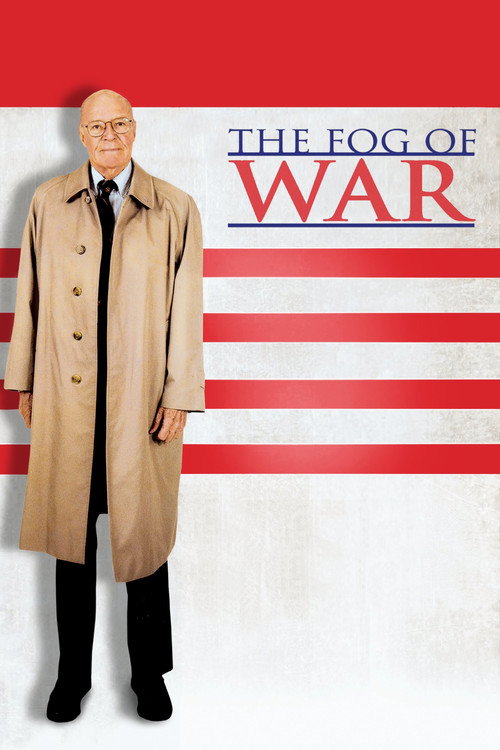
The Fog of War2003
Robert McNamara reflects on decision-making in warfare and the gap between intention and consequence. A masterclass in how intelligent people rationalize catastrophic choices, directly relevant to understanding institutional abuse.
But It's largely McNamara defending himself, and his composure might frustrate you if you want him to break.
Not sure tonight? Get a pick in a minute, starting from Ghosts of Abu Ghraib
The wildcard
Something you would not have found on your own.
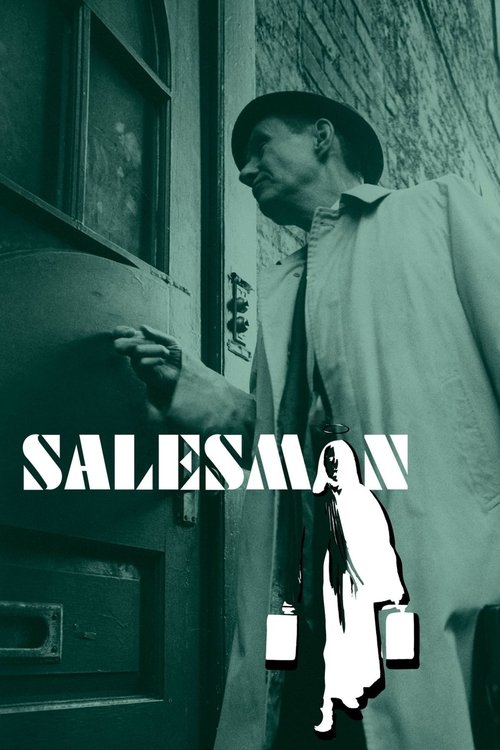
Salesman1969
Both are about how normal people rationalize participation in systems that harm others. Both refuse to cast anyone as simply evil.
Maysles brothers documentary following door-to-door Bible salesmen. It has nothing to do with torture, but everything to do with how systems of authority make ordinary people perform cruelty on behalf of an abstract mission. It's a quiet masterpiece about complicity and self-deception.
But It's glacially slow, almost plotless, and demands real patience. You will watch people fail to sell for seventy minutes.
More like this (6)
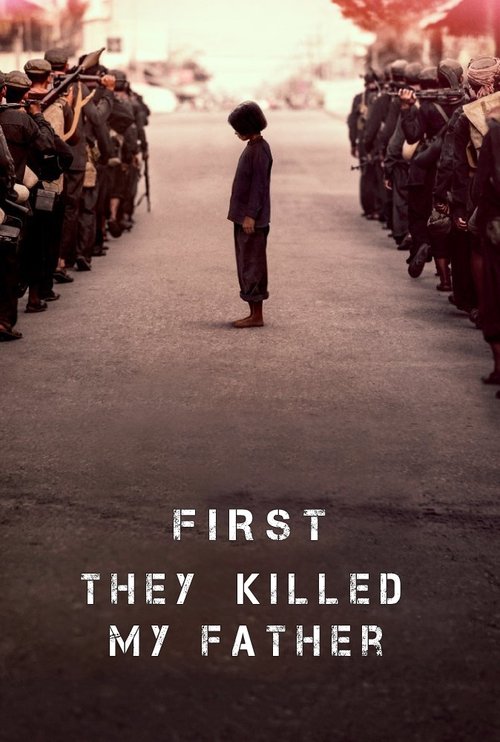
First They Killed My Father2017
Documents the 1968 massacre in Vietnam and its cover-up. A stark predecessor to Abu Ghraib, showing how these failures repeat when accountability is weak and orders are opaque.
But The archival footage and interviews are sometimes grainy and difficult to parse; the pacing feels more academic than cinematic.
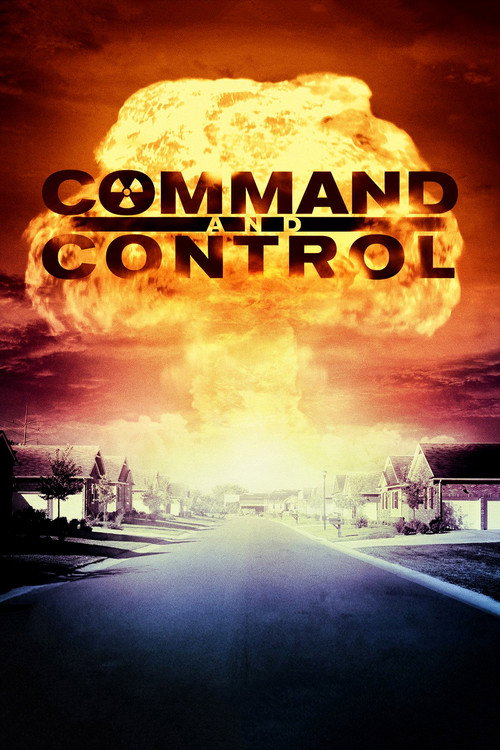
Command and Control2016
A methodical investigation of a nuclear weapons accident, examining how systems fail and institutions cover up. The parallels to institutional silence and chain-of-command failures are unavoidable.
But It's technical and slow-burn; the nuclear thriller aspects get secondary to the investigation.
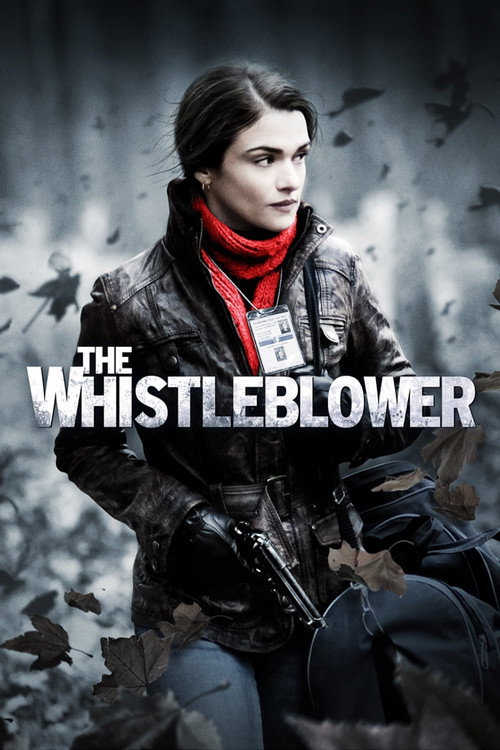
The Whistleblower2010
Rachel Weisz plays a real woman who exposed sex trafficking in post-war Bosnia. A narrative film that captures the isolation of speaking up inside a compromised system.
But The melodrama occasionally overshadows the institutional critique; it wants you to like her too much.
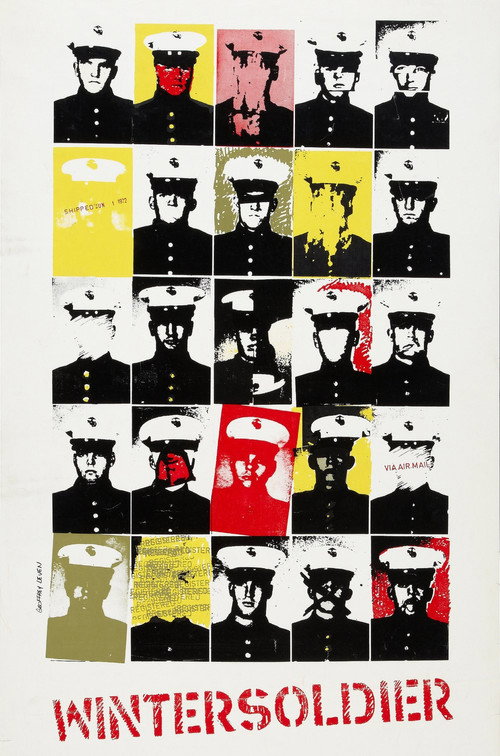
Winter Soldier1972
Vietnam veterans testify about atrocities they committed and witnessed. Decades earlier and in a different war, but the pattern of rationalization and collective responsibility is identical.
But As a document of a specific moment, it can feel historically distant; some testimony is repetitive.
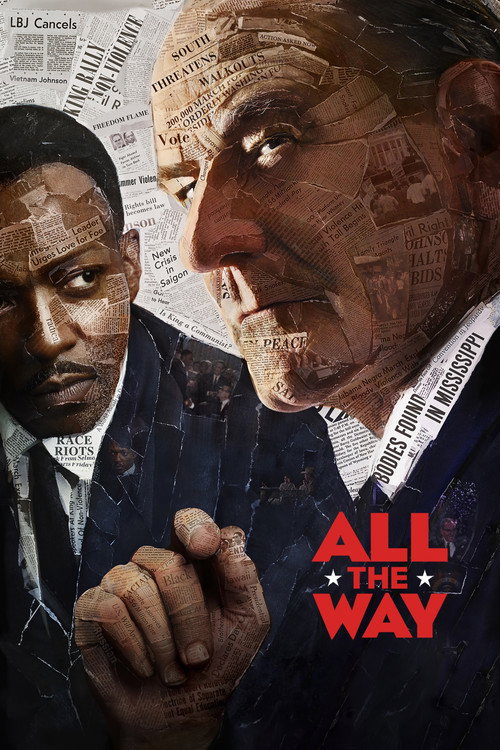
All the Way2016
Bryan Cranston as LBJ navigating the Civil Rights Act while escalating Vietnam. Shows how a leader can believe he's doing good while enabling systematic harm—the architecture of moral compromise in power.
But It's a prestige drama, sometimes more interested in performance than in the moral weight of its subject matter.
Night Train to Lisbon2013
Both show how torture doesn't end when the photographs surface—it echoes through the lives and consciences of perpetrators and survivors long after the scandal fades.
Inspired by real events in Portuguese colonial torture, it follows a man investigating a regime's brutality decades later. Quiet, philosophical, focused on how nations and families bury trauma rather than confront it.
But It's a narrative film, slow and introspective; some will find it too literary and not angry enough about its subject.

People
Cast
- Israel RiveraSelf
- Javal DavisSelf
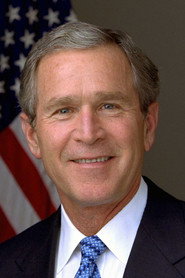 George W. BushSelf (archive footage)
- John YooSelf
- Alberta MoraSelf
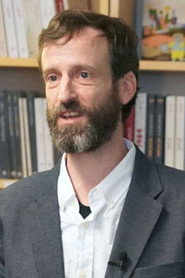 Scott HortonSelf
- Mark DannerSelf
- John HutsonSelf
 Donald RumsfeldSelf (archive footage)
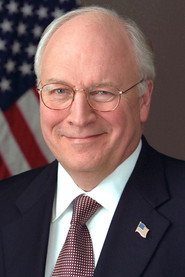 Dick CheneySelf (archive footage)
- Ken DavisSelf
Directing
- Rory KennedyDirector
Production
- Liz GarbusProducer
Recommended by
Standard Operating Procedure, Taxi to the Dark Side, Quiet Rage: The Stanford Prison Experiment, Solitary, Rendition