
Film
Command and Control
A meticulous, nerve-shredding documentary about the night in 1980 when a dropped socket wrench nearly detonated a nuclear warhead over Arkansas. Built from archival footage and firsthand testimony, it's less about the explosion than the terrifying ordinary bureaucracy that almost let it happen. For anyone who likes their dread procedural, factual, and quietly furious.
If you liked this
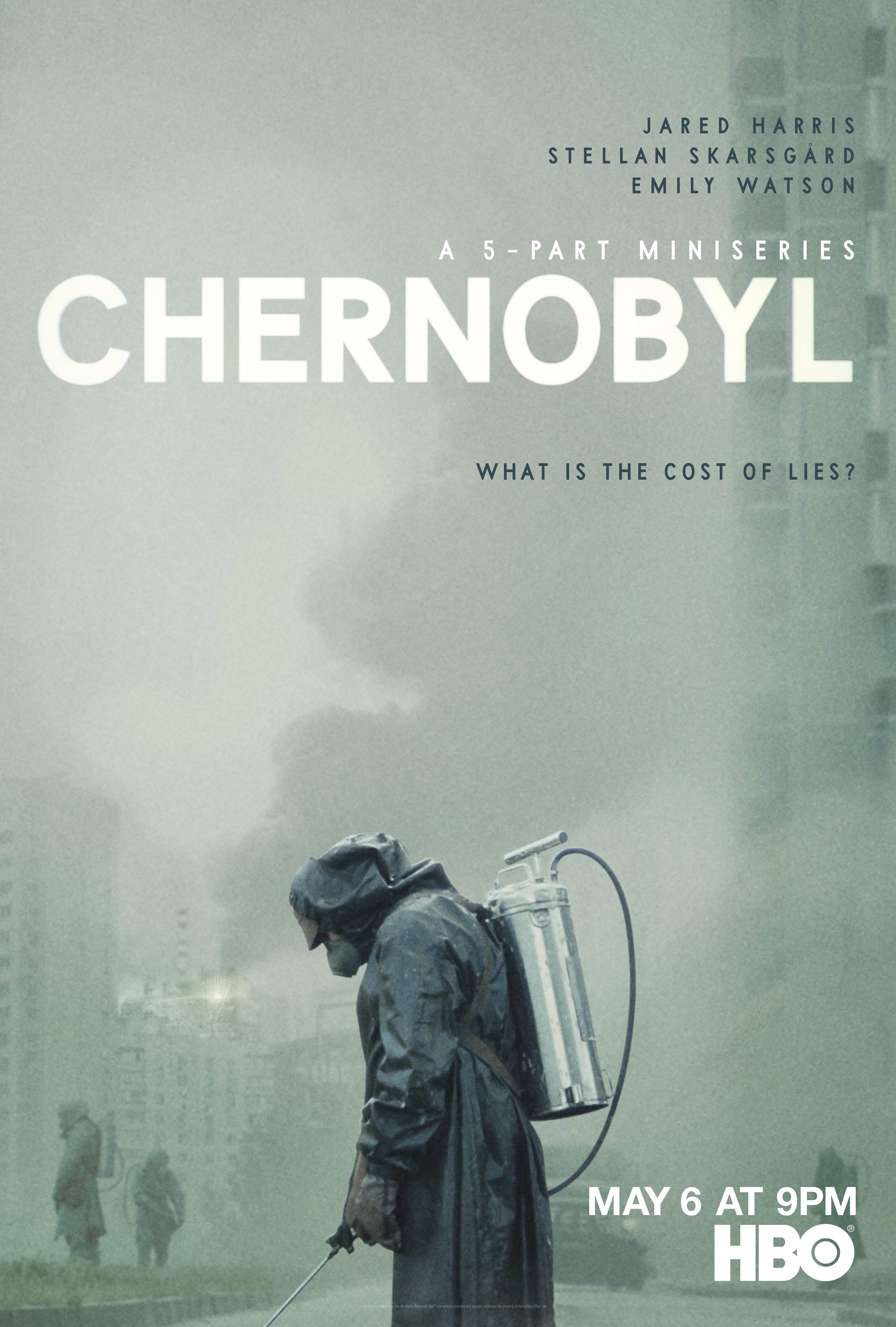
Chernobyl2019
The gold standard for this genre: institutional denial, technical minutiae, and human error compounding into catastrophe, told with the same forensic patience and moral seriousness as Command and Control.
But Grim and unrelenting across five hours — this is not comfort viewing, and the dread never really lifts.
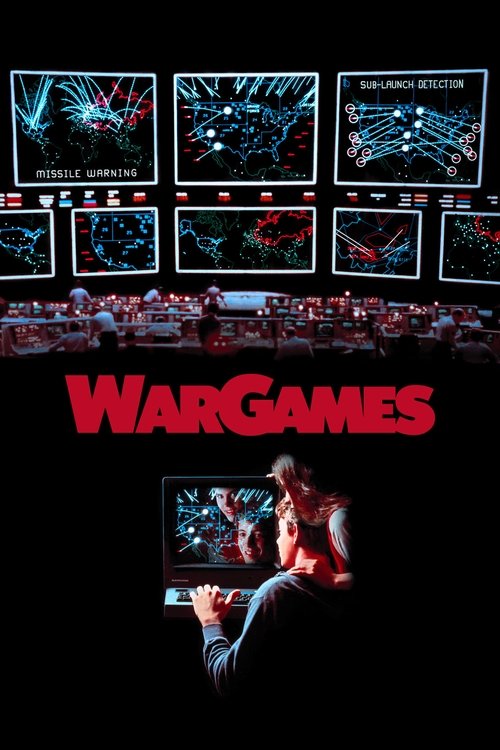
WarGames1983
A teenage hacker nearly triggers World War III by accident, dramatizing the exact fear at the heart of Command and Control: that the system meant to prevent catastrophe might cause one.
But It's a slick 80s thriller, not a documentary — the tone is fun and propulsive rather than sober.
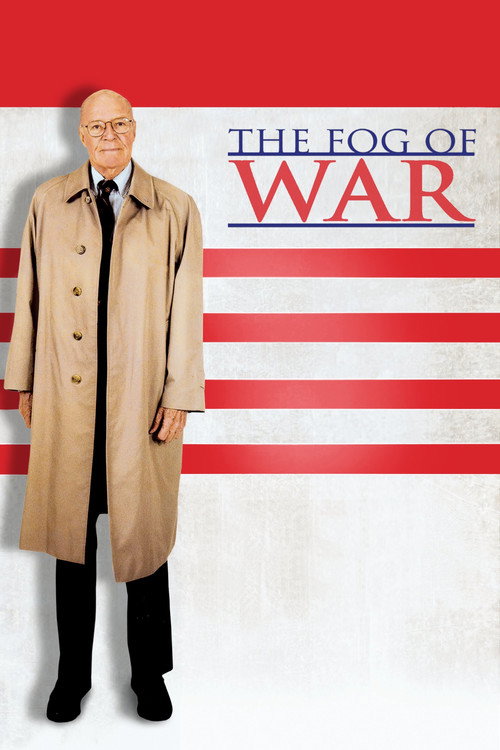
The Fog of War2003
Robert McNamara, in his own words, reckoning with how close the Cold War came to annihilation through miscalculation and momentum rather than malice — the same institutional vertigo, from the inside.
But It's a single old man talking to a camera for 90 minutes; the tension is intellectual, not visceral.
The wildcard
Something you would not have found on your own.
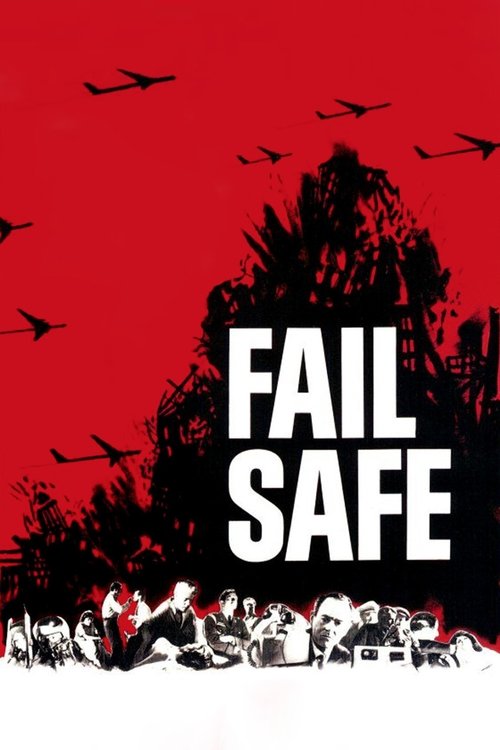
Fail Safe1964
Same accidental-launch premise as Command and Control, made in the same era as the Cold War satire everyone knows, but choosing seriousness over jokes — the sober twin nobody remembers.
Released the same year as Dr. Strangelove and telling almost the same story — a technical glitch pushes America toward accidental nuclear war — but played entirely straight, in real time, with unbearable tension.
But It got buried by Kubrick's satire on release and looks it: stagey, black-and-white, deliberately un-flashy.
More like this (8)
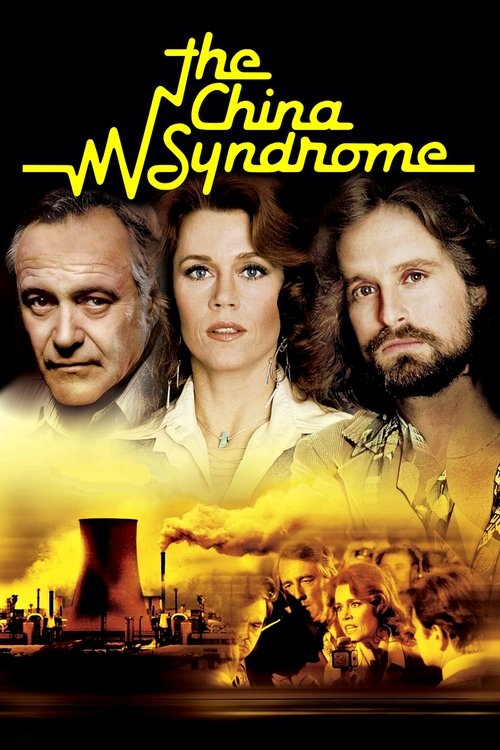
The China Syndrome1979
A nuclear power plant near-meltdown and the cover-up that follows, released just days before Three Mile Island actually happened — eerily prescient dramatization of the same institutional cowardice.
But It's a message movie from 1979, and some of its journalism-thriller trappings feel dated now.
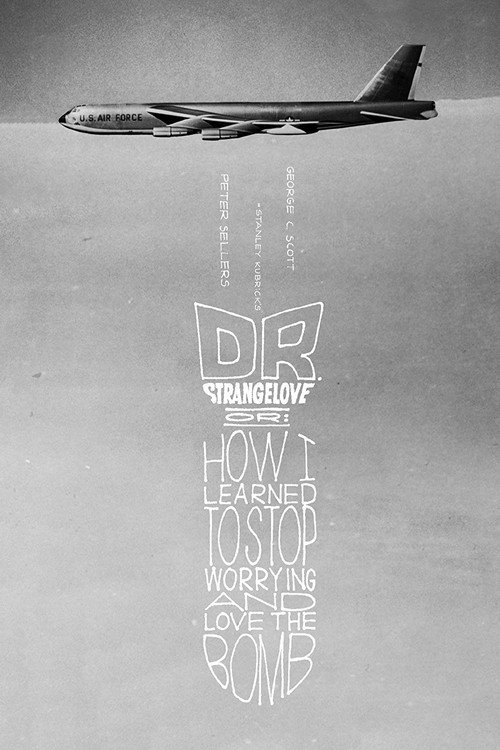
Dr. Strangelove or: How I Learned to Stop Worrying and Love the Bomb1964
The satirical flip side of the same nightmare — a chain of small procedural failures and stubborn men ending the world, played as the darkest comedy ever made.
But If you want it played straight and serious, the jokes might feel like they're undercutting the horror.
Countdown to Zero2010no page yet
Widens the lens from one Arkansas silo to the entire global stockpile, cataloguing near-misses and loose material with the same calm, damning thoroughness.
But Less narrative drive than Command and Control — it's more of a briefing than a story.
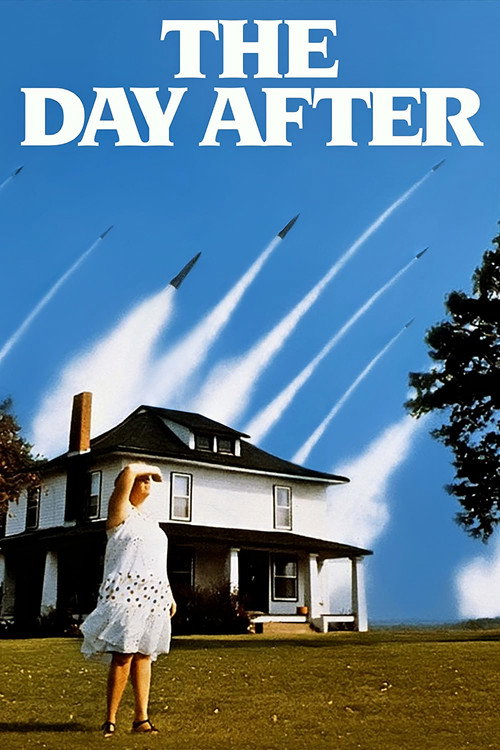
The Day After1983
The TV movie that terrified an entire nation by imagining what actually happens after the missiles fly — a blunt, effective companion to all that near-miss anxiety.
But Dated effects and a TV-movie budget; it earns its reputation through impact, not craft.
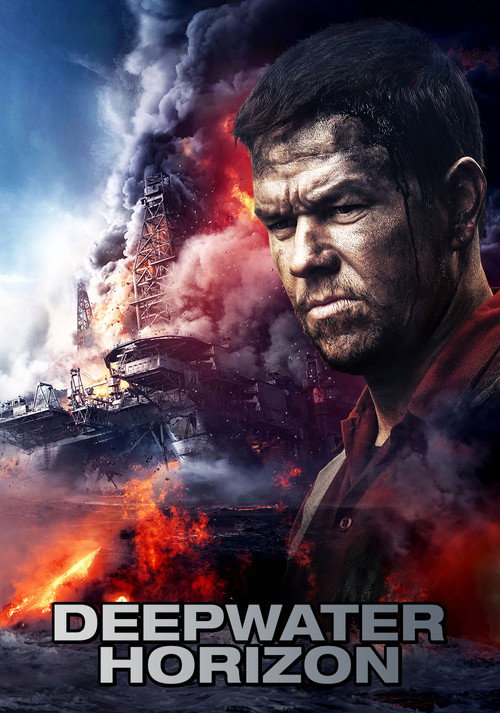
Deepwater Horizon2016
Swap the missile for an oil rig and the failure cascade is identical: ignored warnings, cut corners, ordinary people trapped inside a system's negligence.
But It's a bigger, louder disaster movie with movie-star faces — a different register from quiet documentary dread.
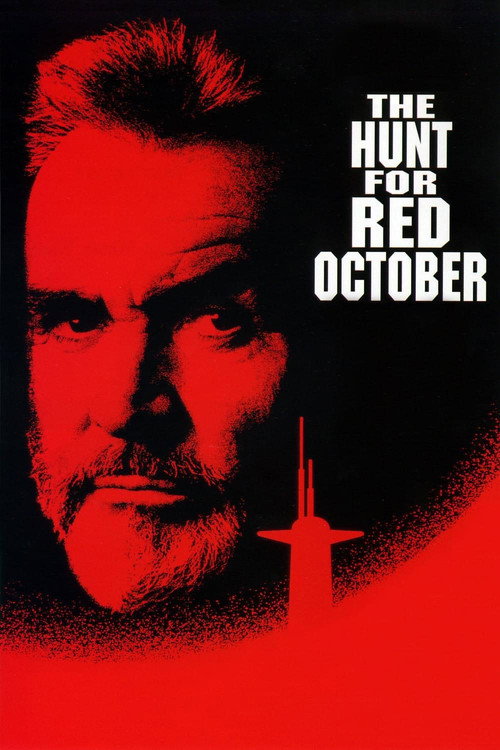
The Hunt for Red October1990
Cold War hardware, chain-of-command tension, and the constant hum of things almost going catastrophically wrong — this is the genre's tension turned into a crackling thriller.
But It's essentially entertainment; if you want the moral weight of the real thing, this trades it for suspense.
Trinity and Beyond: The Atomic Bomb Movie1995no page yet
Trades the human, procedural story for pure documentary material — the actual footage of the thing Command and Control keeps circling around, at a colder, more abstract distance.
Ninety minutes of declassified nuclear test footage, restored and scored, narrated by William Shatner — hypnotic, eerie, and obsessed with the same machinery-and-protocol fascination that runs through Command and Control.
But No characters, no story, just spectacle and dread — some will find it more art installation than film.
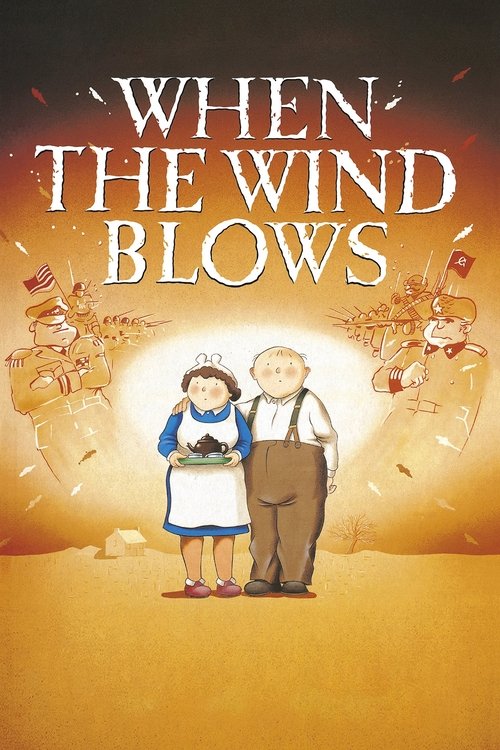
When the Wind Blows1986
Same target — bureaucratic nuclear reassurance that fails ordinary people — but told through cartoon intimacy instead of procedural documentary, making the institutional failure personal rather than systemic.
An animated film about an elderly British couple calmly preparing for and surviving a nuclear strike, using government pamphlets as gospel — devastating, tender, and quietly savage about official reassurance.
But Animation about this subject sounds like a mismatch, and the ending is genuinely upsetting, not cathartic.
People
Cast
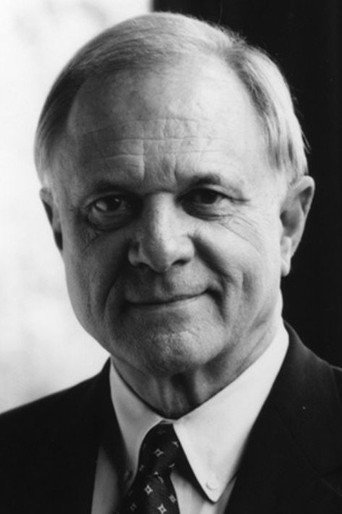 David PryorSelf
Directing
- Robert KennerDirector
Writing
- Eric SchlosserScreenplay
- Robert KennerScreenplay
- Brian PearleStory
- Kim RobertsStory
Production
- Brian PearleProducer
Recommended by
Chernobyl: The Lost Tapes, Meltdown: Three Mile Island, Eureka