
Television series
Meltdown: Three Mile Island
Four tight episodes turn a real nuclear near-catastrophe into something with the pulse of a thriller: archival footage, control-room recreations and a whistleblower with receipts. It's less about radiation physics than about who knew what and who decided to lie about it. For fans of institutional-failure docs — Wild Wild Country, The Inventor — who like their history with a side of righteous fury.
If you liked this
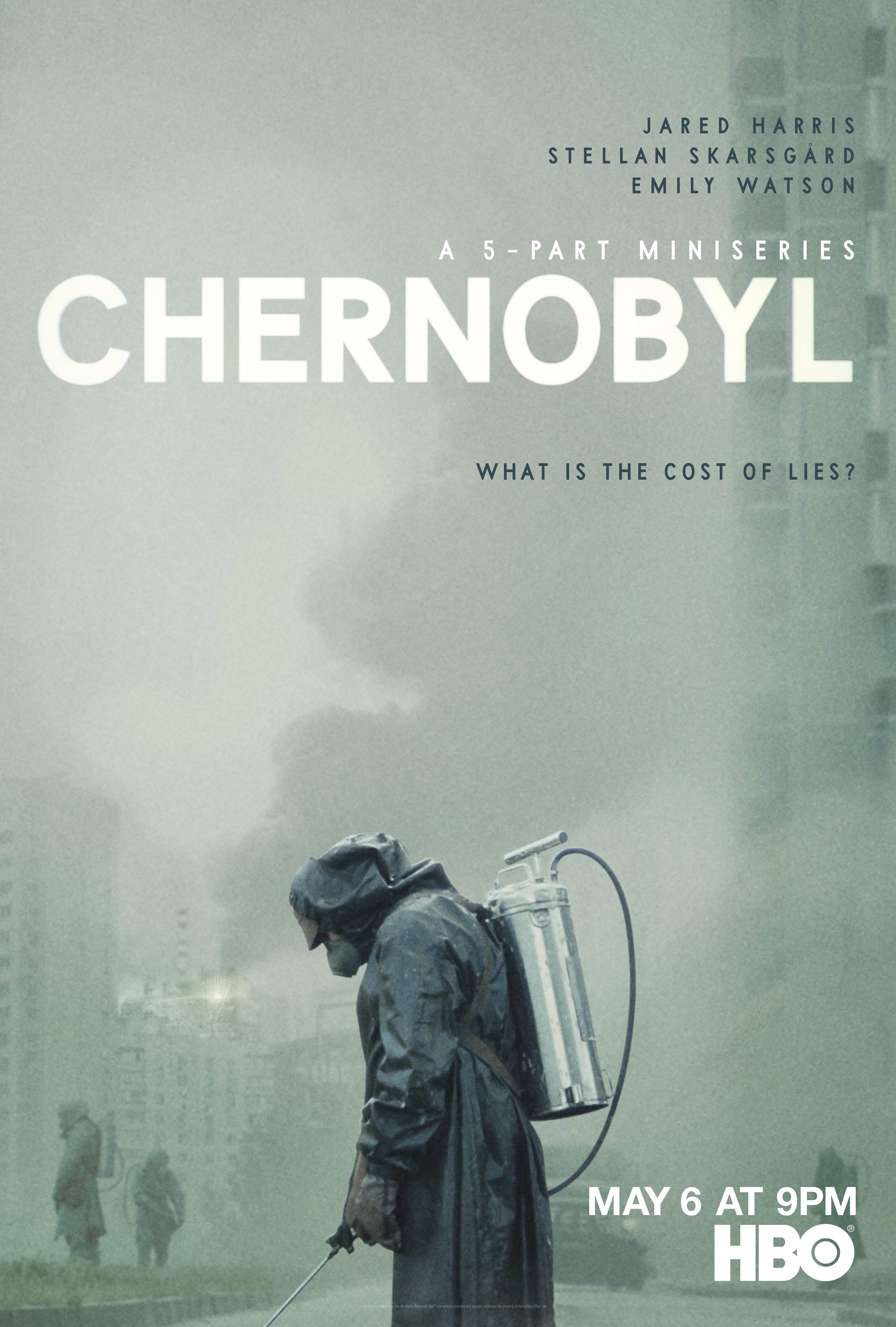
Chernobyl2019
The gold standard for dramatizing nuclear disaster and the bureaucratic denial that follows — meticulous, devastating, and it treats the science with the same respect as the human cost.
But It's grim from start to finish; there's no comic relief and the ending offers no comfort.
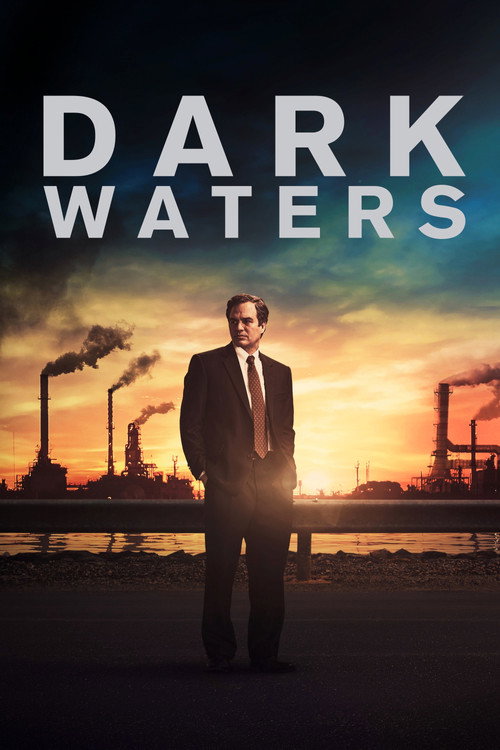
Dark Waters2019
Mark Ruffalo as a lawyer slowly realizing the company he's suing has been poisoning a town for decades — the same slow-burn horror of discovering institutional rot from the inside.
But It's a legal drama with a deliberate, unhurried pace — don't expect courtroom fireworks or quick payoff moments.
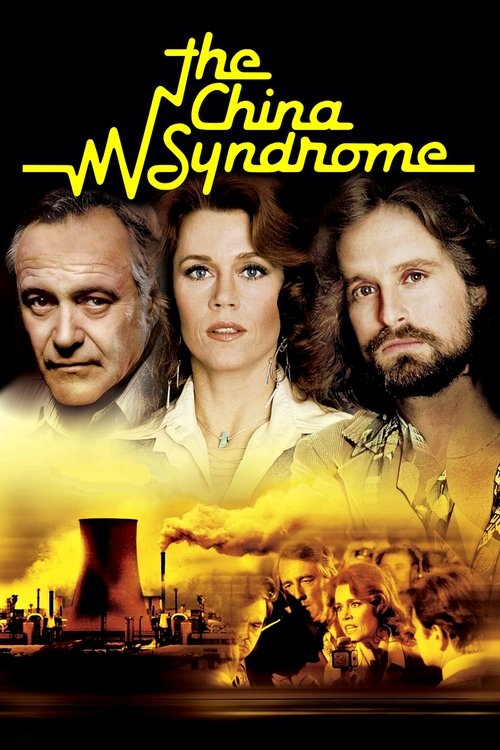
The China Syndrome1979
A fictional thriller about a near-meltdown and a cover-up, released twelve days before the real Three Mile Island accident — the eeriest case of art anticipating life you'll find.
But The pacing and style are very much of their era; some will find it slow by modern thriller standards.
The wildcard
Something you would not have found on your own.
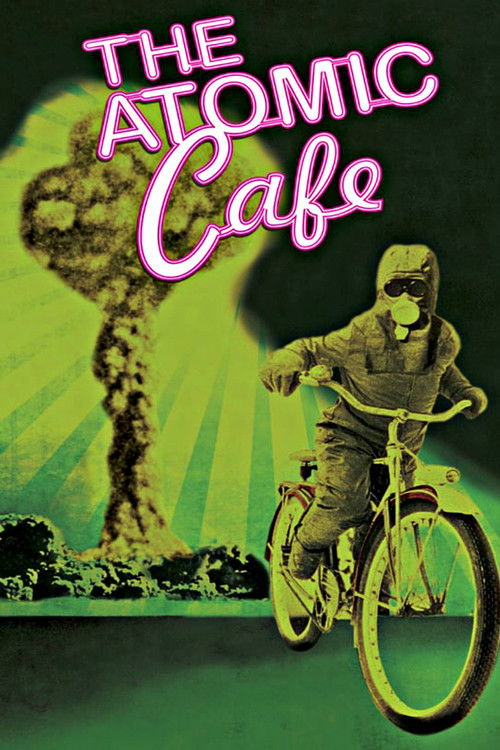
The Atomic Cafe1982
Same subject — public trust versus nuclear danger and official reassurance — but told entirely through the government's own footage turned against itself, decades before Three Mile Island happened.
A savage, entirely archival collage of Cold War propaganda films and civil-defense reels, cut together with no narration and a killer dark sense of humor about how blithely we were lied to about radiation.
But The satire is bleak and the collage format has no talking heads or narration to guide you — it demands more patience than a conventional documentary.
More like this (8)
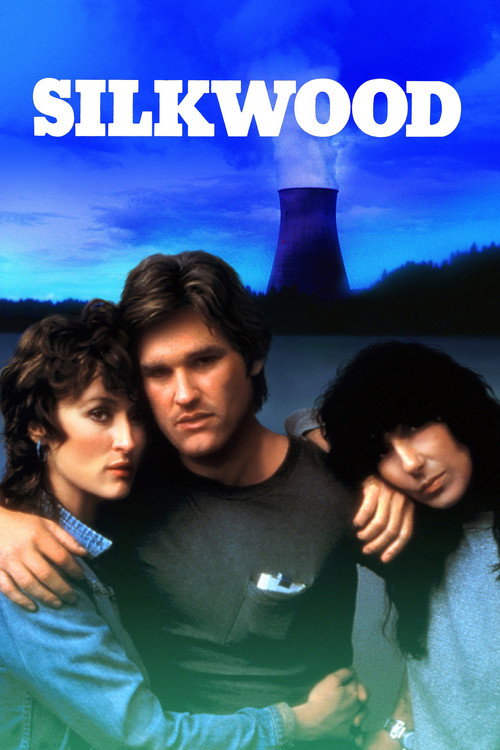
Silkwood1983
Meryl Streep plays a real nuclear plant worker turned whistleblower whose questions got her killed — or did they. A quieter, more personal companion piece to the story you just watched.
But It's a character drama first, industrial thriller second; if you want procedural detail on the plant itself, this isn't that.
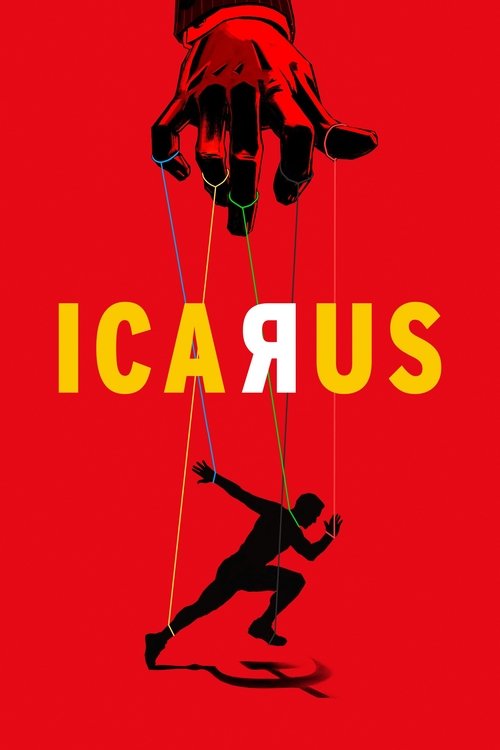
Icarus2017
Starts as a personal doping experiment and turns into an accidental exposure of a state cover-up — the same thrill of watching a whistleblower stumble into something much bigger than they planned.
But The sport doping angle is a hard left turn from nuclear power if that's specifically what you came for.
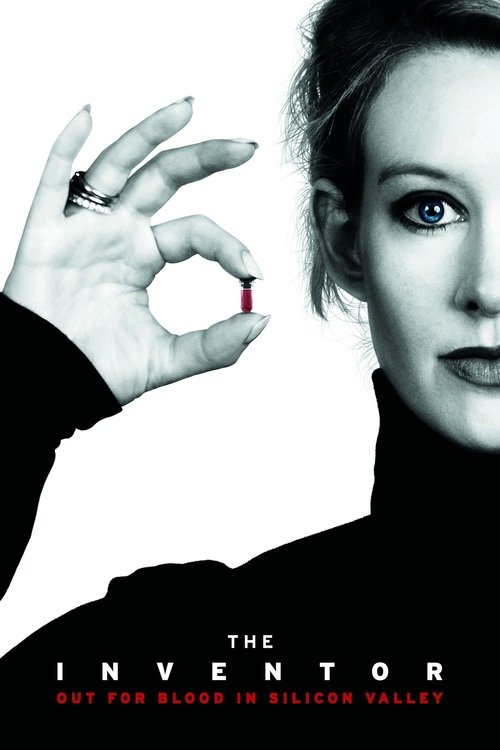
The Inventor: Out for Blood in Silicon Valley2019
Elizabeth Holmes and Theranos, told with the same patient unspooling of lies-on-top-of-lies that makes these stories so satisfying — corporate deception built one confident denial at a time.
But Tech fraud has none of the physical danger of a nuclear accident, so the stakes feel different even if the dishonesty rhymes.
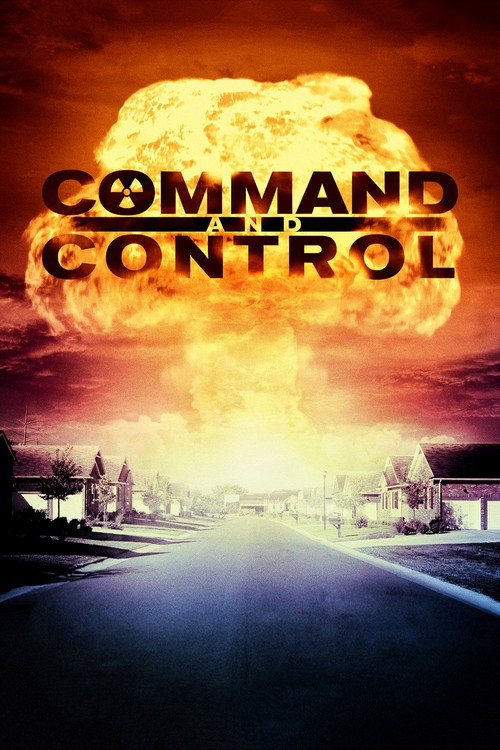
Command and Control2016
A nearly forgotten near-miss — a 1980 Titan missile silo accident that came terrifyingly close to a nuclear detonation on American soil — told with the same forensic, hour-by-hour tension.
But It's dense with technical detail; if the engineering talk already tested your patience, this asks for more.
The Bleeding Edge2018no page yet
Medical device makers, regulatory capture, and patients left to deal with the fallout — a different industry telling the exact same story of profit outrunning safety.
But The body-horror medical footage is far more visceral and upsetting than anything you'll find in this story.
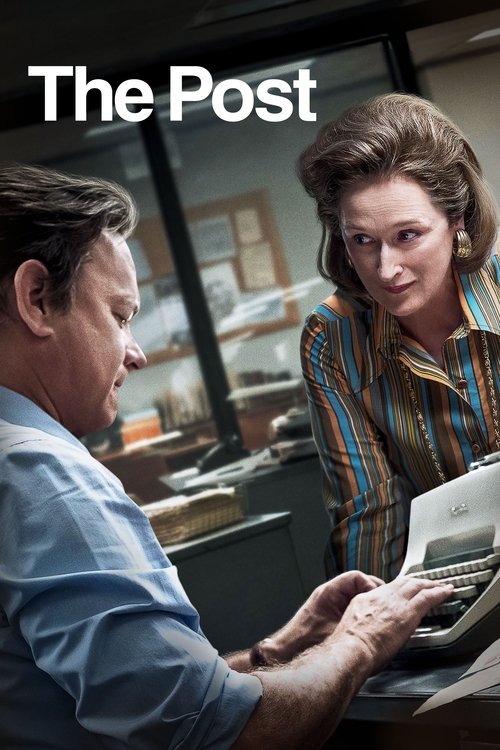
The Post2017
Katharine Graham and the Pentagon Papers — a newsroom thriller about publishing the truth a government desperately wants buried, with the same institutional-courage backbone as the whistleblowers here.
But It's about journalism and government secrecy generally, not industrial accidents specifically — the connection is thematic, not literal.
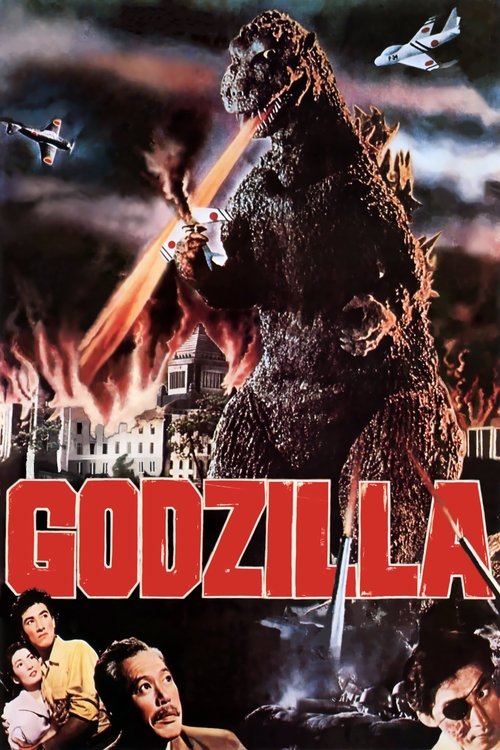
Godzilla1954
Made by a country still living with real radiation trauma, it's the same fear of invisible, expert-controlled catastrophe you just watched — just wearing a rubber suit instead of a hard hat.
A giant radioactive monster stomping through Tokyo is, structurally, the same anxiety this story documents: an invisible, man-made catastrophe that authorities can't fully explain or control, dressed up as pulp spectacle.
But It's a kaiju movie — men in suits, model cities, deliberately melodramatic. If you want sober history, this earnest metaphor might feel silly at first.
Fukushima 502020no page yet
It's the same crisis, four decades later and with the stakes fully realized: what happens when the warnings from Three Mile Island go unheeded.
A dramatized, in-the-room account of the workers who stayed behind at Fukushima Daiichi to prevent full meltdown — the direct spiritual sequel to Three Mile Island, in a different country and language.
But It's a dramatization rather than documentary, and leans into heroic sacrifice in ways that smooth over some of the messier real-world blame.