
Television series
Turning Point: The Bomb and the Cold War
A nine-part Netflix docuseries that traces the Cold War through intimate testimony—atomic survivors, world leaders, declassified secrets, and ordinary people whose lives were remade by nuclear anxiety and geopolitical terror. It's contemporary history told as human experience, urgent without being frantic, and it argues that we're still living inside the Cold War's shadow.
If you liked this
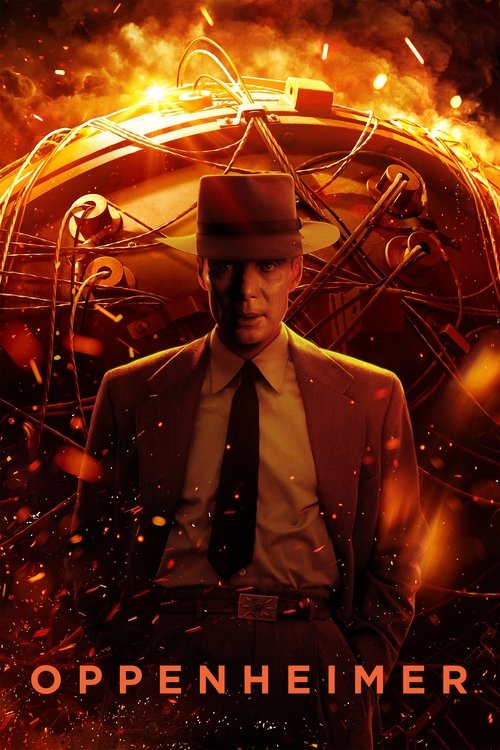
Oppenheimer2023
Nolan's three-hour epic captures the moral vertigo of building the bomb—the physics, the ambition, the dawning horror. Cillian Murphy is extraordinary as a man haunted by what he created.
But It's very long and very talky. If you want action and spectacle, you'll be disappointed. The structure jumps around in time.
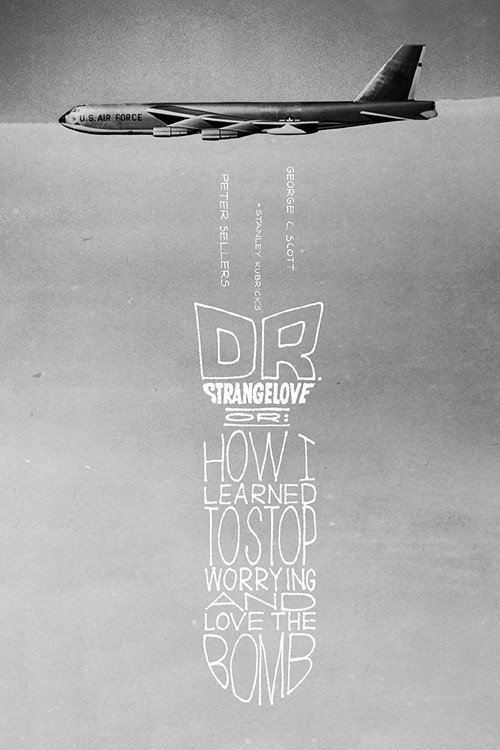
Dr. Strangelove or: How I Learned to Stop Worrying and Love the Bomb1964
Kubrick's savage comedy about nuclear brinkmanship is still the sharpest thing made about Cold War paranoia. It's funny *and* terrifying, which is why it endures—it's the truth told sideways.
But The satire is so dark it might feel flippant if you're looking for gravity. Black-and-white 1964 can feel slow to contemporary eyes.
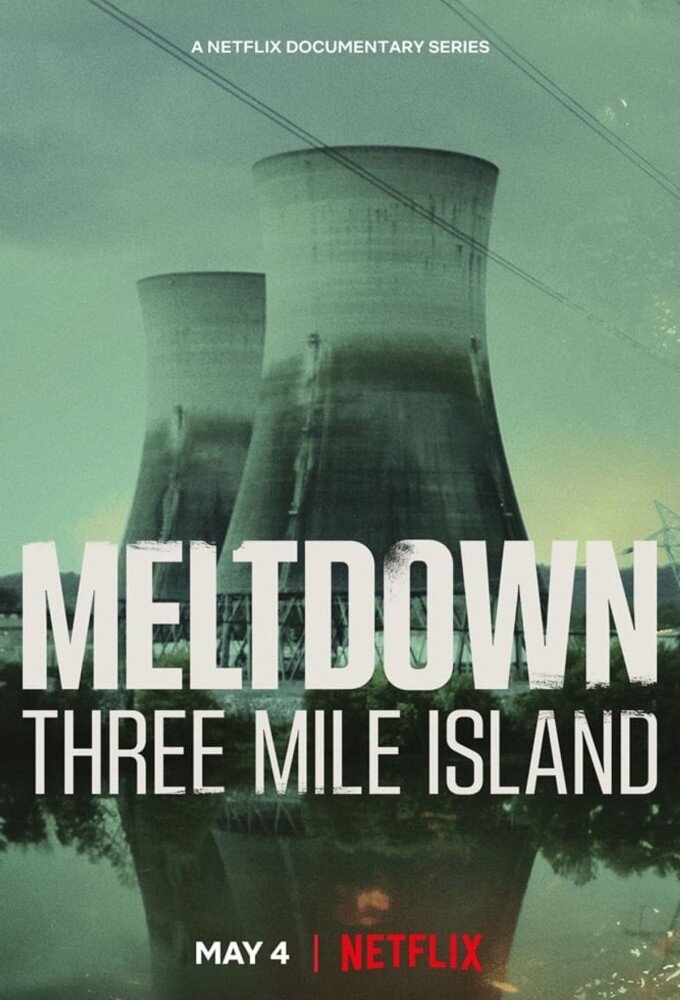
Meltdown: Three Mile Island2022
Isabelle Davaliere's brisk documentary asks whether nuclear power is a climate solution or a civilizational mistake. It treats the question seriously and doesn't pretend there's an easy answer.
But Focused more on nuclear energy than Cold War weapons. Won't scratch the geopolitical itch if that's what you're after.
Not sure tonight? Get a pick in a minute, starting from Turning Point: The Bomb and the Cold War
The wildcard
Something you would not have found on your own.
Stalker1979
Both interrogate how the Cold War ideology—specifically the separation between two systems and two visions of human possibility—reshaped consciousness and desire. Tarkovsky explores it through mysticism; Turning Point uses testimony. Same question: what did it cost us?
Tarkovsky's Soviet science-fiction masterpiece is about a guide leading strangers into a forbidden zone where desire can be granted. It's visually transcendent and philosophically devastating—a Cold War film made entirely through metaphor and mood, no exposition.
But It's 163 minutes of slow cinema. No plot in the conventional sense. If you need clarity and forward momentum, this will feel like watching paint dry in slow motion.

More like this (3)
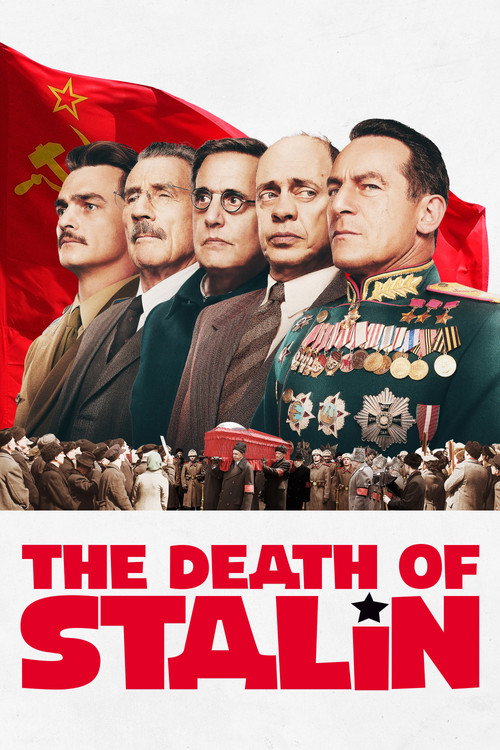
The Death of Stalin2017
Armando Iannucci's pitch-black comedy imagines the days after Stalin dies. It's savage about Soviet bureaucracy and power, and it's hilarious—which makes the darkness sharper.
But Soviet-era black comedy might feel too irreverent about a era defined by mass death. In Russian with subtitles.
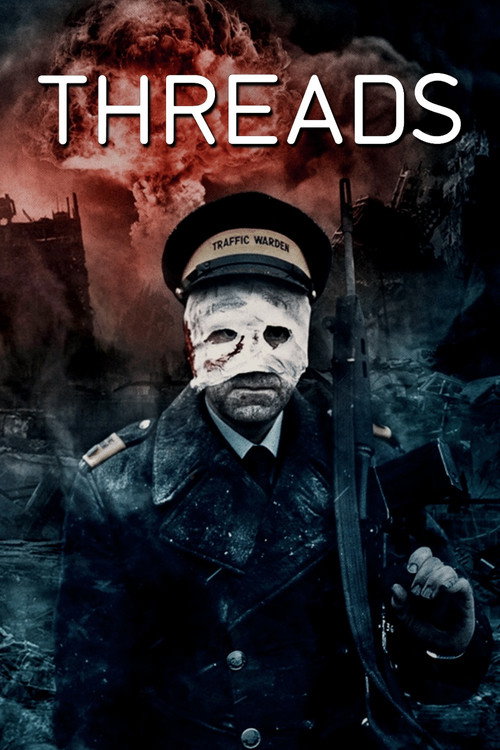
Threads1984
A BBC nuclear war drama so bleakly realistic it was banned from rebroadcast for years. Forty minutes that simulate nuclear exchange and its aftermath with no music, no comfort, no easy answers.
But It's one of the most disturbing things ever made. Not entertainment—it's more like a catastrophe simulation. Genuinely difficult to watch.
Come and See1985
Turning Point traces how the bomb and nuclear anxiety rewrote the second half of the 20th century. Come and See shows what the first half *cost*—the slaughter that made nuclear weapons seem logical and inevitable. Together they're a history of how we learned to accept unacceptable things.
Elem Klimov's Soviet war film about a boy caught in Nazi occupation. It's not about the Cold War directly—it's about WWII—but it's made by a Soviet artist processing the war that created the Soviet state. Apocalyptic, hallucinatory, unforgettable.
But It's one of the most violent and psychologically brutal films ever made. Not recommended if you're already raw. Asks you to witness atrocity without looking away, which is the point and also unbearable.
