
Film
The Man Who Saved the World
Other titles called The Man Who Saved the World: the 1982 film.
A 53-minute documentary about the Soviet submarine officer whose refusal to authorize a nuclear missile during the Cuban Missile Crisis prevented catastrophic war. It's tense, intimate, and genuinely astounding—the kind of historical near-miss that makes you hold your breath. Essential viewing for anyone who wants to understand how close we came.
Should you watch it?
Watch it if you enjoy history told in a tight, sober hour, where the drama lives in one officer's judgment under unbearable pressure and in grainy archive footage.
Skip it if you want a sweeping, big-budget account of the crisis, since this is a short, narrow film built on a dramatized reconstruction and narration-heavy voiceover that can feel thin.
What it asks of you: Under an hour, it moves at a measured documentary pace, with narration carrying most of the weight and the dramatized scenes arriving in short, sober bursts.
Not sure? Find tonight's pick in a minute.
If you liked this
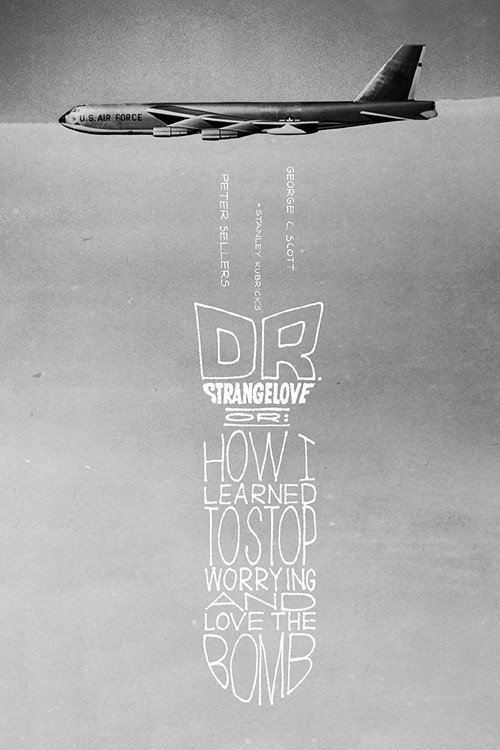
Dr. Strangelove or: How I Learned to Stop Worrying and Love the Bomb1964
Kubrick's darkly comic masterpiece about nuclear brinkmanship and military logic spiraling into absurdity. Watching it after learning about Arkhipov makes the satire feel prophetic rather than exaggerated.
But It's deliberately artificial and theatrical—less interested in realism than in exposing the madness of deterrence. Some find the comedy undercuts the gravity.
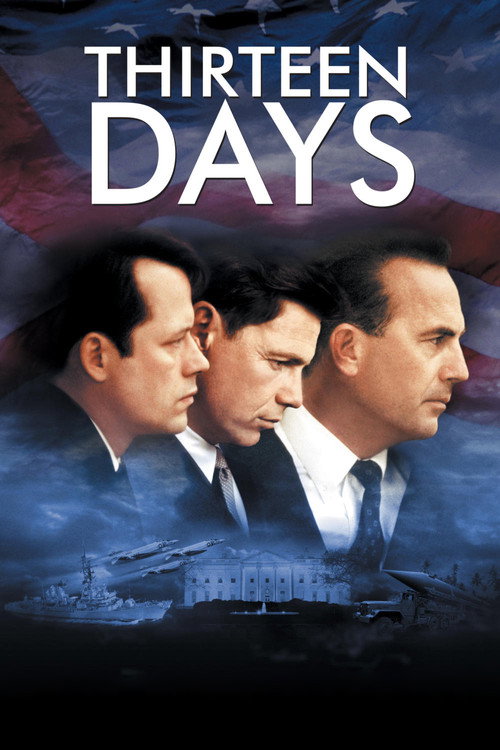
Thirteen Days2000
A gripping, minute-by-minute account of the Cuban Missile Crisis from the American side. Kevin Costner and the ensemble cast make the paranoia and impossible choices feel immediate and suffocating.
But It's conventional political thriller pacing, which can feel melodramatic compared to the quieter psychological horror of the real thing. Some of the dialogue is thick-handed.
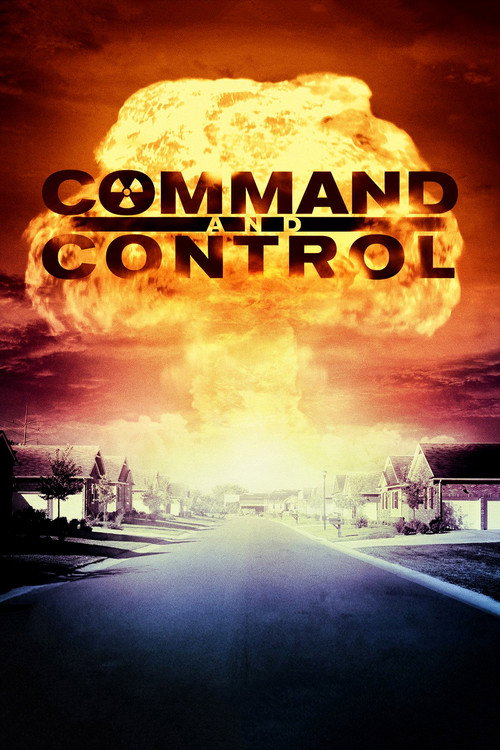
Command and Control2016
A meticulous documentary about a 1980 nuclear weapons accident at an Arkansas missile silo. Like Arkhipov's story, it's about systems failing and one person's decision mattering enormously under impossible pressure.
But The claustrophobic focus on technical detail and bureaucratic dysfunction can feel slow-building. Patience required.
Not sure tonight? Get a pick in a minute, starting from The Man Who Saved the World
The wildcard
Something you would not have found on your own.
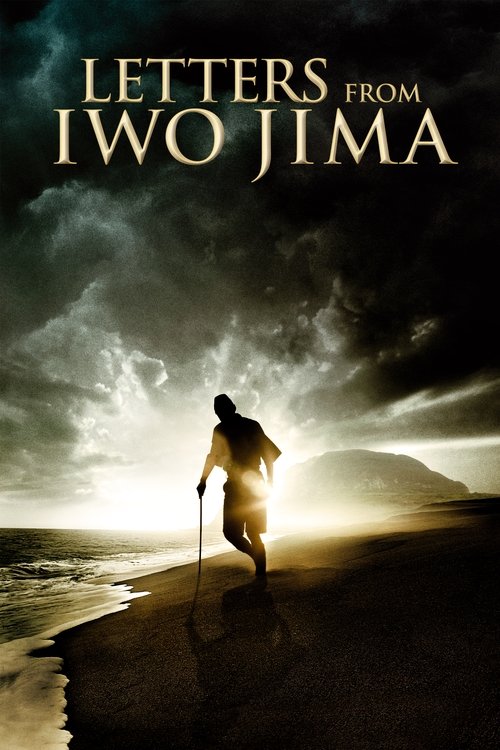
Letters from Iwo Jima2006
Both reveal how individual conscience operates within military hierarchy, and how a single refusal to obey can carry moral weight the institution cannot comprehend.
Clint Eastwood's film from the Japanese perspective during WWII—told with empathy for an enemy side. Like Arkhipov's story, it's about a good man caught in a system larger than himself, watching history move through him rather than commanding it.
But It's slow, meditative, and more interested in character than action. If you want a war film with climactic battles, this isn't it.
More like this (6)
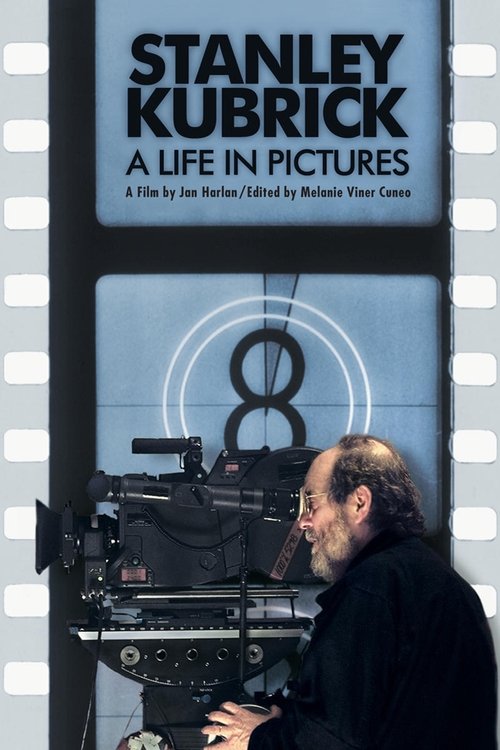
Stanley Kubrick - Ein Leben für den Film2001
Kubrick became obsessed with nuclear war and deterrence after researching Dr. Strangelove. This documentary explains how a filmmaker's paranoia shaped how we think about the Cold War.
But It's a film about a filmmaker, not about the history itself. You need some interest in Kubrick specifically for this to land.
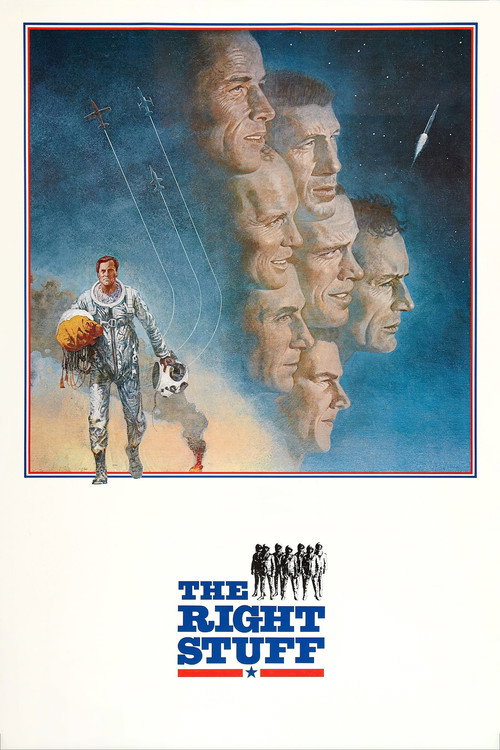
The Right Stuff1983
Kaufman's epic about the space race captures the same era of Cold War brinksmanship and the men who kept their heads when everything was at stake. Epic, thrilling, and unexpectedly moving.
But It's long (193 minutes) and the second half shifts from test pilots to astronauts, which some find less compelling. Pacing can feel uneven.
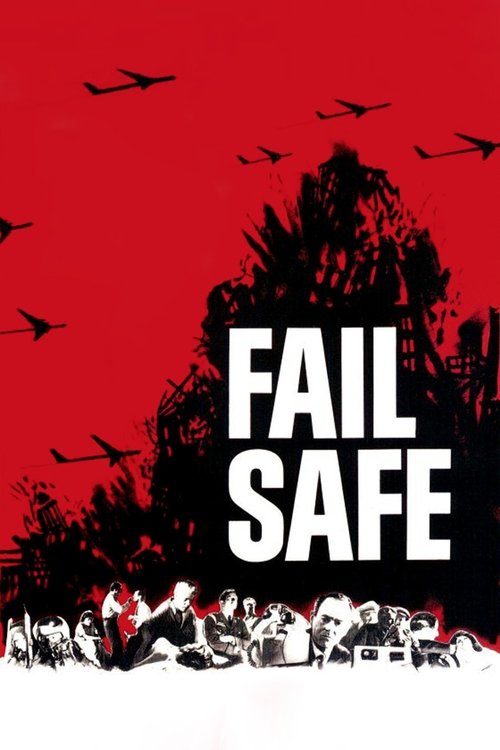
Fail Safe1964
Released the same year as Dr. Strangelove but in deadly earnest—a technical thriller about accidental nuclear war with no comic relief. Terrifying because it plays everything straight.
But The very straightness that makes it effective can feel dated and theatrical now. The ending, while powerful, is relentlessly bleak.
Hidden Figures2016
Set during the same Cold War era, it captures the paranoia, the stakes, and the idea that ordinary people made extraordinary decisions under pressure. More optimistic than Arkhipov's story, but the tension is real.
But It's a feel-good ensemble piece that smooths rough edges. If you want grit over inspiration, this isn't it.

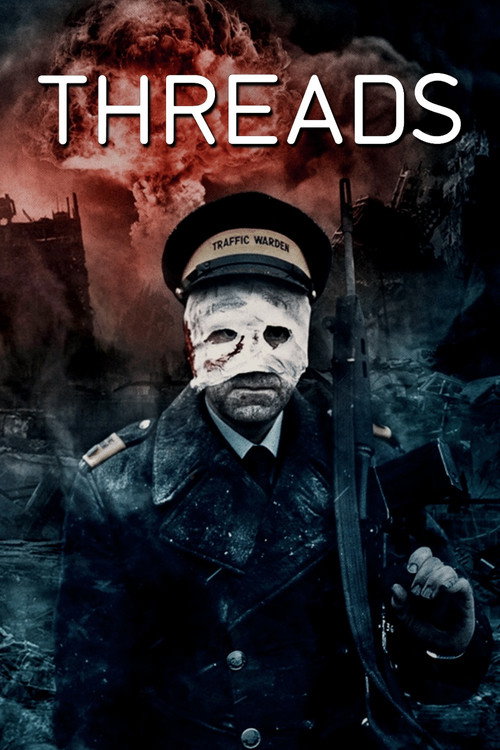
Threads1984
A British nuclear war drama that shows the aftermath in horrifying, unglamorous detail. It's the inverse of Arkhipov—what happens when no one says no. Devastating and necessary.
But It's aggressively bleak and uncomfortable, with no catharsis. Genuinely difficult to watch, even for people who love dark cinema.
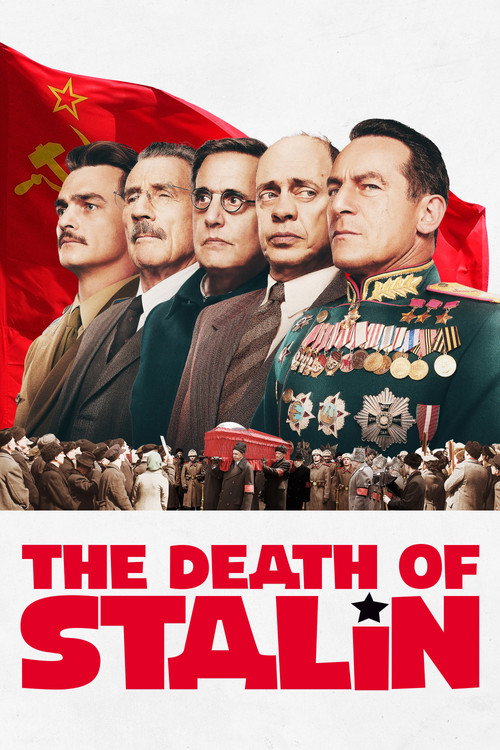
The Death of Stalin2017
Both expose the internal contradictions of Soviet military power—the gap between the propaganda of control and the actual chaos of bureaucratic decision-making under pressure.
Armando Iannucci's pitch-black comedy about the Soviet power struggle after Stalin dies. It's set in the same state apparatus that created Arkhipov, showing the absurdity and chaos beneath the totalitarian facade. Brilliant and hilarious.
But It's very funny about very serious things—mass death, purges, nuclear anxiety. The comic register alienates people who want gravity.
People
Cast
 Jay O. SandersNarrator (voice)
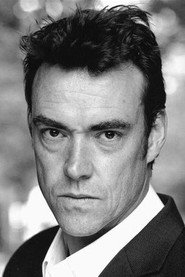 Alisdair SimpsonNarrator (voice)
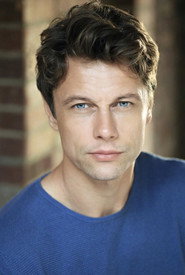 Leon OckendenVasily Arkhipov
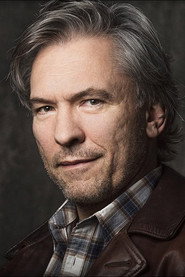 Martin McDougallSubmarine Captain
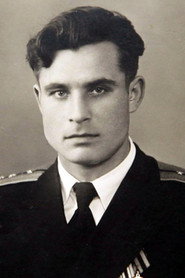 Vasili ArkhipovSelf (archive footage)
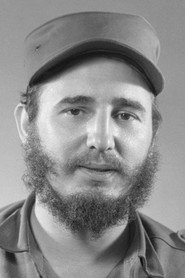 Fidel CastroSelf (archive footage)
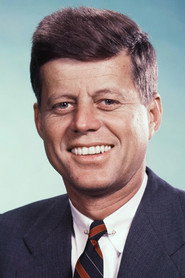 John F. KennedySelf (archive footage)
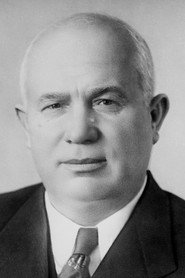 Nikita KhrushchevSelf (archive footage)
Directing
- Nick GreenDirector
Writing
- Nick GreenWriter