
Film
The Man Who Saved the World
Other titles called The Man Who Saved the World: the 2012 film.
A 1982 Turkish sci-fi adventure that crashes Star Wars footage, mystical sorcery, and pure unbridled conviction into a gleaming, bewildering whole. Two space cadets land on a desert planet to battle an evil wizard. It's visually chaotic, tonally fearless, and operates by its own inexplicable logic—the kind of film that rewires your sense of what's possible.
If you liked this
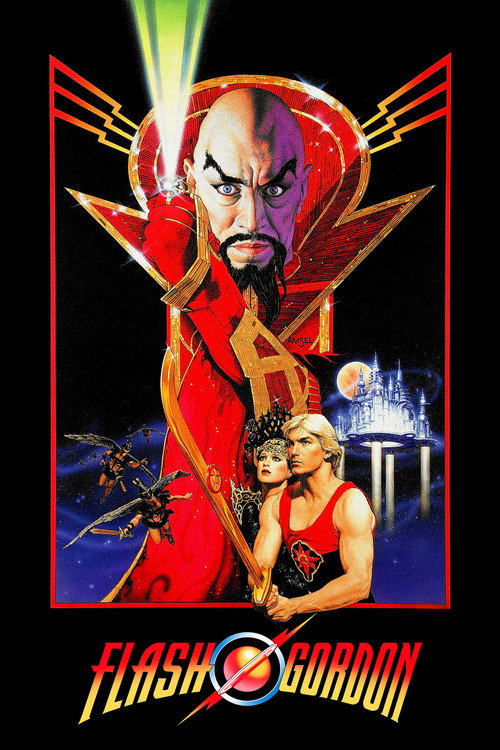
Flash Gordon1980
Campy, colorful, and utterly committed to its own absurdity. A space opera that embraces glitter and kitsch as legitimate storytelling tools, much like this film's joyful disregard for coherence.
But The heavy synth score and theatrical acting can feel deliberately silly rather than thrilling, which isn't for everyone's mood.
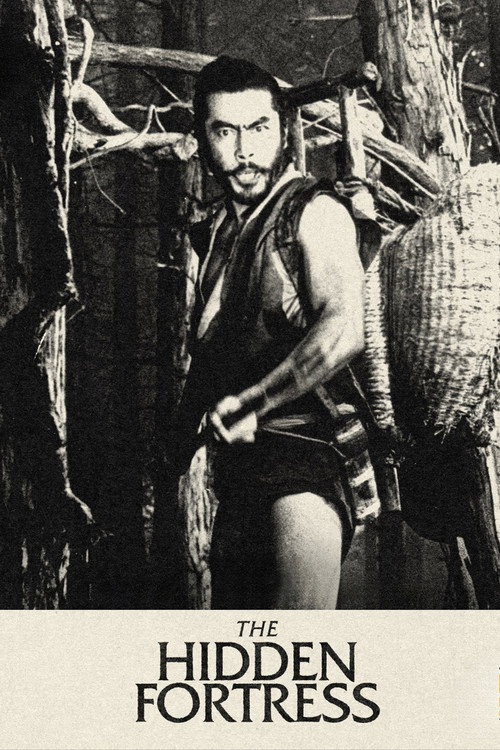
The Hidden Fortress1958
Kurosawa's adventure template—desert landscapes, humor mixing with danger, genre rules playfully bent. This film owes it spiritual debts, and seeing the DNA helps explain the audacity.
But Black and white, subtitled, and paced like cinema from another era. Patience required; rewards aren't instant.
Krull1983
Fantasy and sci-fi collide with practical effects and earnest weirdness. Another film that throws everything at the wall to see what sticks, with real charm in its ambition.
But The script is thin and the logic is fuzzy—it survives on visual invention and sheer nerve, which can feel hollow if you want a sturdy story.

Not sure tonight? Get a pick in a minute, starting from The Man Who Saved the World
The wildcard
Something you would not have found on your own.
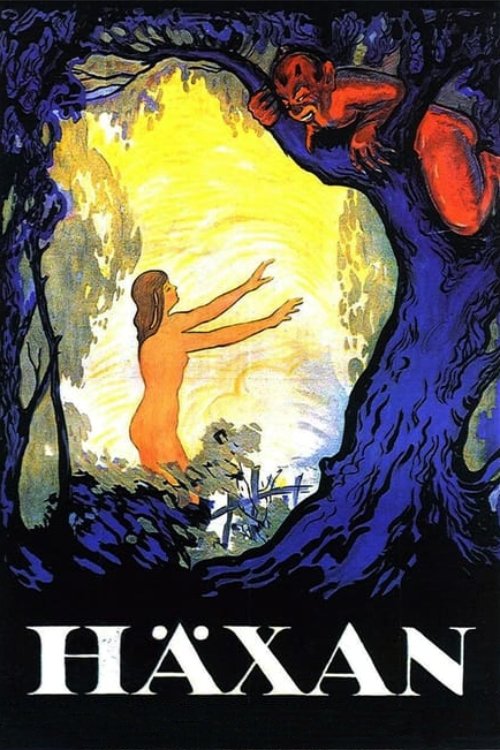
Häxan1922
Both films conjure demons and wizards using practical ingenuity and pure visual nerve. Both treat magic as a plausible genre element rather than something to justify or explain away. Both work in their own strange logic.
A silent Swedish documentary-fantasy hybrid about witchcraft, demons, and sorcery that treats the impossible as real. The practical effects are nightmarish and beautiful—visual imagination unbound by budget or taste codes.
But Silent, abstract, genuinely disturbing in places. Runs 79 minutes that feel longer. Not a conventional entertainment; it's closer to a fever dream than a story.
More like this (8)
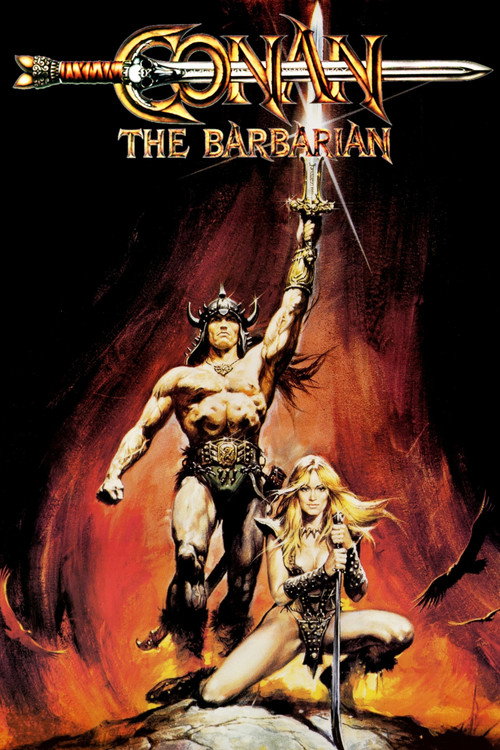
Conan the Barbarian1982
Released the same year, equally pulpy, built on muscle and myth and medieval swordplay. Raw genre filmmaking with no apologies and tremendous style.
But Grim and violent in a way that contrasts with the Turkish film's playfulness. Tonally different despite surface similarities.
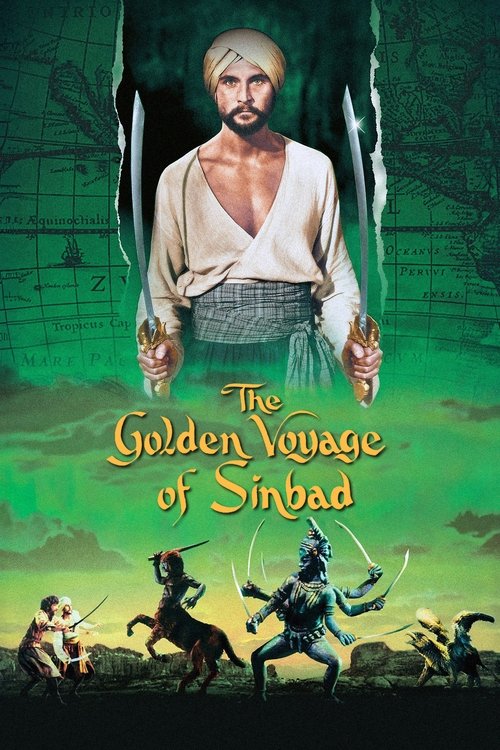
The Golden Voyage of Sinbad1973
Stop-motion fantasy adventure with a wizard, a quest, and a willingness to prioritize spectacle over narrative sense. Ray Harryhausen's creatures inspire the same gleeful awe.
But Pacing meanders and the plot exists mainly as scaffolding for set pieces. If you need character development, look elsewhere.
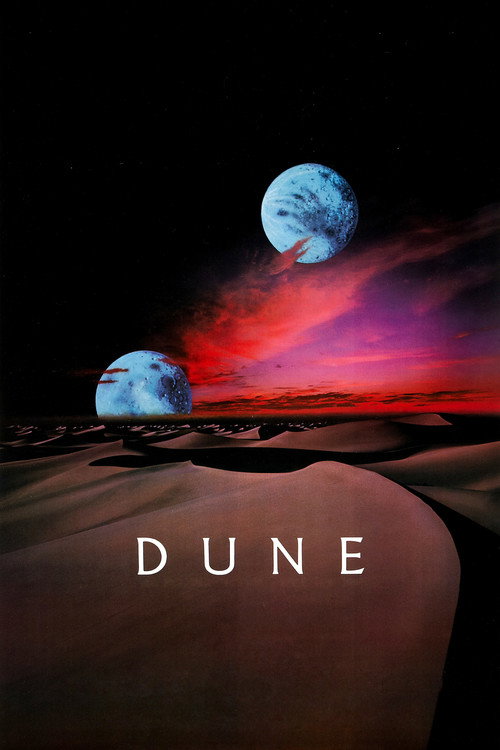
Dune1984
Adapts an unfilmable epic with practical effects, spare-parts logic, and visual audacity. Another film that works on dream-logic rather than strict coherence.
But Over two hours, dense with exposition, and David Lynch's interpretation is genuinely difficult. Demands investment; pays it back strangely.
Barbarella1968
Campy space opera with no interest in plausibility. Pure visual pleasure, a soundtrack that seduces, dialogue that winks constantly. Proof that sci-fi doesn't require realism.
But The sexualization is dated and sometimes uncomfortable. It's a period piece in more ways than one.

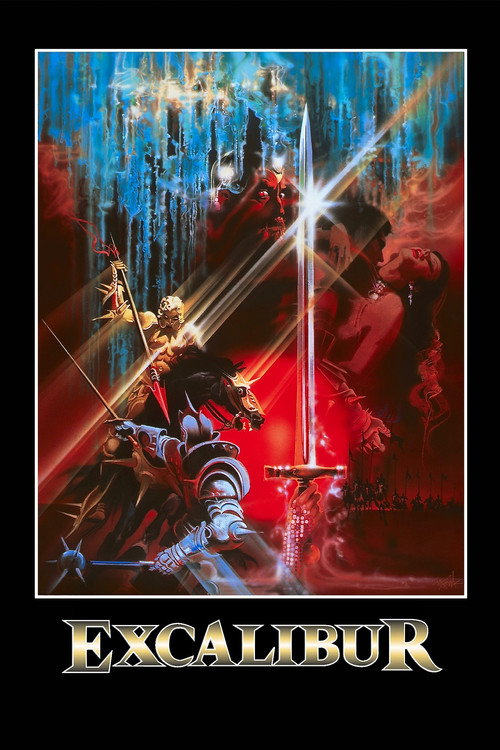
Excalibur1981
Boorman's medieval fantasy bleeds myth and mysticism. Practical, tactile, unapologetic about magic and prophecy operating as plot engines alongside swords and knights.
But Slow, repetitive, and the Irish accents fighting Shakespeare create a tone that's hard to pin down. Not everyone connects with its fever dream register.
The Beastmaster1982
Another '82 release: a barbarian hero, telepathic animals, and a straightforward plot that lets action and adventure live in the foreground without apology or irony.
But The animal communication stuff doesn't hold up well, and the plotting is thin even by adventure standards. Skippable unless you love the era.

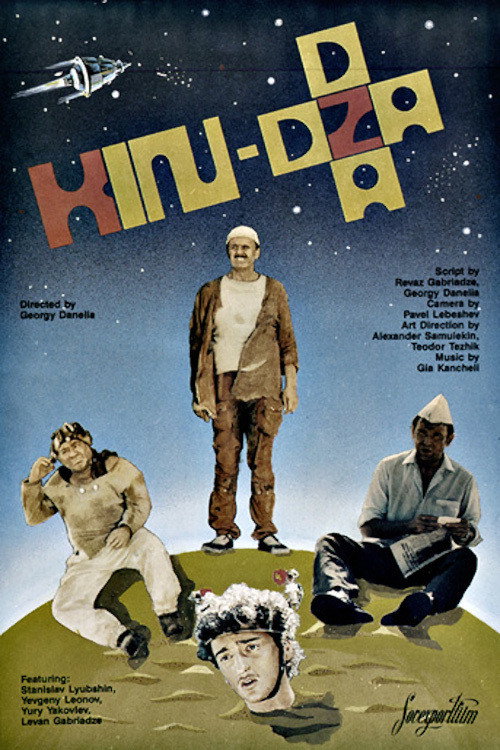
Kin-dza-dza!1986
Two ordinary men stranded on a hostile alien world, forced to navigate impossible rules and threat. Both films build worlds on practical craftsmanship rather than spectacle budgets. Both trust the audience to accept strangeness without explanation.
A Soviet sci-fi comedy about two men transported to an alien planet run by absurd bureaucracy and culture clash. Wildly inventive, deeply weird, visually singular—built on practical effects and genuine strangeness rather than budget.
But Subtitled, surreal, and the humor is bone-dry and alien. Pacing is deliberate; some scenes feel like they go nowhere. Requires openness to non-Western sci-fi logic.
The Holy Mountain1973
Both films weaponize practical craftsmanship to conjure worlds that ignore realism in favor of mythology and dream-logic. Both treat the impossible as visually real. Both prioritize sensation and symbol over narrative clarity—they're trying to communicate something that plot cannot carry.
Jodorowsky's surrealist odyssey of pilgrimage and spiritual danger. Costume, sculpture, practical effects, and pure symbolic chaos married to real stakes. A film that invents its own visual language moment by moment.
But Deliberately obscure, abstract, and extremely long (two hours-plus). Contains graphic imagery and real animals in unsettling scenarios. Nightmarish rather than thrilling; disturbs rather than entertains.

People
Cast
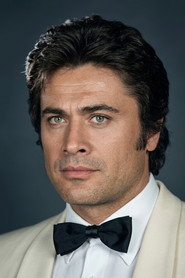 Cüneyt ArkınMurat
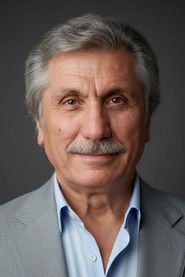
 Füsun UçarBilgin's Daughter
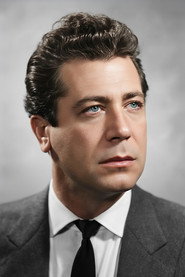 Hüseyin PeydaBilgin
 Necla FideKraliçe
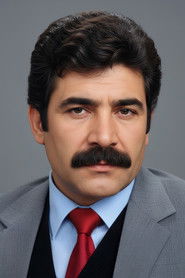 Hikmet TaşdemirSihirbaz
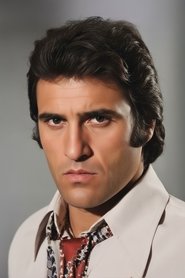 Mehmet UğurCreature
 Kadir KökCreature
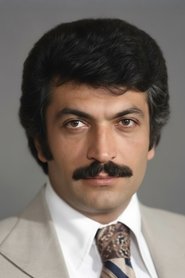 Aydın HaberdarCreature
 Yadigar EjderCreature
 Sönmez YıkılmazRobot Creature
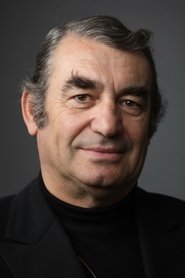 Muhip ArcımanNarrator