
Film
Stanley Kubrick - Ein Leben für den Film
A meticulous portrait of Stanley Kubrick assembled by his brother-in-law Jan Harlan, drawing on interviews with Nicholson and Allen, archival footage, and outtakes from his films. It's a film-lover's film about a film-lover's obsession—methodical, intimate, utterly devoted to understanding how one of cinema's most exacting directors built his world.
Should you watch it?
Watch it if you love knowing how a filmmaker's obsessions were built, and you enjoy hearing collaborators and family dig into the working habits and small details behind famous images.
Skip it if you want a tight, analytical documentary; this one is loose and affectionate, moving through his life in a warm, fan-tinged way rather than making a sharp argument.
What it asks of you: It runs a little over two and a half hours and wanders between talking heads, archive footage and clips, so it rewards patience more than sustained focus.
Not sure? Find tonight's pick in a minute.
If you liked this
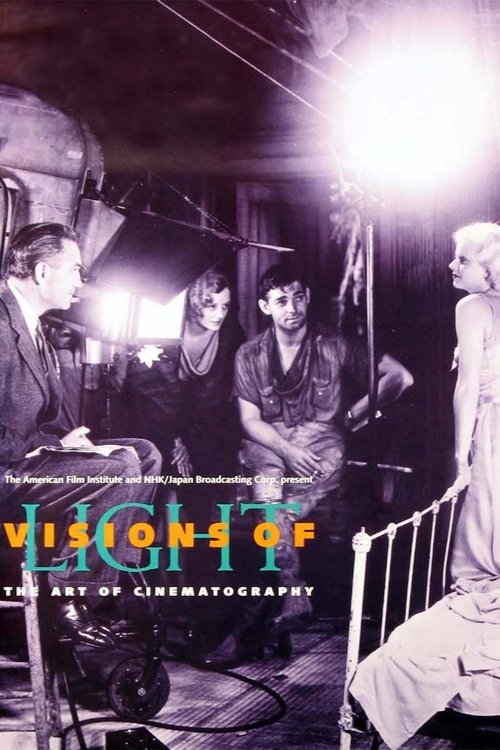
Visions of Light1992
A documentary about cinematography that mirrors Kubrick's own reverence for craft. Illuminates how visual storytelling works through interviews with legendary DPs and clips from decades of cinema.
But Slower-paced and more technical than a conventional doc. If you want narrative momentum or easy entertainment, this won't provide it.
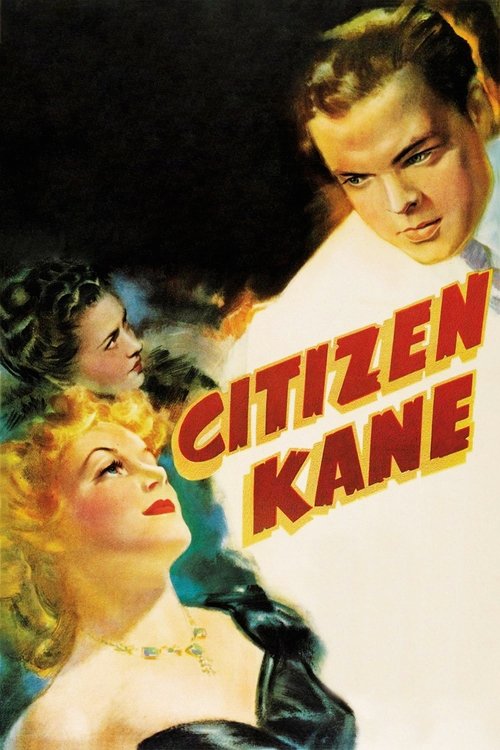
Citizen Kane1941
The essential comparison point for Kubrick's career ambition and formal innovation. Welles's influence on Kubrick is direct, and watching this first deepens the doc's entire argument.
But It's old and shot in black-and-white, and the pacing feels classical rather than modern. Some find it distant.
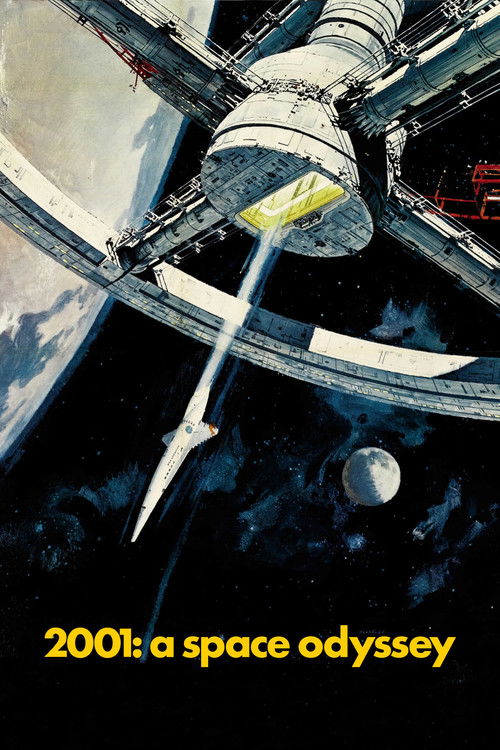
2001: A Space Odyssey1968
Essential viewing before or alongside the documentary. Experiencing the film itself—its strangeness, its slowness, its confidence—makes every interview in Harlan's doc infinitely richer.
But Notoriously challenging and unyielding. If you haven't seen it, be prepared for two hours that don't explain themselves easily.
Not sure tonight? Get a pick in a minute, starting from Stanley Kubrick - Ein Leben für den Film
The wildcard
Something you would not have found on your own.
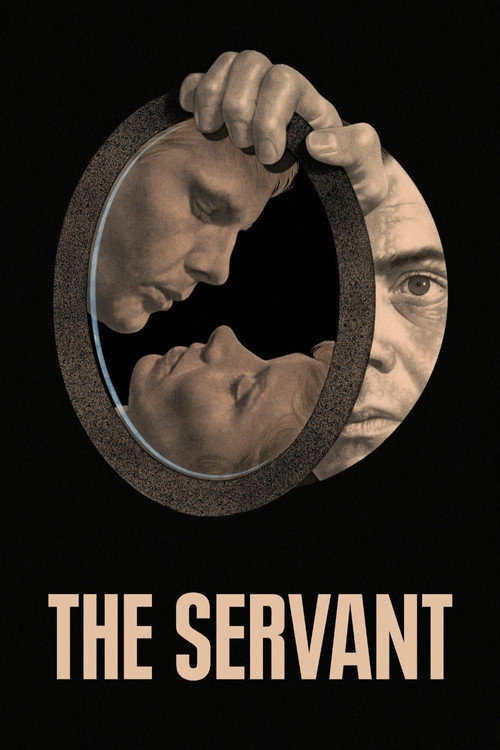
The Servant1963
Both directors build their films as mechanisms—formal systems where every frame serves the machinery. Losey showed Kubrick that meticulous control could serve moral complexity, not just spectacle.
Joseph Losey's obsessive psychological thriller about domination and power, shot with the kind of visual precision and moral ambiguity Kubrick revered. A film about control systems and performance—Kubrick's true spiritual ancestor in British cinema.
But Deliberately obscure and slow-burn. The power dynamics emerge gradually, and if you prefer explicit storytelling, it feels evasive.
More like this (7)
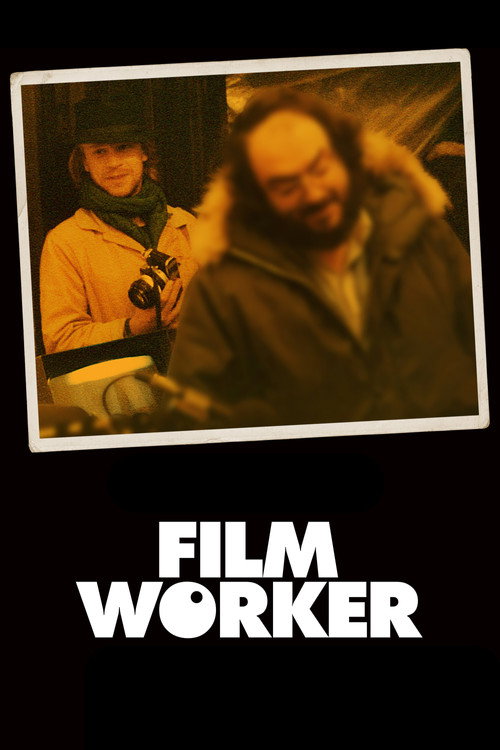
Filmworker2018
A portrait of Leon Vitali, Kubrick's longtime aide and creative collaborator. Shows Kubrick's process through an intimate, astonishing partnership—the flip side of the auteur myth.
But Deeply devoted to a single, peripheral figure. If you want a comprehensive Kubrick overview, this narrows its focus considerably.
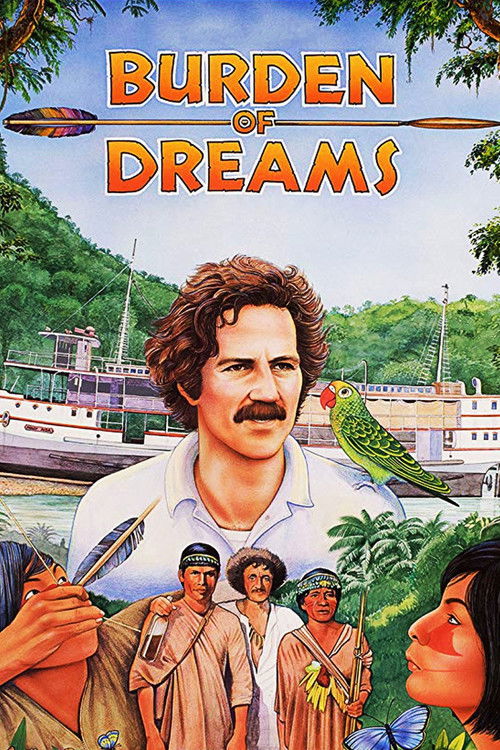
Burden of Dreams1982
Werner Herzog and Les Blank's documentary about making Fitzcarraldo. Another perfectionist auteur at war with his vision and the world—a spiritual cousin to Kubrick's method.
But Bleak and relentless. Herzog's obsession becomes genuinely difficult to watch; it's not a comfortable portrait.
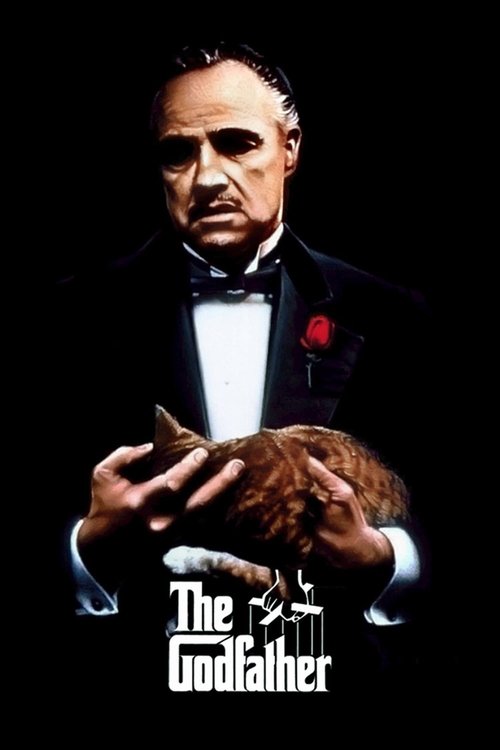
The Godfather1972
Kubrick's contemporary and rival as cinema's greatest perfectionist. Watching it reinforces how singular Kubrick's approach truly was, and why his influence matters.
But Nearly three hours, and it's not a breeze—pacing can feel deliberate. Not for passive viewing.
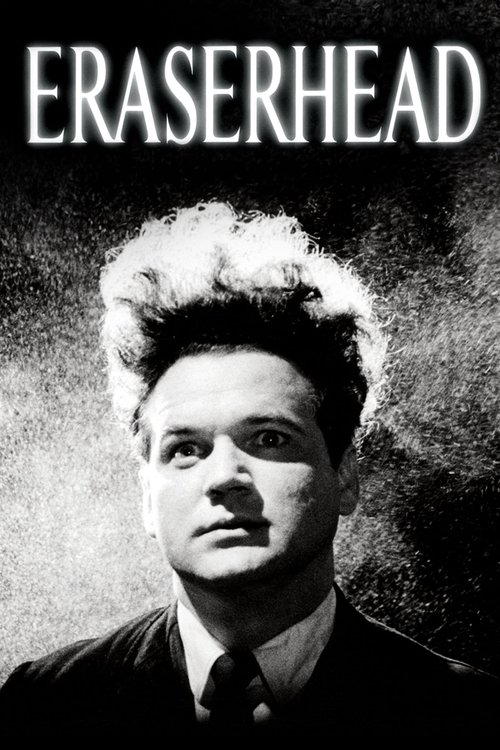
Eraserhead1977
David Lynch's nightmare vision shares Kubrick's commitment to form over convention and visual discomfort. Shows what happens when meticulous control serves the grotesque instead of the rational.
But Deeply unsettling and deliberately obscure. If you want your art to be legible or comforting, this is actively hostile to that.
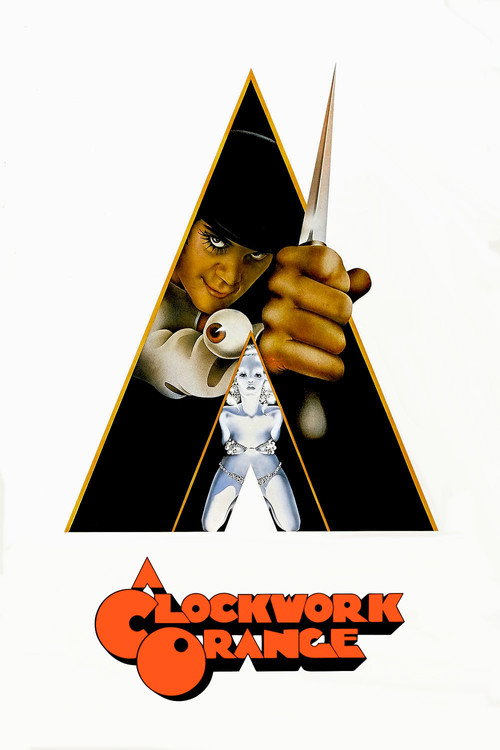
A Clockwork Orange1971
One of Kubrick's own masterworks and among cinema's most audacious moral provocations. Revisiting it after the doc gives the film new dimensions.
But Violent and transgressive by design. Its satire is sharp but the surface is brutal; many find it distasteful rather than illuminating.
Stalker1979
Both men are systematic visionaries who make demanding art. Tarkovsky is what Kubrick might have become if he'd chosen poetry over argument—equally uncompromising, utterly different in approach.
Andrei Tarkovsky's meditation on desire and obsession—a three-hour immersion in philosophical cinema. Where Kubrick uses precision to control the viewer, Tarkovsky uses slowness to overwhelm them. Both filmmakers are asking the same questions about desire and meaning through completely opposite methods.
But Long, patient, and hermetic. It's a test of endurance; if you're expecting conventional drama or climax, you'll be frustrated.

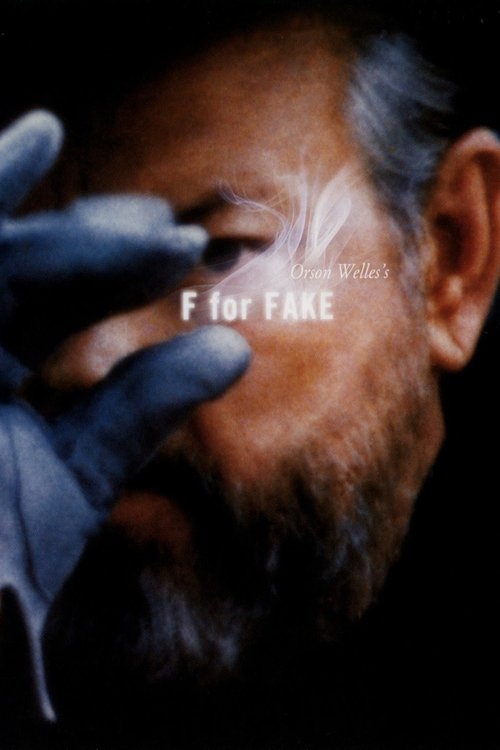
F for Fake1973
Both Welles and Kubrick were obsessive control freaks working in mainstream formats. Where Kubrick calculates, Welles plays—but they're both interested in the gap between reality and cinema as their central subject.
Orson Welles's playful essay about frauds, art, and authenticity—a ninety-minute performance about cinema itself. It's a wild departure from Kubrick's world stylistically, but asks the same question: what is the artist's responsibility to truth versus vision?
But Avant-garde and deliberately tricky. It deconstructs itself constantly; if you want a clear argument or a passive experience, it resists both.
People
Cast
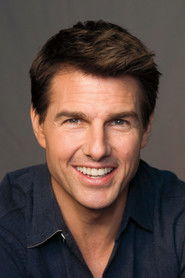 Tom CruiseSelf - Actor & Film Producer / Narrator
- Barbara KronerSelf - Stanley Kubrick's Sister
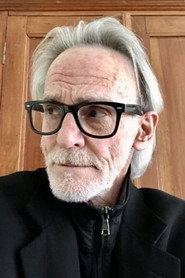 Steven MarcusSelf - Professor, Stanley Kubrick's Schoolfriend
- Alexander SingerSelf
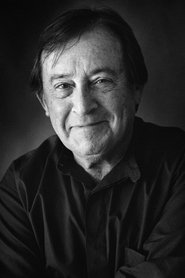 Paul MazurskySelf
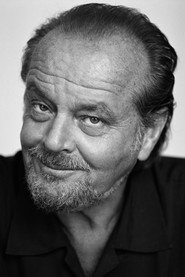 Jack NicholsonSelf
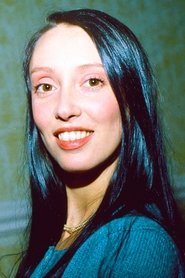 Shelley DuvallSelf
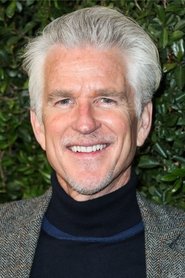 Matthew ModineSelf
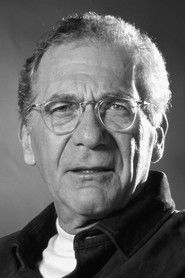 Sydney PollackSelf
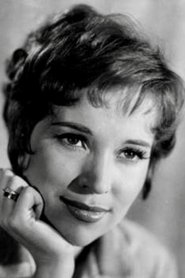
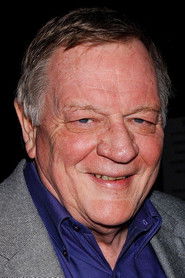 Richard SchickelSelf
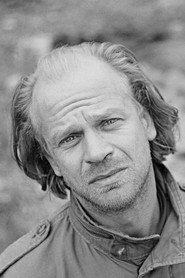 Leon VitaliSelf
Directing
- Jan HarlanDirector
Production
- Jan HarlanProducer