
Film
First They Killed My Father
- Drama
- Very dark
Angelina Jolie's directorial debut follows a five-year-old girl's fight for survival through the Cambodian genocide. Told largely through a child's perspective, it finds horror not in spectacle but in the collapse of ordinary life—separation, hunger, forced labor, the loss of identity. Devastating and necessary, it asks what it means to endure when everything is taken.
Should you watch it?
Watch it if you want a war story told from the eyes of a child, where the horror arrives through small, exact details rather than battle spectacle, and you can sit with a long, patient, unflinching account of a historical atrocity.
Skip it if you need a story with an escape hatch or a lot of plot momentum, since it moves deliberately and rarely lets up on its grim premise for relief or levity.
What it asks of you: Settle in for a little over two hours of steady, heavy material, with long stretches of quiet observation and few moments where the mood lightens.
Not sure? Find tonight's pick in a minute.
If you liked this
The Pianist2002
A Holocaust survivor's true story of hiding and survival in Warsaw. Like *First They Killed My Father*, it refuses sentimentality while honoring resilience, and finds profound humanity in the darkest circumstances.
But Graphic violence and extended scenes of starvation and degradation. Some find the emotional distance of the protagonist difficult to connect with.

Come and See1985
A Soviet masterpiece about a boy conscripted into WWII. It shares the devastating clarity of witnessing atrocity through young eyes, and the same refusal to look away or soften what war does to children.
But Brutal imagery and a relentless tone that offers almost no reprieve. It's a film that stays with you in ways that feel punishing.

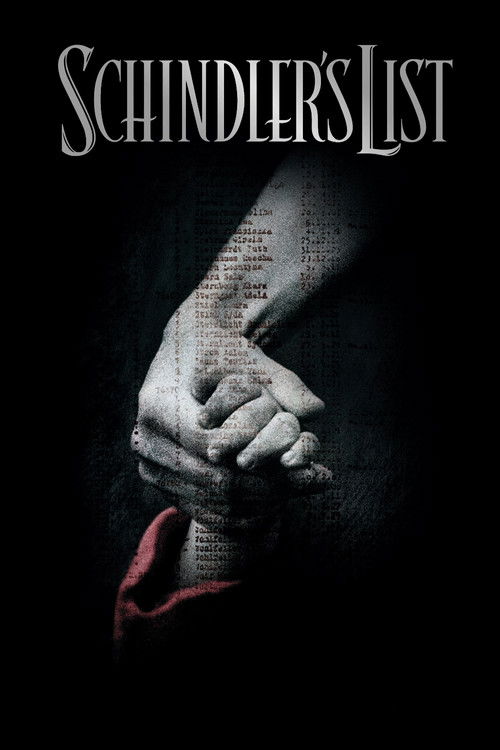
Schindler's List1993
The gold standard of genocide cinema. It documents how ordinary people navigate impossible moral choices, and like Jolie's film, it centers the experiences of those who lived through systematic dehumanization.
But At three and a half hours, it's exhausting by design. Some feel its scope and scope dilutes the intimate horror that *First They Killed My Father* captures.
Not sure tonight? Get a pick in a minute, starting from First They Killed My Father
The wildcard
Something you would not have found on your own.
The Act of Killing2012
Both center on genocide's aftermath and the question of how societies reckon with mass atrocity. But where Jolie focuses on a victim's survival, Oppenheimer turns the camera on perpetrators, asking what we see when we look them in the eye.
A documentary about Indonesian death-squad leaders in the 1960s—a genocide that killed over a million, overshadowed by Cambodia's. Director Joshua Oppenheimer films perpetrators reenacting their crimes, creating a surreal, horrifying mirror to *First They Killed My Father*'s examination of trauma and survival.
But The conceit—having killers perform their own atrocities—can feel exploitative. And the absence of accountability (these men were never prosecuted) leaves many viewers disturbed in ways the film doesn't resolve.

More like this (7)
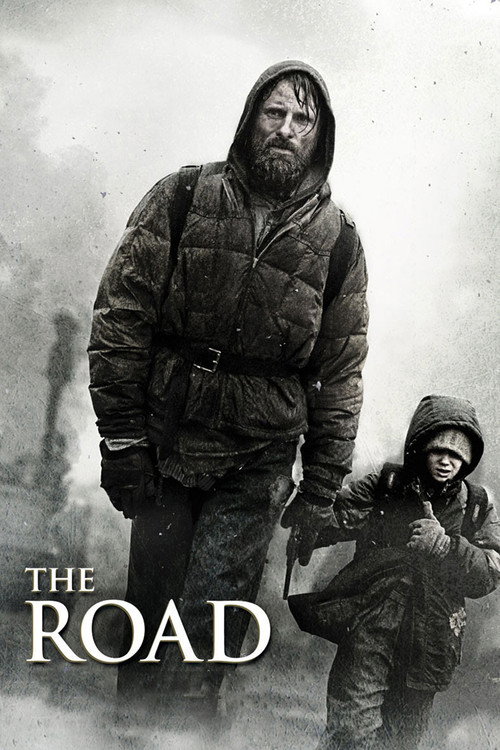
The Road2009
A father and son journey through post-apocalyptic wasteland. The film captures the same fragile bond between parent and child amid incomprehensible loss, and the stubborn insistence on love when everything else is gone.
But Relentlessly bleak. There's no catharsis, only survival. Some find the unending grimness depressing rather than moving.
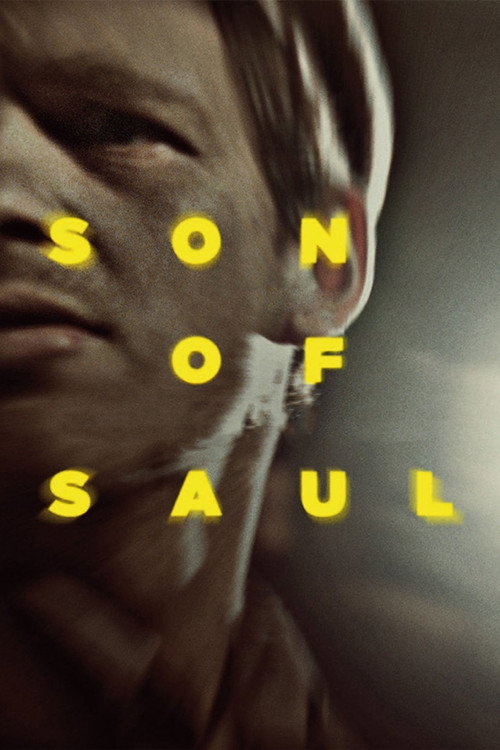
Son of Saul2015
A Holocaust film told in extreme close-up, following a Sonderkommando in Auschwitz. Like *First They Killed My Father*, it refuses wide shots of atrocity, instead anchoring us in one person's impossible choices and small acts of resistance.
But The confined framing and handheld camera work can feel claustrophobic and disorienting. It's deliberately difficult to watch.
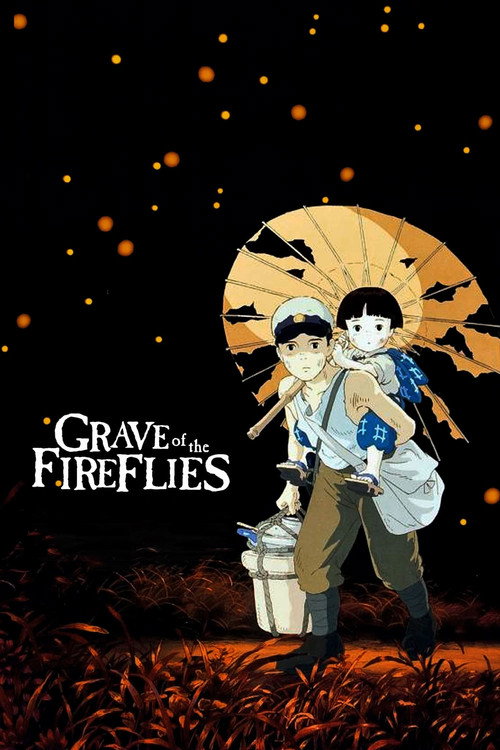
Grave of the Fireflies1988
An animated film about two siblings orphaned by WWII firebombing in Japan. It shares the film's focus on children navigating incomprehensible adult cruelty, told with devastating emotional clarity and no melodrama.
But The fact that it's animated sometimes causes people to underestimate how harrowing it is. Many find it among the most heartbreaking films ever made.
Requiem for a Dream2000
Aronofsky's film about addiction and human degradation. While the subject differs, it matches *First They Killed My Father* in its unflinching portrait of how systems—chemical, political—systematically strip people of dignity and choice.
But Deliberately punishing in form and content. The editing, sound design, and subject matter are designed to be uncomfortable. Not for viewers seeking any form of escape.

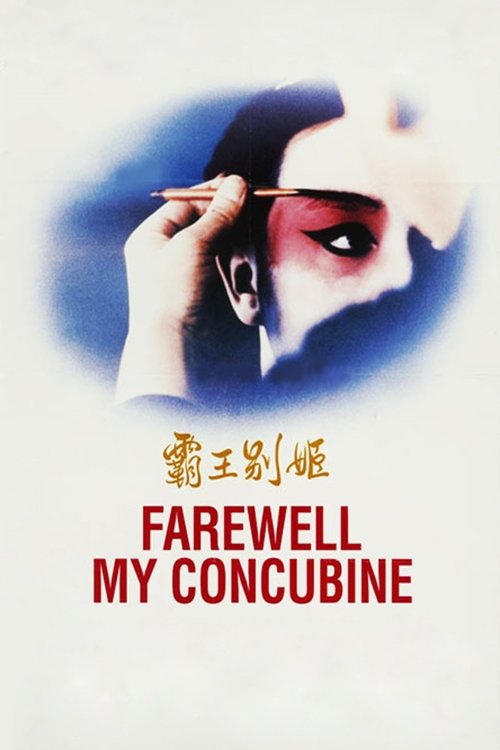
Farewell My Concubine1993
A Chinese epic spanning decades of political upheaval, following two opera performers through the Cultural Revolution. Like Jolie's film, it shows how ideology dismantles personal bonds and forces impossible choices on ordinary people.
But Nearly three hours and densely plotted. Some find the male relationship at its center and the film's scope less immediately gripping than more focused narratives.
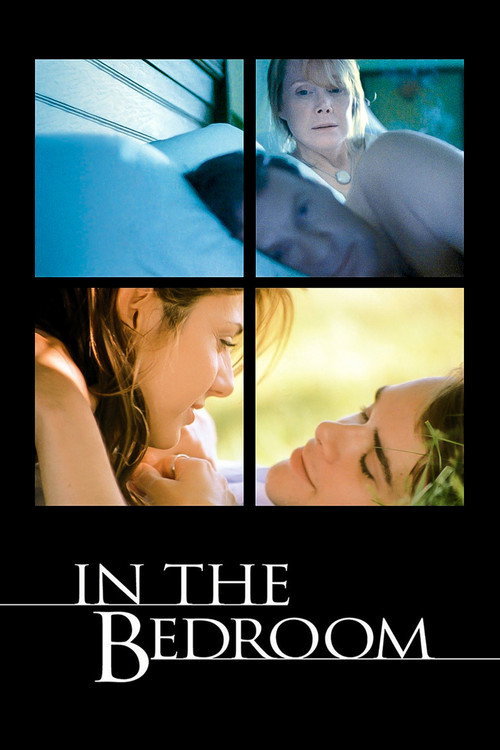
In the Bedroom2001
A New England family unravels after tragedy. It shares *First They Killed My Father*'s interest in how trauma fractures families and the long, quiet aftermath of sudden loss that receives less attention than the event itself.
But Slow and deliberately undramatic. It asks you to sit with grief rather than process it. Some find the pacing testing.
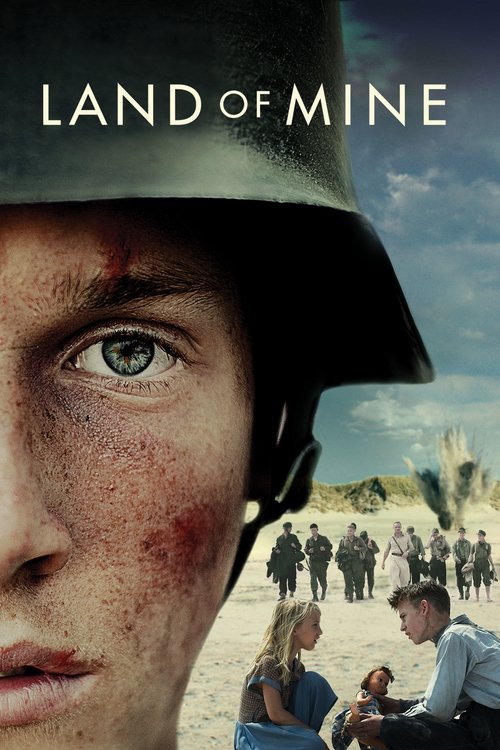
Land of Mine2015
Both films center on children caught in ideological machinery and the cost of survival. *Land of Mine* asks: what if we had to care about the other side's children too?
A Danish film about German teenage soldiers forced to clear landmines after WWII. It's set in the war's immediate aftermath with children as its focus, but treats its young German soldiers with complex humanity. A radically different perspective on child soldiers and survival.
But The reversal of expected victim/perpetrator roles disturbs some viewers. It's an act of empathy that feels uncomfortable, which is the point but doesn't make it easier to watch.
People
Cast
- Sareum Srey MochLoung

- Mun KimhakKim
- Heng DaraMeng
- Khoun SotheaKhouy
- Sarun NikaGeak
- Run MalynaChaou
- Oun Srey NeangKeav
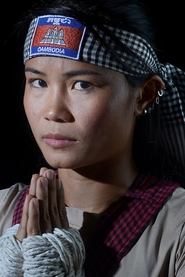 Tharoth SamKhmer Rouge Leader
Directing
- Angelina JolieDirector
- Adam SomnerFirst Assistant Director
Writing
- Loung UngBook
- Angelina JolieScreenplay
- Loung UngScreenplay
Production
- Sreyra InCasting
- Brian CloppCo-Producer
- Adam SomnerExecutive Producer
- Charles J.D. SchlisselExecutive Producer
- Loung UngExecutive Producer
- Pauline FischerExecutive Producer
- Sarah BowenExecutive Producer
- Angelina JolieProducer
- Maddox JolieProducer
- Michael VieiraProducer
- Rithy PanhProducer
- Ted SarandosProducer
- Steven P. SaetaProduction Manager
Recommended by
The Missing Picture, Where Soldiers Come From, The Swimmers, The Gatekeepers, Ghosts of Abu Ghraib, Gunner Palace, Vietnam: A Television History