Television series
Vietnam: A Television History
A landmark 13-part PBS documentary that treats Vietnam as a complete historical narrative rather than an American story. Meticulously researched, mixing archival footage with interviews from soldiers, politicians, and civilians across all sides. It's patient, sometimes devastating, and asks you to sit with complexity rather than reach for easy conclusions. Essential for anyone trying to understand not just what happened, but why it mattered.
If you liked this
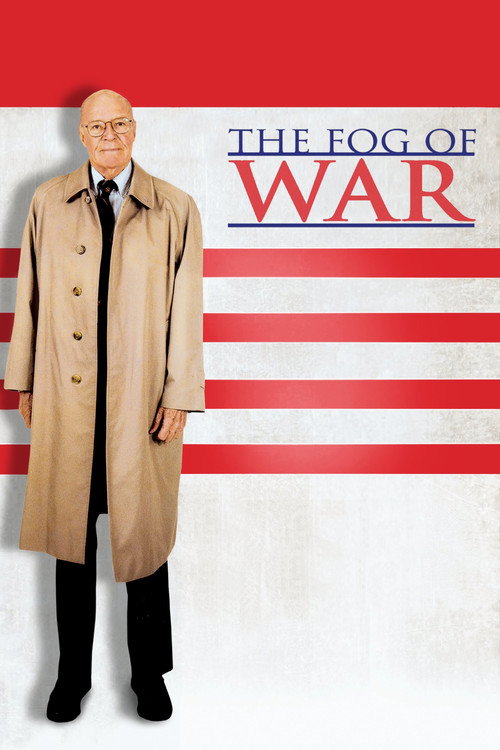
The Fog of War2003
Errol Morris's intimate documentary of Robert McNamara's role in Vietnam and other conflicts. He speaks candidly about decisions, doubts, and the gap between intention and consequence. Essential viewing about the people who made the war.
But At over two hours of one man talking, it demands patience and emotional stamina. Not everyone finds McNamara's reflections redemptive.
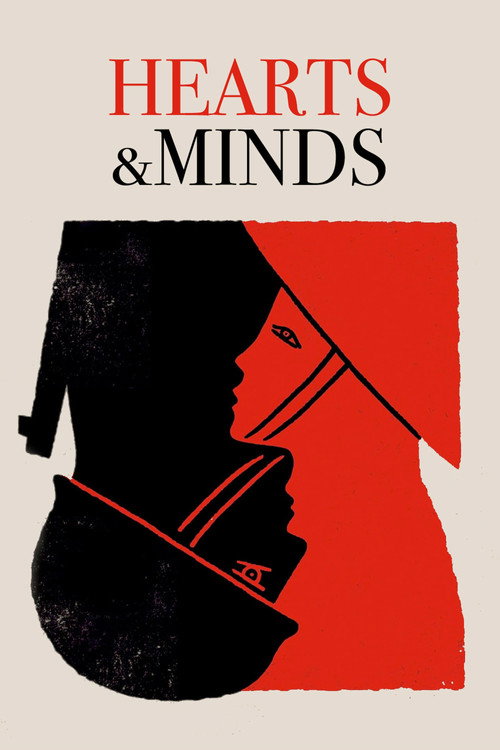
Hearts and Minds1974
A searing documentary made while the war was ending, assembling testimony from pilots, protesters, generals, and Vietnamese families. Raw, confrontational, and uninterested in false balance. Feels like watching history still burning.
But Explicitly anti-war and it shows. If you want analysis that feels neutral, this isn't it. Some sequences are extremely difficult.
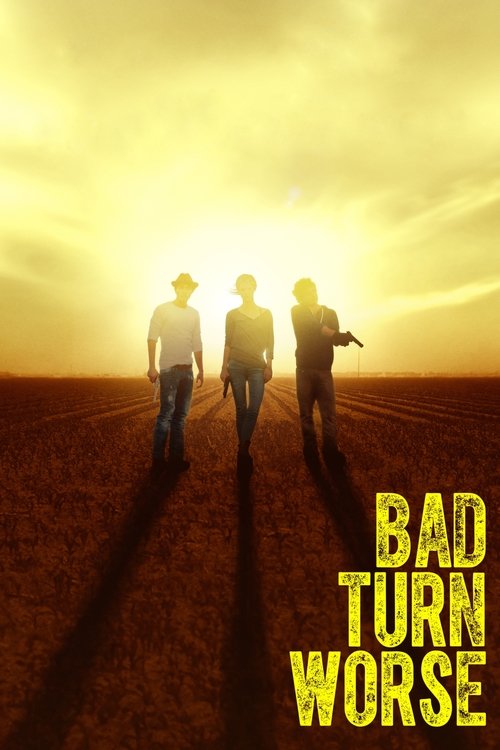
Bad Turn Worse2014
A music documentary about how rock and soul soundtracked the war for soldiers and protesters alike. Fresh angle that captures the era's texture in a way words and grainy film stock sometimes can't.
But More cultural history than war history. Focuses on American experience; limited perspective from Vietnamese side. Runs short at 82 minutes.
Not sure tonight? Get a pick in a minute, starting from Vietnam: A Television History
The wildcard
Something you would not have found on your own.
The Act of Killing2012
Both ask how societies justify mass killing and who bears witness. Vietnam treats American responsibility; The Act of Killing shows what happens when the perpetrators never face judgment at all.
A documentary about Indonesian death squad leaders after the 1965-66 genocide. Like Vietnam, it examines how ordinary people commit extraordinary violence and how nations process (or don't) atrocity. The method is radical: having perpetrators restage their own crimes, forcing confrontation with horror they've never had to face.
But Extremely disturbing. The final act is psychologically harrowing. Its premise—making killers perform their killings—troubles viewers even as it reveals truth. Not for everyone, and shouldn't be.

More like this (3)
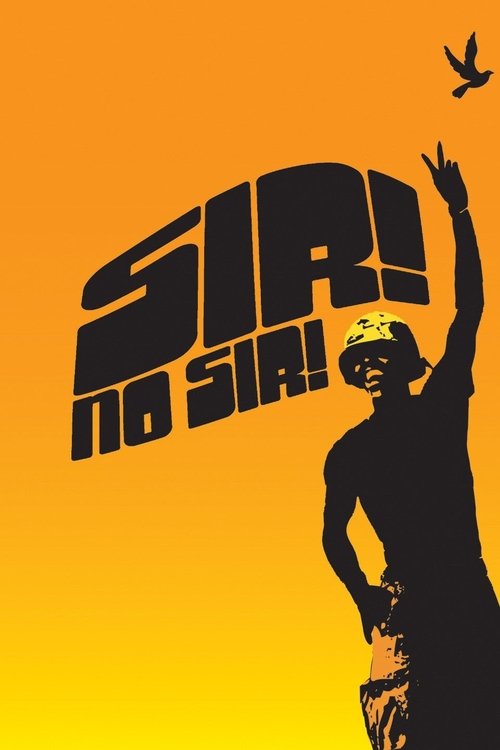
Sir! No Sir!2005
Documents the GI resistance movement during the war—soldiers who refused to fight, deserted, or organized from within. Recovers a story that institutional histories often bury. Vital and energizing.
But Lower production value than major documentaries. Some interviews are harder to follow than others. Narrower scope than a comprehensive Vietnam history.
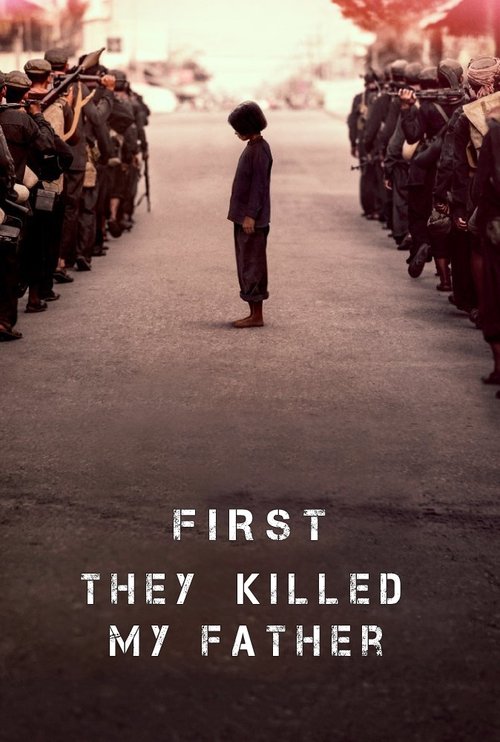
First They Killed My Father2017
Documentary about the massacre and the photographer who exposed it. Unflinching examination of how the war corrupted young men and how truth-telling became an act of conscience.
But Deeply disturbing material. Some find the pacing repetitive; it circles the same horror from multiple angles deliberately but rigorously.
American Experience1988
Focuses on the immediate aftermath: what happened to veterans, protesters, and the country when the war ended. Often overlooked but crucial for understanding the war's true cost.
But Less visually striking than other Vietnam documentaries. Structured around interviews; can feel like television rather than cinema.