
Film
The Missing Picture
Rithy Panh survived the Khmer Rouge as a child, and no camera was there to record it — so he builds the missing footage from clay: figurines painted by hand, still and silent, arranged against grainy archive and his own quiet narration. It is a documentary made from absence, both an act of witness and an act of mourning. Watch it slowly, and expect to feel it for days.
If you liked this
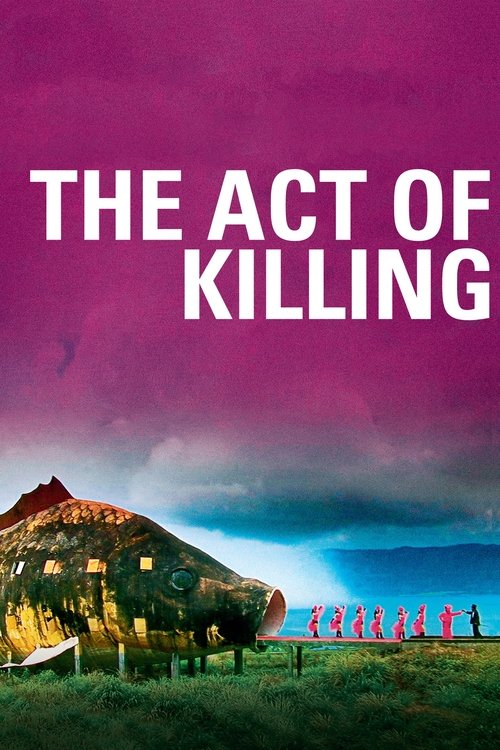
The Act of Killing2012
Joshua Oppenheimer gets Indonesian death-squad leaders to restage their 1965 massacres as gangster movies and musicals, and the result is the most disorienting, morally vertiginous documentary about mass killing ever made — nothing else works quite like it.
But The perpetrators' total lack of remorse, and the film's stylised showmanship, make it feel closer to horror-comedy than history at times.
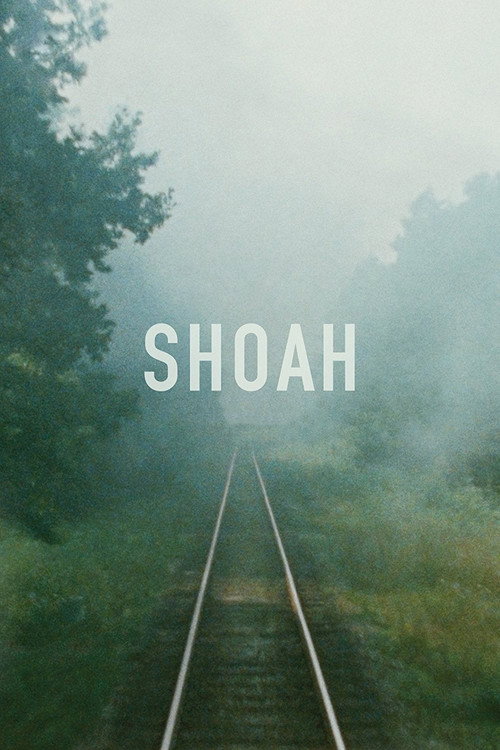
Shoah1985
Claude Lanzmann spent eleven years gathering testimony from survivors, perpetrators and bystanders of the Holocaust, building a nine-hour monument of pure witness with no archive footage at all — patient, devastating, and unlike anything else in cinema.
But Nine hours is a real commitment, and its refusal to use any historical footage can feel austere before it becomes overwhelming.
First They Killed My Father2017no page yet
Angelina Jolie adapts Loung Ung's memoir of surviving the Khmer Rouge as a child soldier, telling the same history Panh lived through but from inside a young girl's eyes, in lush, unbearable colour.
But Its polish and movie-star pedigree sit oddly against the rawness of the subject, and some found it too handsome for its horror.
The wildcard
Something you would not have found on your own.
Night and Fog1956
Both are essay films that use narration and image, not testimony alone, to ask what a place remembers — Resnais wrote the grammar Panh is fluent in.
Alain Resnais's 1955 short intercuts black-and-white footage of empty concentration camps with colour images of them decades later, asking whether places can hold memory at all — thirty-two minutes that invented the poetic atrocity documentary Panh's film descends from.
But It's nearly seventy years old, in French with formal narration, and its restraint can feel distant compared to more visceral modern documentaries.
More like this (8)
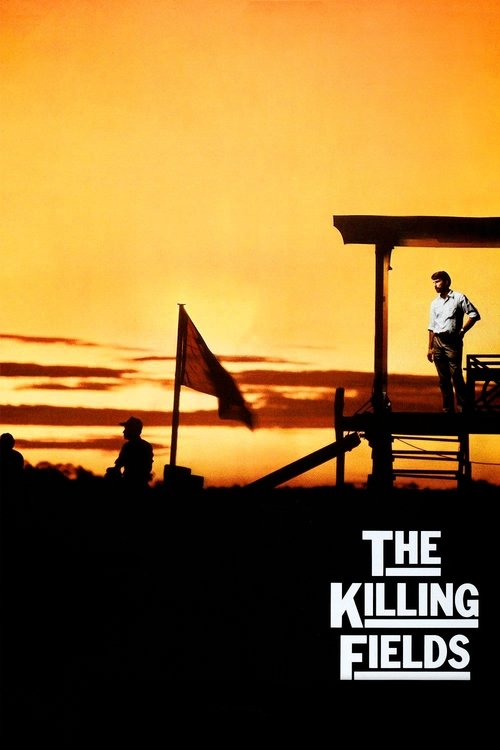
The Killing Fields1984
The mainstream gateway drama, following a journalist and his Cambodian colleague through the fall of Phnom Penh and the Khmer Rouge's rise — the film that first brought this genocide to a Western audience, and still hits hard.
But It centres a white journalist's perspective on a Cambodian catastrophe, a framing that feels dated and sometimes uncomfortable now.
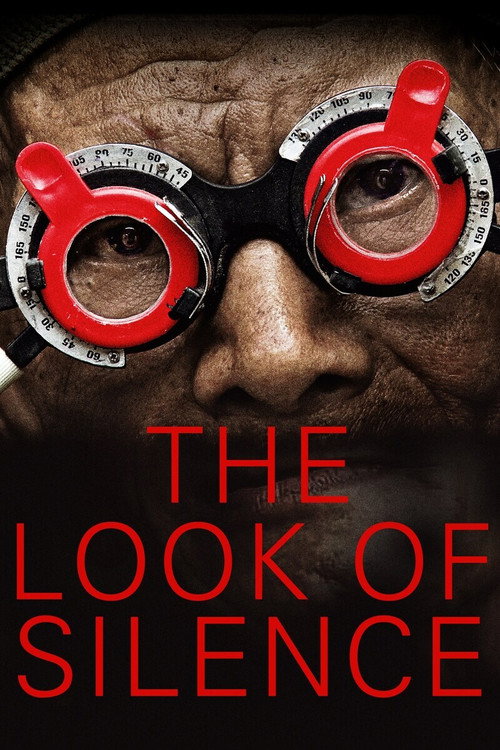
The Look of Silence2014
Oppenheimer's quieter companion piece to The Act of Killing, in which a man confronts the men who murdered his brother, calmly, one by one — a study in grief that never once raises its voice.
But Its stillness is the point, but that same restraint makes it a slower, more internal watch than its predecessor.
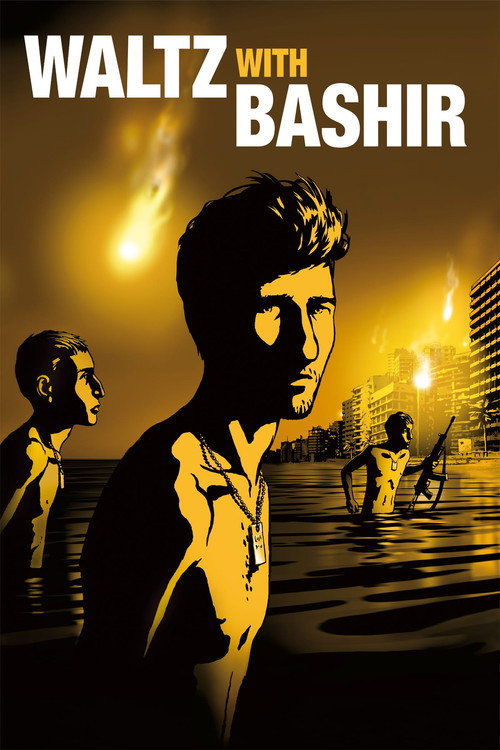
Waltz with Bashir2008
An Israeli director animates his own fragmented memories of the 1982 Lebanon War, using rotoscoped drawing the way Panh uses clay — to reach a truth that ordinary footage couldn't hold.
But The animation's stylised beauty can feel at odds with the horror it depicts, and some prefer their war memory unadorned.
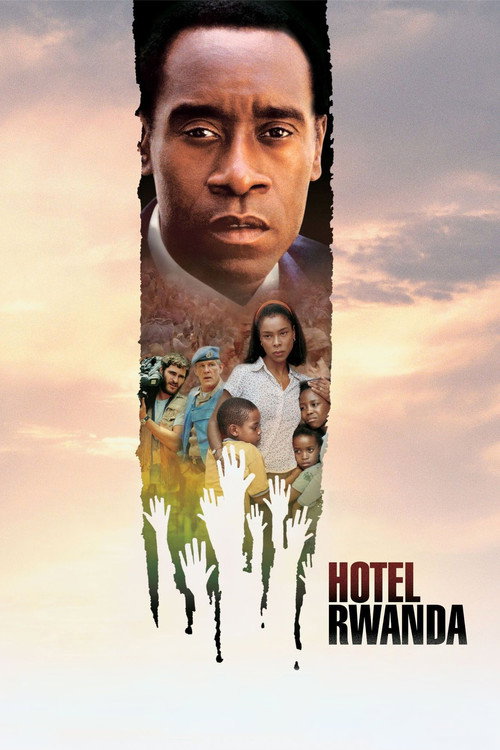
Hotel Rwanda2004
A hotel manager shelters hundreds of refugees during the Rwandan genocide in this accessible, star-driven drama — a good entry point if you want the moral weight of these histories without the formal rigour of documentary.
But It smooths a lot of horror into a conventional Hollywood shape, and some find that softening does the history a disservice.
Enemies of the People2009no page yet
A Cambodian journalist spends a decade earning the trust of former Khmer Rouge cadres, including Pol Pot's right-hand man, until they finally explain — on camera — how and why they killed.
But It's less widely seen than the bigger names on this list, and its patient, procedural approach asks for real attention.
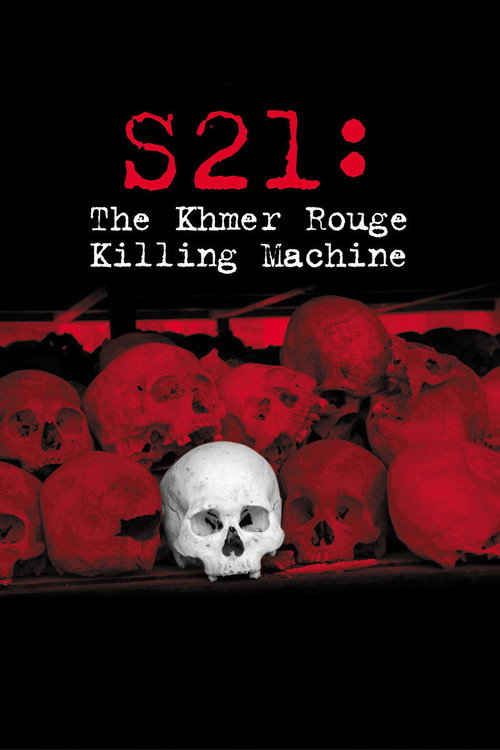
S21: The Khmer Rouge Killing Machine2003
Rithy Panh's earlier film brings survivors of the S-21 torture centre face to face with their former guards, who re-enact their old routines in the empty building — a direct precursor to the method Panh perfects with clay.
But It's harder to find than the more famous titles here, and the confrontations it stages are almost unbearably tense to sit through.
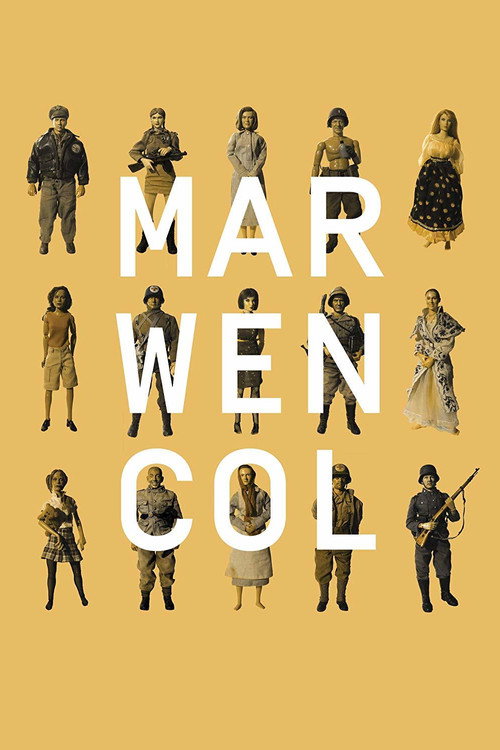
Marwencol2010
Same technique, opposite scale: a man alone in his yard uses dolls to survive a memory he can't otherwise hold, exactly what Panh does with a nation's.
After a beating left him brain-damaged, Mark Hogancamp builds a 1:6-scale WWII town in his backyard, populating it with dolls that stand in for himself and his attackers — trauma processed entirely through miniature figures.
But It's an intimate American indie about one man's private grief, a world away from state atrocity, and its scale can feel small after Panh's history.
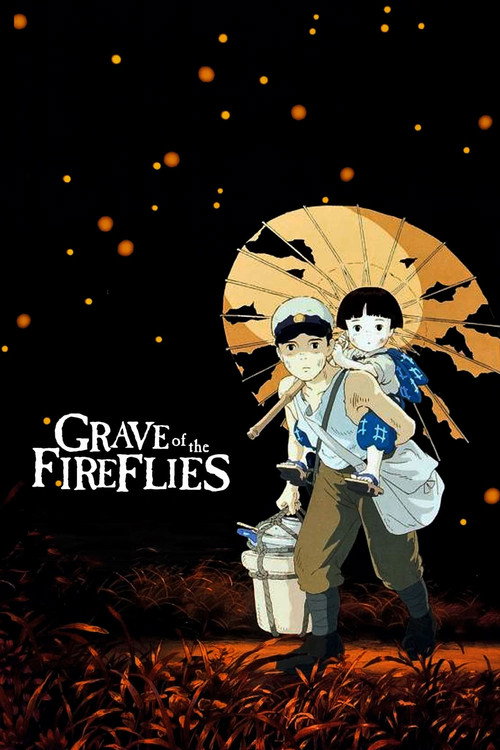
Grave of the Fireflies1988
Both use a childlike medium — clay figures, cel animation — to hold a suffering documentary footage never captured, seen through a child's eyes as a war destroys everything they knew.
Studio Ghibli's animated account of two children starving in firebombed Japan is often called the saddest film ever made — animation used, as Panh uses clay, to reach a suffering too total for live footage to survive.
But It's animated and marketed for a general audience, but it is genuinely devastating and not remotely suitable for children despite the label.
People
Cast
- Randal DoucNarrator (voice)
- Jean-Baptiste PhouNarrator (voice)
Directing
- Narith RoeunAssistant Director
- Rithy PanhDirector
Writing
- Christophe BatailleScreenplay
- Rithy PanhScreenplay
Production
- Catherine DussartProducer
Recommended by
The Killing Fields, The Look of Silence, S21: The Khmer Rouge Killing Machine, The Silence of Others