
Film
Enemies of the People
- Crime
- Investigative journalism
- Biopic
- Very dark
A Cambodian journalist spends ten years interviewing perpetrators of the Khmer Rouge genocide—from foot soldiers to Pol Pot's inner circle—to understand why his own family was killed. The result is a rare, devastating firsthand account of how ordinary people became architects of mass murder. This is intimate testimony, not distant history.
If you liked this
The Act of Killing2012
Indonesian director Joshua Oppenheimer films perpetrators of a 1960s genocide staging their own crimes as entertainment. Like Enemies of the People, it forces us to reckon with how killers justify themselves—but through their own invented narratives, which is somehow more disturbing.
But It's formally experimental in ways that feel manipulative to some viewers. The playfulness around atrocity will repel you if you need your documentaries reverent.

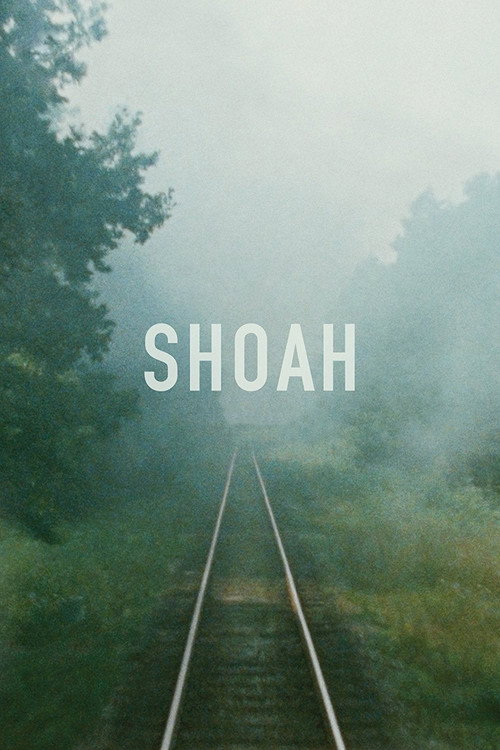
Shoah1985
Claude Lanzmann's nine-hour documentary about the Holocaust through survivor and witness testimony. Patient, searching, deeply human. Sambath's decade of relationship-building echoes Lanzmann's refusal to settle for easy answers or archival footage.
But Nine hours. The pacing is glacial by design. If you need momentum or narrative shape, this will test you severely.
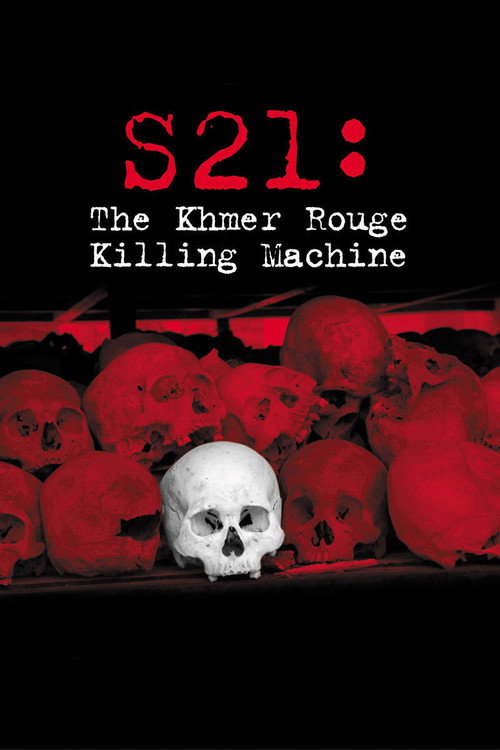
S21: The Khmer Rouge Killing Machine2003
Rithy Panh returns to the notorious prison where 14,000 were tortured and executed, interviewing survivors and a guard who worked there. Another meditation on how systems of murder are built and justified by those inside them.
But Physically difficult to watch in places. The archive footage and testimony carry unbearable weight.
Not sure tonight? Get a pick in a minute, starting from Enemies of the People
The wildcard
Something you would not have found on your own.
Waiting for the end of the World
Both films reject the idea that atrocity happens because of exceptional evil. They show how ordinary systems and ordinary people create monstrosity through small daily choices. Sambath's killers, Kieślowski's citizens: both trapped in machinery.
Krzysztof Kieślowski's short film about ordinary people in Poland under martial law, filmed in black-and-white on a single day. No violence, no genocide—but the same inquiry into how people live under totalitarian systems, how they think, how they rationalize. The texture of daily compliance.
But Polish cinema from the 1980s; glacially paced, bleak, and utterly unglamorous. No catharsis or political resolution.
More like this (3)
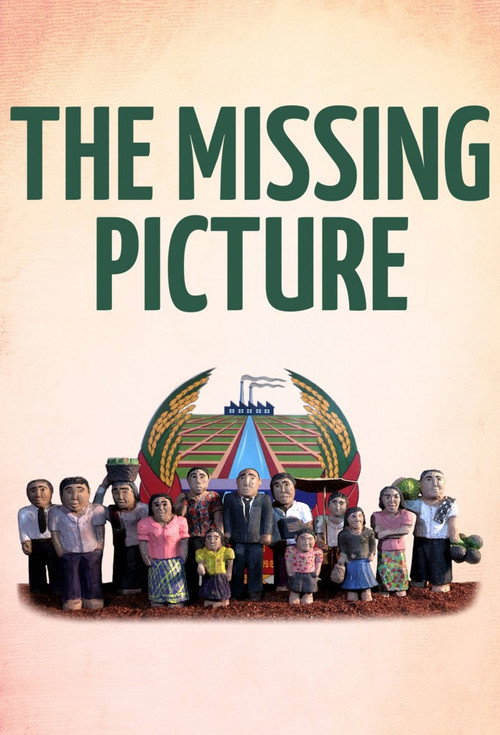
The Missing Picture2013
Rithy Panh again, this time using puppet animation to reconstruct his family's experience under the Khmer Rouge—because no photographs exist. Transforms absence into form. Grief made visible through artifice.
But The animation style, meant to honor what's lost, will strike some as too removed or decorative for the subject.
The Ascent1977
Like Sambath's decade of conversations, this sits with the question of why. Not plot mechanics, but the philosophical and spiritual crisis of people who participate in or witness mass violence. Both films refuse easy answers.
Elem Klimov's Soviet film about two Soviet partisans captured by Nazi soldiers during World War II—facing execution, they walk toward their death debating faith, meaning, and why humans destroy each other. Brutal, theological, hypnotic.
But Shot in stark black-and-white with a dreamlike quality that feels almost abstract. Deeply pessimistic about human nature; some find it unwatchable rather than cathartic.

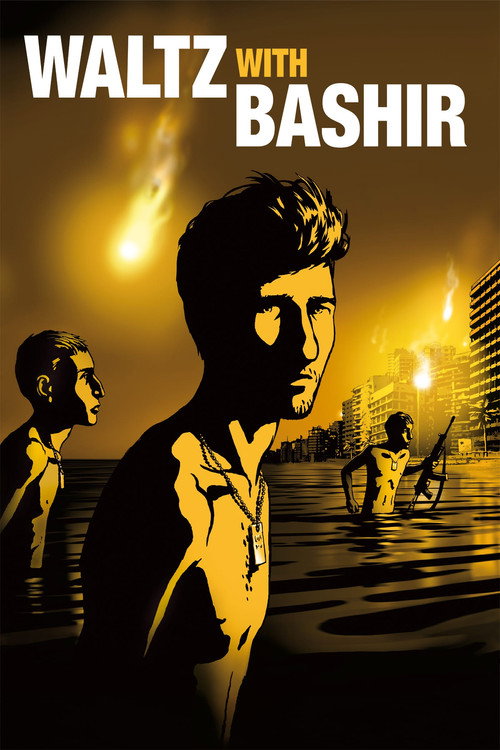
Waltz with Bashir2008
Sambath spends ten years building trust to extract testimony from killers. Ari Folman spends years reconstructing his own buried memories of being a soldier. Both films understand that confession—from perpetrator or witness—takes time, patience, and a kind of love, even when love seems impossible.
An Israeli animator reconstructs his own fractured memories of the 1982 Lebanon War, interviewing fellow soldiers about what they saw and did—and what they've forgotten. Animated documentary, wildly inventive formally, about trauma and complicity and how memory shapes or fails us.
But Animation about war; the visual beauty can feel inappropriate to some. The film's own formal playfulness may read as evasive.
People
Cast
Directing
- Rob LemkinDirector
- Thet SambathDirector
Writing
- Rob LemkinWriter
- Thet SambathWriter
Production
- Sandra WhiphamExecutive Producer
- Rob LemkinProducer
- Thet SambathProducer