
Film
Standard Operating Procedure
Errol Morris doesn't ask whether the Abu Ghraib photographs are shocking — he asks what they actually prove. Talking-head interviews with the soldiers behind the camera, intercut with the images themselves, dismantle the comforting idea of a few bad apples. It's clinical, infuriating, and built for anyone who wants to understand how ordinary people become complicit in atrocity.
If you liked this
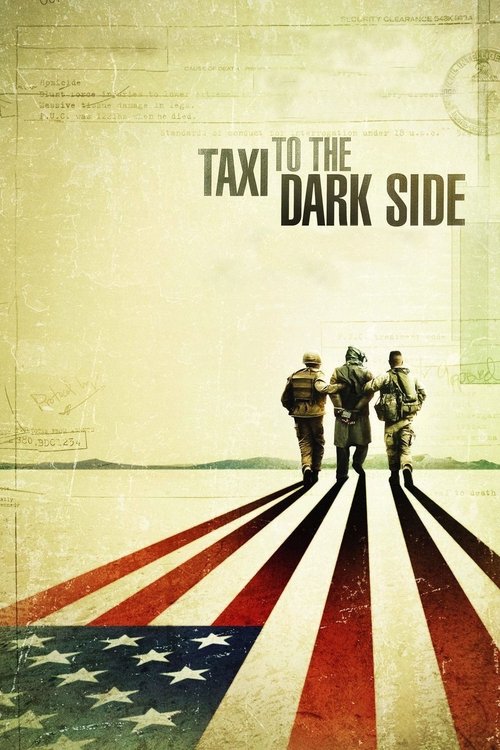
Taxi to the Dark Side2008
Alex Gibney's Oscar-winning doc traces torture policy from a dead taxi driver in Afghanistan up to the White House memos that authorized it. Same subject, wider lens, more damning paper trail.
But It's angrier and more polemical than Morris's film — less interested in ambiguity, more interested in indictment.
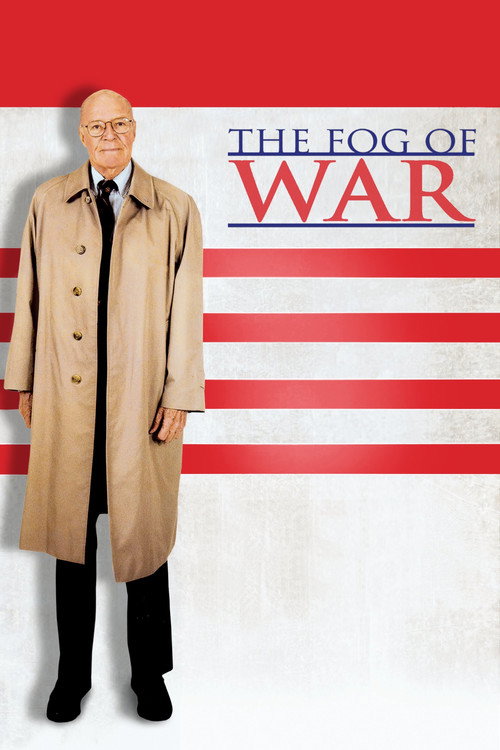
The Fog of War2003
Morris's earlier film, and arguably his best: Robert McNamara reflecting on Vietnam with the same unnerving self-awareness the Abu Ghraib soldiers lack. A masterclass in interrogating institutional guilt.
But It's one very old man talking for 90 minutes — riveting if you're already interested, a slog if you're not.
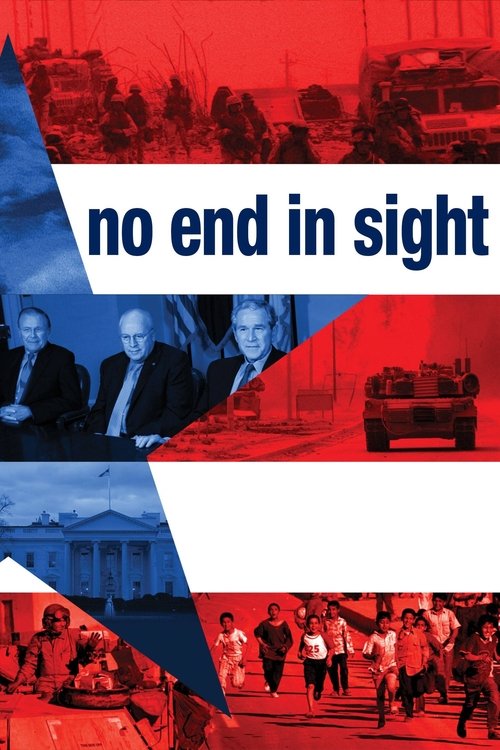
No End in Sight2007
The bureaucratic decisions that turned the Iraq occupation into chaos, told by the officials who made them. Fills in the policy vacuum that made places like Abu Ghraib possible.
But Dense with names, acronyms and meetings — more policy explainer than character study.
The wildcard
Something you would not have found on your own.
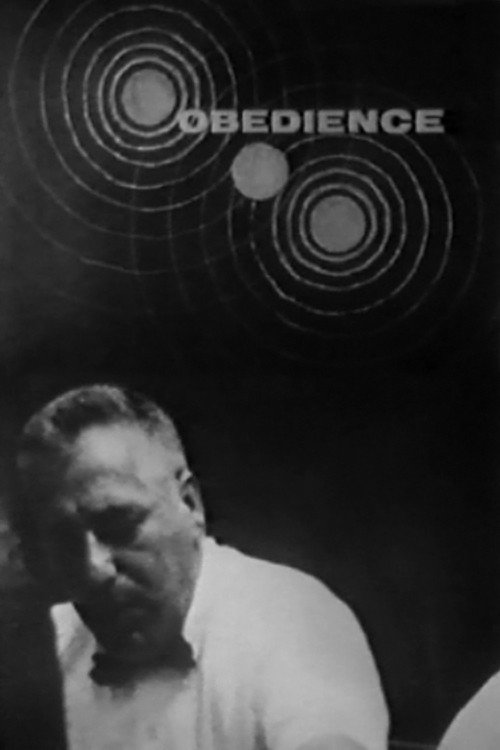
Obedience1962
This is the science underneath the soldiers: proof, decades before Abu Ghraib, that authority alone can make decent people do cruel things on camera.
Stanley Milgram's original short film of his own experiment: ordinary volunteers delivering what they believe are painful electric shocks because a man in a lab coat told them to. Grainy, real, and the direct ancestor of every question Morris asks.
But It's a 45-minute academic short with no narrative pull — historically vital, not remotely entertaining.
More like this (8)
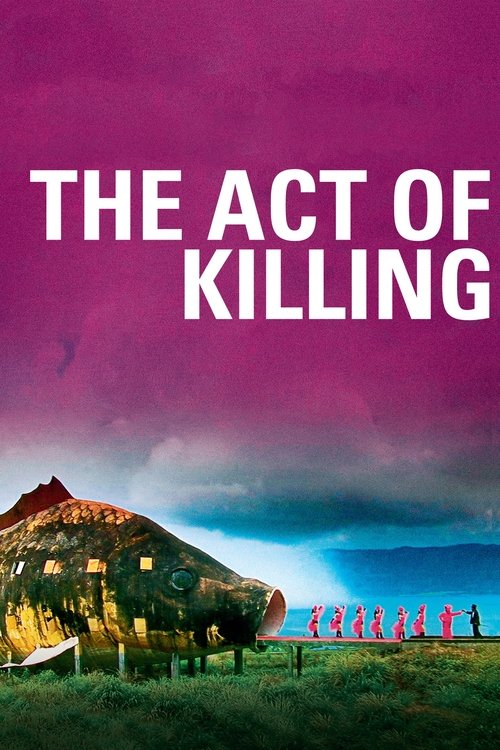
The Act of Killing2012
Indonesian death squad leaders reenact their own killings for the camera, gleefully. The most extreme version of Morris's question: what happens when perpetrators explain themselves without shame?
But Genuinely disturbing and formally strange — this is not a comfortable watch, and it doesn't want to be.
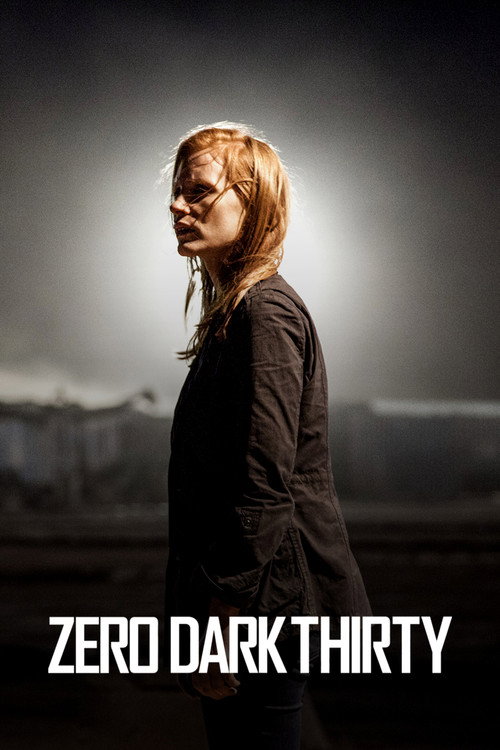
Zero Dark Thirty2012
Kathryn Bigelow's fictionalized hunt for bin Laden opens with interrogation scenes that ask the exact question Morris raises with photographs: does it work, and does that matter morally?
But It's a thriller first — tense and propulsive rather than reflective, and it was accused of soft-pedaling torture's efficacy.
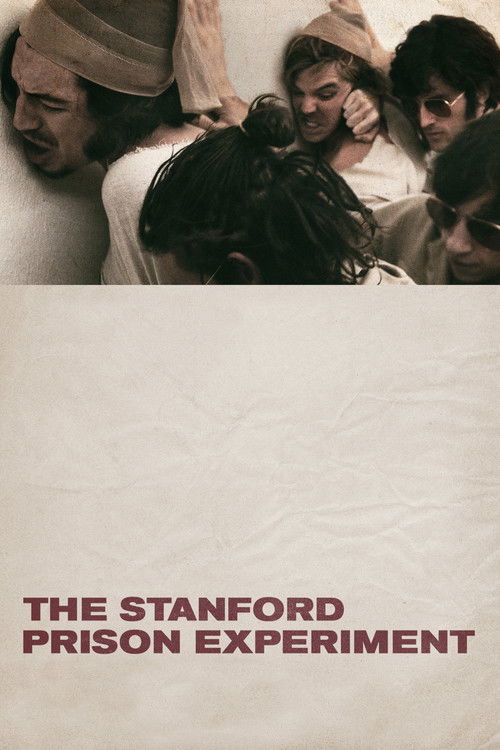
The Stanford Prison Experiment2015
A dramatization of the infamous 1971 study where students playing guards turned genuinely cruel within days. The psychological mechanics behind Abu Ghraib, laboratory-sized.
But Stagey and claustrophobic by design — it can feel like watching a controlled experiment rather than living through one.
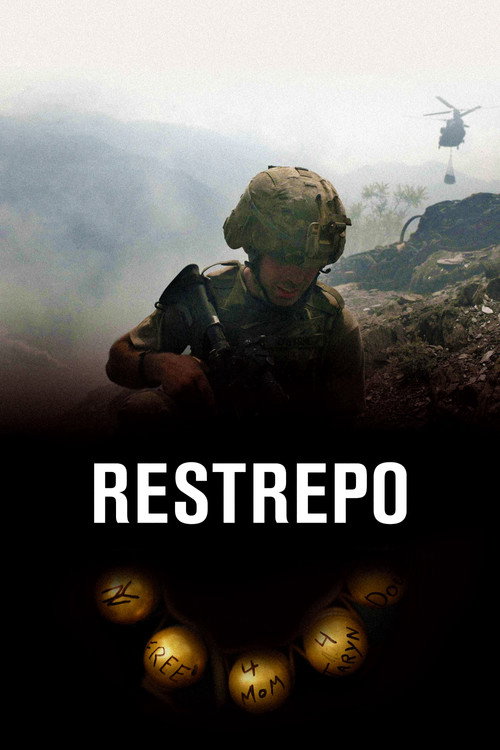
Restrepo2010
A year embedded with a platoon in Afghanistan's Korengal Valley, with no narration and no agenda. Shows the exhaustion and fear underneath decisions made far from any camera.
But Almost entirely combat footage and downtime — there's no analysis here, just proximity.
Camp X-Ray2014no page yet
Kristen Stewart plays a young guard at Guantanamo who forms an uneasy bond with a detainee. A small, humane fiction that sits opposite Morris's soldiers — what restraint looks like instead.
But Quieter and more conventional than anything else on this list — a character drama, not an exposé.
Ghosts of Abu Ghraib2007no page yet
An HBO documentary covering the same prison from a broader angle, with detainee testimony Morris's film largely leaves out. Useful as a corrective companion piece.
But Less formally inventive than Morris's approach — more straightforward reportage, less unsettling as a piece of filmmaking.
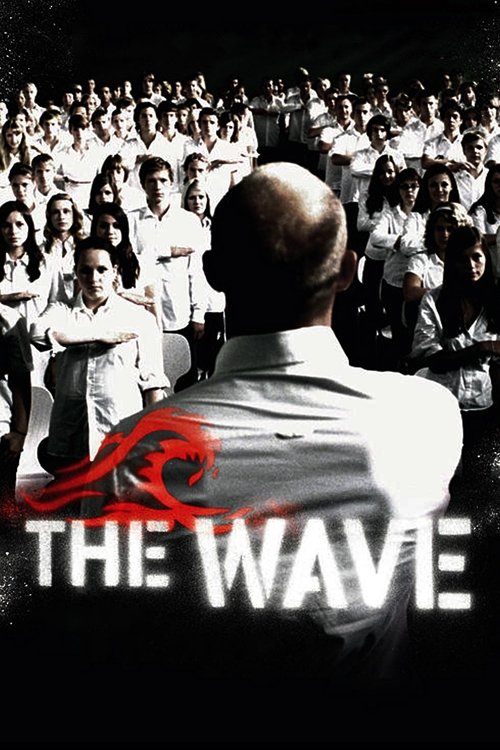
The Wave2008
Same mechanism as Abu Ghraib — group pressure and uniform turning individuals into an obedient mass — relocated from a military prison to a school gym.
A German teacher runs a week-long classroom experiment in authoritarianism as a lesson — and watches his students slide into real fanaticism within days. Fiction, but built on the same Third Wave experiment Milgram's work echoes.
But It's a German-language teen drama with subtitles, and its ending swings melodramatic in a way Morris's clinical restraint never does.
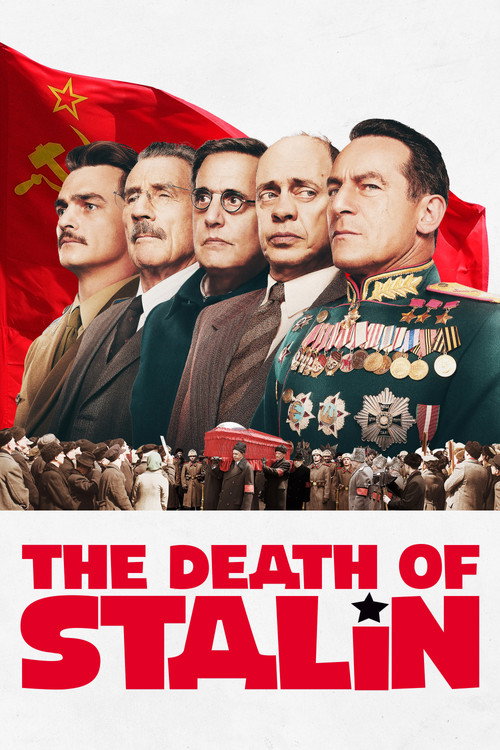
The Death of Stalin2017
Same institutional cowardice and paper-covering that runs through Morris's soldiers, except here the machine's absurdity is played for laughs instead of horror.
A pitch-black comedy about Soviet officials scrambling for power after Stalin's death, terrified of saying the wrong thing to the wrong person. Bureaucratic self-preservation as farce, where Morris plays it straight.
But If you want sober reflection on institutional cruelty, a film that plays purges for laughs may feel like the wrong tone entirely.
People
Cast
- Javal DavisSelf
- Ken DavisSelf
- Tony DiazSelf
- Tim DuganSelf
 Lynndie EnglandSelf
- Jefferey FrostSelf
 Sabrina HarmanSelf
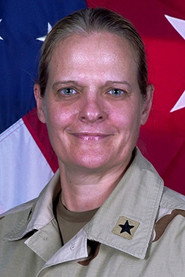 Janis KarpinskiSelf
- Roman KrolSelf
- Brent PackSelf
- Jeremy SivitsSelf
Directing
- Errol MorrisDirector
Production
- Diane WeyermannExecutive Producer
- Jeff SkollExecutive Producer
- Julia SheehanExecutive Producer
- Martin LevinExecutive Producer
- Robert FernandezExecutive Producer
- Errol MorrisProducer
- Julie AhlbergProducer
Recommended by
The Fog of War, The Unknown Known, No End in Sight, Taxi to the Dark Side, Fahrenheit 9/11