Television series
Solitary
Other titles called Solitary: the 2016 film.
- Survival adventure
- Very dark
Solitary is a Fox reality competition where nine contestants are locked in isolated pods and subjected to psychological and physical torment—sleep deprivation, temperature extremes, sensory manipulation—by a sarcastic AI overseer named Val. The last person to voluntarily quit wins $50,000. It's grimly fascinating: less about strategy than about watching humans break under duress, with no alliances to soften the blow.
Should you watch it?
Watch it if you like watching people be pushed past their limits with nobody to bounce off, and find the quiet, sealed-off stretches of a contest more gripping than any tribal politicking.
Skip it if you need conversation, rivalry or strategy to carry a show, since here the contestants barely meet and much of each hour is one person sitting still in a box.
What it asks of you: Hour after hour of the same sealed room, with long stretches where nothing seems to move, so settle in for patience rather than payoffs in a rush.
Not sure? Find tonight's pick in a minute.
If you liked this
Survivor2000
The template for modern reality competition: isolation, endurance, and the psychological pressure of elimination. Survivor has the social strategy layer Solitary strips away, showing what happens when desperation meets alliance-building.
But If you want pure isolation psychology, Survivor dilutes it with tribal council politics and editing tricks. The seasons blur together after a while.
The Apprentice2005
Another high-stakes elimination show where contestants are pushed to their limits in artificial scenarios, with a taskmaster watching their every move. The relentless pressure and manufactured cruelty have a similar appeal.
But It's about business tasks and boardroom drama, not raw psychological endurance. Much longer runtime and less focused on the breaking point itself.
Fear Factor2001
Pure endurance and disgust as entertainment. Contestants face escalating challenges designed to break their will—the same engine Solitary uses, just compressed into challenge segments rather than sustained isolation.
But Fear Factor is episodic and lighter in tone. There's no cumulative psychological breakdown, just individual gross-out moments.
Not sure tonight? Get a pick in a minute, starting from Solitary
The wildcard
Something you would not have found on your own.
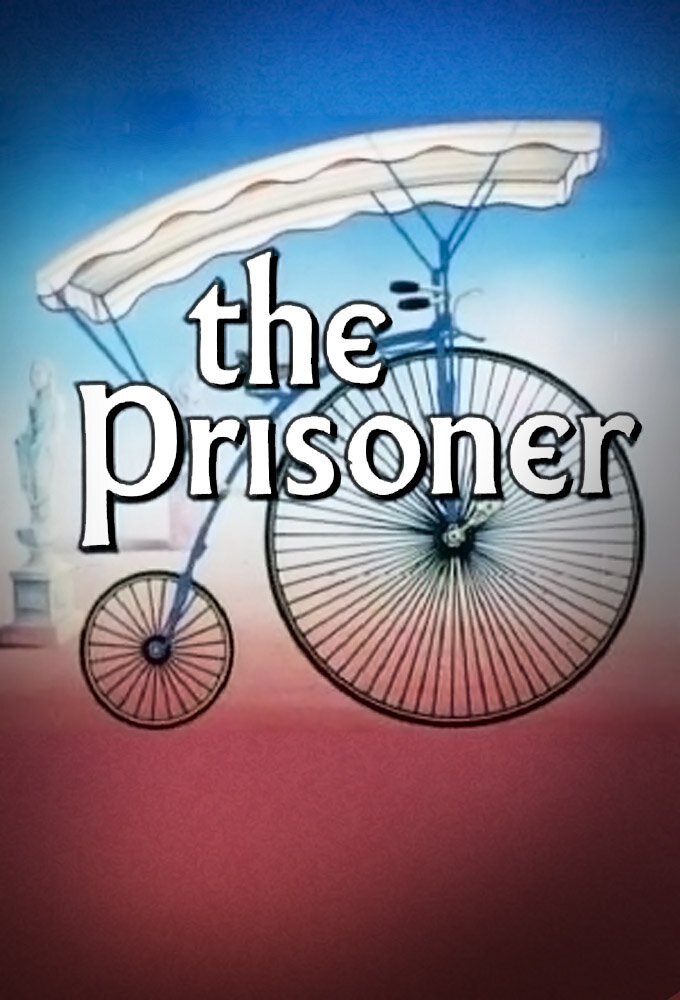
The Prisoner1967
The Prisoner invented the language Solitary speaks: the isolated subject, the omnipresent authority, the slow erosion of self. Solitary is what happens when you strip away the metaphor and make it literal.
A 1960s British series about a man held in an idyllic seaside village where he's endlessly interrogated and psychologically manipulated. It's surreal, philosophical, and utterly hypnotic—the original exploration of isolation as psychological weapon.
But It's deliberately cryptic and philosophical. No clear objectives, no quiz-show resolution. Some find it pretentious or tediously slow.
More like this (7)
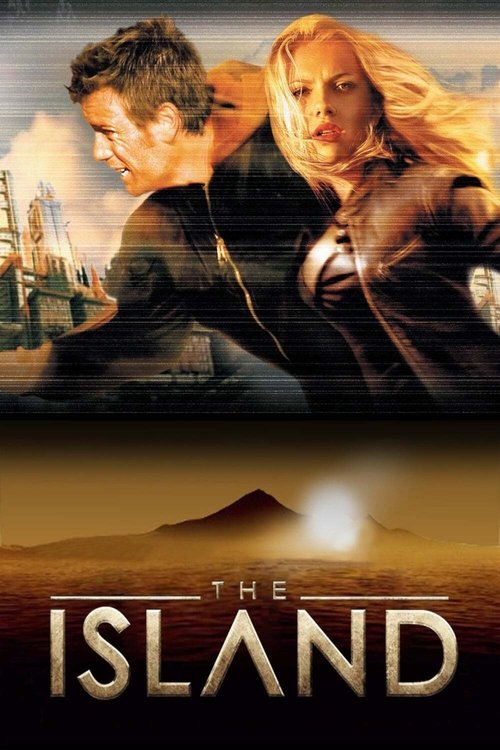
The Island2005
Survivors dropped on an island with minimal supplies, tested by environment and each other. Like Solitary, it's about watching people reach their absolute limit, but with the added layer of how groups fracture under duress.
But It's less controlled and more chaotic than Solitary's clinical isolation. Some find that freedom from structure makes it less compelling.
The Swan2004
Contestants undergo extreme physical and psychological transformation over weeks, with constant pressure and scrutiny. The relentless self-examination and vulnerability rivals Solitary's breakdown moments.
But It's about transformation, not elimination. The tone is far gentler and more aspirational than Solitary's cruel streak.

Extreme Makeover2002
Like The Swan, it's about pushing people to their limits—physically and emotionally—under expert supervision. The underlying fascination is how far someone will go when given pressure and motivation.
But It's fundamentally hopeful and feel-good. Solitary is about breaking; this is about building. Completely different emotional register.

The Real World1992
Long-form observation of strangers in confinement, with produced drama and psychological tension mounting over episodes. Less designed cruelty than Solitary, but that slow-burn interpersonal breakdown is hypnotic.
But It's social rather than solitary isolation, and MTV's editing was always about creating narrative rather than documenting genuine collapse.

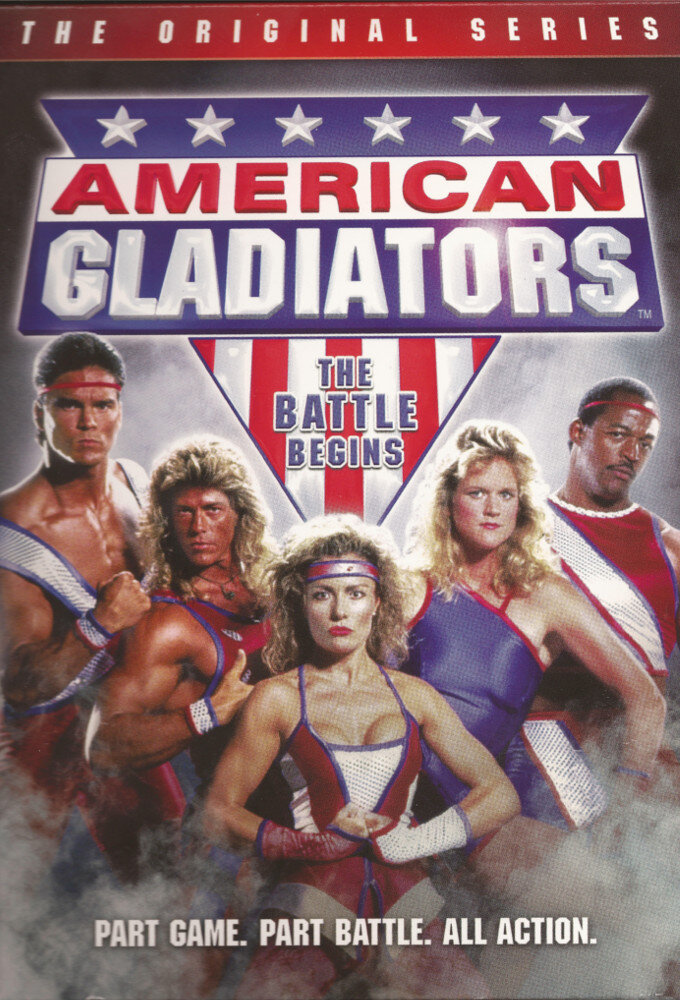
American Gladiators1988
Physical competition against overwhelming odds, with that same sense of watching ordinary people get pushed past their limits by forces they can't control or predict.
But It's episodic and optimistic in tone. There's no psychological dimension, just athletic spectacle.
The Challenge1998
A long-running series of increasingly brutal elimination competitions. Later seasons embrace psychological warfare and sleep deprivation as weapons, getting closer to Solitary's cruelty.
But You need to know the cast history for it to land emotionally. It's also less focused on individual breaking points than on alliance dynamics.

Senna2010
Both are portraits of voluntary self-destruction. Senna chooses the dangerous car; contestants choose the pod. Both documents are essentially watching someone say: I will not quit until it kills me.
A documentary about Ayrton Senna's obsessive pursuit of victory and his gradual psychological breakdown under relentless pressure. Like Solitary, it's about watching a human being push themselves past the point of sustainability, with that same sick fascination.
But It's about motorsport, and you don't need to care about Formula 1 for it to work. But if racing bores you, the psychology alone might not be enough.