
Film
Let the Fire Burn
- Crime
- Period drama
- Very dark
Jason Osder's 1985 Philadelphia firebombing documentary uses only archival footage—news clips, police records, courtroom testimony—to reconstruct the MOVE standoff without narration or contemporary interviews. It's a controlled demolition of perspective, letting the era's contradictions and moral failures speak for themselves. Gripping, disturbing, and formally audacious.
Should you watch it?
Watch it if you want a documentary built largely from archival tape, where the argument plays out through the people who were there rather than a narrator telling you what to think.
Skip it if you need a clear arc and a guiding voice, since the film is ninety-five minutes of overlapping testimony and official proceedings that can feel slow and fragmented.
What it asks of you: Ninety-five minutes of steady concentration, with no narrator to guide you through the stretches of talk and procedure; the weight builds through accumulation rather than being pointed out.
Not sure? Find tonight's pick in a minute.
If you liked this
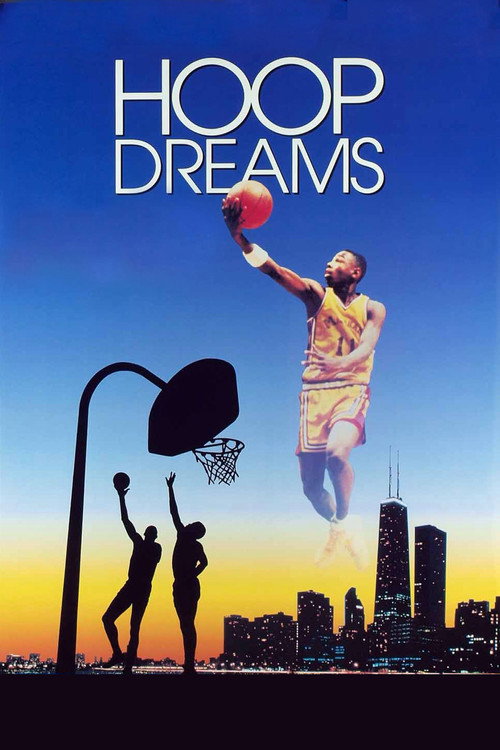
Hoop Dreams1994
A documentary that builds narrative tension across years without manipulation, revealing how institutions fail Black families through systems rather than melodrama. Parallels MOVE's interrogation of power.
But It's three hours and moves at the pace of real life, which means some stretches feel observational rather than dramatic.
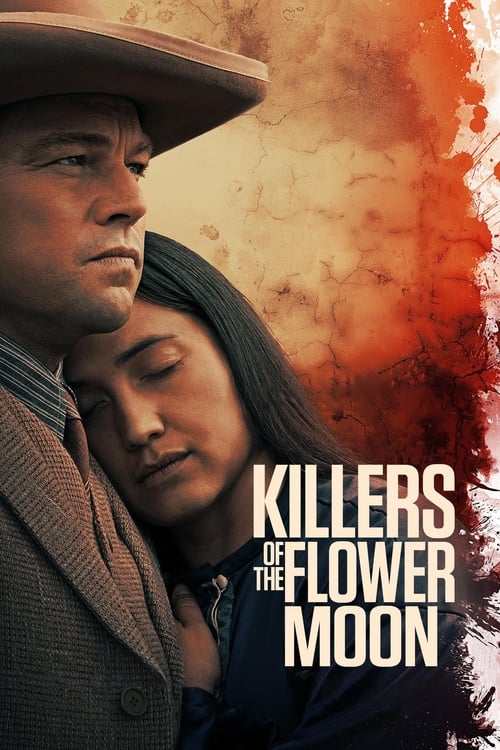
Killers of the Flower Moon2023
Scorsese examines systemic theft and state violence against Indigenous Americans with the same unflinching moral clarity Osder brings to the MOVE story. Both demand you sit with complicity.
But The runtime and Scorsese's deliberate pacing can feel heavy-handed if you're not ready for three hours of slow-building dread.
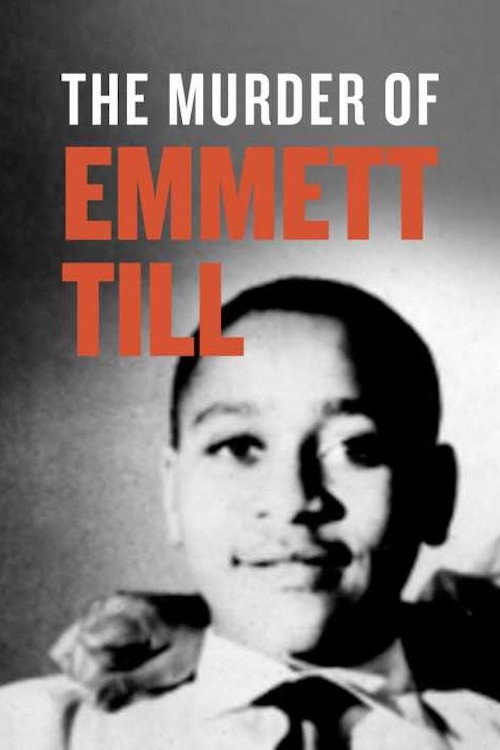
The Murder of Emmett Till2003
Stanley Nelson uses archival materials and survivor testimony to excavate a 1955 murder and its systemic roots. Same documentary approach: letting historical evidence compound rather than explain.
But The subject is devastatingly grim and there are no comfortable resolutions, only clarity about what was lost.
Not sure tonight? Get a pick in a minute, starting from Let the Fire Burn
The wildcard
Something you would not have found on your own.
The Act of Killing2012
Both documentaries refuse easy moral clarity and instead let competing versions of truth collide, forcing the viewer to hold multiple realities at once.
Joshua Oppenheimer's film about Indonesian death squad perpetrators is surreal and unbearable in ways MOVE is not: he lets the killers perform their own mythology. Both examine how societies rationalize atrocity, but through opposite lenses—survivors versus perpetrators.
But It's disorienting and morally vertiginous in a way that can feel manipulative, and watching men enjoy describing mass murder is genuinely sickening.

More like this (8)
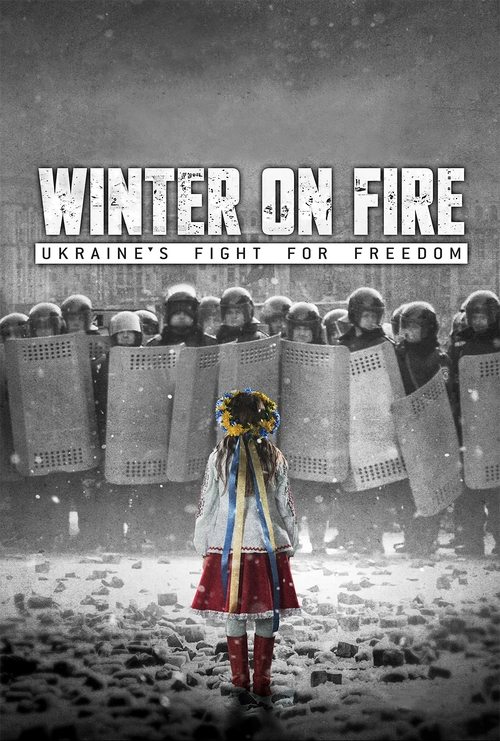
Winter on Fire: Ukraine's Fight for Freedom2015
Documentary built entirely from footage shot during the 2014 Ukrainian uprising. No talking heads, no narrator—the raw material itself becomes the argument, just as Osder achieves.
But The revolutionary fervor can feel distant if you weren't following events in real time, and some sequences are chaotic rather than illuminating.
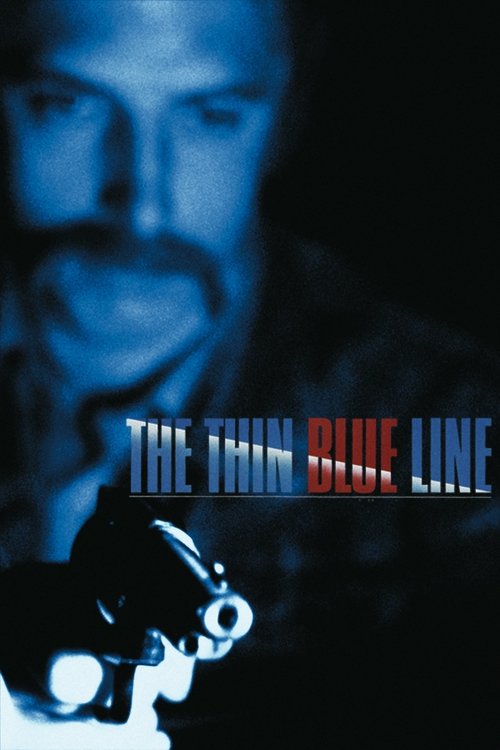
The Thin Blue Line1988
Errol Morris reconstructs a murder through interview and archival material, revealing how easily systems produce injustice. Like MOVE, it's about institutional failure and contested truth.
But The stylized recreations feel dated now, and some find Morris's aesthetic choices distracting from the grave subject matter.
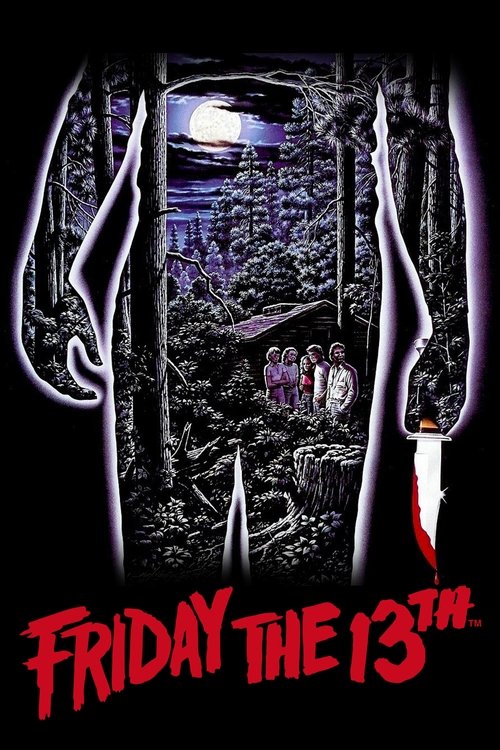
Friday the 13th1980
DuVernay traces the lineage from slavery to mass incarceration, examining how the state has always used violence to control Black Americans. Direct thematic ancestor to understanding MOVE's context.
But The argument is forceful to the point of didacticism, and if you already know this history, it won't surprise you structurally.
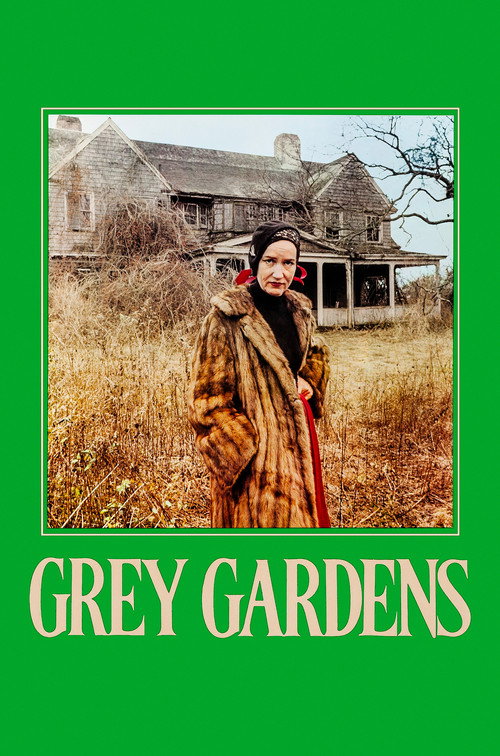
Grey Gardens1976
The Maysles' observational masterpiece captures two women in decline without judgment, trusting the viewer to feel the complexity. It's about how institutions and media shape narratives, like MOVE does.
But It's deliberately uncommented and slow, which can feel like you're watching someone else's private footage rather than engaging with a story.
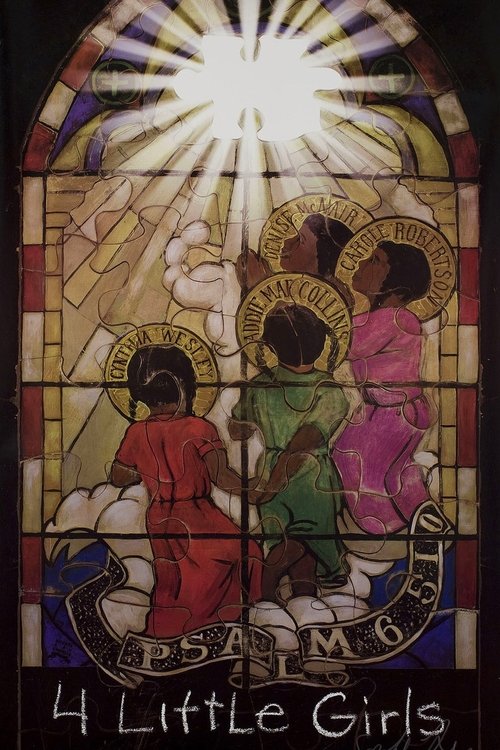
4 Little Girls1997
Spike Lee uses archival footage and interviews about the 1963 Birmingham church bombing. It shares MOVE's formal restraint and its examination of how America processes racial violence.
But At 102 minutes it feels long for its scope, and some sequences repeat points already made by the material itself.
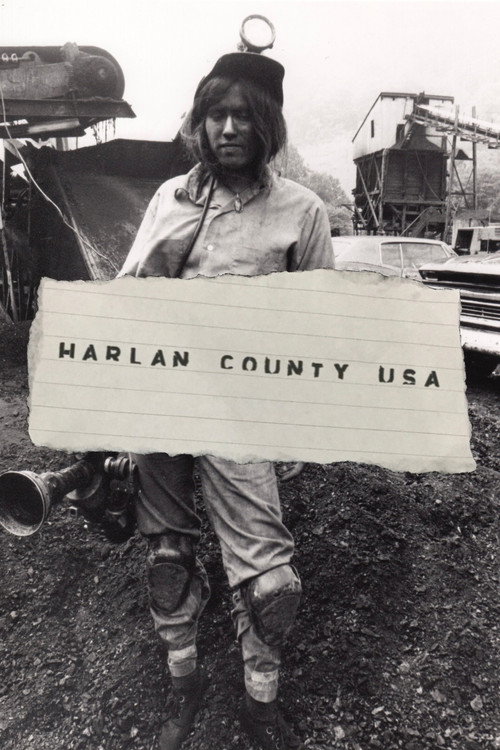
Harlan County U.S.A.1976
Barbara Kopple lived among coal miners during a strike, documenting state and corporate violence with unflinching presence. Both films show institutional power crushing ordinary people.
But The pacing is that of actual organizing, which means long stretches without conventional dramatic payoff, and some audio is hard to parse.
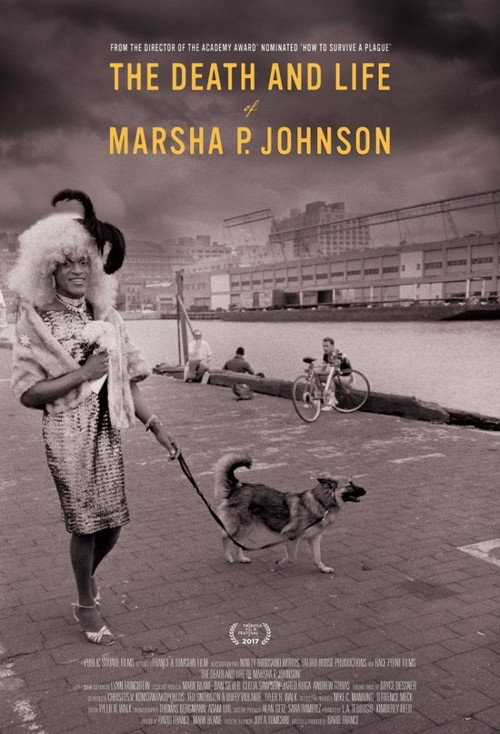
The Death and Life of Marsha P. Johnson2017
Both use formal constraint and archival material to argue that institutions have already written the story—the film's job is to recover what was erased.
A narrative feature, not a documentary, that reconstructs a trans activist's life and unsolved murder through reenactment and archival material. Like MOVE, it's about institutional erasure and how marginalized people are remembered—or forgotten.
But The reenactments are deliberately theatrical and low-budget, which can feel makeshift if you want cinematic polish rather than emotional truth.
La Haine1995
Both are about how institutions and media turn a community into an enemy, and what happens when people have nothing left to lose.
Mathieu Kassovitz's fiction film about Paris's banlieues in the aftermath of a police killing captures the same cycle of state violence, media narrative, and community rage that MOVE documents. Shot in black and white, 24 hours, unrelenting tension.
But It's stylized and formally showy in ways a documentary isn't, and if you're expecting realism rather than poetry, the style gets in the way.

People
Cast
- Birdie AfricaHimself (archive footage)
- John AfricaHimself (archive footage)
- Ramona AfricaHerself
Directing
- Jason OsderDirector
Production
- John AldrichAssociate Producer
- Andrew HerwitzExecutive Producer
- Jason OsderProducer