
Film
The Death and Life of Marsha P. Johnson
A 2017 documentary that resurrects Marsha P. Johnson, a trans pioneer and Stonewall activist whose 1992 death was ruled a suicide—but friends have never believed it. Structured as a mystery, it weaves archive footage and interviews to celebrate her fierce legacy while questioning official narratives. Essential viewing about a life cut short and a community's refusal to forget.
Should you watch it?
Watch it if you want a documentary that moves like a detective story, piecing together archive footage and street memories to honor a trans activist's legacy in New York.
Skip it if you need a crisp, tightly paced film; this one wanders, circles its questions, and leans on archive footage and interviews that can drag.
What it asks of you: Roughly an hour and three-quarters, and it moves at the unhurried pace of memory, lingering in long conversations and old footage rather than building to a single jolt.
Not sure? Find tonight's pick in a minute.
If you liked this
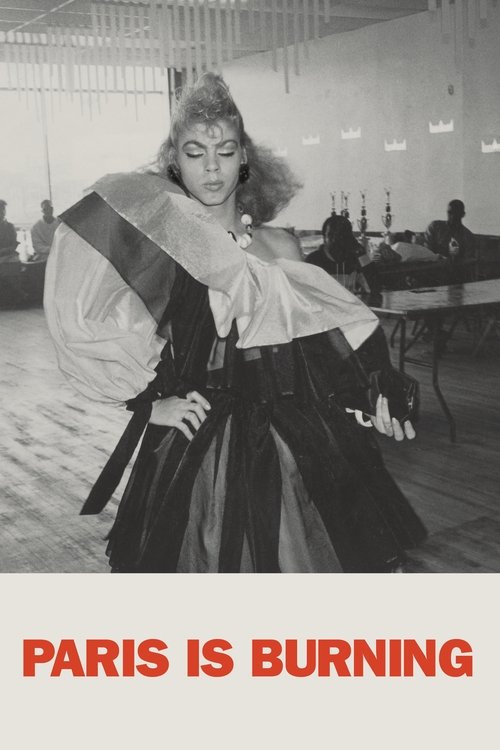
Paris Is Burning1991
A landmark documentary about New York's Black and Latino trans and queer ball culture in the 1980s. Shot with intimacy and joy, it captures the world Marsha inhabited and the community she fought for, making her activism deeply human.
But The footage can feel dated in how it's framed at points, and some of the subjects' stories end in tragedy that the film doesn't always handle with care.
Tangerine2015
Shot on iPhones in LA's trans sex work scene, it's a propulsive, funny, heartbreaking story about two trans women navigating survival. It captures the grit and humour Marsha embodied—the refusal to be pitied while living under impossible conditions.
But It's bleak, fast-paced, and uncompromising. If you want warmth or resolution, this will frustrate you.

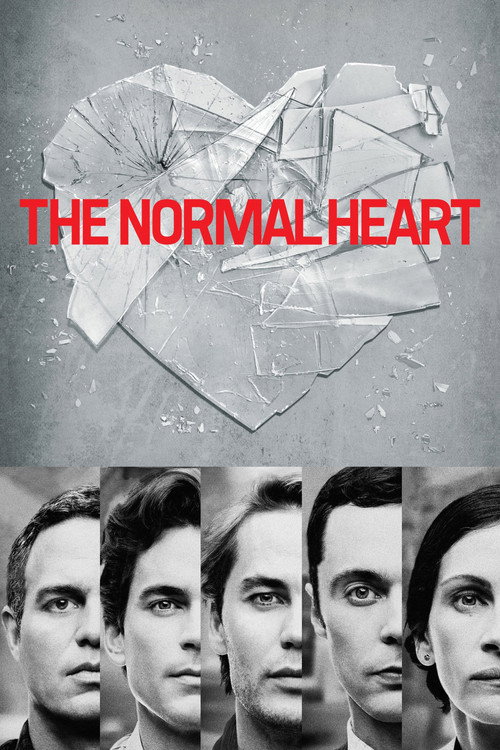
The Normal Heart2014
A raw HBO film about ACT UP's fight against AIDS in the 1980s, featuring real activists and the rage that fueled them. It captures the same generational fury and refusal to accept injustice that defined Marsha's work.
But It's dense with politics and acronyms, sometimes at the expense of the human story. Also focuses on white gay men, which can feel narrow.
Not sure tonight? Get a pick in a minute, starting from The Death and Life of Marsha P. Johnson
The wildcard
Something you would not have found on your own.
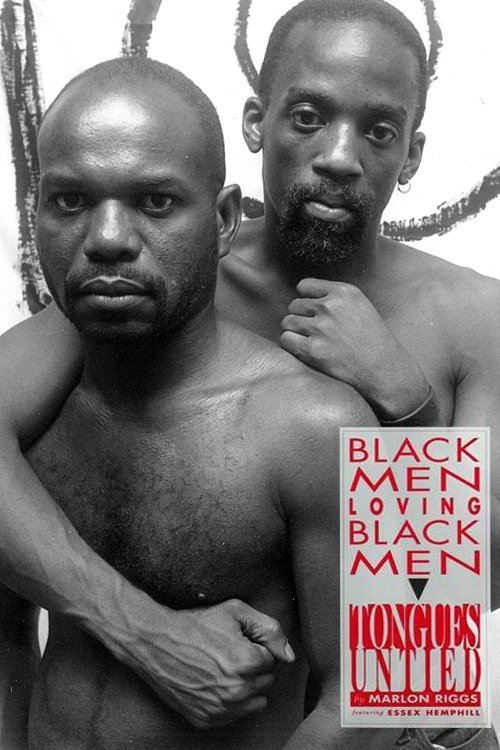
Tongues Untied1990
Both are Black queer voices refusing to be legible to institutions—Riggs' film has the same radical politics and formal innovation as Marsha's activism, creating their own narrative rather than waiting for others to tell it.
Marlon Riggs' experimental documentary-essay about Black gay identity, sexuality, and survival. Shot like poetry and fury, it's a direct peer to Marsha's own radical self-documentation. It refuses the victim narrative and insists on joy and anger at once.
But It's structurally abstract, blending performance, testimony, and archive in ways that demand active viewing. Some material is sexually explicit. It predates modern documentary accessibility.
More like this (7)
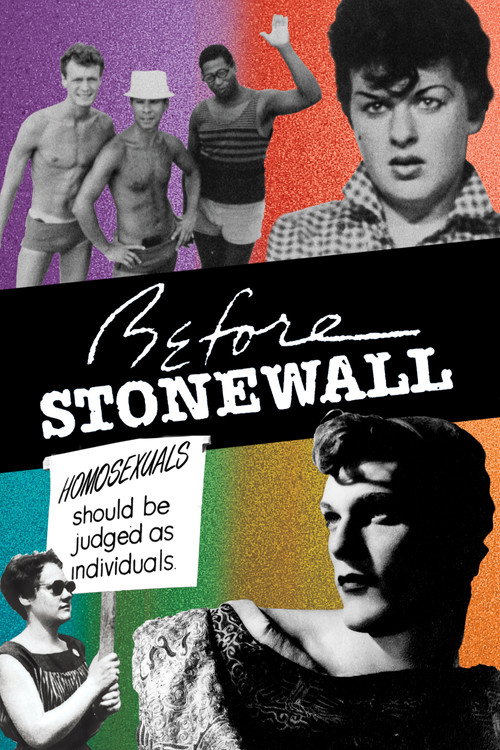
Before Stonewall1984
A documentary that traces queer and trans history leading up to the 1969 uprising, featuring some of the same voices and era. It provides essential context for understanding who Marsha was before she became a legend.
But It's visually rough and assembled from scattered archive. The pacing is slow and academic rather than cinematic.
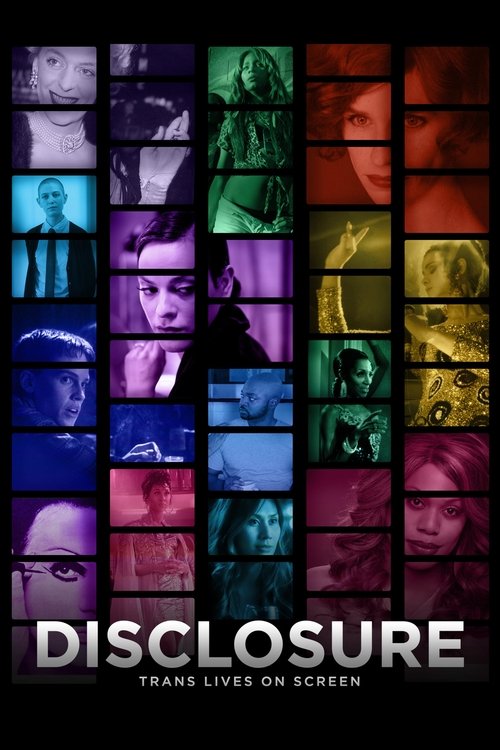
Disclosure2020
A documentary examining how trans people have been portrayed—and caricatured—in film and television. It traces a visual lineage of harm that helps explain why Marsha's story was so easily dismissed and distorted by institutions.
But It can feel repetitive, cycling through the same disappointing clip after clip. The argument is sound but the execution is blunt.
Pose2018
A serialized drama set in 1980s New York's ballroom scene, featuring the largest cast of trans actors in television history. It's a direct descendant of the world Marsha fought to create, painted with colour and specificity.
But It's a television melodrama, so it sometimes prioritizes romance over politics. The later seasons lose focus as they chase network TV expectations.

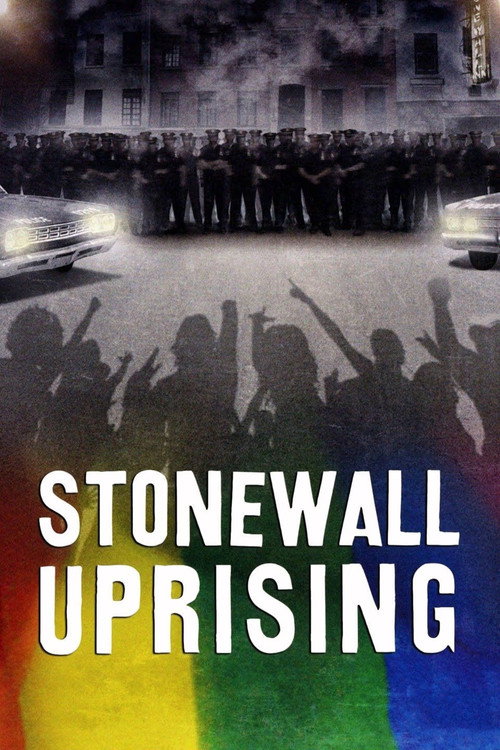
Stonewall Uprising2010
American Experience's meticulous documentary about the 1969 riots, with interviews from people who were there. It's the historical foundation for understanding Marsha's entire life and political awakening.
But PBS documentary style: competent but somewhat stiff, leaning on talking heads and archival stills rather than immersive storytelling.
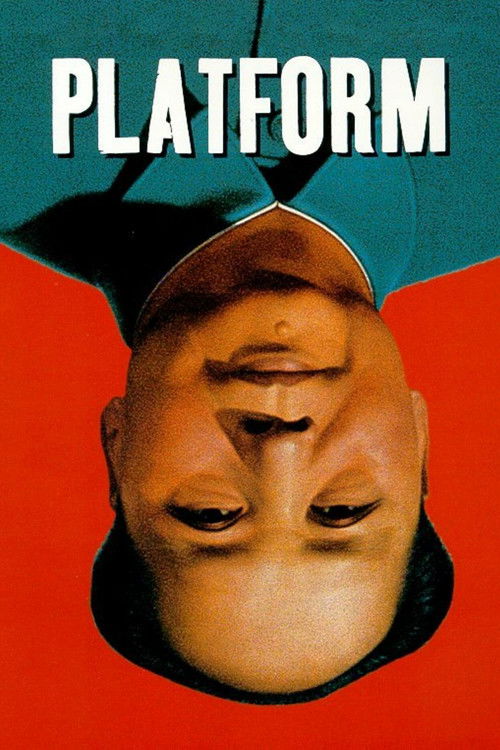
Platform2001
Jia Zhangke's film about desire and desperation in rural China uses documentary-style realism to capture people fighting systems that don't see them. A different context but the same emotional grammar as Marsha's survival and resistance.
But It's slow, opaque, and deliberately distant. If you want emotional catharsis, this Chinese film will withhold it.
The Act of Killing2012
Both films investigate institutional denial and rewrite official narratives—one of a murder the state refused to acknowledge, one of a death the NYPD dismissed. Both insist the truth exists outside official channels.
A documentary in which Indonesian death-squad perpetrators recreate their murders on film, confronting them with the reality of their victims. Morally devastating and formally daring, it asks fundamental questions about who deserves to tell stories and whose deaths matter.
But It's extremely difficult to watch, both morally and emotionally. The spectacle of violence can feel exploitative, and many viewers will find it unwatchable.

A Ghost Story2017
Both works grapple with how the dead insist on mattering, how a life refuses erasure. The film's central ghost mirrors Marsha's presence in the documentary—a figure demanding we look, remember, and refuse the lies we're told.
A strange, beautiful film about presence and absence, about the people we lose and what haunts us after. Shot in pillars and silence, it's a meditation on legacy and refusal to disappear. Like Marsha, it insists on being seen and heard even after death.
But It's deliberately enigmatic and melancholic, built on mood rather than plot. If you need narrative clarity or conventional emotion, it will frustrate you deeply.

People
Cast
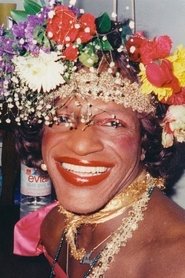 Marsha P. JohnsonSelf (archive footage)
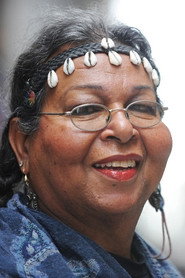 Victoria CruzSelf
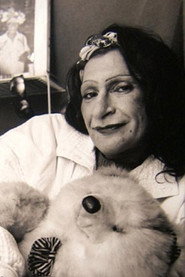 Sylvia RiveraSelf (archive footage)
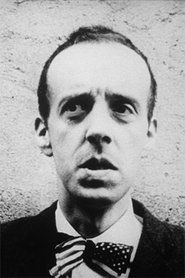 Taylor MeadSelf (archive footage)
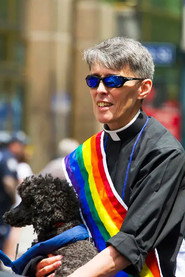 Pat BumgardnerSelf (archive footage)
 Vito RussoSelf (archive footage)
Directing
- David FranceDirector
- Mark BlaneSecond Unit Director
Writing
- David FranceWriter
- Mark BlaneWriter
Production
- Andrew TobiasAssociate Producer
- Mark BlaneAssociate Producer
Recommended by
Paris Is Burning, Disclosure, This Is What Love in Action Looks Like, For the Bible Tells Me So, Word Is Out: Stories of Some of Our Lives, Small Town Gay Bar, The Brandon Teena Story, Let the Fire Burn, We're Here, Wigstock: The Movie, Veneno, Wig, Cured