
Film
4 Little Girls
"4 Little Girls" is Spike Lee's first documentary, and it earns every minute of its two hours. It sits with the families of Addie Mae Collins, Cynthia Wesley, Carole Robertson and Denise McNair, letting grief and memory do the work archival footage can't. Lee resists sensationalism, choosing patience over outrage; the result is a devastating, humane record of a crime history too often reduces to a paragraph.
If you liked this
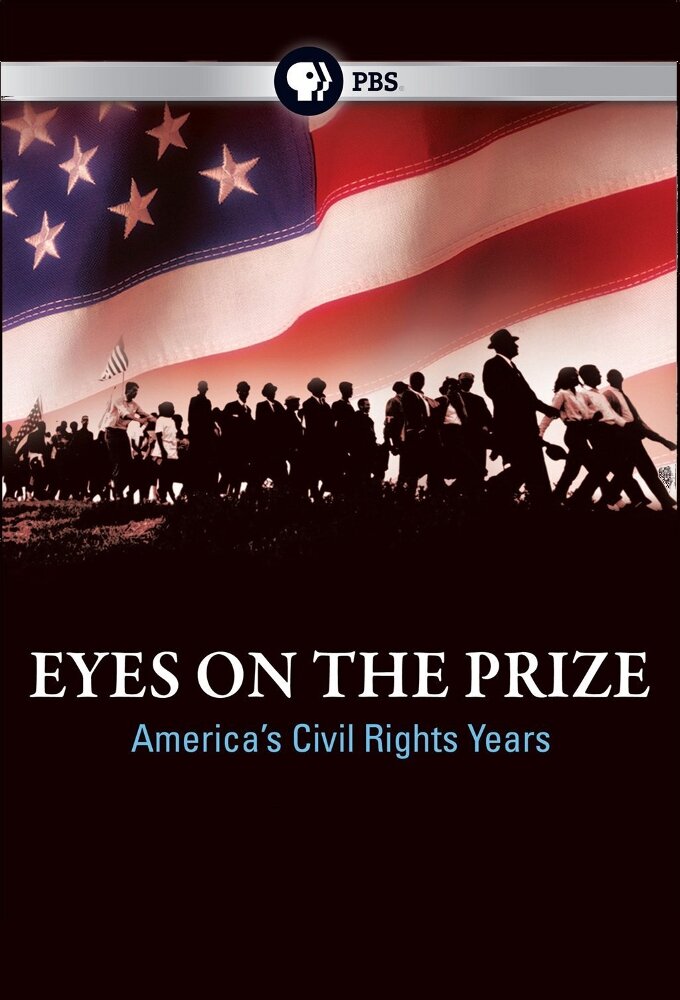
Eyes on the Prize1987
The series everything else on this list borrows from — an exhaustive, first-person account of the civil rights movement, Birmingham bombing included, told almost entirely by people who lived it.
But Fourteen hours across two seasons. It's a commitment, not an evening.
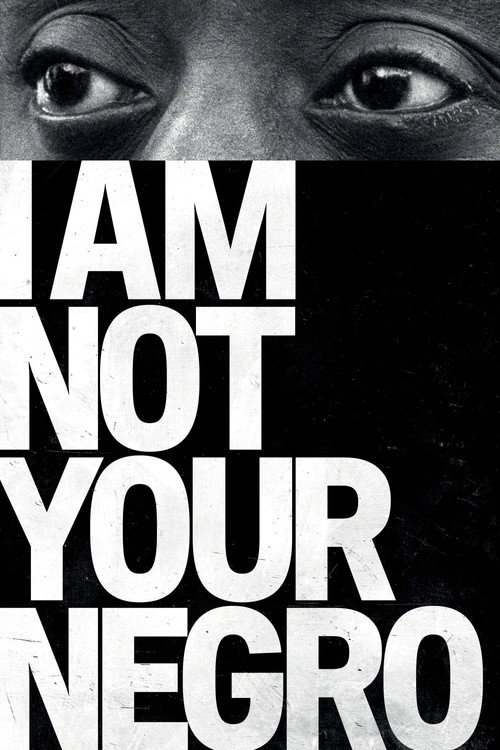
I Am Not Your Negro2017
Raoul Peck turns James Baldwin's unfinished manuscript into a furious, elegant essay film about this same era and violence, narrated by Samuel L. Jackson at his most restrained.
But It's meditation more than narrative — looser and more literary than Lee's film.
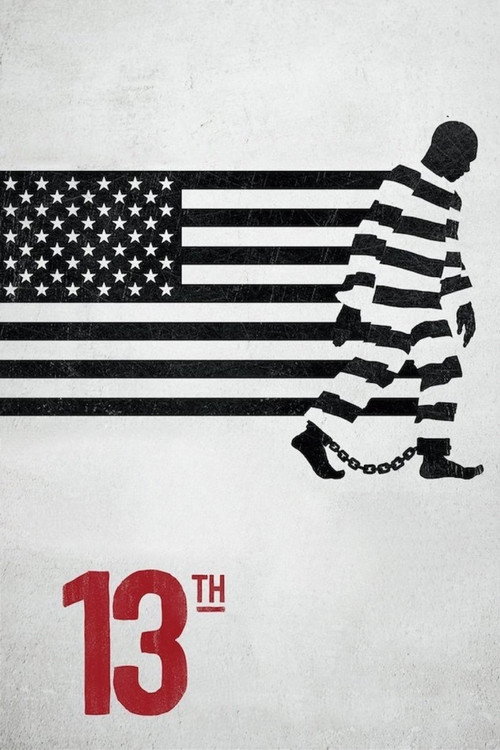
13th2016
Ava DuVernay draws a direct line from slavery to mass incarceration, arguing the machinery Lee documents in Birmingham never actually stopped running.
But It's broad and argumentative where Lee's film is intimate — more thesis, fewer faces.
The wildcard
Something you would not have found on your own.
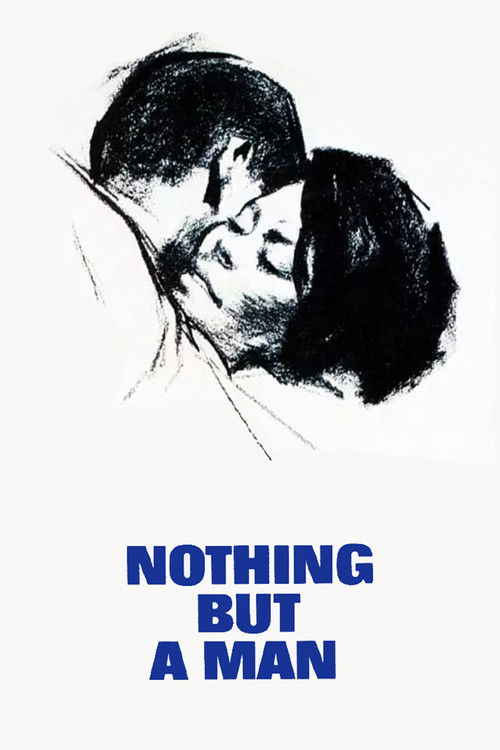
Nothing But a Man1964
Lee's documentary is memory looking back; this is fiction made in the moment, showing exactly what daily life for a Black family in the segregated South looked like the year the church was bombed.
A black-and-white independent drama shot the same year the bombing happened, about a Black man trying to build a life and marriage under Jim Crow Alabama — the ordinary world the bomb was built to terrorize, caught in real time rather than remembered.
But No violence, no trial, no historical scale — just a quiet domestic drama that some will find too small after Lee's film.
More like this (7)
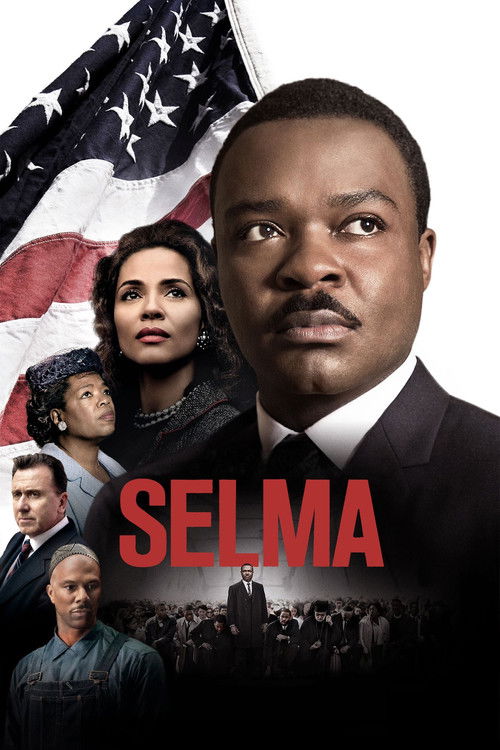
Selma2014
David Oyelowo's MLK anchors a dramatized, gorgeously shot account of the 1965 voting-rights march, close in spirit and timeline to the world Lee's film describes.
But It's feature drama with composite scenes and compressed history, not a document of exact record.
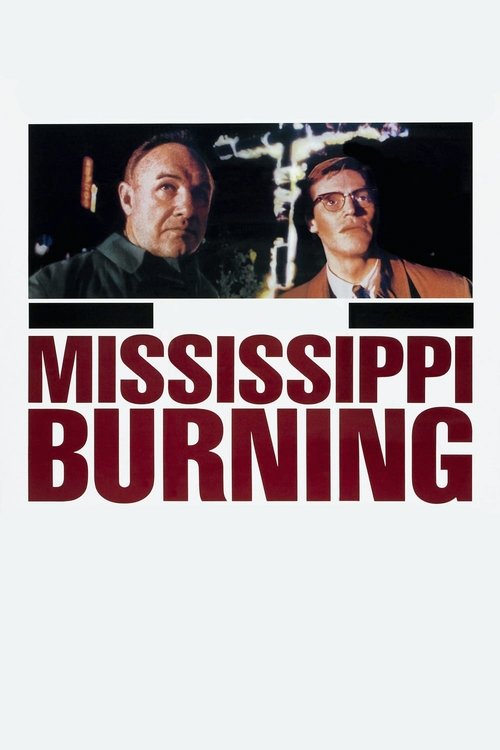
Mississippi Burning1988
A tense, Oscar-nominated thriller about FBI agents investigating the murder of civil rights workers, made when Hollywood still rarely touched this ground.
But It centers the white FBI agents rather than the Black community under attack, a choice that's aged badly.
Freedom Riders2010no page yet
A gripping, hour-by-hour account of the 1961 bus rides that tested segregation, built from first-person interviews and just as unflinching about the violence.
But PBS house style — informative and moving, but visually plainer than Lee's film.
King in the Wilderness2018no page yet
HBO's portrait of Martin Luther King's exhausted final years, full of testimony from people who were actually in the room, pushes the story past 1963 into its harder aftermath.
But It's a sadder, slower film about disillusionment rather than sudden tragedy.
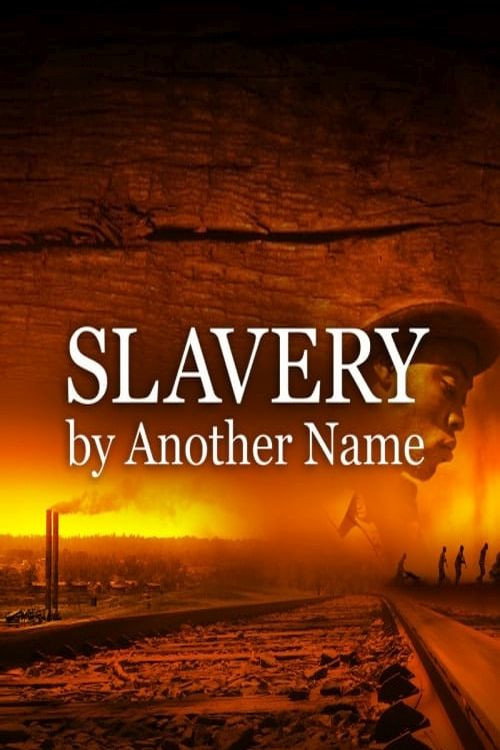
Slavery by Another Name2012
Traces the system of forced labor that replaced slavery after Emancipation, giving deep historical context Lee's film only has time to gesture at.
But Drier and more academic in tone — a history lesson rather than a character piece.
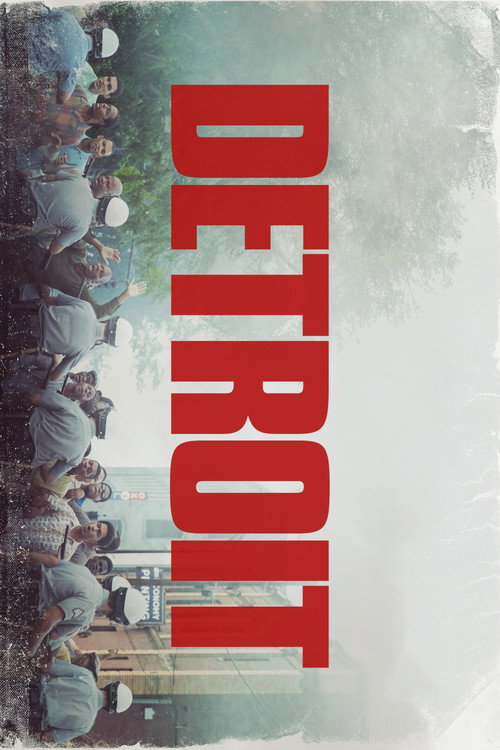
Detroit2017
Same historical engine — state and mob violence against Black Americans, memorialized through testimony — but restaged as a genre thriller so the terror is felt rather than recounted.
Kathryn Bigelow turns a real 1967 act of police violence into a nerve-shredding thriller, using the same faces-of-real-people approach to argue Birmingham was a pattern, not an isolated horror.
But Bigelow's camera gets close and stays close; it's viscerally frightening in a way documentary rarely is, and some find that exploitative.
Small Axe2020no page yet
Same insistence that ordinary lives and community memory outweigh official history, transplanted to Britain and told as anthology drama rather than documentary — proof the pattern isn't only American.
Steve McQueen's five-film anthology dramatizes Black British life and resistance from the 1960s to the '80s, proving a community targeted by the state and remembered by the people who lived it plays out well beyond America.
But It's five separate films with different tones and lengths — no single sitting the way Lee's film offers.
People
Cast
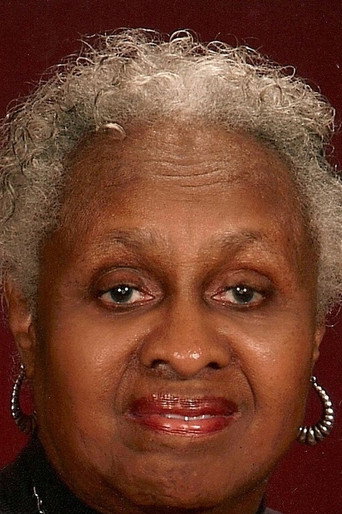 Maxine McNairSelf - Mother of Denise McNair
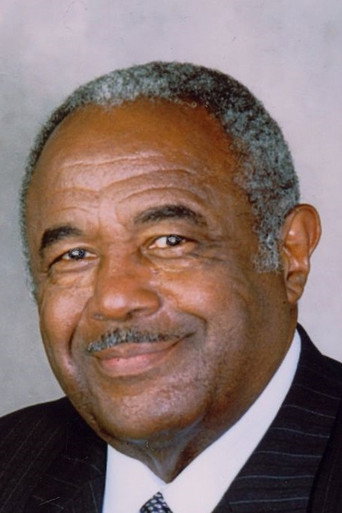 Chris McNairSelf - Father of Denise McNair
- Helen PeguesSelf - Denise's Aunt
- Queen NunnSelf - Neighbor of Denise McNair
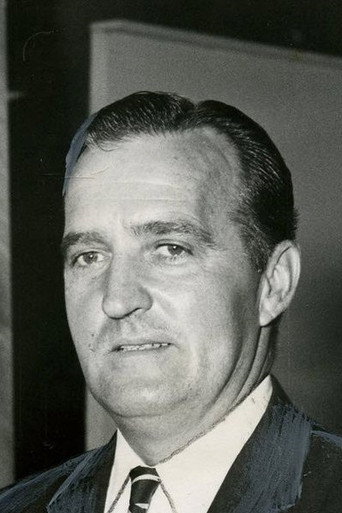 Arthur Hanes Jr.Self - Defense Attorney for Bob Chambliss
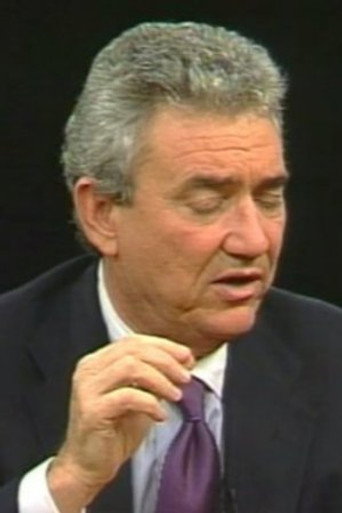 Howell RainesSelf - New York Times Editor
- Harold McNairSelf - Denise's Uncle
- Carole C. SmithermanSelf - Denise's Childhood Friend
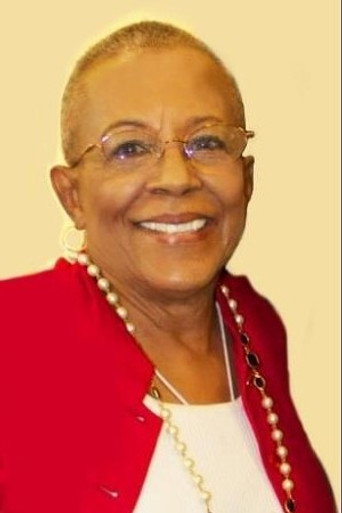 Wamo Reed RobertsonSelf - Carole's Aunt
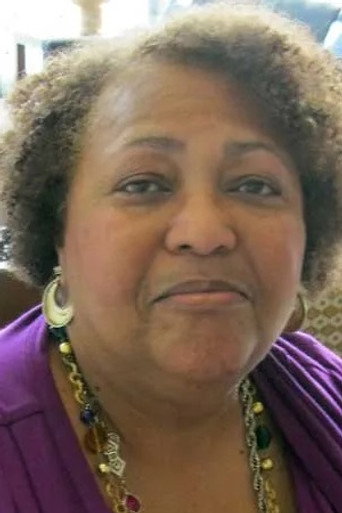 Dianne BraddockSelf - Carole's Sister
- Carolyn Lee BrownSelf - Carole's Childhood Friend
- Alpha RobertsonSelf - Mother of Carole Robertson
Directing
- Spike LeeDirector
Writing
- Spike LeeWriter
Production
- Michele FormanAssociate Producer
- Sheila NevinsExecutive Producer
- Daphne McWilliamsLine Producer
- Sam PollardProducer
- Spike LeeProducer
Recommended by
Muscle Shoals, Amazing Grace, The Help, Fried Green Tomatoes, Driving Miss Daisy, Mississippi Burning, Eyes on the Prize, A Time to Kill, Marshall, Ghosts of Mississippi, The Times of Harvey Milk