
Film
Marshall
Marshall skips the cradle-to-grave biopic playbook and drops you into one case: a young Thurgood Marshall, decades before the Supreme Court, defending a Black chauffeur accused of assaulting his white employer in 1940s Connecticut. It's brisk, funny in flashes, and built like a proper courtroom thriller, with Boseman's charisma doing most of the heavy lifting. Good for anyone who wants history with momentum, not homework.
If you liked this
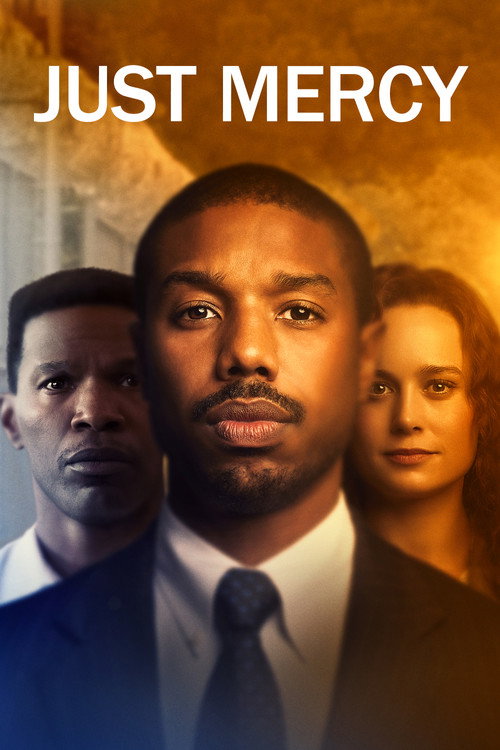
Just Mercy2019
The clearest modern echo — a young lawyer up against a Southern justice system rigged against his client, based on a true case, with Michael B. Jordan doing quiet, controlled fury instead of Boseman's charm.
But Heavier and sadder than Marshall — this one doesn't let you leave the courtroom feeling triumphant.
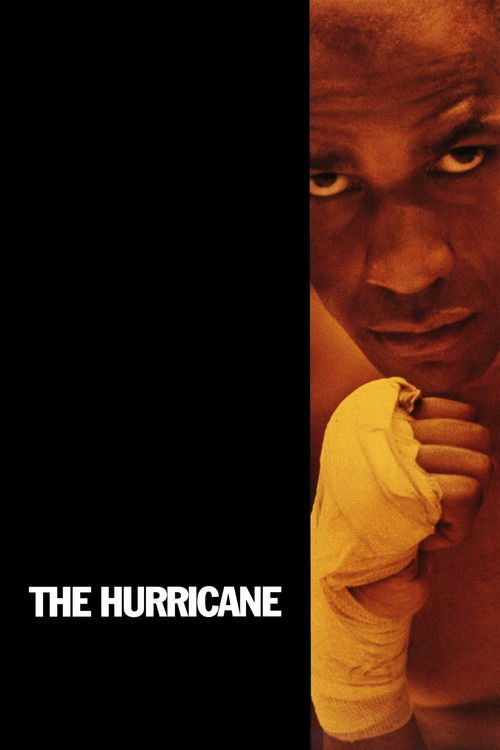
The Hurricane1999
Denzel Washington as boxer Rubin Carter, wrongly convicted and fighting decades later for exoneration — a true-crime legal drama with the same fury at a broken system, told across a much longer timescale.
But Runs nearly two and a half hours and leans hard into inspirational-movie beats some find manipulative.
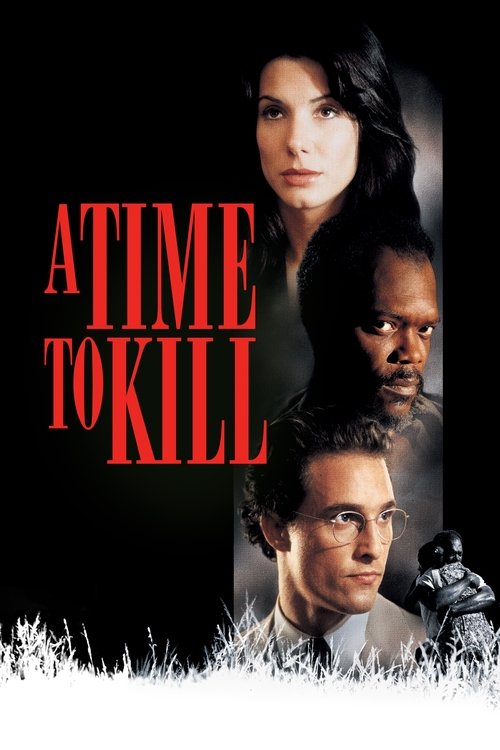
A Time to Kill1996
Same setup, turned up to eleven — a small-town Southern courtroom, an outmatched young lawyer, and a case the whole community wants to explode. Grisham pulp instead of history, but the same charge in the air.
But More melodrama than Marshall's crisp procedural rhythm, and the violence it depicts is blunt and ugly.
The wildcard
Something you would not have found on your own.
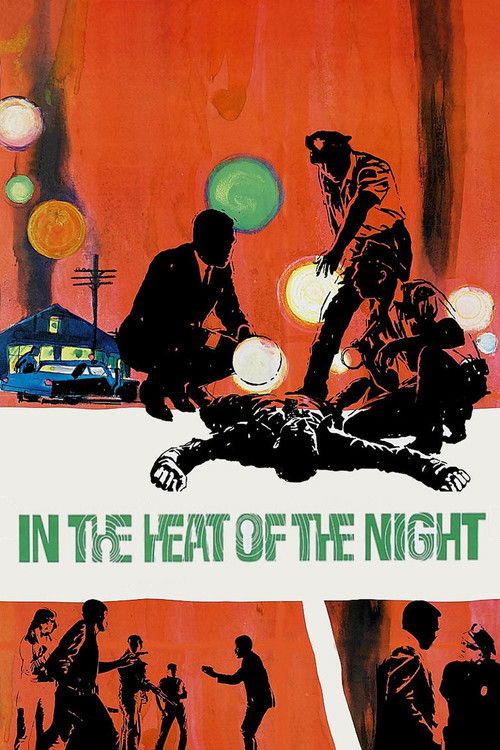
In the Heat of the Night1967
Same engine as Marshall — a sharp Black professional dropped into a hostile Southern town, forced to prove himself twice over just to do his job — but run through a murder-mystery thriller instead of a courtroom drama.
Sidney Poitier's detective Virgil Tibbs is one of cinema's great cool-headed outsiders, and the film's fury at Southern condescension still lands like a slap. It won five Oscars and it earns every one.
But Its racial politics are of their moment — groundbreaking for 1967, but blunt by current standards.
More like this (8)
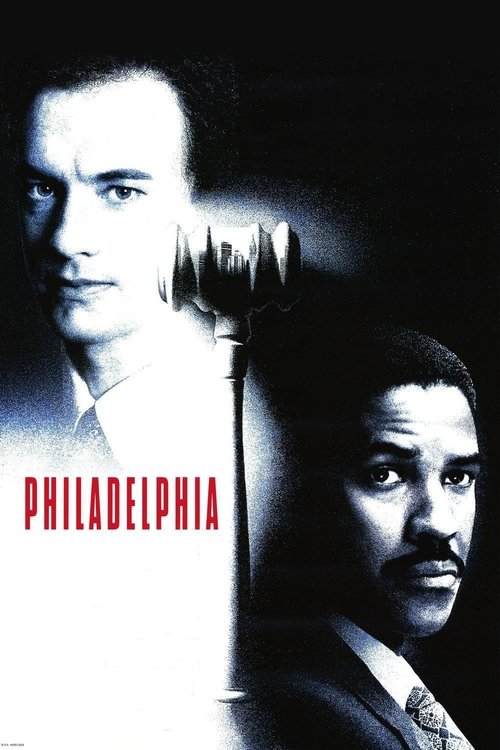
Philadelphia1993
Denzel again, this time defending a man fired for having AIDS — a courtroom drama about a different prejudice, but the same basic shape: an outsider lawyer forced to argue a case everyone else wants buried.
But Its politics were groundbreaking in 1993 but can feel cautious and careful by today's standards.
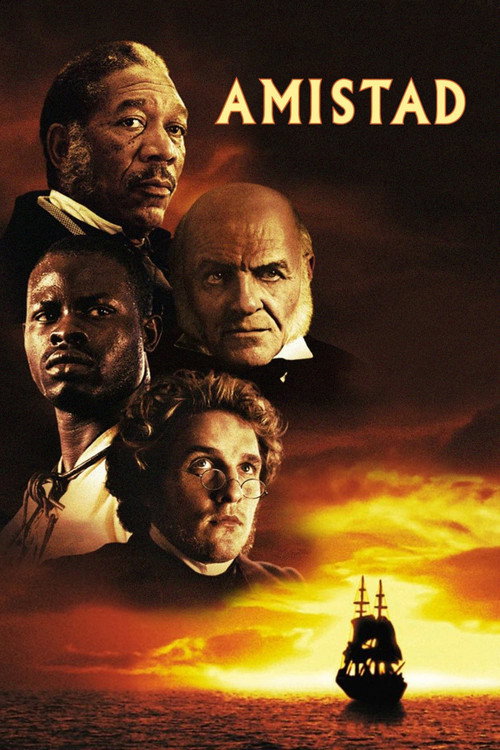
Amistad1997
Spielberg goes further back — an 1839 slave-ship mutiny trial that becomes a fight over the meaning of freedom itself. Bigger canvas, same faith that a courtroom can be where history turns.
But Stately and long, with the reverent Spielberg-history-lesson tone that not everyone will have the patience for.
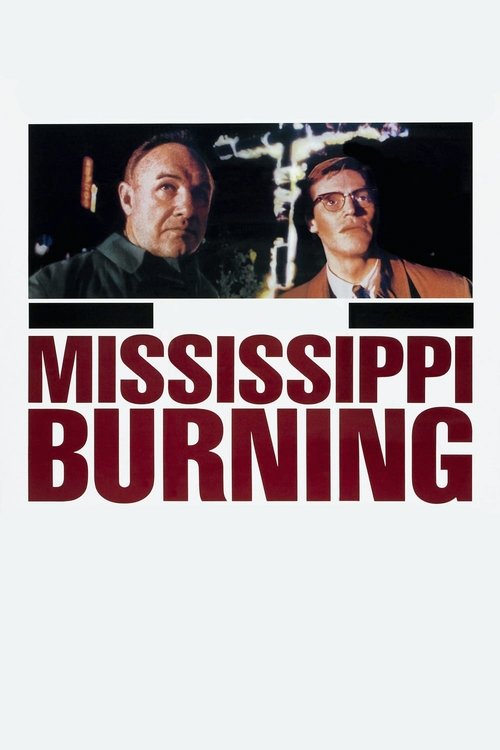
Mississippi Burning1988
Same decade, same region, turned into a thriller about FBI agents investigating the murder of civil rights workers — tense, angry, propulsive, and unflinching about the violence Marshall mostly keeps offscreen.
But Criticised at the time for centering white FBI agents rather than the Black activists they're investigating.
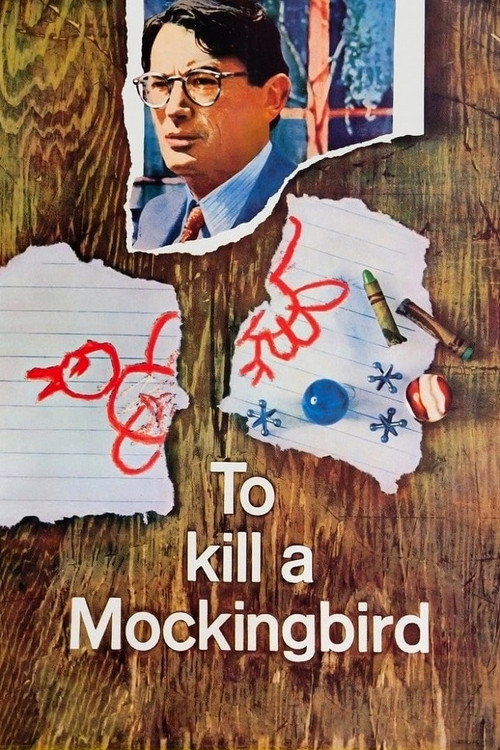
To Kill a Mockingbird1962
The granddaddy of the genre — Gregory Peck's Atticus Finch defending a Black man against a false accusation in the Depression-era South, shot in the kind of black-and-white stillness Marshall trades for pace.
But Slower and more elegiac than Marshall, and its saintly white-lawyer framing has aged into a real debate.
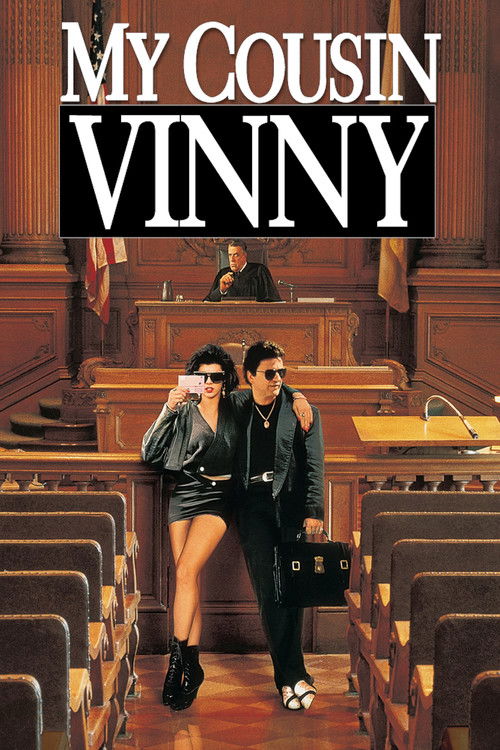
My Cousin Vinny1992
If you liked the fish-out-of-water lawyer comedy of Marshall's Josh Gad scenes, this is the whole movie built around that joke — a Brooklyn lawyer bumbling through an Alabama murder trial, and genuinely, properly funny.
But Pure comedy with none of the historical weight — a palate cleanser, not a companion piece.
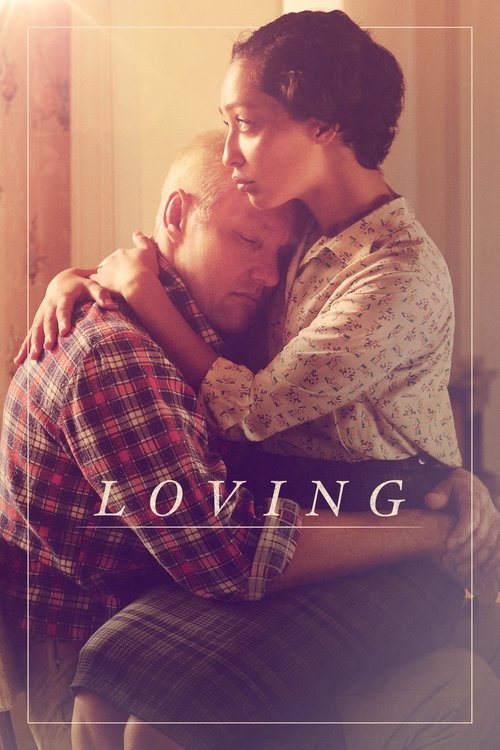
Loving2016
A quieter cousin — the true story of Richard and Mildred Loving, whose interracial marriage became a Supreme Court case, told with almost no courtroom scenes at all, just a couple trying to stay married.
But So restrained and hushed it can feel like the opposite of Marshall's energy — patience required.
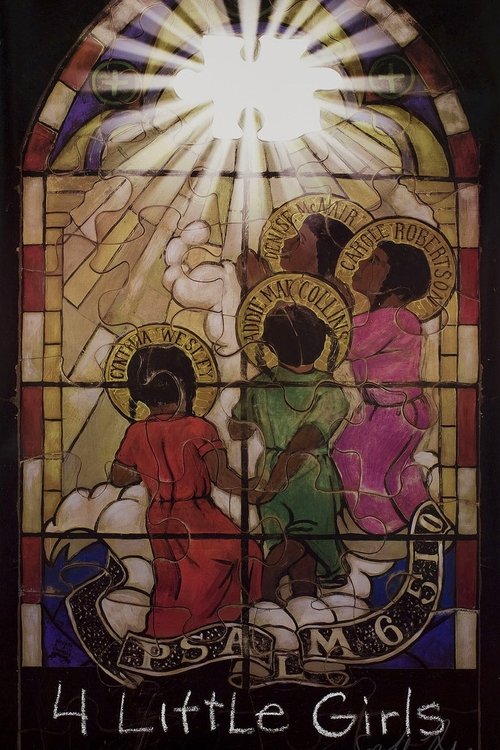
4 Little Girls1997
Marshall shows the legal system as the battleground; this documentary shows what the system was actually fighting against — the 1963 Birmingham church bombing that killed four young girls, from the same fractured Alabama that produced the era Marshall depicts.
Spike Lee lets the victims' families talk at length, unhurried, and the grief and rage they carry decades later is more devastating than any courtroom scene could manufacture.
But This is not entertainment in any sense — it is grief, sustained, with no relief offered.
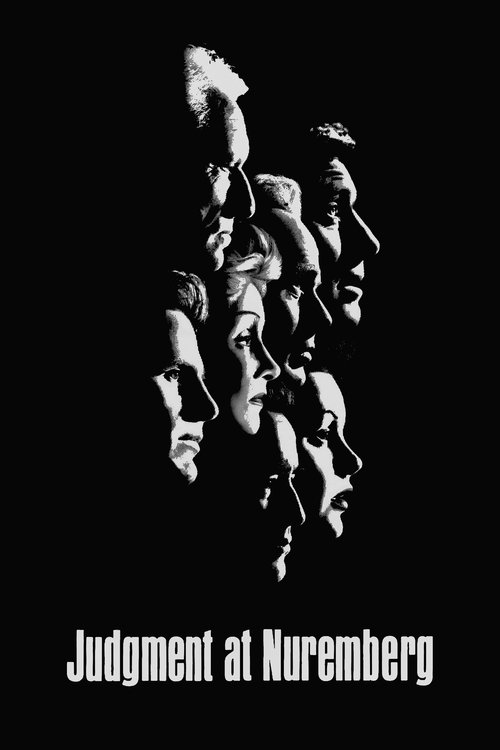
Judgment at Nuremberg1961
The same basic question Marshall keeps circling — can a courtroom actually deliver justice against a whole society's prejudice — asked on the largest possible stage, with Nazi judges instead of a Connecticut chauffeur.
Spencer Tracy presides over judges who enforced Nazi law, in a three-hour moral reckoning that treats legal argument as genuinely thrilling, and asks what complicity really means.
But Three hours long, deliberately talky, and it asks you to sit with despair rather than any tidy resolution.
People
Cast
 Chadwick BosemanThurgood Marshall
 Josh GadSam Friedman
 Kate HudsonEleanor Strubing
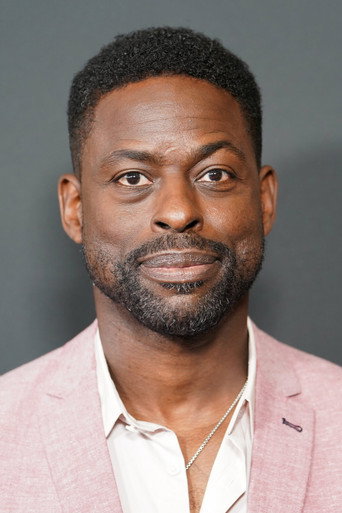 Sterling K. BrownJoseph Spell
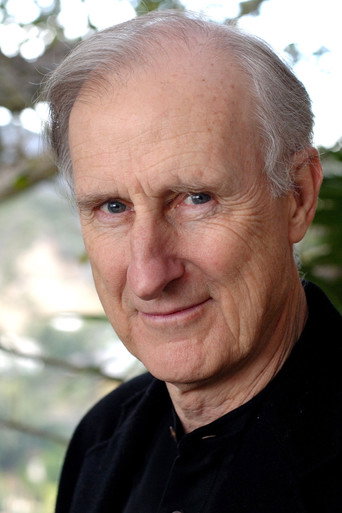 James CromwellThe Judge
 Dan StevensLorin Willis
 Sophia BushJennifer
 Jussie SmollettLangston Hughes
 Marina SquerciatiStella Friedman
 Keesha SharpBuster Marshall
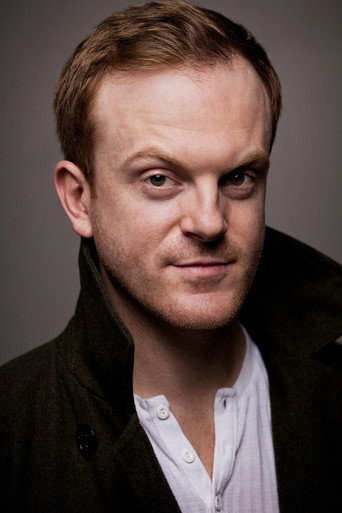 Jeremy BobbJohn Strubing
 Barrett DossBertha Lancaster
Directing
- Reginald HudlinDirector
Writing
- CommonLyricist
- Jacob KoskoffWriter
- Michael KoskoffWriter
Production
- Kathleen ChopinCasting Director
- Victoria ThomasCasting Director
- Chadwick BosemanCo-Producer
- Chris BongirneExecutive Producer
- David RyanExecutive Producer
- Hunter RyanExecutive Producer
- John CappettaExecutive Producer
- Kevin LambExecutive Producer
- Lei LuoExecutive Producer
- Lili SunExecutive Producer
- Peter LuoExecutive Producer
- Shandy Lui Fung-ShanExecutive Producer
- Tom OrtenbergExecutive Producer
- Yan XuExecutive Producer
- Jonathan SangerProducer
- Paula WagnerProducer
- Reginald HudlinProducer
Recommended by
RBG, Just Mercy, To Kill a Mockingbird, Loving, Ghosts of Mississippi, Harriet, On the Basis of Sex