
Film
Loving
Loving is Jeff Nichols' hushed, unhurried account of Richard and Mildred Loving's decade-long fight against a law that criminalised their marriage. There's no courtroom fireworks, no speeches — just two people trying to stay together and build an ordinary life while history slowly bends around them. Patient, tender, and quietly devastating, it rewards viewers who want intimacy over spectacle.
If you liked this
A United Kingdom2016
Made the same year, telling almost the same story from the other side of the world — a Botswana prince and an English woman fighting their own government for the right to marry. David Oyelowo and Rosamund Pike carry it with the same dignified restraint.
But It leans more into political intrigue and royal pageantry than Loving's domestic hush, so the tone shifts more than you'd expect.

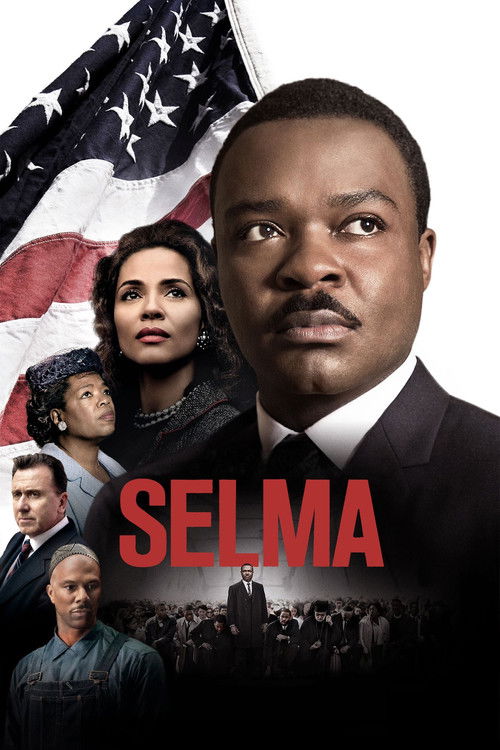
Selma2014
The civil rights movement's other landmark year, told with the same insistence that history is made by ordinary people under enormous pressure. David Oyelowo's Martin Luther King Jr. is towering without ever tipping into hagiography.
But It's a bigger, more overtly political film — marches and speeches rather than a marriage — so the intimacy of Loving is traded for scale.
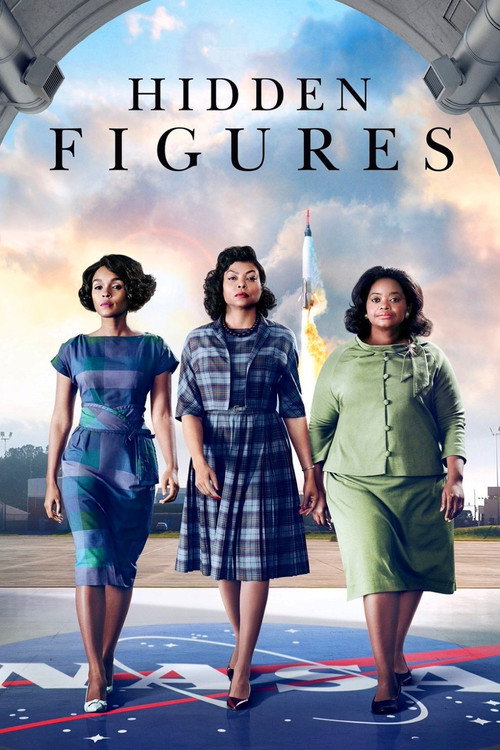
Hidden Figures2016
Same era, same quiet insistence that dignity is worth fighting for through institutions rather than around them. It's warmer and more crowd-pleasing, with three brilliant performances carrying real historical weight.
But Considerably more upbeat and Hollywood-polished — if you want Loving's restraint, this will feel comparatively broad.
The wildcard
Something you would not have found on your own.
The Loving Story2011no page yet
This is the actual 1965 documentary footage — much of it shot by Life photographer Grey Villet, the man Michael Shannon plays in Loving — that Jeff Nichols drew on to build his film's visual language and even specific shots.
You get the real Richard and Mildred, their real voices and real silences, plus the era's grainy TV-news texture. It's the raw material the drama was quietly translating into fiction.
But No score, no shaping hand — it's plainer and more archival, without the emotional architecture a dramatized film provides.
More like this (8)
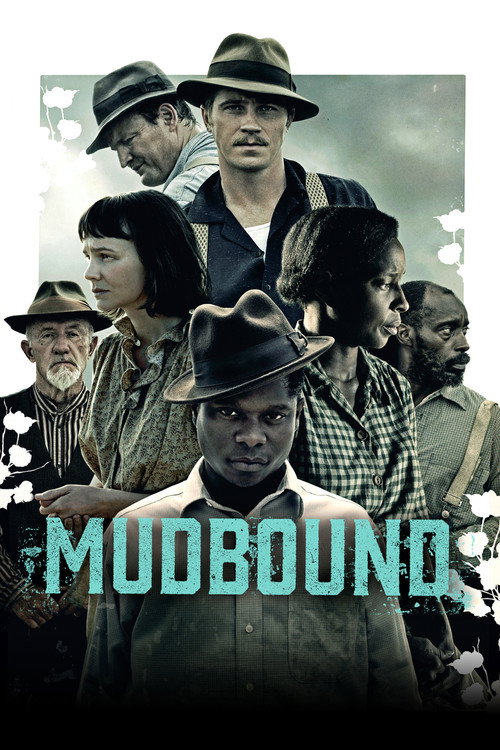
Mudbound2017
Same rural Southern soil, same slow-burn attention to how racism curdles ordinary life, told across two families over a longer, harder stretch of years. Gorgeous, aching, unflinching.
But Darker and more violent by the end — this doesn't offer the hard-won hope that carries Loving through.
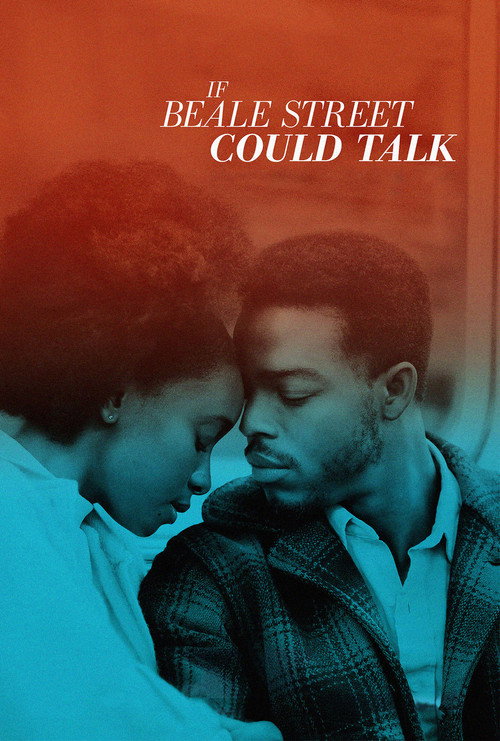
If Beale Street Could Talk2018
Barry Jenkins turns a young couple's love into something visually and emotionally overwhelming, set against a justice system that refuses to see them as people. Similar tenderness, dialed up into something lush and aching.
But Its heightened, painterly style is the opposite of Loving's plainness — go in expecting poetry, not observation.
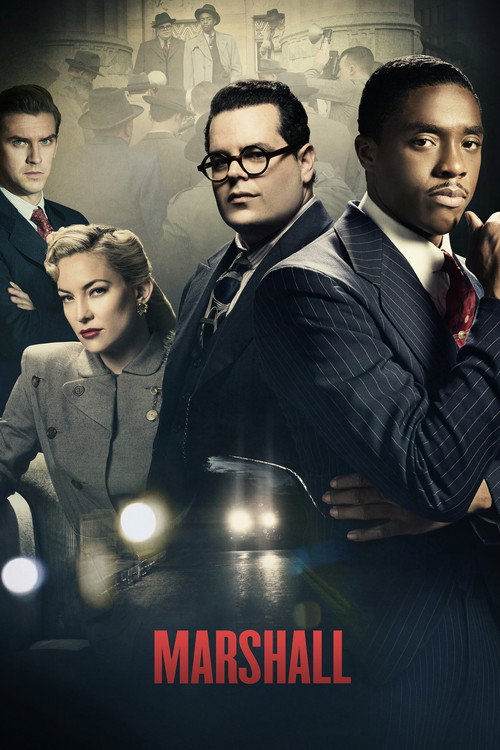
Marshall2017
A younger, sharper-tongued Thurgood Marshall years before he'd argue the Loving case, fighting a rigged system with wit and nerve instead of quiet endurance. Fun, propulsive, and based on another real trial.
But It's a much brisker, more crowd-pleasing courtroom picture — little of Loving's stillness survives the transition.
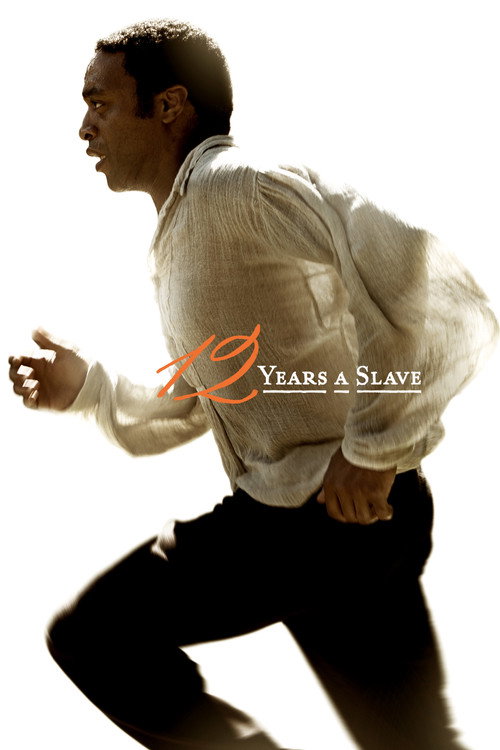
12 Years a Slave2013
Steve McQueen's unflinching account of the machinery of American racism a century earlier, told with the same refusal to look away from what quiet cruelty does to people. Essential, if brutal, viewing.
But Far more harrowing and violent — this is a much heavier watch with none of Loving's tenderness to lean on.
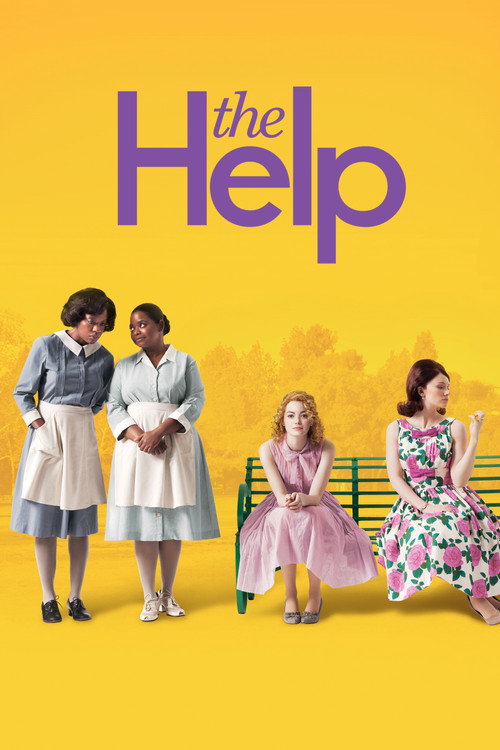
The Help2011
Sets its story in the same Jim Crow-adjacent South, watching how small, deniable cruelties add up over time. Warmer and more conventionally comforting than Loving, with a strong ensemble cast.
But Criticised for centering white perspective on Black suffering — its comfort-food instincts sit oddly next to the seriousness of its subject.
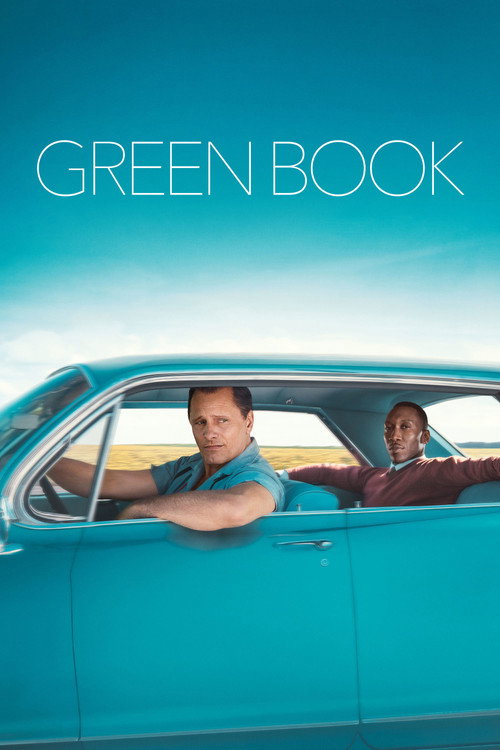
Green Book2018
A gentler, more crowd-pleasing road movie about race and friendship in the same broad era, built on real chemistry between its two leads. Easy company after Loving's stillness.
But Its feel-good polish and Oscar-bait smoothness have drawn real criticism for softening harder truths Loving takes seriously.
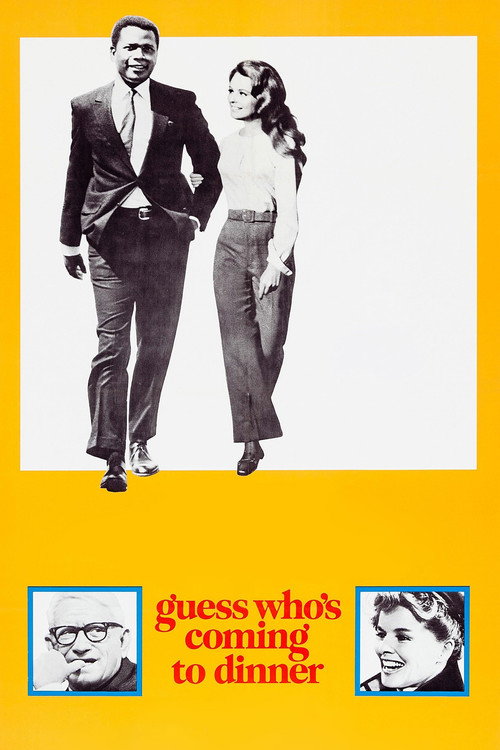
Guess Who's Coming to Dinner1967
Made the same year the Supreme Court struck down Virginia's law, this is Old Hollywood tackling the identical taboo — interracial marriage — but as a talky, starry drawing-room drama instead of Nichols' hushed realism.
Spencer Tracy and Katharine Hepburn wrestling with their own liberal principles is a fascinating time capsule of how mainstream America argued about exactly what the Lovings were living through in real life.
But Its speechy, stagebound style and dated framing — the burden falls on the white parents' feelings — will feel creaky next to Loving's naturalism.
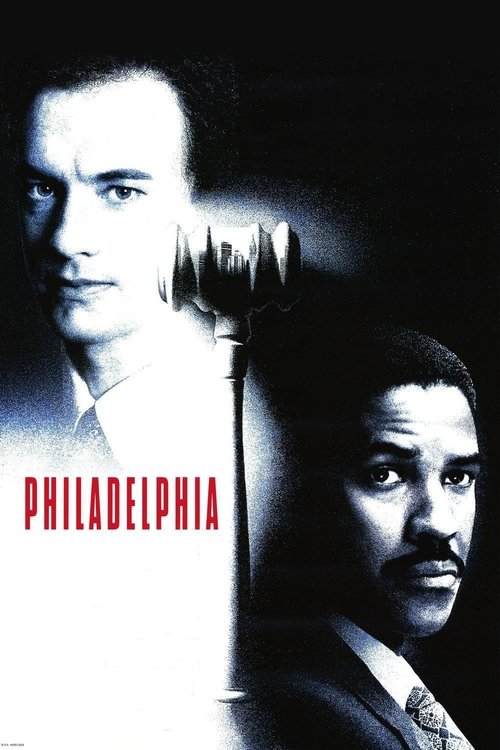
Philadelphia1993
Different injustice, same engine: the law refusing to recognize someone's right to love and be loved, fought out in open court instead of behind closed doors — the courtroom drama Loving pointedly refuses to be.
Tom Hanks and Denzel Washington anchor a big, unashamedly emotional Hollywood message movie about AIDS discrimination that still lands hard, three decades on, built entirely around a courtroom fight for recognition.
But It's mainstream and manipulative in ways Loving never is — full of speeches, swelling music, and moments built to make you cry.
People
Cast
 Joel EdgertonRichard Loving
 Ruth NeggaMildred Loving
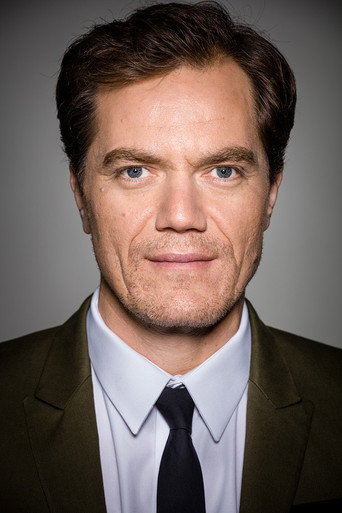 Michael ShannonGrey Villet
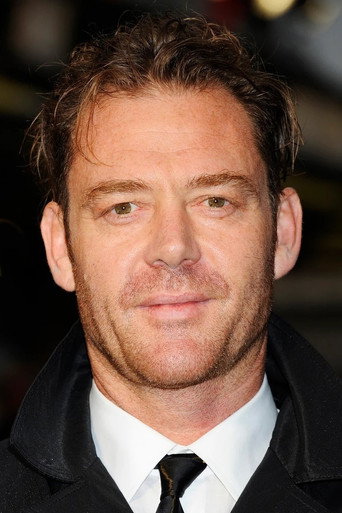 Marton CsokasSheriff Brooks
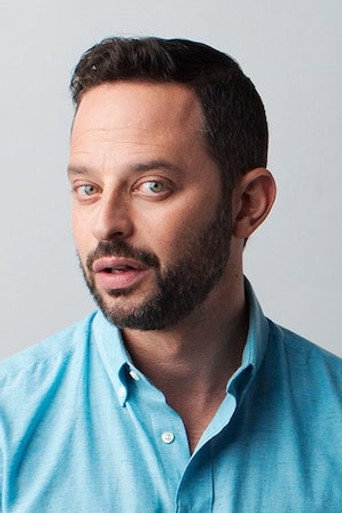 Nick KrollBernie Cohen
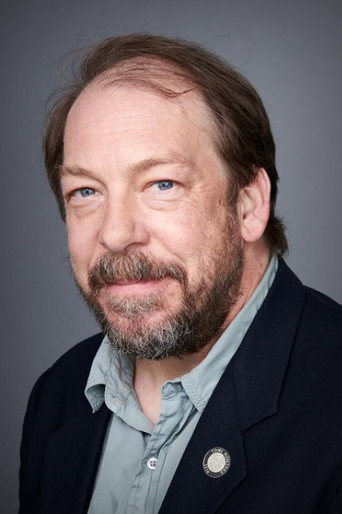 Bill CampFrank Beazley
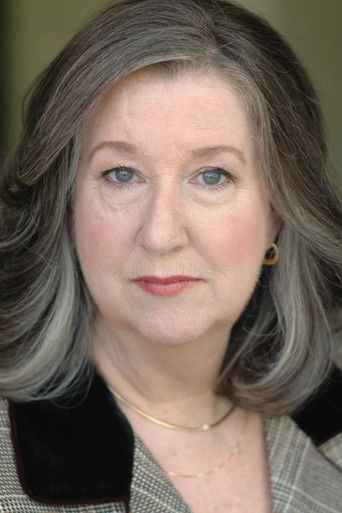 Sharon BlackwoodLola Loving
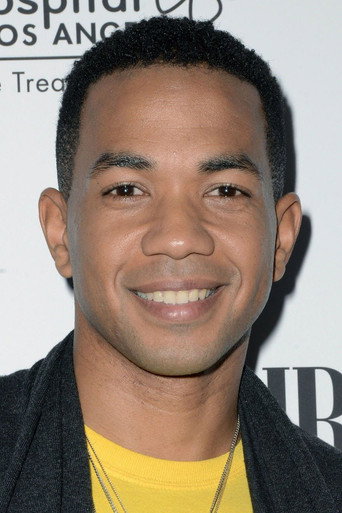 Alano MillerRaymond Green
 Terri AbneyGarnet Jetter
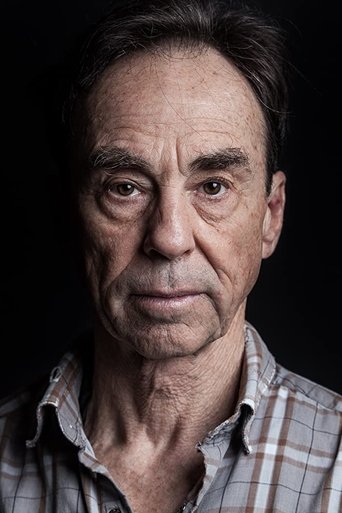 David JensenJudge Bazile
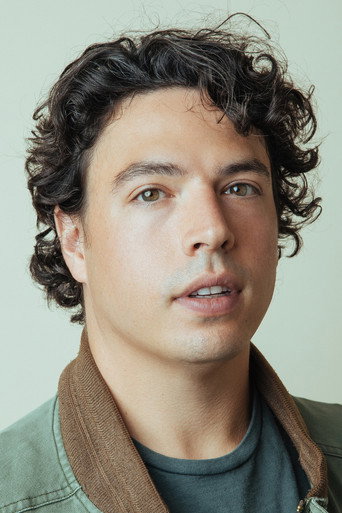 Jon BassPhil Hirschkop
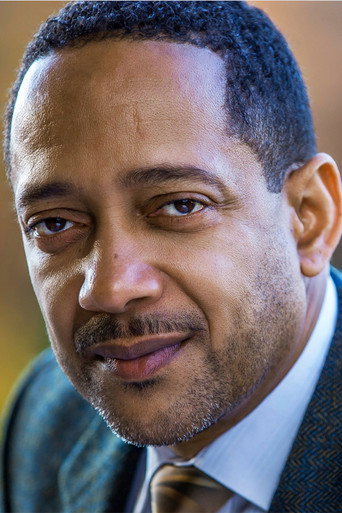 Christopher MannTheoliver Jeter
Directing
- Jeff NicholsDirector
- Cas DonovanFirst Assistant Director
- Jean-Paul ChrekyScript Supervisor
- Tommy MartinSecond Assistant Director
- Ben LeDouxSecond Second Assistant Director
Writing
- Jeff NicholsWriter
Production
- Taylor MorganAssistant Production Coordinator
- Oge EgbuonoAssociate Producer
- Francine MaislerCasting
- Will GreenfieldCo-Producer
- Brian Kavanaugh-JonesExecutive Producer
- Jack TurnerExecutive Producer
- Jared Ian GoldmanExecutive Producer
- Kendall CooperExtras Casting
- Colleen GibbonsLocation Manager
- Colin FirthProducer
- Ged DohertyProducer
- Marc TurtletaubProducer
- Nancy BuirskiProducer
- Peter SarafProducer
- Sarah GreenProducer
- Theresa MarshProduction Accountant
- Emily KacereProduction Coordinator
- Jonathan D. OrtizProduction Secretary
- Sarah GreenUnit Production Manager
- Will GreenfieldUnit Production Manager
Recommended by
Monster's Ball, Just Mercy, If Beale Street Could Talk, Selma, Mudbound, Green Book, Guess Who's Coming to Dinner, Disobedience, The Butler, Marshall, Ghosts of Mississippi, A United Kingdom, On the Basis of Sex