
Film
A Time for Burning
A 1967 documentary following a Lutheran minister in Omaha attempting to bridge a racial divide within his congregation. It captures the raw, unguarded conversations of ordinary people confronting integration, revealing the gap between stated values and lived reluctance. Essential viewing for anyone interested in how change actually happens—or doesn't—in institutions.
Should you watch it?
Watch it if you are drawn to documentaries that follow one stubborn argument through ordinary meetings and conversations, where the ideas are argued out in the open.
Skip it if you need polished craft or a story with clear momentum; since its shape is slow discussion rather than dramatic build, it may feel static.
What it asks of you: Its runtime is short, under an hour, and it moves at the pace of conversation, so it asks patience with long stretches of people arguing and listening closely.
Not sure? Find tonight's pick in a minute.
If you liked this
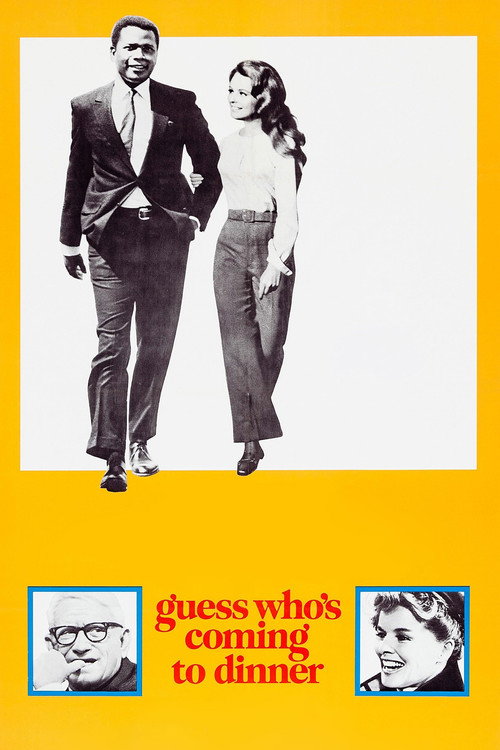
Guess Who's Coming to Dinner1967
Released the same year, it dramatizes racial integration with urgency and moral clarity. Sidney Poitier and Katharine Hepburn carry a screenplay that treats the conflict as both intimate and political, making the abstract concrete.
But It's a message film dressed in Hollywood polish. The neat resolution and star power can feel like it's wrapping up complexity that real life leaves messy.
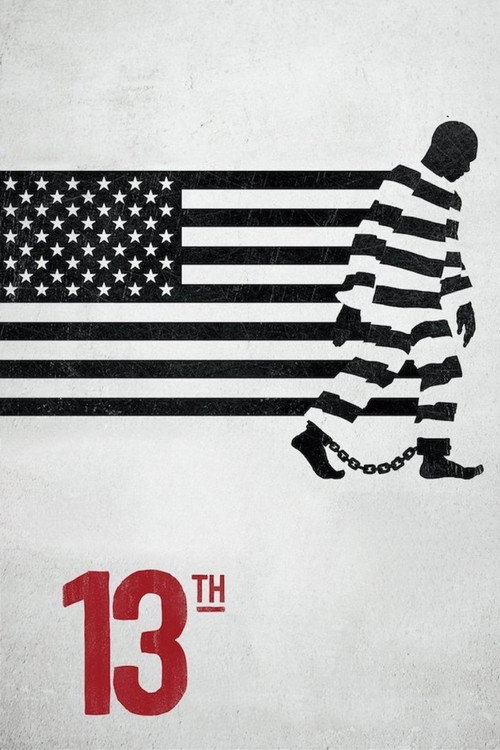
13th2016
Ava DuVernay traces how American institutions—from churches to prisons—have perpetuated racial hierarchy through law and policy. If you want to understand the structural forces A Time for Burning captures at ground level, this is the map.
But It's an argument, and a heavy one. There's little to no ambiguity, and the accumulation of injustice can feel relentless and exhausting.
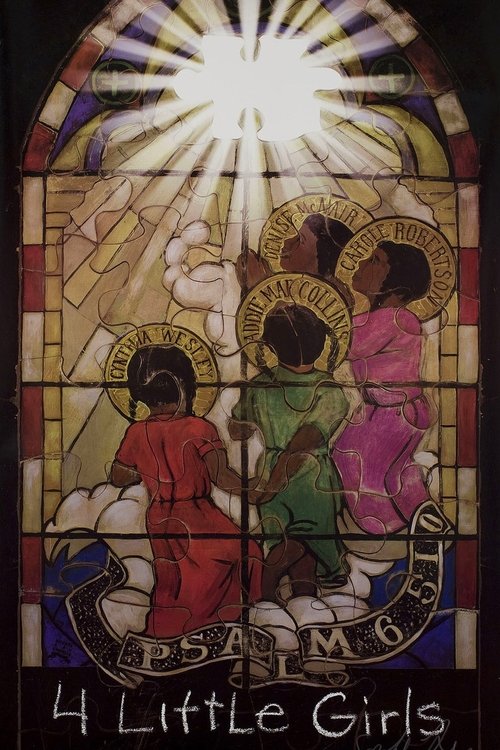
4 Little Girls1997
Spike Lee's documentary about the 1963 Birmingham church bombing is tender and precise. It honors victims while interrogating how white institutions responded—or failed to. A spiritual and structural companion to A Time for Burning.
But The subject is devastating. This is not a film you watch for pleasure; you watch it to bear witness, and that requires something from you.
Not sure tonight? Get a pick in a minute, starting from A Time for Burning
The wildcard
Something you would not have found on your own.
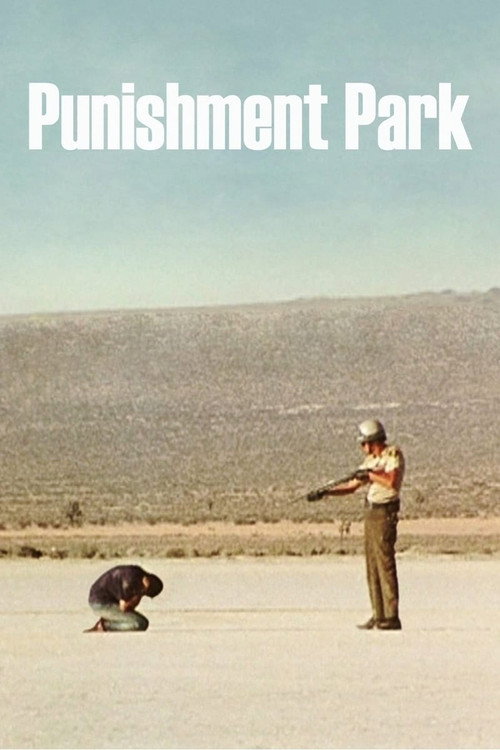
Punishment Park1971
Both examine how institutions fail their moral obligations. A Time for Burning shows the beginning of that failure—hesitation, good intentions curdled by inertia. Punishment Park shows where that failure can lead.
A mockumentary structured as found footage of a near-future America where political prisoners are hunted for sport. It's a radical escalation of the themes in A Time for Burning—what happens when institutions abandon their stated values completely. Shocking and brilliant.
But It's bleak, confrontational, and deliberately hard to watch. Some will read it as didactic propaganda rather than satire, and the low production values can feel cheap rather than urgent.
More like this (7)
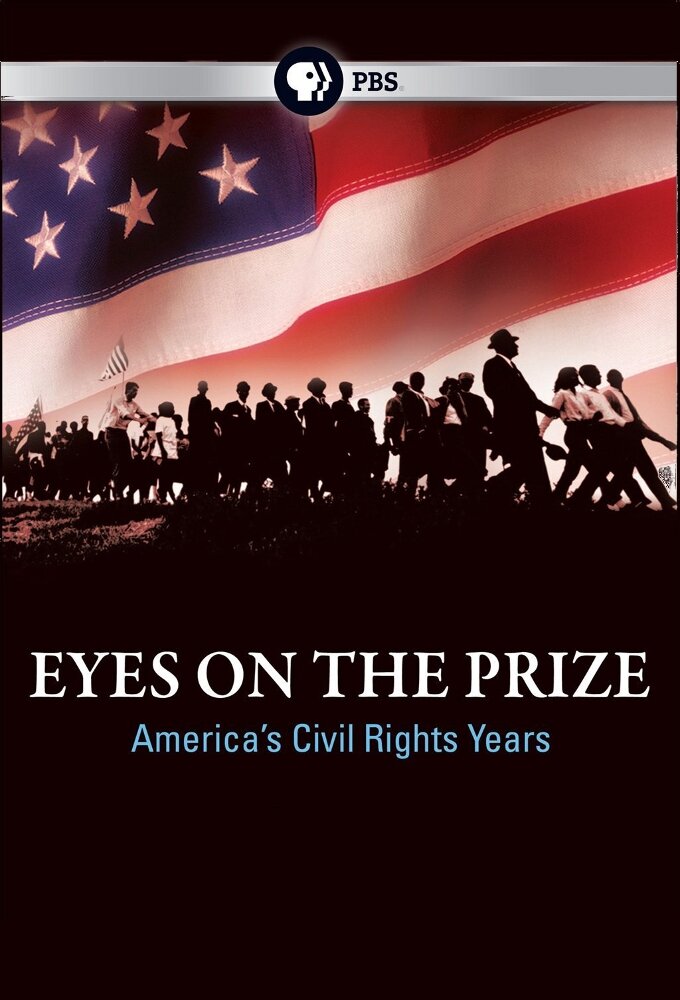
Eyes on the Prize1987
The definitive Civil Rights documentary series, built on archival footage and testimony. Watching it after A Time for Burning creates a dialogue: here's what was happening nationally while that minister was talking to his congregation.
But At fourteen hours across two series, it demands real time commitment. Some sections rely heavily on talking heads, which can feel dated in pacing.
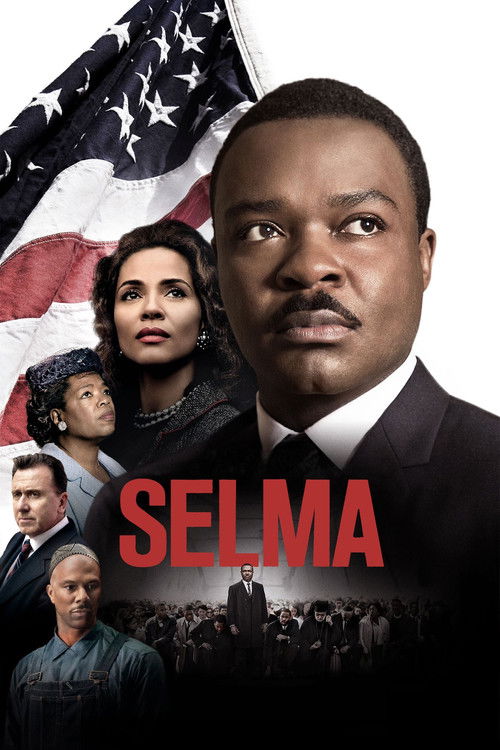
Selma2014
A dramatization of the 1965 Selma to Montgomery marches that doesn't shy from depicting white resistance and institutional indifference. David Oyelowo's performance carries the moral weight without preaching.
But It compresses history and streamlines characters for narrative clarity. Some Civil Rights historians felt it simplified the broader movement's complexity.
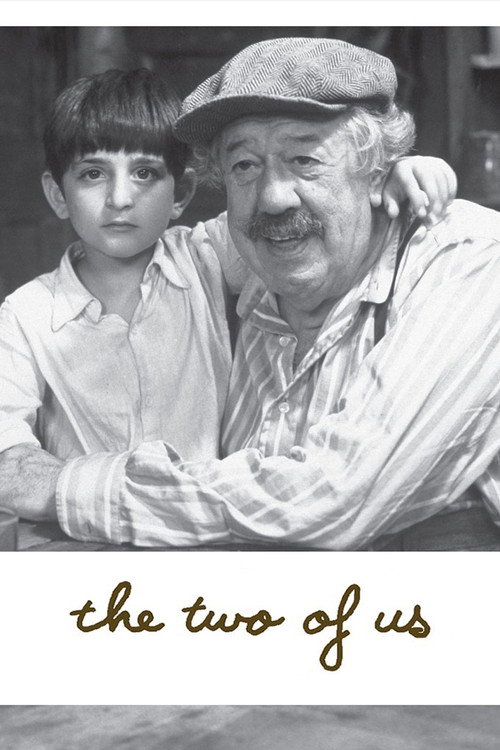
The Two of Us1967
A French film about a Jewish boy hidden with a Catholic family during WWII. It explores prejudice and belonging through a child's eyes, with the same quiet observation of how people actually behave when ideology meets daily life.
But It's a European art film with a slow pace. If you're looking for dramatic confrontation, you won't find it here.
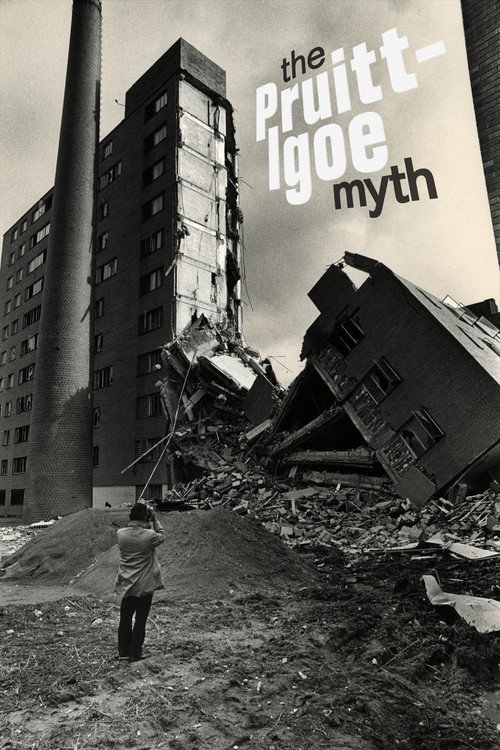
The Pruitt-Igoe Myth2012
A documentary about a St. Louis housing project and its demolition. It reveals how urban policy was used to enforce segregation, offering context for the neighborhoods the Omaha minister was trying to reach across.
But It's regional and specific to one case study. Unless you have interest in urban history or housing policy, it might feel narrow.
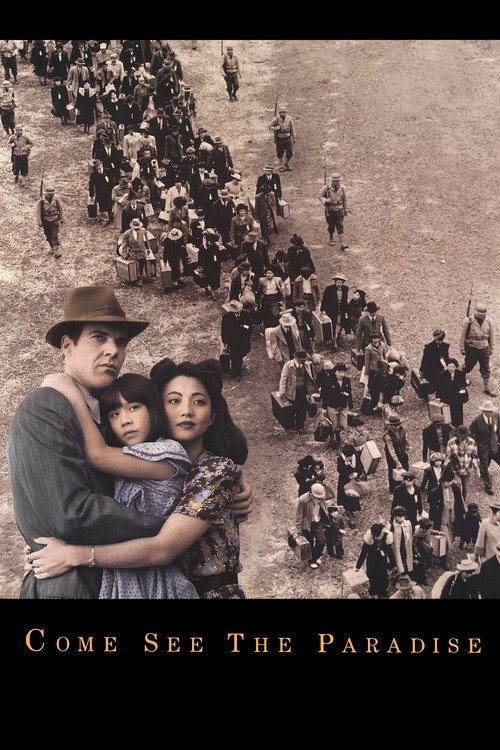
Come See the Paradise1990
A drama about Japanese-American internment that doesn't lionize its characters. It shows ordinary people making small compromises and living with guilt—the emotional register of A Time for Burning in another setting.
But The love story subplot can feel sentimental, and some viewers find the film's even-handedness frustrating when talking about clear historical wrong.
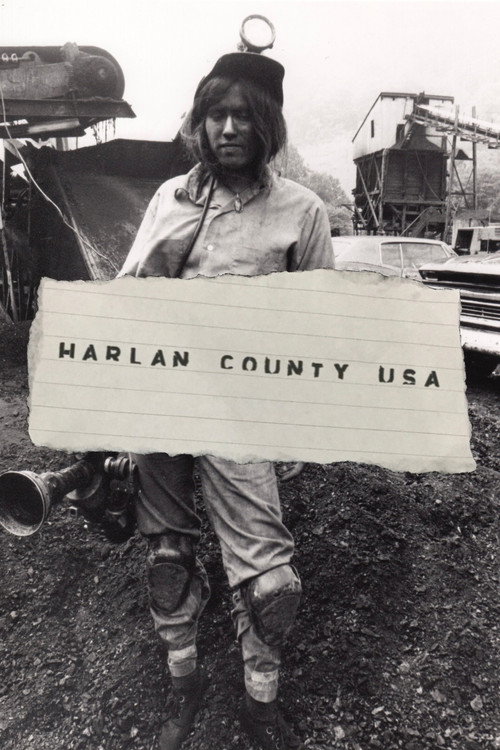
Harlan County U.S.A.1976
Both films trust viewers to sit with uncomfortable truths without authorial guidance. Neither editorializes. Both suggest that understanding requires sitting in the mess of how people actually talk and justify themselves.
Barbara Kopple's documentary about coal miners striking in Kentucky captures exactly what A Time for Burning does: real people with real economic fears, not symbols or abstractions. The specificity is devastating and clarifying.
But It's long, observational, and resists neat conclusions. If you want a shaped narrative arc, you won't find it. Some find documentary observation-without-comment tedious.
The Act of Killing2012
Where A Time for Burning shows an institution afraid to change, The Act of Killing shows what happens in institutions that never have to acknowledge wrongdoing. Same moral void, different temperature.
An Indonesian documentary where former death squad leaders recreate their murders on film. It's structured like nothing you've seen—confessional, surreal, horrifying—and it asks what happens when institutions that committed atrocity never face justice or accountability.
But It's extremely difficult to watch. The aesthetic distance (the recreations are surreal, theatrical) doesn't make the content easier. Some viewers find the method exploitative or self-indulgent.

People
Cast
- Ernie ChambersSelf
- Ray CristensenSelf
- Bill YoungdahlSelf
Directing
- Barbara ConnellDirector
- Bill JerseyDirector
Production
- Robert E. A. LeeExecutive Producer
- William C. JerseyProducer
Recommended by
Freedom Riders, King in the Wilderness, Faubourg Tremé: The Untold Story of Black New Orleans, The Murder of Emmett Till