
Film
Faubourg Tremé: The Untold Story of Black New Orleans
A crucial, music-saturated history of New Orleans' oldest Black neighborhood, from its founding through Katrina's aftermath. Wynton Marsalis and local historians guide you through centuries of resistance, creativity, and survival. It's intimate and urgent—the real foundation for understanding the city and the people who built American culture.
If you liked this
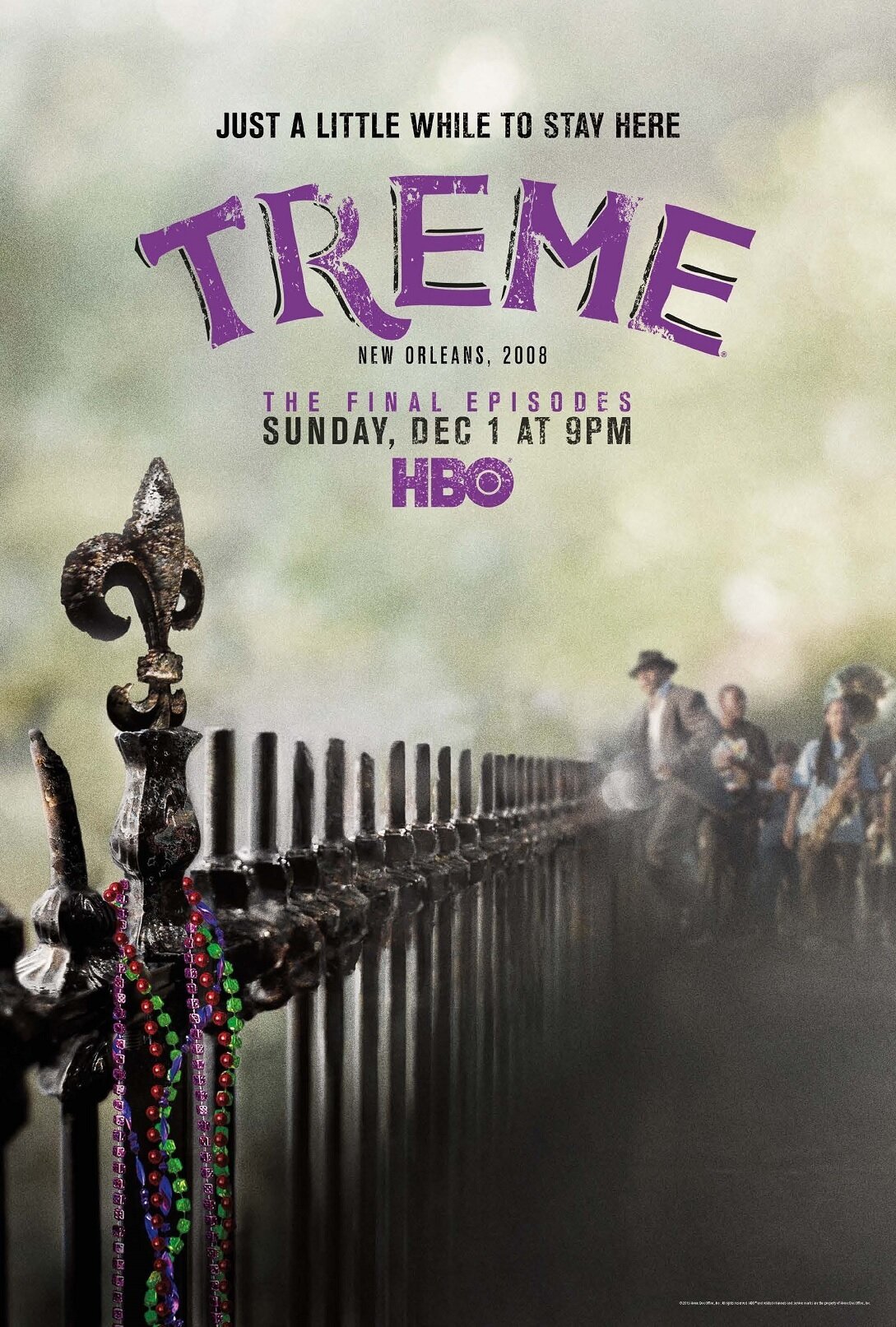
Treme2010
David Simon's HBO series dramatizes the same neighborhood and era this documentary illuminates. Watching both together—or this first—deepens everything: you'll recognize real people and places, catch the historical echoes, understand what the fiction is reaching toward.
But The show moves deliberately, and it's dense with characters and storylines. If you want plot momentum, you'll find it slow. Some episodes feel more like mood pieces than drama.
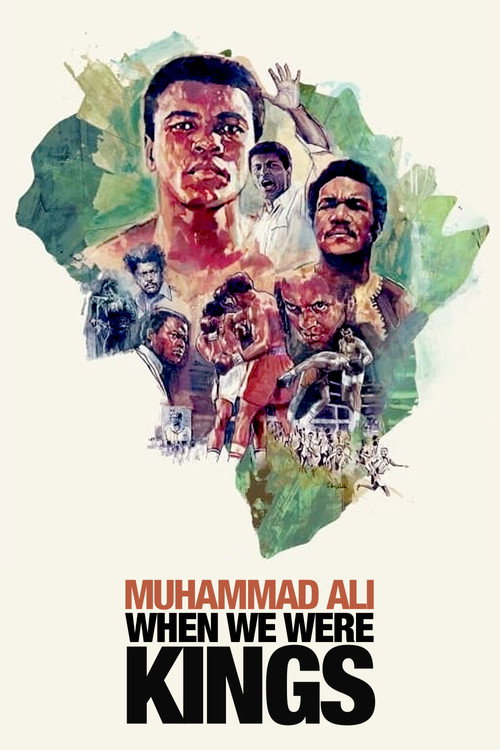
When We Were Kings1996
Leon Gast's Oscar-winning documentary about the Rumble in the Jungle uses music, archive, and direct testimony to make history feel present and alive. Like Faubourg Tremé, it's a cultural event as much as a historical one, centered on Black excellence and meaning-making.
But It's focused on one event and one man (Muhammad Ali). If you want a broader social sweep, this is narrower in scope, though no less profound.
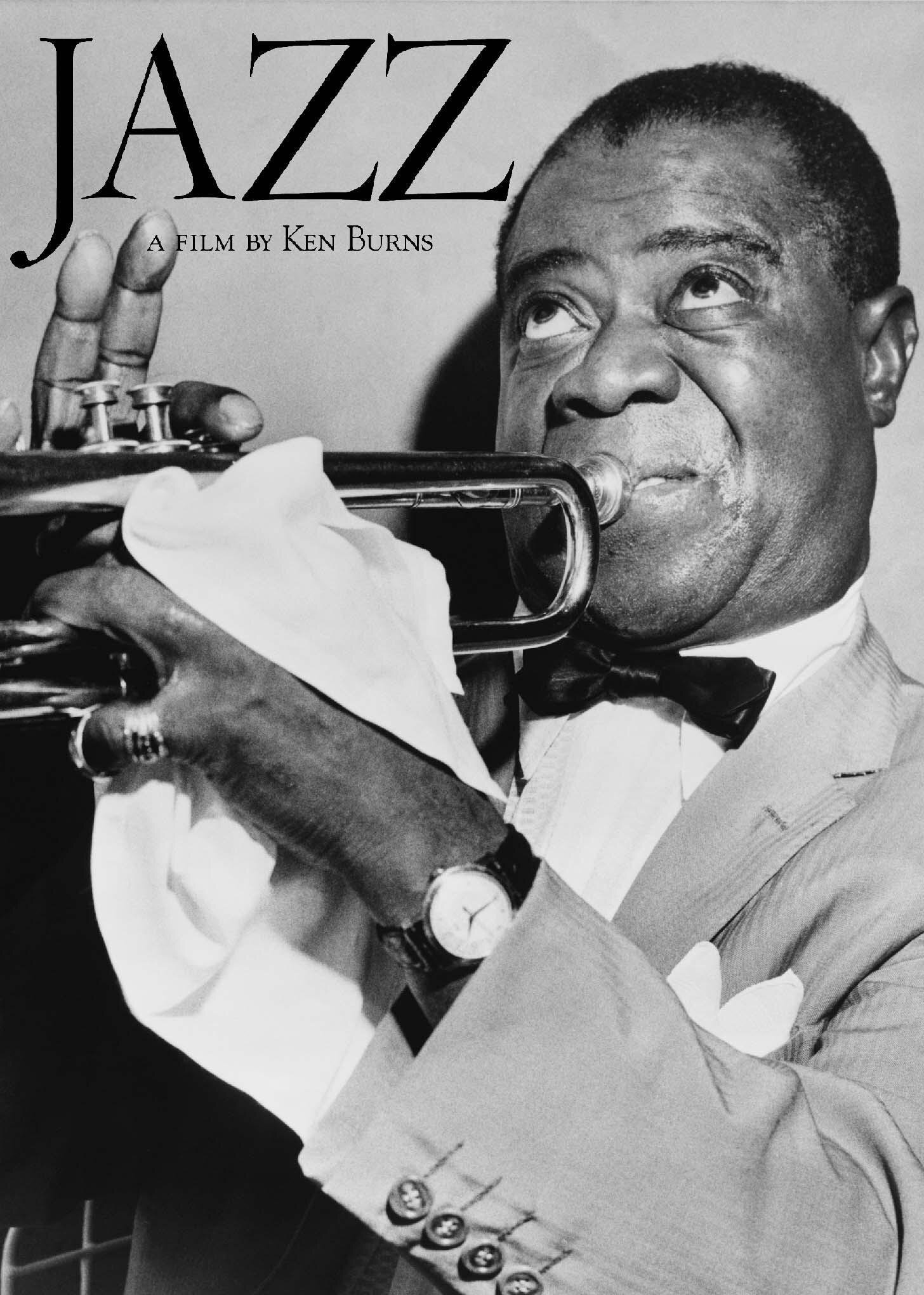
Jazz2001
Ken Burns' sweeping PBS series covers jazz history from ragtime through cool jazz. It shares Faubourg Tremé's understanding that American music is inseparable from Black history, struggle, and genius—and it has gorgeous archive and interviews with living legends.
But Burns' style is very familiar by now—lots of photographs, a classical score, voiceover narration. Some find it beautiful; others find it stiff and overly reverent.
Not sure tonight? Get a pick in a minute, starting from Faubourg Tremé: The Untold Story of Black New Orleans
The wildcard
Something you would not have found on your own.
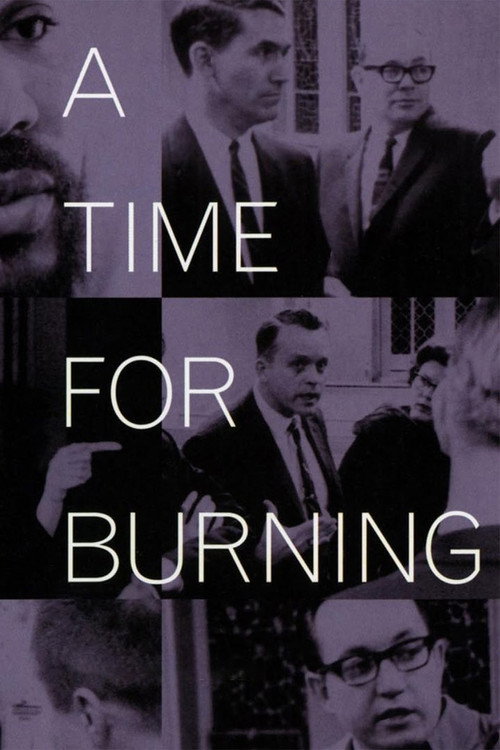
A Time for Burning1967
Both are unflinching documents of American racism made by filmmakers willing to let the truth sit in silence. Both understand that history is not past.
This documentary watches a white Lutheran pastor in Omaha attempt to integrate his church, in real time, as the plan collapses. It's Faubourg Tremé's spiritual inverse: not about Black resistance and creation, but about the white resistance that Black communities have always faced. Same period, same America, opposite vantage point—which makes it clarifying.
But It's deeply uncomfortable and the racial language is period-accurate and harsh. Watching it means sitting with failure and ugliness. It's also quite slow—a genuine vérité documentary from 1966, not a modern one.
More like this (6)
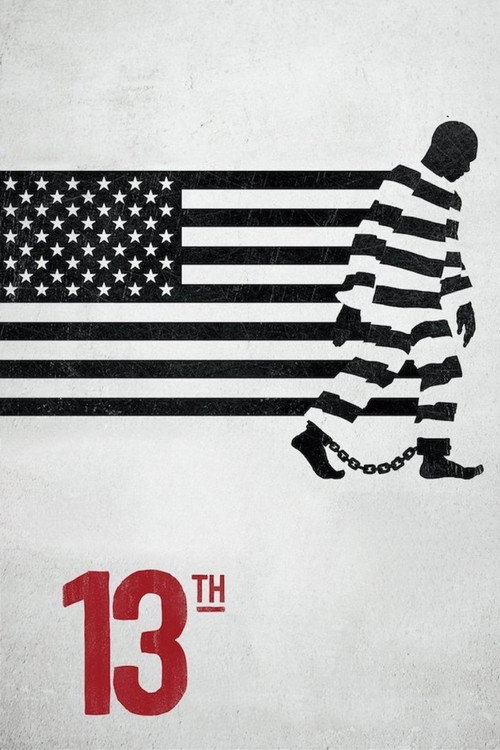
13th2016
Ava DuVernay's documentary traces the evolution of American racism from slavery through mass incarceration, using archive and contemporary voices. It has the same urgent moral clarity as Faubourg Tremé—connecting past and present through an unflinching lens.
But It's relentless and angry by design. Some people find that necessary and clarifying; others find it overwhelming or feel the argument is occasionally too neat.
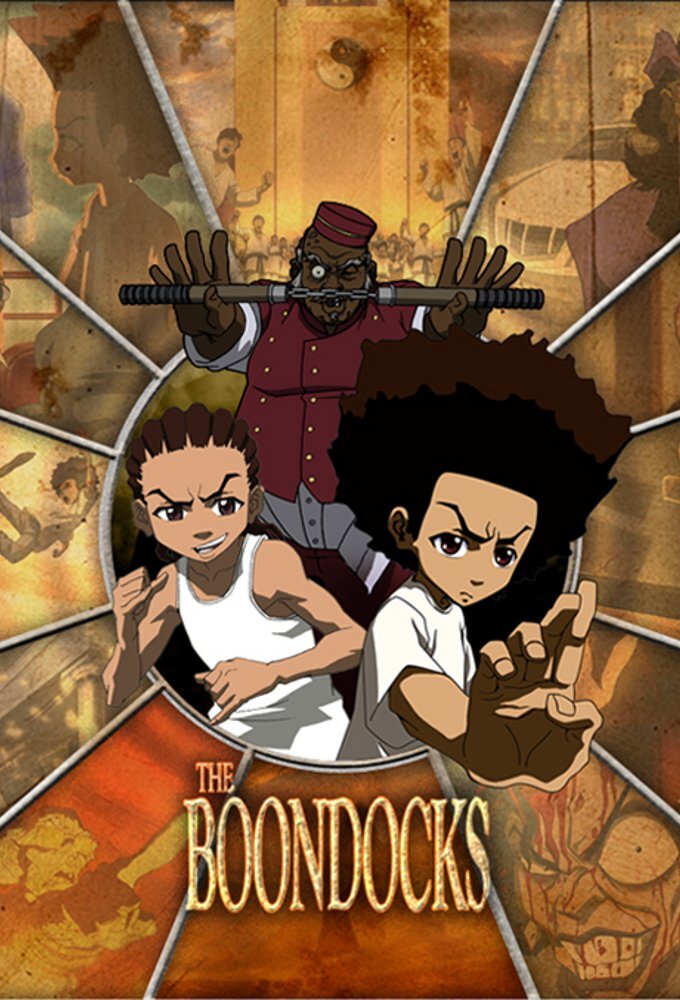
The Boondocks2005
Aaron McGruder's animated series is set in contemporary America but returns obsessively to history—to slavery, to resistance, to the persistence of racism in different forms. It's funny and brutal in equal measure, and it shares Faubourg Tremé's refusal to separate past from present.
But The humor is pointed and sometimes very dark. Satire this sharp can feel aggressive if you're not in the mood for it. The show also got cancelled mid-stride.
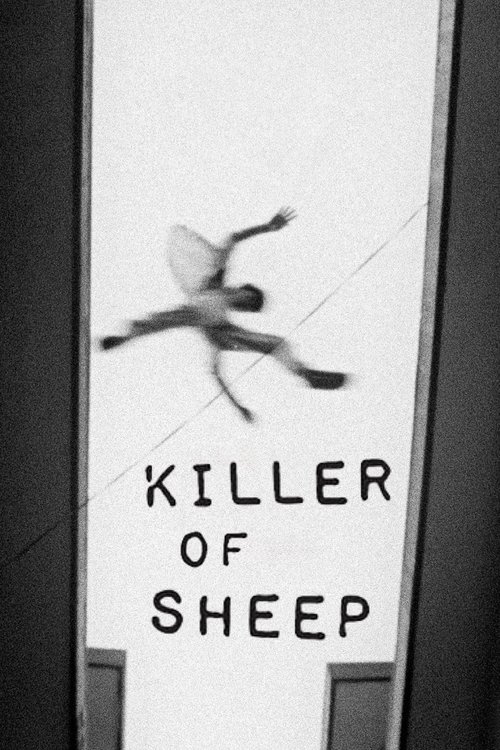
Killer of Sheep1978
Charles Burnett's lyrical, almost documentary-like film captures Black life in Watts through daily moments and music. It's shot in black-and-white and feels like lived experience rather than constructed narrative—the same attention to texture that makes Faubourg Tremé so alive.
But The plot is minimal and the pacing is meditative. If you want conventional story structure, this will feel like it's resisting you. The restoration is excellent but the original prints were degraded, and some copies still show that wear.
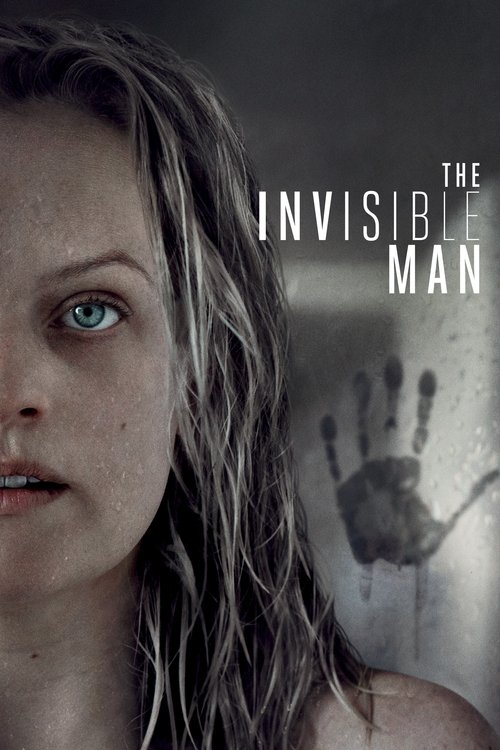
The Invisible Man2020
Leigh Whannell's update is about predatory power and violence made invisible by social structures. Like Faubourg Tremé, it's about how systemic abuse becomes invisible precisely because it's so pervasive—and how the people who live through it see the truth that others refuse to.
But It's a horror film, so it has jump scares and moments of graphic violence. If you're coming from documentary into genre, the register shift is abrupt. Some people find the metaphor overwrought.
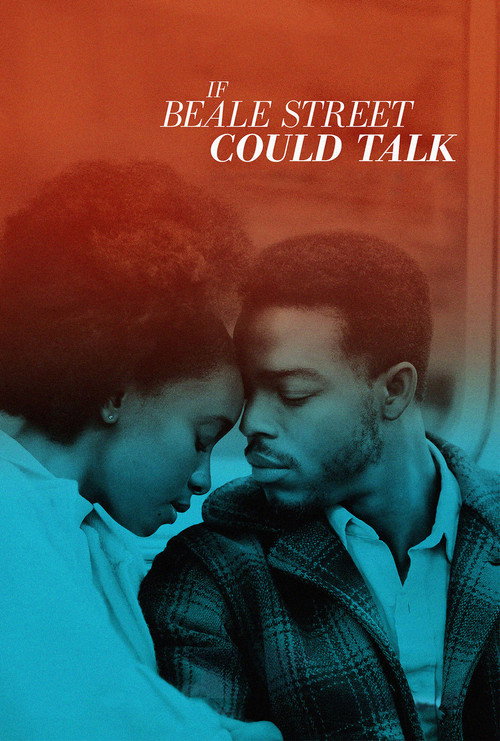
If Beale Street Could Talk2018
Both insist that Black interior life—joy, music, love, dignity—is as important as the historical record. Both refuse to make suffering the only story.
Barry Jenkins' film is set in 1970s Harlem and moves like a prayer or a love song—lush, sensual, built from music and color and the interior lives of Black people. It's not history, but it's about the same era Tremé covers, and it has the same understanding that beauty and love are acts of resistance against systems meant to crush them.
But It's a romance and a legal drama, but it's paced like poetry. Plot happens slowly. Visually it's gorgeous but some people find it too aestheticized, too much about feeling and not enough about action.
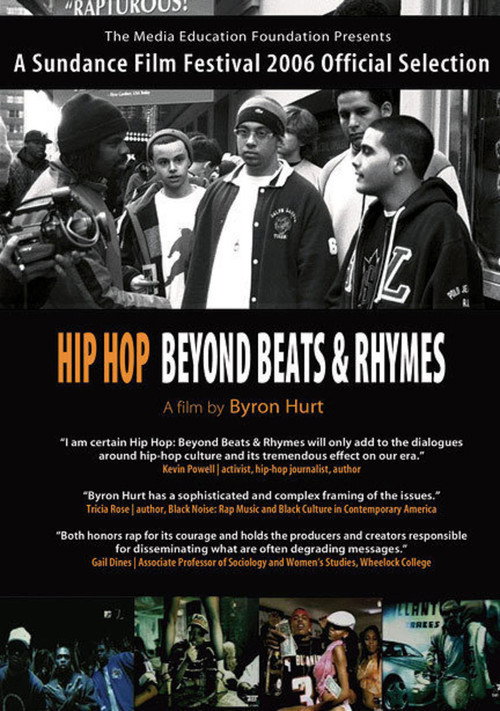
Hip-Hop: Beyond Beats & Rhymes2006
Both understand music as a documentary medium itself—a way of recording truth that archives and institutions miss. Both are about what Black artists do when the world refuses to listen.
Byron Hurt's documentary traces hip-hop's roots in the same post-Civil Rights era and explores how the music became a vehicle for truth-telling when institutions wouldn't listen. It's not about New Orleans specifically, but it's about the same impulse: using your art to bear witness, to speak what cannot be said elsewhere.
But It's focused on representation and masculinity in hip-hop, so it interrogates the culture you might love. If you want to celebrate the music uncritically, this will challenge you. The visual style is dated now.
People
Cast
 Wynton MarsalisSelf - Interviewee / Self - Musician
- Glen David AndrewsSelf - Interviewee / Self - Musician
Directing
- Lolis Eric ElieCo-Director
- Dawn LogsdonDirector
Writing
- Lolis Eric ElieWriter
Production
- Stanley NelsonExecutive Producer
- Wynton MarsalisExecutive Producer
- Dawn LogsdonProducer
- Lolis Eric ElieProducer
- Lucie FaulknorProducer