
Film
King in the Wilderness
A portrait of MLK's final years as his vision fractured and opposition mounted from every direction. Director Peter Kunhardt pieces together archive footage and intimate interviews to show a leader doubting his methods, exhausted by backlash, yet pressing forward anyway. Essential viewing for anyone who thinks they know the full story.
Should you watch it?
Watch it if you want a close, archival look at a leader wrestling with doubt and public backlash, told through his own recorded voice and the memories of people who stood beside him.
Skip it if you need a sweeping narrative with fresh revelations, since this leans on familiar archive footage and reflective talking heads rather than new reporting.
What it asks of you: Long stretches of speeches, meetings and quiet reflection set the pace at 111 minutes, so settle in and let a complicated man resist being a tidy hero.
Not sure? Find tonight's pick in a minute.
If you liked this
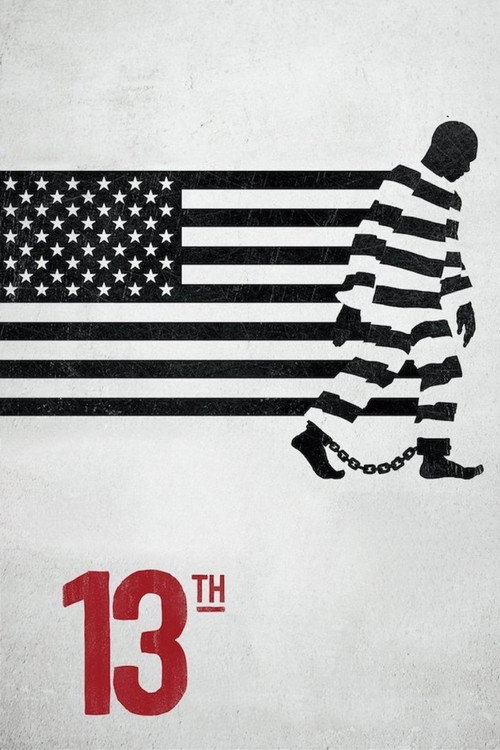
13th2016
Ava DuVernay traces the throughline from slavery to mass incarceration with devastating clarity and formal brilliance. It recontextualizes everything you thought you understood about criminal justice in America.
But Some find the essay-film format didactic rather than immersive. The material is relentlessly bleak.
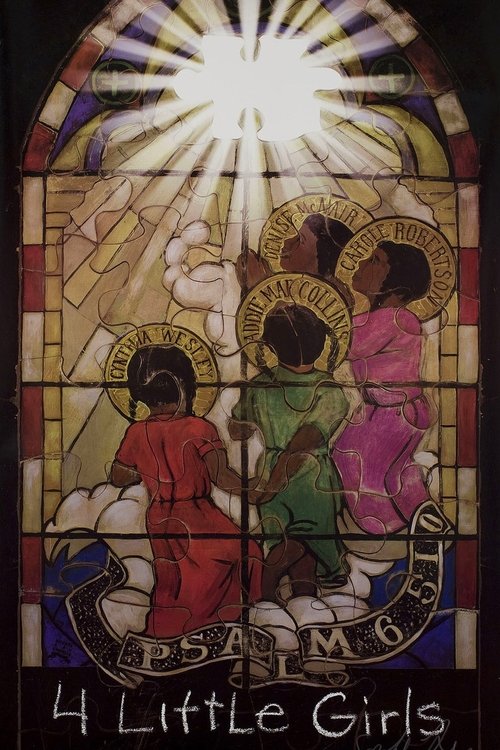
4 Little Girls1997
Spike Lee's documentary about the 1963 Birmingham church bombing lets the survivors and families speak directly. It's grief and rage given proper weight, never exploitative, always human.
But At nearly two hours, it moves slowly. The subject matter is unbearably heavy.
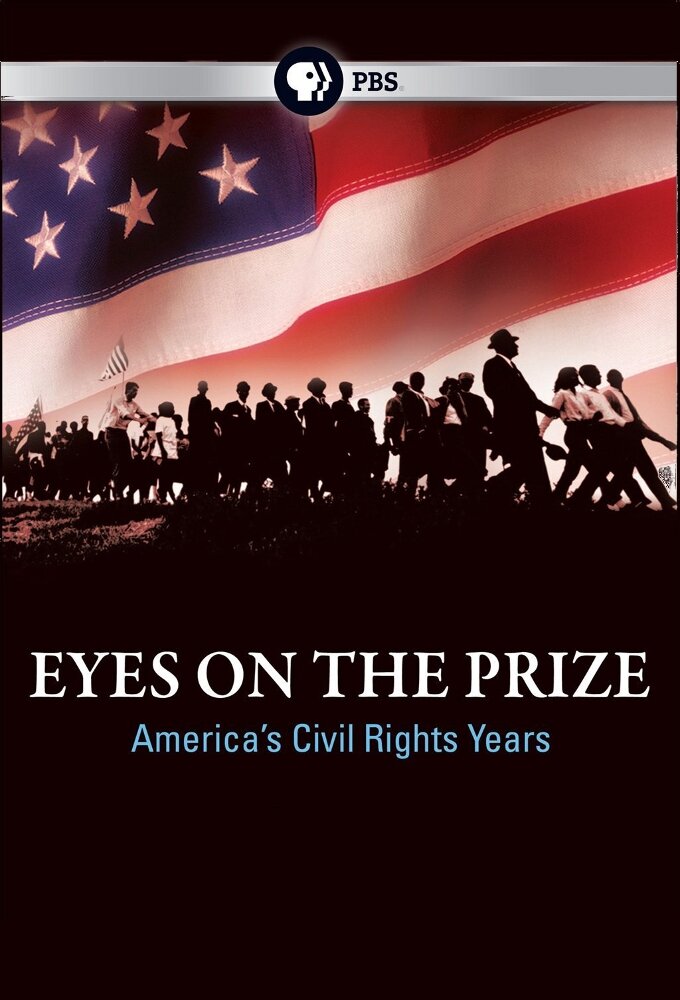
Eyes on the Prize1987
The definitive television history of the Civil Rights Movement. Beautifully assembled from newsreel footage and interviews, it's both comprehensive and deeply moving without ever feeling like a textbook.
But Watching all fourteen episodes is a serious time commitment. Some footage is distressing to witness.
Not sure tonight? Get a pick in a minute, starting from King in the Wilderness
The wildcard
Something you would not have found on your own.
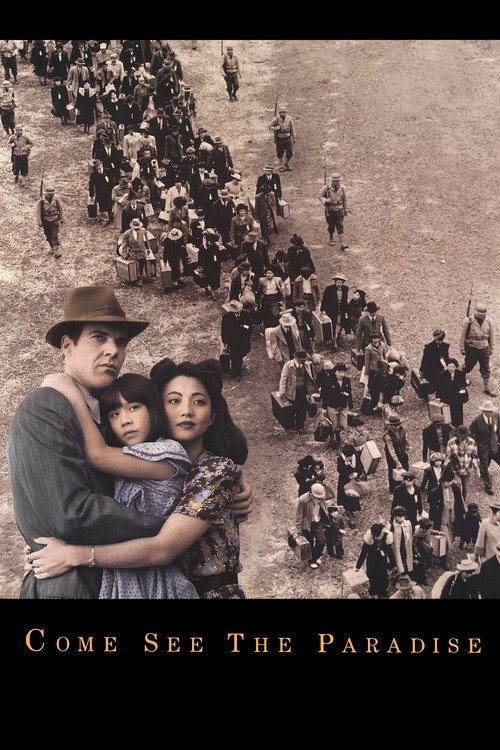
Come See the Paradise1990
Both examine the price of dissent and how institutions grind down resistance. Both show leaders (King, the protagonist) choosing conscience over comfort, knowing the cost.
Alan Parker's film about Japanese-American internment during WWII has nothing to do with the Civil Rights Movement, but it grapples with the same machinery of state power, moral complicity, and what it costs to resist. It's a love story trapped inside a tragedy.
But It's melodrama rather than documentary—some find the romantic plot distracting from the historical horror. It's not formally inventive and it hasn't aged as well as one might hope.
More like this (6)
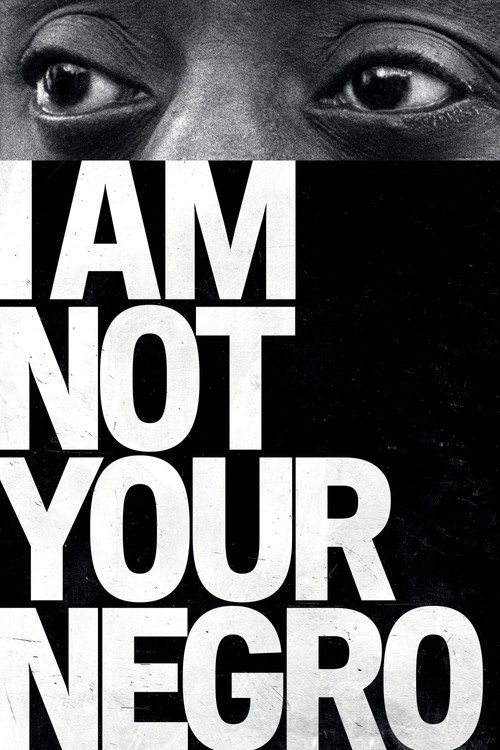
I Am Not Your Negro2017
Raoul Peck uses James Baldwin's unfinished manuscript to rethink race in America across decades. It's intellectually fierce and visually inventive—Baldwin's voice reading over photographs creates something hypnotic.
But It's essayistic and abstract rather than narrative. You need to sit with ideas rather than follow a plot.
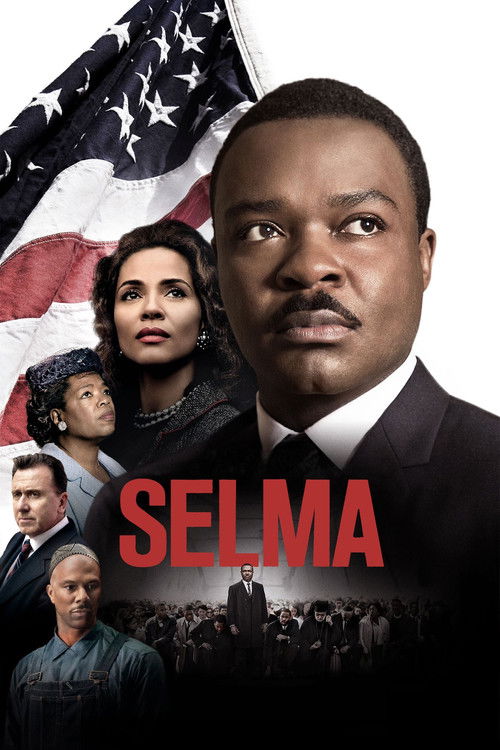
Selma2014
Ava DuVernay dramatizes the 1965 voting rights campaign with focus and moral clarity. David Oyelowo's King is complicated and tired, not a saint—he's a strategist under impossible pressure.
But Some historians quibble with narrative choices. It necessarily simplifies to fit a feature length.
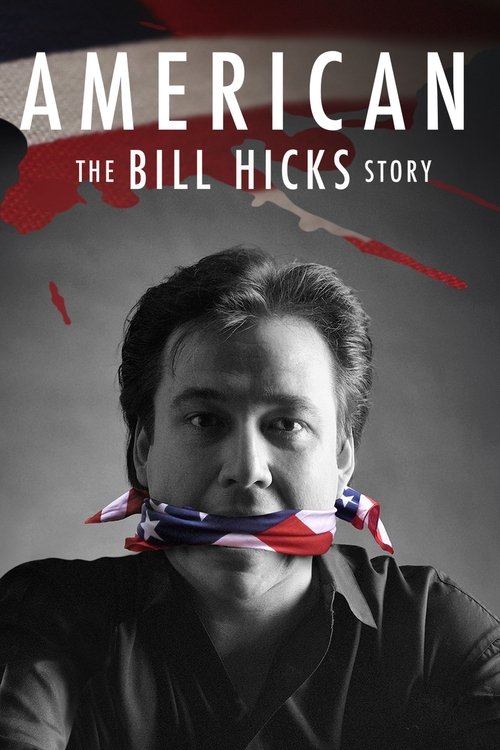
American: The Bill Hicks Story2010
Not about civil rights, but about speaking truth to power at personal cost. Hicks' struggle against censorship mirrors the resistance King faced, just in a radically different register.
But It's biographical rather than thematic, and some find Hicks' comedy dated or juvenile.
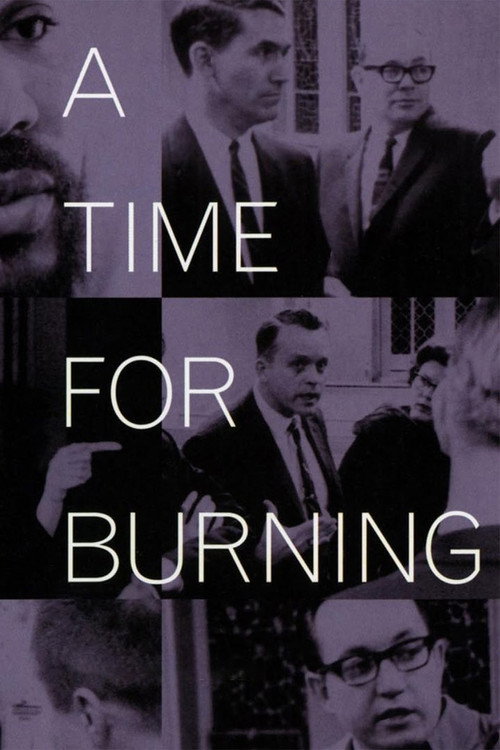
A Time for Burning1967
A rare documentary made during the actual Civil Rights era, following a white Nebraska pastor attempting to integrate his congregation. The awkwardness and resistance are fascinating and historically immediate.
But It's imperfectly made and occasionally confusing in its sympathies. The pacing is deliberate to the point of stalling.
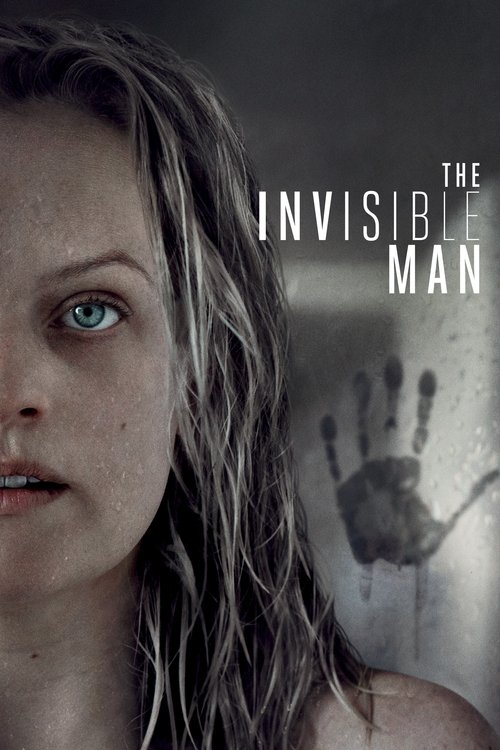
The Invisible Man2020
Both works expose the machinery of power that makes certain people disposable. Both are about what it takes to be seen and heard when systems are designed to erase you.
Jordan Peele's reimagining uses sci-fi to articulate a truth that King fought against: invisibility as a tool of oppression. It's visceral, urgent, and finds new language for systemic violence.
But It's a thriller, not a documentary. Some find Peele's genre approach to activism gimmicky rather than clarifying. It's relentlessly tense.
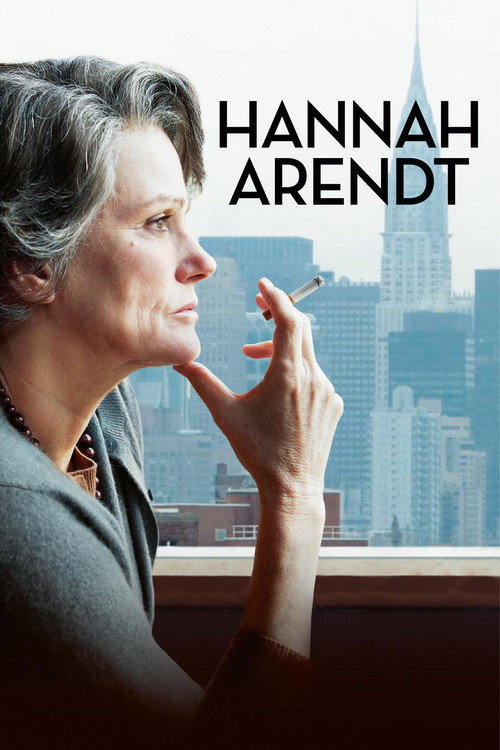
Hannah Arendt2012
Both King's final years and Arendt's work grapple with the same question: how do you resist when the machinery of evil is systemic rather than individual? Both refuse easy answers.
Margarethe von Trotta's film about the philosopher wrestling with the 'banality of evil' following Eichmann's trial asks difficult questions about complicity and resistance. It's a rigorous intellectual drama about how we reckon with atrocity.
But It's dense and philosophical rather than emotionally immediate. Lengthy scenes of dialogue and introspection will exhaust viewers wanting clarity over ambiguity.
People
Cast
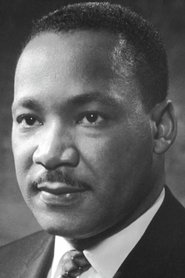 Martin Luther King Jr.Self (archive footage)
 Joan BaezSelf
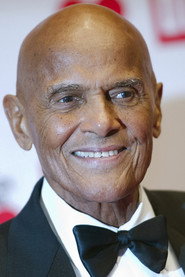 Harry BelafonteSelf
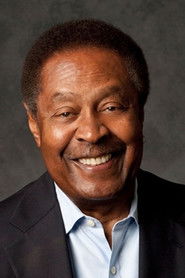 Clarence JonesSelf
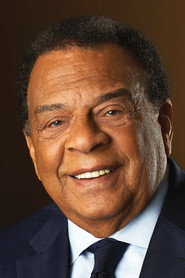 Andrew YoungSelf
- C.T. VivianSelf
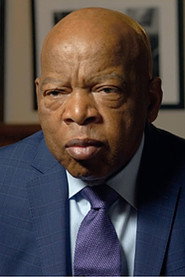 John LewisSelf
 Diane NashSelf
- Dorothy CottonSelf
Directing
- Peter W. KunhardtDirector
Writing
- Chris ChuangWriter
Production
- George KunhardtProducer
- Teddy KunhardtProducer
- Trey EllisProducer
Recommended by
I Am Not Your Negro, Eyes on the Prize, Sidney, 4 Little Girls, The Donut King, WeWork: or The Making and Breaking of a $47 Billion Unicorn, A League of Ordinary Gentlemen, Soul Food Junkies, Roadrunner: A Film About Anthony Bourdain, Brother Outsider: The Life of Bayard Rustin, Traces of the Trade: A Story from the Deep North, Muddy Waters: Can't Be Satisfied, The Greatest, The Soul of a Man