
Film
Brother Outsider: The Life of Bayard Rustin
A portrait of Bayard Rustin, the Black Quaker pacifist and strategist who orchestrated the 1963 March on Washington—and whose sexuality and radical past were systematically erased from history. This is intimate, furious, and essential: the documentary lets Rustin speak for himself, restoring both his voice and his full, complicated legacy to a movement that tried to forget him.
If you liked this
Eyes on the Prize1987
The definitive documentary series on the Civil Rights Movement, told through archival footage and firsthand testimony. Comprehensive, emotionally gripping, and the foundation every person should know.
But Six hours across two volumes is a commitment, and some of the historical trauma depicted is genuinely difficult to sit with without relief.
March of the Penguins2005
Kevin McCollum's account of the actual day of the 1963 March—the logistical miracle, the behind-the-scenes negotiations, the stakes. It's the perfect companion to Rustin's story, showing the machinery he built.
But Quieter and more procedural than you might expect; there's less soaring rhetoric and more exhausted planning.
MLK/FBI2020
Sam Pollard's documentary uses declassified FBI files to show how the government surveilled King and his circle, including the homophobic tactics used to discredit them. Direct context for understanding Rustin's erasure.
But Infuriating by design. The documentary doesn't soften the ugliness of institutional bigotry or offer easy resolution.
Not sure tonight? Get a pick in a minute, starting from Brother Outsider: The Life of Bayard Rustin
The wildcard
Something you would not have found on your own.
How to Survive a Plague2012
Both films center invisible people whose contributions were erased, and both argue that queer activism—rejected by mainstream movements—carried essential moral wisdom about how to survive and resist.
Documentary about ACT UP and the fight against AIDS that mirrors Rustin's own structural insight: radical organizing rooted in love, not anger alone. Uses archival footage like poetry. The connection is urgent.
But The deaths are real and accumulate visibly. This is grief documented, not processed. Watching requires emotional capacity.
More like this (7)
The Salt of the Earth2014
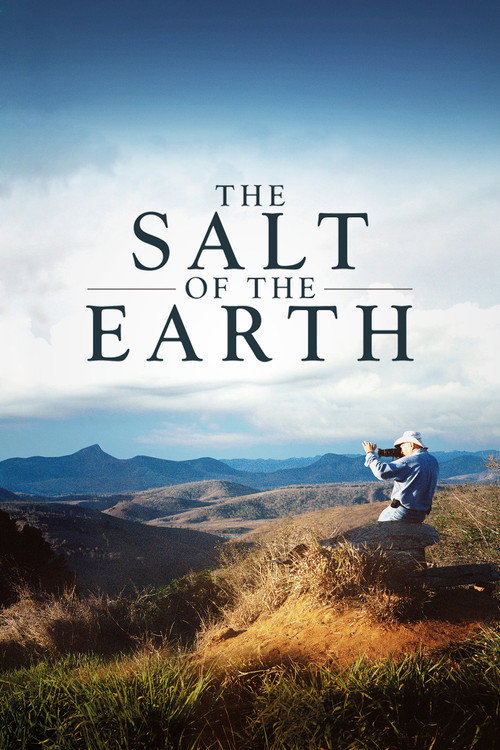
A career-spanning portrait of photographer Sebastião Salgado that shares Rustin's philosophy: bearing witness to injustice as an act of moral urgency. Visually stunning and quietly profound.
But Meditative and slow; if you want narrative momentum or clear arguments, this works differently—it accumulates meaning through image.
King in the Wilderness2018
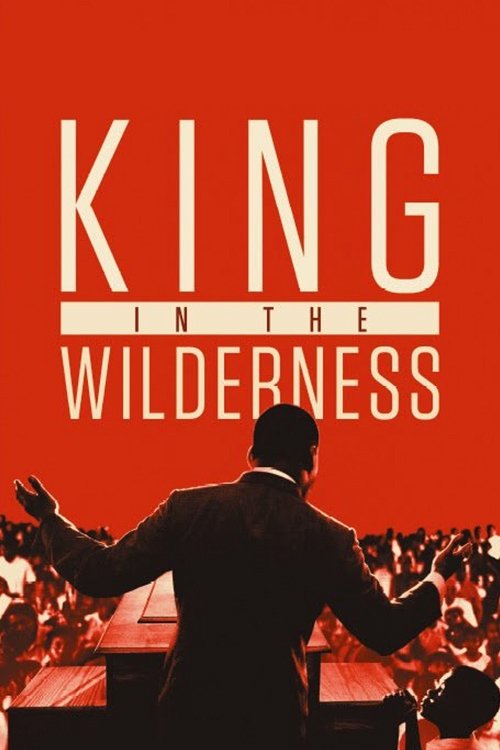
Peter Kunhardt's look at King's final years, when his vision broadened to include economic justice and opposition to war. Shows the radicalism that Rustin fought for but was often hidden from public memory.
But Ends with assassination, and the doc doesn't look away from the horror of it or the incompleteness of his work.
American Greed2007
Explores the competing visions of American identity and freedom through the Civil Rights era and beyond. Intellectually rigorous without being academic; makes you think about what freedom actually meant to different people.
But Deliberately complex and sometimes contradictory; if you want clear heroes and villains, this complicates that picture.

The Black Panthers: Vanguard of the Revolution2015
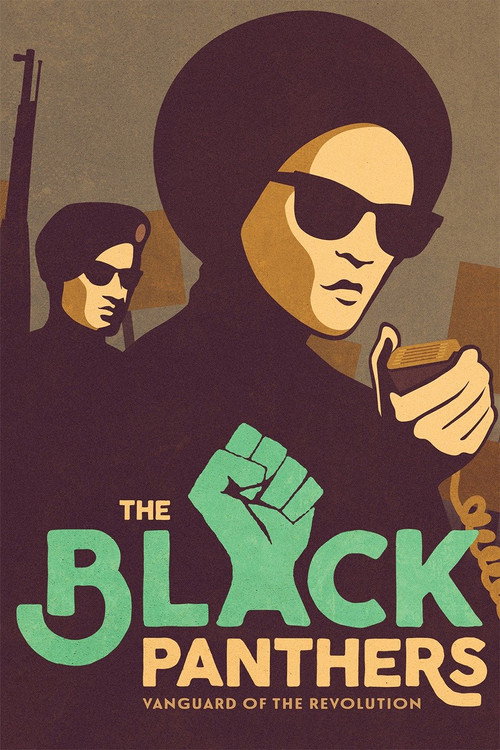
Stanley Nelson's film on the Black Panther Party shows a movement born partly as a critique of Rustin-style nonviolence. Understanding the disagreement deepens both stories.
But Some viewers find it more sympathetic to the Panthers than to their critics; it's a counterpoint, not a balanced view.
The Sit-In: Harry Belafonte Hosts The Tonight Show2020
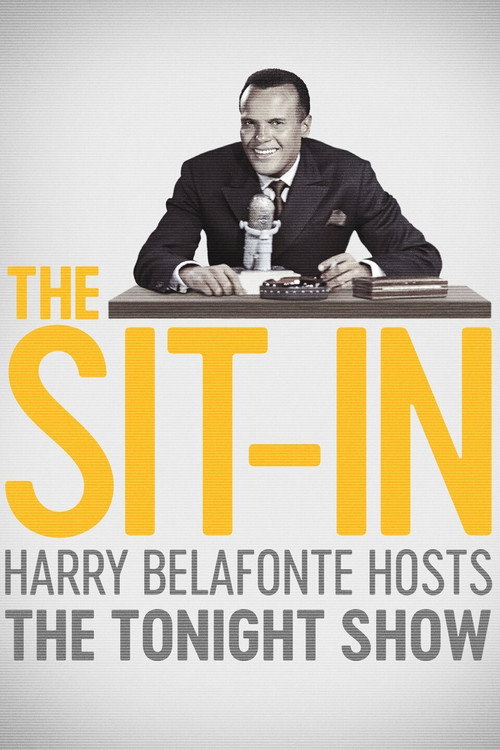
A concert film where Belafonte convenes artists and activists to discuss Civil Rights legacy. Includes testimony about the movement's queer members and the silences around them.
But It's more conversation and musical performance than traditional documentary; the pacing is deliberately unhurried.
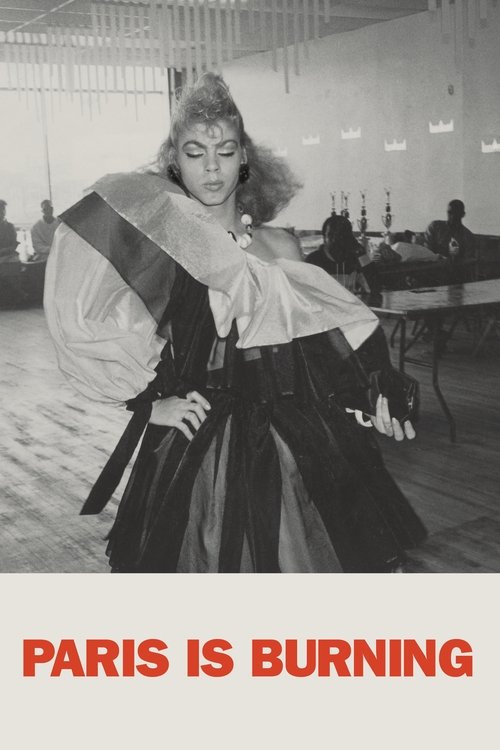
Paris Is Burning1991
A counterpoint showing queer Black life not as footnote or tragedy, but as the center of its own story—the life Rustin fought for but never fully got to live in public.
Jennie Livingston's film on New York's ball culture is a love letter to Black and Latinx queer people thriving in community, creating beauty from nothing. It's joyful in a way that Rustin's story, for all its importance, is not.
But Some subjects were later killed; the film is shadowed by the tragedy that followed it. Also, if you're unfamiliar with the subcultures, the language and references require some orientation.
The Act of Killing2012
Both documents explore what erasure costs—Rustin's history hidden by his own allies, Indonesia's atrocities hidden by state power—and the kind of courage required to insist on the truth when powerful people have reasons to bury it.
Joshua Oppenheimer's film about Indonesian death squad perpetrators is about reckoning, accountability, and the architecture of silencing. A horrifying masterpiece that asks: what happens when history refuses to reckon with its crimes?
But Extraordinarily difficult to watch. The violence is recreated by the perpetrators themselves; the film's method is intentionally disorienting and disturbing.

People
Cast
- Bayard RustinHimself
Directing
- Bennett SingerDirector
- Nancy D. KatesDirector