
Film
The Soul of a Man
- Musical
- Slow-burning
Wim Wenders meditates on the blues through three forgotten giants: Skip James, Blind Willie Johnson, and J.B. Lenoir. Part history, part pilgrimage, it braids archival footage, silent-film reconstructions, and contemporary artists covering their songs. It's a love letter to spiritual depth in American music—meditative, visually inventive, occasionally obscure.
If you liked this
Searching for Sugar Man2012
A documentary equally fascinated by redemptive music history and the mystery of forgotten artists. It shares Wenders' gift for making research feel like detective work, with genuine emotional stakes and surprise.
But The satisfaction comes from solving a puzzle; if you're seeking something with more complex ideas about art itself, you'll find it thinner.
The Last Waltz1978
Scorsese's concert film treats rock music with the weight and reverence Wenders gives the blues. It's visually sumptuous and understands that music lives inside performance, memory, and myth.
But It runs on nostalgia and legend-building rather than critical distance. Some will find the hagiography tiresome.

Once Were Warriors1994
Lee Tamahori's film about Māori culture uses music and lived experience to show how tradition survives in broken circumstances. Quieter than you'd expect, deeply human.
But It's a narrative drama, not a documentary essay. If you want to avoid plot altogether, look elsewhere.
Not sure tonight? Get a pick in a minute, starting from The Soul of a Man
The wildcard
Something you would not have found on your own.
Synecdoche, New York2008
Both films use reconstruction and archive not as documentary technique but as a way to ask what we can ever truly know about absent people. Both are essays in form.
Kaufman's film is about a director recreating life inside art—silent film sequences, actors playing themselves, the blur between archive and imagination. It shares Wenders' formal questions about how we know the dead.
But It's baroque, self-referential, and emotionally brutal. Three hours of formal games will exhaust people looking for straightforward inspiration.

More like this (5)
King in the Wilderness2018
Jon Cohen's documentary on MLK's final years uses archival material and artistic sensibility to approach a spiritual question. Similar reverence for archival depth.
But It's a conventional documentary in form, lacking Wenders' formal inventiveness. More earnest than artful.
Crumb1995
Terry Zwigoff's portrait of the cartoonist uses interviews and stills to build a portrait of creative obsession. It has the same intimate curiosity about artists most people have forgotten.
But It's darkly comic and uncomfortable in ways *Soul of a Man* never is. The subject is a misanthrope; empathy doesn't come easy.
The Inventor: Out for Blood in Silicon Valley2019
HBO's documentary on Elizabeth Holmes uses recreations, archival material, and contemporary reflection. It's formally playful and asks what we project onto forgotten stories.
But It's about fraud and shame. There's no redemptive music here, and the tone is skeptical where Wenders is reverent.

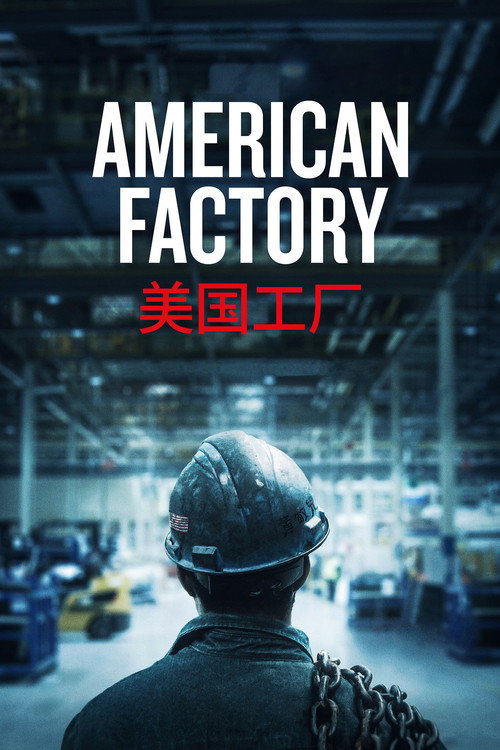
American Factory2019
Both films trust their subjects more than easy conclusions. Both refuse to simplify people into heroes or cautionary tales. Both find dignity in overlooked lives.
A documentary about labor and American identity that doesn't narrate. It sits with its subjects and lets contradictions breathe. Formally restrained, deeply empathetic to people history overlooks.
But It's about factory workers, not artists. No music, no spiritual dimension. If you came for transcendence, you'll find only complexity.
The Turin Horse2011
Both films are pilgrimage structures that mourn lost greatness. Both use archival fragments and reconstruction as ways to ask unanswerable questions about genius and suffering.
Béla Tarr's final film uses silence and decay to explore spiritual collapse. It's a reconstruction of Nietzsche's last years—archival obsession turned into apocalyptic art. Formally audacious, philosophically uncompromising.
But It's black-and-white, slow, and bleak. No music except silence. If you need warmth or hope, this will feel like punishment.

People
Cast
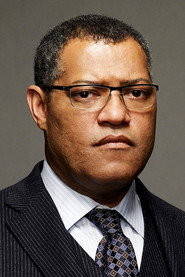 Laurence FishburneSelf - Narrator
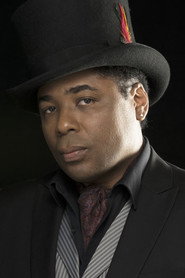 Chris Thomas KingBlind Willie Johnson
- Keith B. BrownSkip James
 J.B. LenoirSelf (archive footage)
- Skip JamesSelf (archive footage)
 T Bone BurnettSelf
- John MayallSelf (archive footage)
 Lucinda WilliamsSelf
 Bonnie RaittSelf
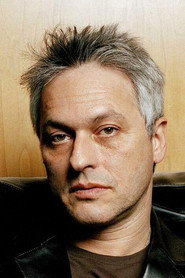 Marc RibotSelf
- Cassandra WilsonSelf
Directing
- Wim WendersDirector
Writing
- Wim WendersWriter
Production
- Paul MarcusLine Producer
- Samson MuckeLine Producer
- Alex GibneyProducer
- Margaret BoddeProducer