
Film
The Two of Us
A 1967 French film about an unlikely bond between a cantankerous old man and a Jewish boy hidden in his village during Nazi occupation. It's tender and funny, never sentimental, built on the friction between two incompatible people learning to need each other. A masterclass in how prejudice dissolves under the weight of genuine affection.
Should you watch it?
Watch it if you love a warm, bittersweet story about an unlikely bond between a cranky old man and a stubborn child, where the comedy and the quiet ache arrive side by side.
Skip it if you want a war film with momentum; this one lingers on small domestic routines and personal friction, and its wartime backdrop stays mostly at the edges of the frame.
What it asks of you: Ninety minutes of unhurried, character-led scenes with a gentle pace, asking you to settle into an old man's household and notice small shifts in tone rather than follow plot.
Not sure? Find tonight's pick in a minute.
If you liked this
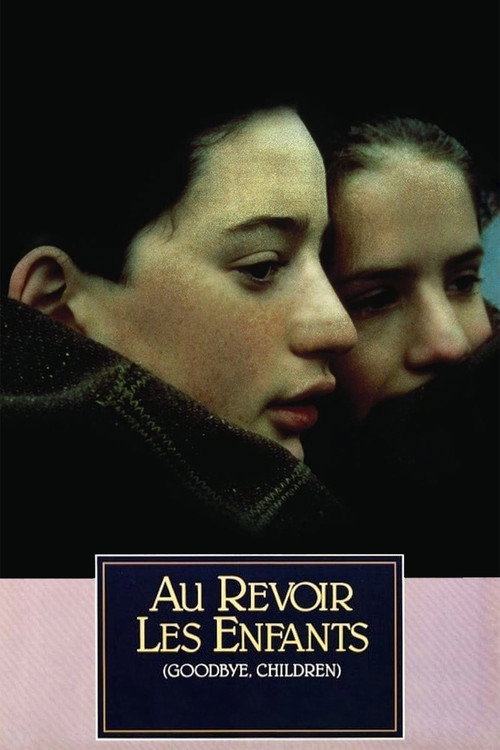
Au Revoir les Enfants1987
Lacombe's other great film about childhood and occupation, equally attentive to the daily texture of life under threat. The ending lands with devastating force because he never rushes toward it.
But Slower than you might expect, and the emotional payload arrives almost quietly. Some find that restraint cold.
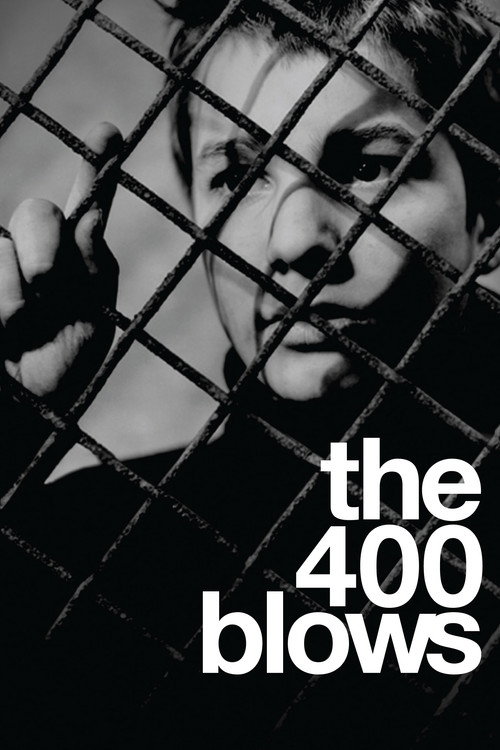
The 400 Blows1959
Truffaut's portrait of a boy adrift, searching for connection in an indifferent world. Like The Two of Us, it finds comedy and heartbreak in the small humiliations of childhood.
But The pacing is deliberate. If you want plot momentum, you'll find yourself waiting.
Bicycle Thieves1948
An Italian neorealist masterpiece about a man and boy moving through post-war Rome. The relationship deepens the stakes; we care because they do. Beautifully simple in structure.
But Deliberately unglamorous, shot on real streets with non-actors. The ending is hard to sit with.

Not sure tonight? Get a pick in a minute, starting from The Two of Us
The wildcard
Something you would not have found on your own.
A Prophet2009
Both films insist that people are larger and more complex than the prejudices surrounding them, and both show this truth emerging through daily coexistence in confined spaces.
Jacques Audiard's prison film about a young Arab boy transforming into a man inside the system. Like The Two of Us, it's about how proximity and necessity forge bonds that shouldn't exist, breaking down the walls—literal and psychological—people build.
But Violent, sometimes brutal, and morally ambiguous. It doesn't offer easy catharsis or judgment.

More like this (8)
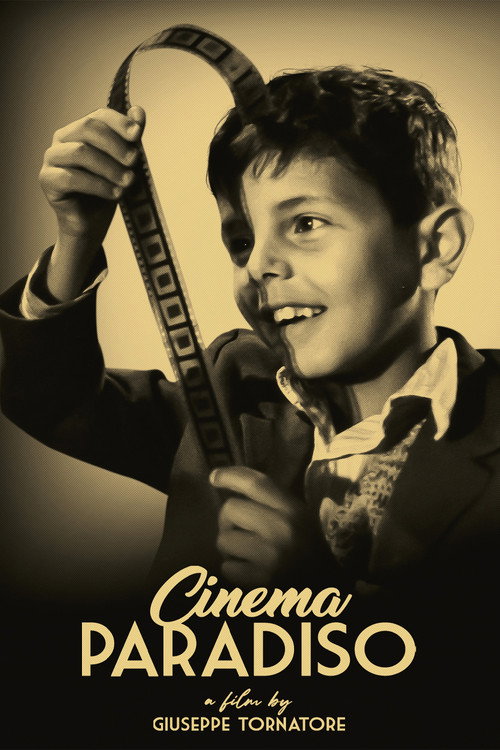
Cinema Paradiso1988
Tornatore's love letter to cinema and childhood, framed around a boy's friendship with the projectionist. Warmer and more elegiac than Lacombe, but built on the same emotional architecture.
But The restored director's cut runs three hours. The extended version indulges itself, which some find beautiful and others find slack.
Amarcord1973
Fellini's memory-film of fascist Italy seen through adolescent eyes. Baroque and raucous, but fundamentally about how ordinary people navigate extraordinary times without losing their humanity.
But Deliberately episodic and digressive. It's a tone poem, not a story—some find it self-indulgent rather than experimental.
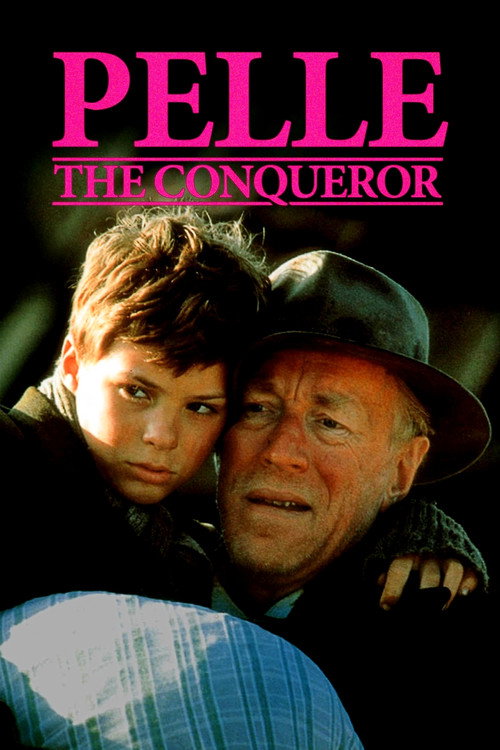
Pelle the Conqueror1987
A Swedish epic about a father and son arriving penniless in a new country. Bille August finds the same quiet heroism in endurance that Lacombe does; both films measure character in small moments.
But Three hours, deliberately paced, and emotionally exhausting. It demands investment before it gives anything back.
Kes1970
Loach's portrait of a working-class boy finding dignity through a trained hawk. Unsentimental, angry, and deeply humane—it sees childhood as neither innocent nor tragic, but real.
But The school sequences are brutal. If you went to a punitive school, this might feel like reopening a wound.

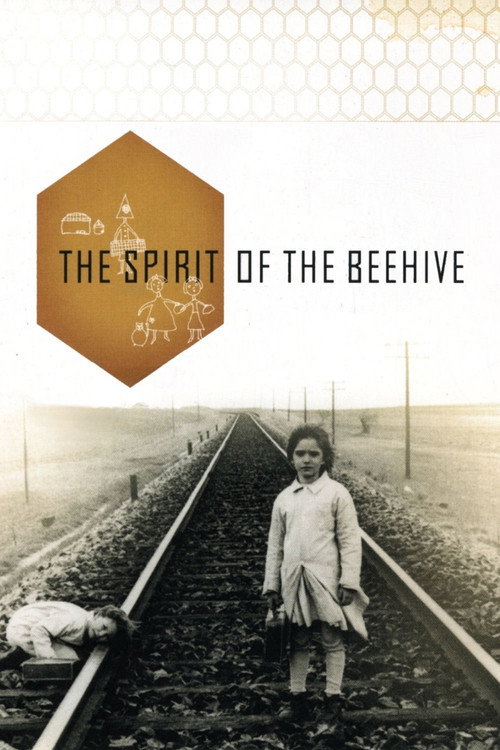
The Spirit of the Beehive1973
Víctor Erice's haunting film about two sisters navigating post-civil war Spain. Like The Two of Us, it locates the surreal and terrifying within the domestic, and childhood wonder within historical trauma.
But Glacially paced and cryptic. It requires patience and rewards it, but the rewards are not obvious.
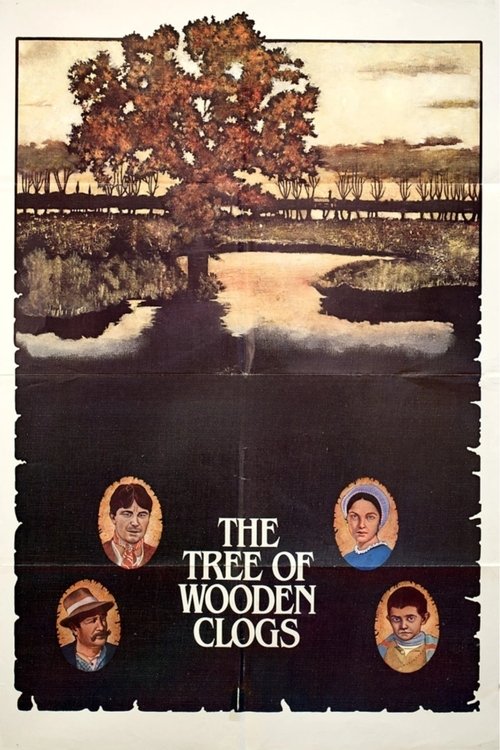
The Tree of Wooden Clogs1978
Ermanno Olmi's three-hour portrait of peasant life in early 1900s Lombardy. A film about community, faith, and survival told through texture and routine rather than plot.
But Virtually nothing happens. If you watch films for dramatic incident or character arcs, this will feel like watching grass grow.
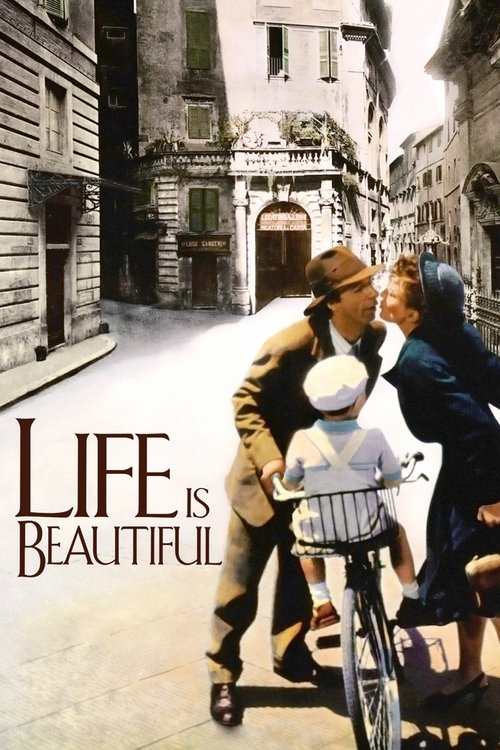
Life Is Beautiful1997
Both use a child-adult bond as their moral center during the Holocaust, but they're in complete disagreement about whether the story should be told gently or unflinchingly.
Benigni's film about a father protecting his son's innocence inside a concentration camp through imaginative play. It shares The Two of Us' belief that love and humor survive the darkest circumstances, though it reaches for transcendence rather than realism.
But Some find the tone fundamentally miscalibrated—clownish warmth applied to genocide feels wrong, not profound. It's divisive in ways Lacombe's restraint never is.
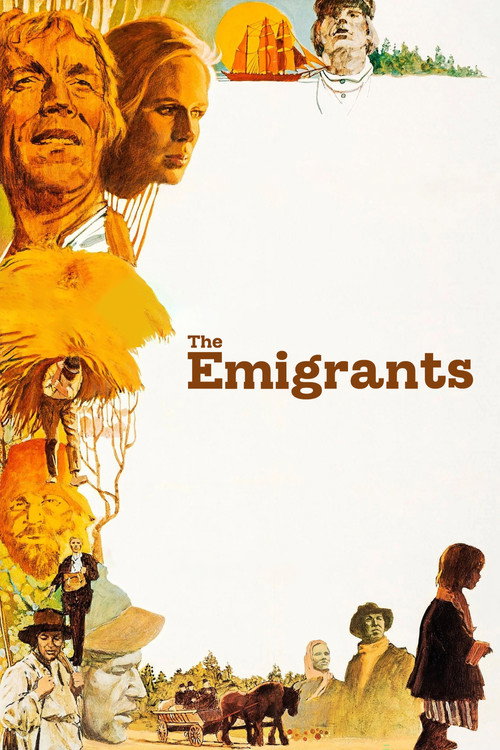
The Emigrants1971
Both films understand that historical trauma and personal kindness coexist in ordinary life, and both trust the viewer to hold both truths at once without resolving the tension.
Jan Troell's four-hour epic about Swedish peasants emigrating to America. Like The Two of Us, it's a portrait of displacement and belonging, showing how people carry their prejudices and humanity alike across borders.
But Demanding length, slow-burn pacing, and a visual style that can feel austere. You have to surrender to its rhythm or you'll chafe against it.
People
Cast
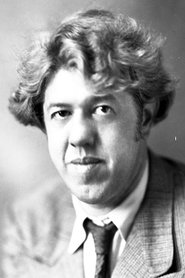 Michel SimonPépé
 Alain CohenClaude
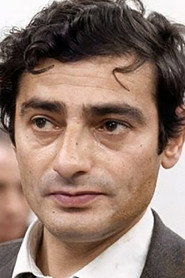 Charles DennerClaude's Father
 Luce FabioleMémé
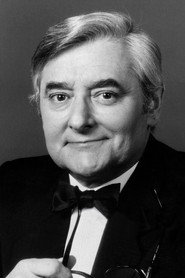 Roger CarelVictor
 Paul PréboistMaxime
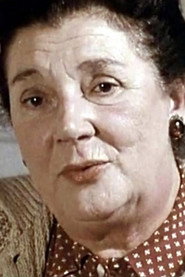 Aline BertrandRaymonde
 Sylvine DelannoySuzanne
 Marco Perrinle curé
Directing
- Philippe GarrelAssistant Director
- Claude BerriDirector
Writing
- Claude BerriWriter
Production
- Jean DarveyProduction Director
Recommended by
Dolores, At the Heart of Gold: Inside the USA Gymnastics Scandal, He Named Me Malala, Kids for Cash, A Time for Burning, Hacking Democracy, Pakistan's Hidden Shame, A Class Divided