
Film
He Named Me Malala
Davis Guggenheim's intimate documentary follows Malala Yousafzai and her family before and after the Taliban shooting that nearly killed her. Filmed partly in Pakistan and partly in her new Birmingham home, it's a portrait of a girl becoming a global advocate, but also simply a girl—caught between two worlds, between her father's dreams and her own. Essential and deeply human.
Should you watch it?
Watch it if you want a documentary that lets its subject tell her own story, with her father and family filling in the rest, and you don't mind a film that is warm and personal rather than rigorously investigative.
Skip it if you want a sharp, outside-looking-in account of the Taliban or Pakistani politics; this stays close to one family's perspective and leans toward admiration rather than critical distance.
What it asks of you: Under ninety minutes, mostly talking heads and home footage, with a steady pace that gives the family room to speak and asks you to listen more than to be dazzled by the filmmaking.
Not sure? Find tonight's pick in a minute.
If you liked this
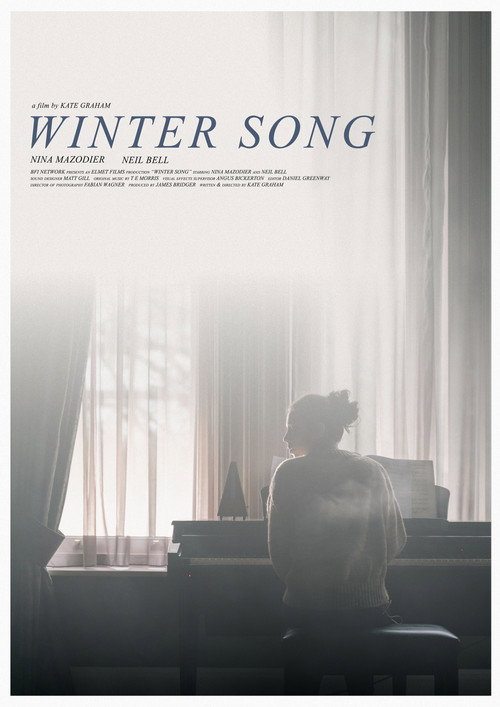
Winter Song2023
Another documentary about a young activist finding their voice amid displacement and loss. It follows a refugee musician building a new life in Europe with tender, unsentimental attention to the small daily rebellions that matter.
But Slower-paced and quieter than you might expect. It resists drama in favour of observation, which some will find meditative and others just slow.
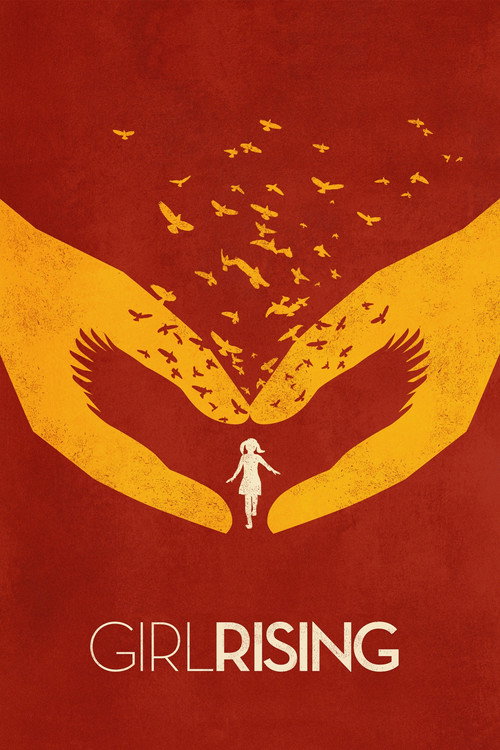
Girl Rising2013
Nine stories of girls fighting for education across the globe. Like Malala, it's about the courage required to simply go to school, but it spreads its focus wide and finds both gravity and humour in each story.
But Anthology structure means some stories land harder than others. The uplifting tone can feel thin when discussing real obstacles and real harm.
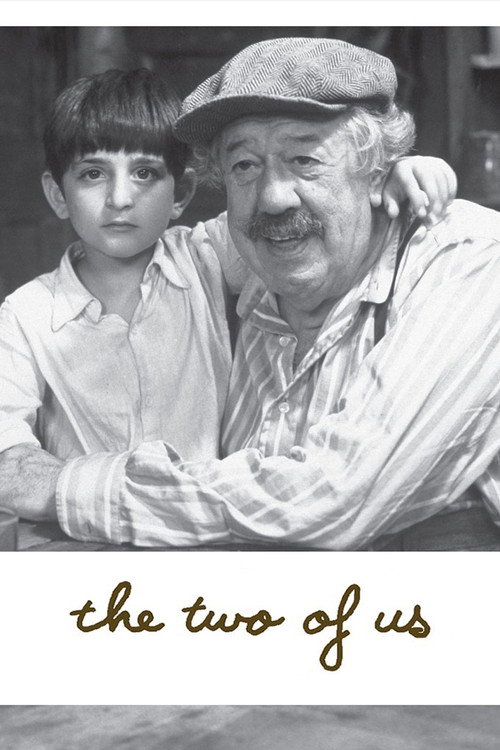
The Two of Us1967
Vera Farmiga in a narrative (not documentary) about a grandmother and granddaughter finding common ground across ideology and generation. Explores family bonds without letting anyone off the hook, including your heroes.
But Slower and more domestic than you might want. It's a chamber piece about conversation, not action. Some will find it precious rather than profound.
Not sure tonight? Get a pick in a minute, starting from He Named Me Malala
The wildcard
Something you would not have found on your own.
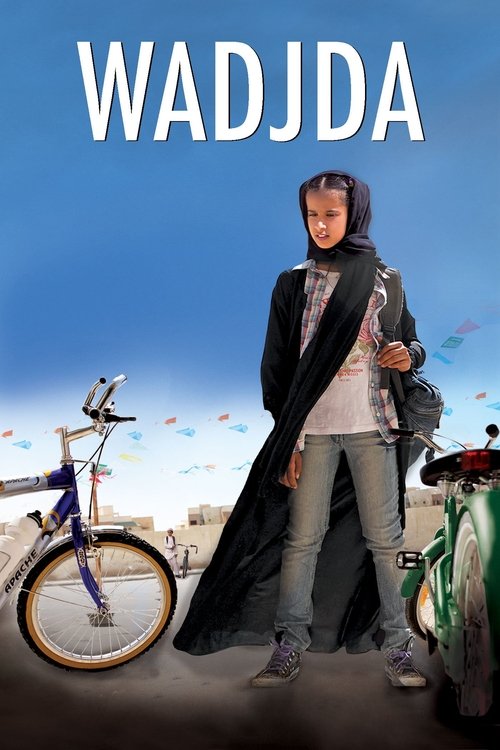
Wadjda2012
Both are stories of girls in conservative Muslim contexts fighting for the right to ordinary things—school, bikes, agency. Wadjda refuses the martyr narrative; it insists on the mundane dignity of small rebellions.
A Saudi girl fights to ride a bicycle in a country that says she shouldn't. It's a narrative feature—shot with colour and wit—about resistance as everyday stubbornness. Same stakes as Malala, utterly different register: it's funny, sometimes absurd, never preached.
But Directed by Haifa Al-Mansour, made entirely in Saudi Arabia under strict conditions, which means some Western viewers may feel the story is being told at them rather than for them. Also: a girl wants a bike. The modesty of the premise can undercut its radicalism.
More like this (5)
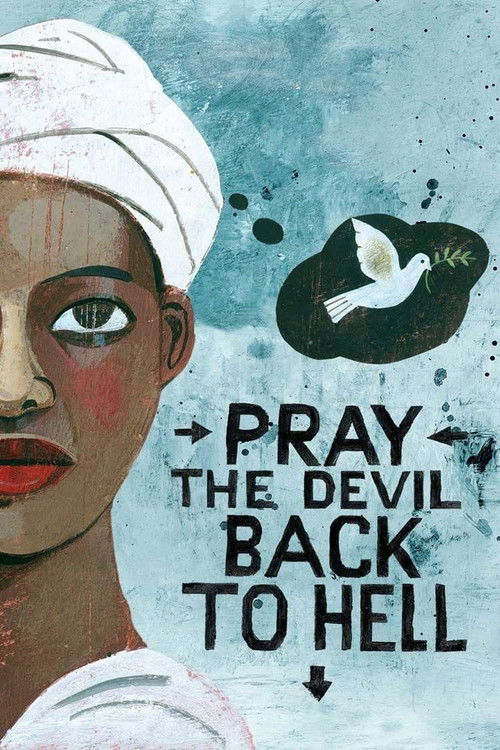
Pray the Devil Back to Hell2008
Women peace activists in Liberia fighting to end a brutal civil war. Like Malala, it's about using your voice when silence is safer, told with both rage and intimacy about what that costs.
But The violence discussed is severe and real. This isn't a comfort watch; it asks you to sit with difficult history and difficult choices.
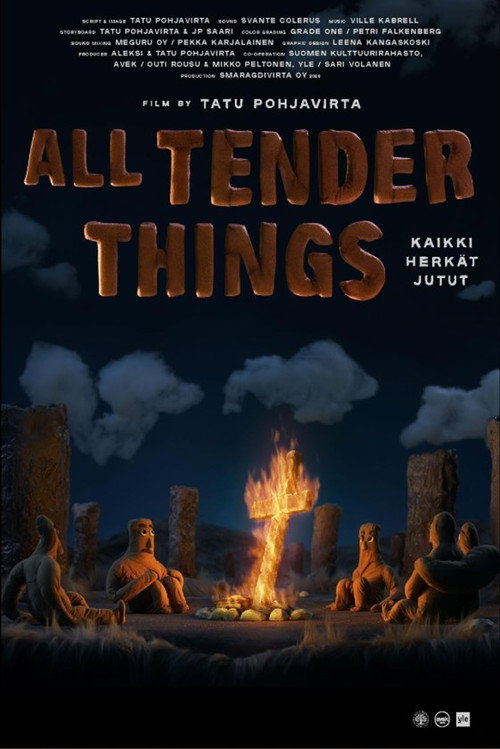
All Tender Things2020
Three young artists from the global south share their work and lives. It's about creativity as resistance, about finding beauty in precarity, and about what art can do that protest alone cannot.
But Experimental in form and sometimes opaque in purpose. You may feel like you're watching something you haven't quite grasped.
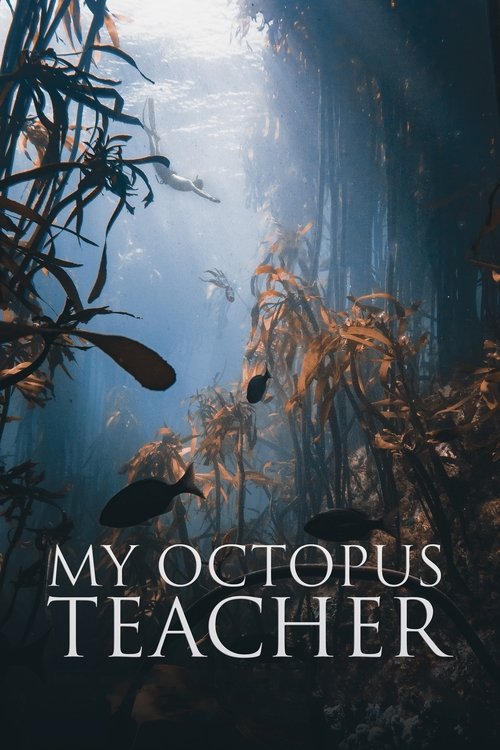
My Octopus Teacher2020
A filmmaker follows an octopus over a year, learning patience and observation. It's a different kind of growing up—about becoming something other than you were through attention and humility.
But If you came for activism and social justice, this is a hard left turn into nature. The metaphorical resonance won't work for everyone.
The Trap2015
Malala's story is individual and personal. Curtis's film is the opposite—it's about how individuals get crushed by systems, how power works through abstraction and fear. Together they ask: how do you stay human inside these machines?
Adam Curtis's wild, maximalist essay-film about power, control, and how individualism became a trap. It's about systems and ideology rather than individuals, but it explains the world Malala is up against—the why behind the Taliban's logic.
But Formally chaotic and demanding. Curtis uses rapid-fire archival footage, tangential arguments, and no linear narrative. Some find it visionary; others find it exhausting and paranoid.
Pather Panchali1955
Both are stories about young people in South Asia finding agency and voice inside harsh circumstances. Pather Panchali is quieter and older, asking how you become yourself in poverty; Malala is louder and newer, asking how you become yourself despite violence. Both say: childhood under pressure is still childhood, and it still matters.
Satyajit Ray's debut: a Bengali family in poverty, a girl and boy growing up in hardship with grace and curiosity. Shot in grey-scale, every frame alive. It's about survival and dignity and what persists even when things are terrible.
But 1955, in Bengali, in black and white, with a slow accumulative style. It will feel remote and slow to anyone raised on contemporary cutting. It asks for patience that not everyone has.

People
Cast
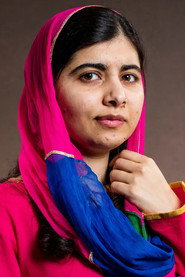 Malala YousafzaiSelf
- Atal YousafzaiSelf
- Mobin KhanER Doctor (uncredited)
Directing
- Davis GuggenheimDirector
Production
- David DilibertoAssociate Producer
- Dixie Webster-DavisCasting
- Shannon DillExecutive Producer
- Davis GuggenheimProducer
- Laurie MacDonaldProducer
- Walter F. ParkesProducer