
Film
Waiting for "Superman"
Davis Guggenheim turns his Inconvenient Truth eye on American public education, following five kids and their parents through the agonizing lottery for spots in high-performing charter schools. It's a data-heavy, heart-in-throat advocacy film — you know exactly which side it's on — that makes bureaucratic failure feel almost unbearably personal. Best for anyone who wants outrage paired with real stakes, not nuance.
If you liked this
An Inconvenient Truth2006no page yet
Guggenheim's earlier crusade, using the same slideshow-meets-conscience structure he'd later bring to schools — proof he'd already found the format for turning a policy crisis into a personal wake-up call.
But The science and politics have aged into a strange time capsule, and Gore's lecture-hall delivery feels stiff next to Superman's human faces.
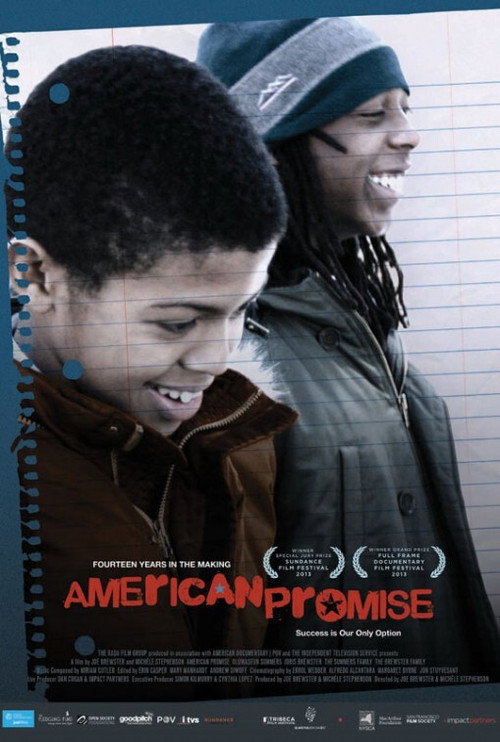
American Promise2013
Two families filmed their sons from kindergarten through high school graduation at an elite private school, and the accumulated years give you the exhaustion and small victories Superman's compressed timeline can only gesture at.
But Thirteen years of home footage means a long, occasionally meandering runtime; patience is required.
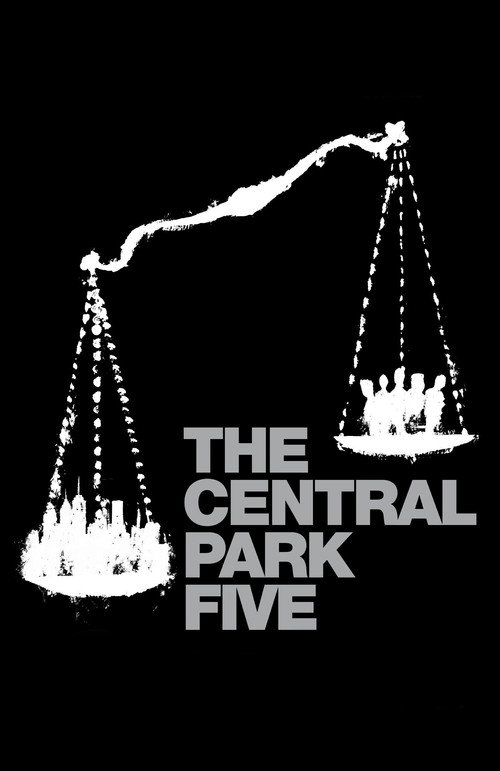
The Central Park Five2012
Ken Burns aims the same righteous-anger machinery at a wrongful conviction instead of a classroom, showing how thoroughly American institutions can fail children when nobody's watching.
But It's angrier and grimmer, with no charter-school hope at the end — just injustice sitting there, unresolved.
The wildcard
Something you would not have found on your own.
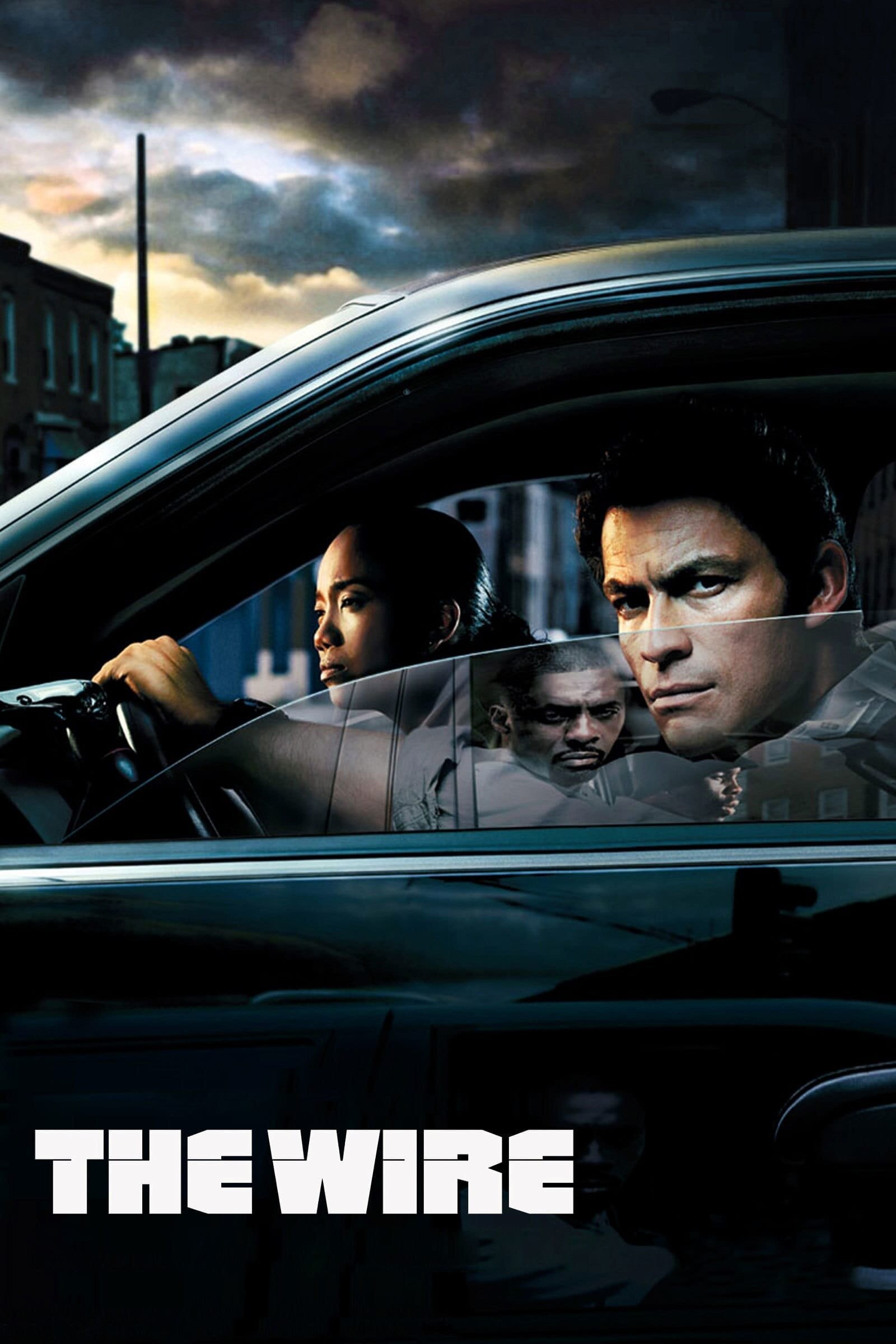
The Wire2002
Both dramatize how American public schools fail poor kids through systemic rot rather than individual villainy; Season 4 spends its entire run inside a Baltimore middle school showing the exact bureaucratic machinery Superman indicts, but rendered as devastating fiction instead of advocacy documentary.
Considered by many the greatest single season of television ever made, it puts you inside the classroom and the corner at once, showing how the system Superman rages against actually eats a child alive in real time.
But It's fiction, thirteen hours long, and utterly devastating, with none of Superman's redemptive lottery-ticket hope — go in braced.
More like this (8)
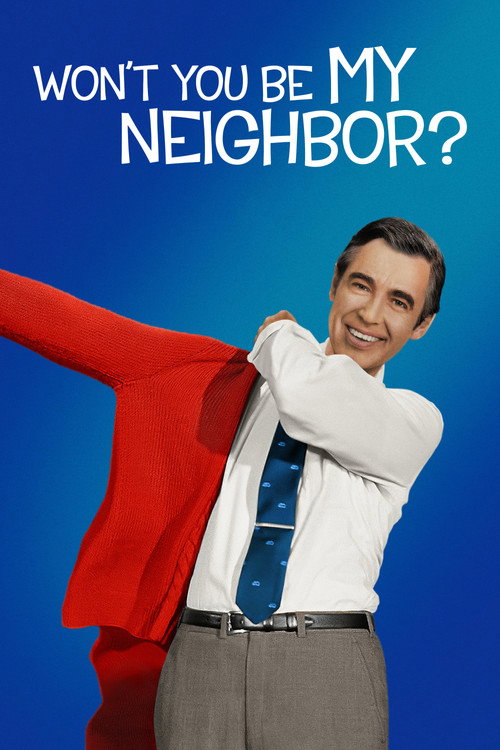
Won't You Be My Neighbor?2018
If Superman leaves you wrung out about what children need, this is the balm — Fred Rogers building an entire show on the radical idea that kids deserve to be taken seriously.
But Gentler and slower moving, more meditation than argument — if you want another fight, this isn't it.
He Named Me Malala2015no page yet
Guggenheim again, this time abroad — the fight for one girl's right to go to school becomes global instead of domestic, same eye for turning policy into personal stakes.
But The hagiographic tone is even more pronounced than in Superman, with less room for messy institutional detail.
Backpack Full of Cash2016no page yet
Made as a direct rebuttal to films like this one, arguing charter schools drain public ones rather than saving them — watch it back to back with Superman for the fight you didn't know you were missing.
But It's a polemic answering a polemic, so you're trading one certainty for its mirror image, not for balance.
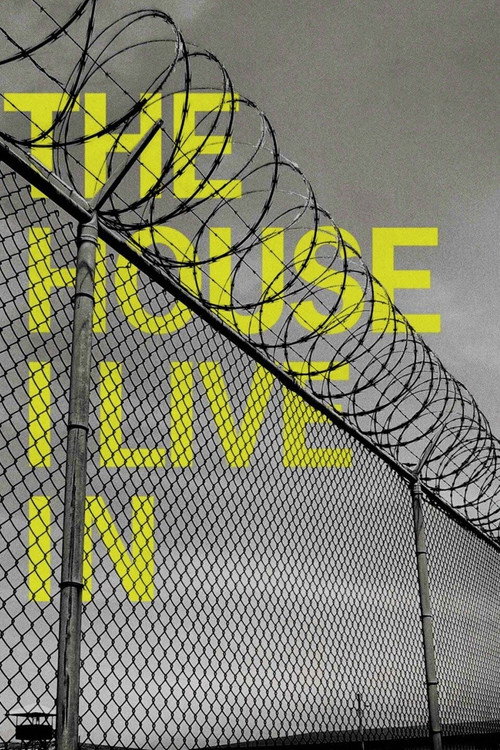
The House I Live In2012
Eugene Jarecki applies the same 'individual stories reveal systemic rot' structure to the War on Drugs, another American institution that swallows kids whole while insisting it's helping them.
But Bleaker, with almost no uplifting note to land on — a much harder watch overall.
Inequality for All2013no page yet
Robert Reich walks you through the economics under everything Superman is angry about — the wage stagnation and wealth gap that make a good school feel like a lottery ticket to begin with.
But It's essentially a lecture, heavy on charts and a single talking head rather than intimate family stories.
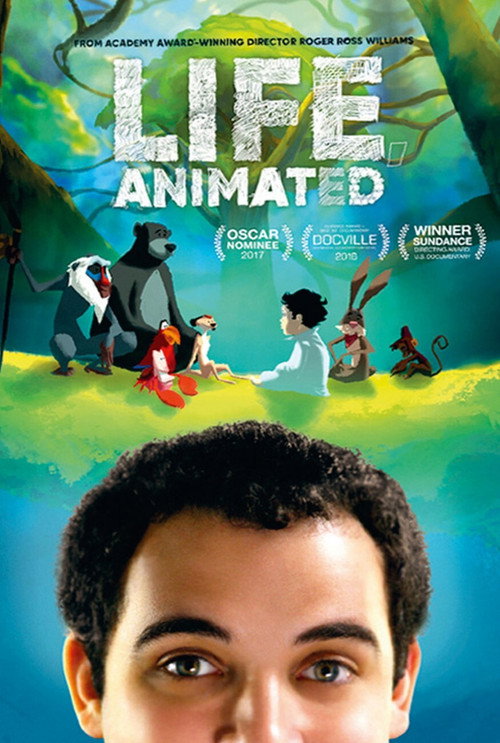
Life, Animated2016
Guggenheim's quietest film, using Disney movies to tell the story of a boy with autism finding his voice — proof he can do tender as well as urgent.
But Barely resembles Superman in tone or stakes; a lovely detour, not really a companion piece.
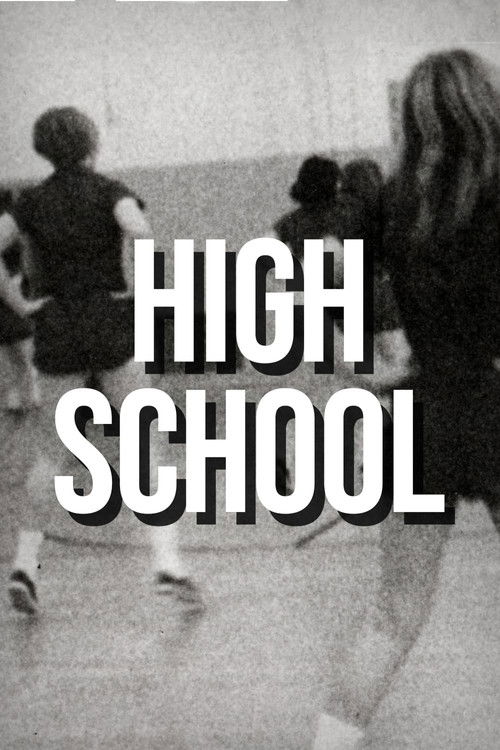
High School1969
Frederick Wiseman filmed the same crisis Guggenheim would rage about decades later, but with zero narration and zero talking heads — watching it shows you how little the underlying machinery has changed, and how radical it was to simply watch instead of argue.
Pure observation, no voiceover, no charts — just a camera in the hallways and classrooms of a 1968 Philadelphia school, letting the institution indict itself in real time.
But Slow, silent-feeling, and analog in every sense; if you need a thesis stated aloud, this won't give you one.
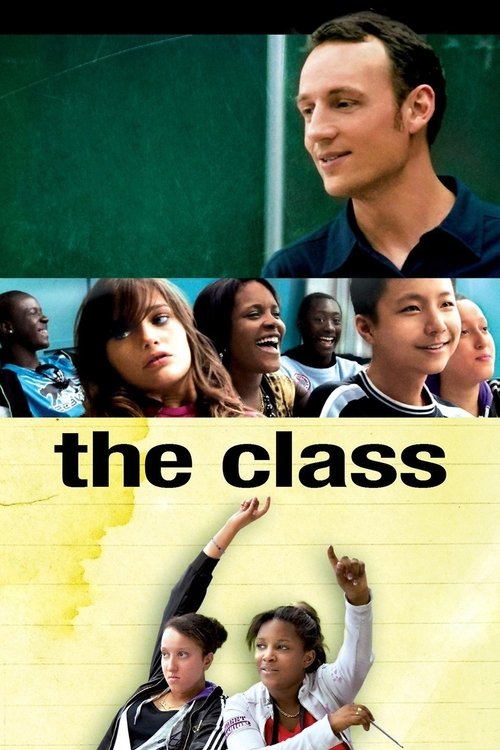
The Class2008
A French drama shot like a documentary, following one Parisian teacher through a school year with no villain and no lottery-ticket ending — it quietly argues against the very idea that any single fix, charter or otherwise, could resolve what happens in a room full of teenagers.
Unscripted-feeling performances from real students make this the most convincing classroom ever put on film, and it resists every easy answer Superman reaches for.
But Subtitled, plotless by American standards, and deliberately unresolved — there's no villain to blame and no triumph to cheer.
People
Cast
- Charles AdamsSelf
 Jonathan AlterSelf
- Geoffrey CanadaSelf
- Celeste BellSelf
Directing
- Davis GuggenheimDirector
Writing
- Billy KimballWriter
- Davis GuggenheimWriter
Recommended by
Abbott Elementary, To Be and to Have, Assassination Classroom, High School, American Promise, Lean On Me