
Film
Inequality for All
Robert Reich makes his case for why American inequality matters—not as abstract economics, but as a threat to the system itself. Part argument, part memoir, entirely earnest. It's the documentary equivalent of a really smart friend finally sitting you down to explain something they've been thinking about for thirty years.
Should you watch it?
Watch it if you like economics explained through a warm, chalkboard-and-anecdote lecture, and enjoy a politician's personal history braided into a policy argument.
Skip it if you want a rigorous, neutral survey of the debate; this is an advocate making his case, with jokes and clip-reel montages, and it leans heavily on one man's voice.
What it asks of you: Mostly a single talking head at a whiteboard, brisk at just under ninety minutes, with light sections of archive clips and a fair amount of simple arithmetic to follow.
Not sure? Find tonight's pick in a minute.
If you liked this
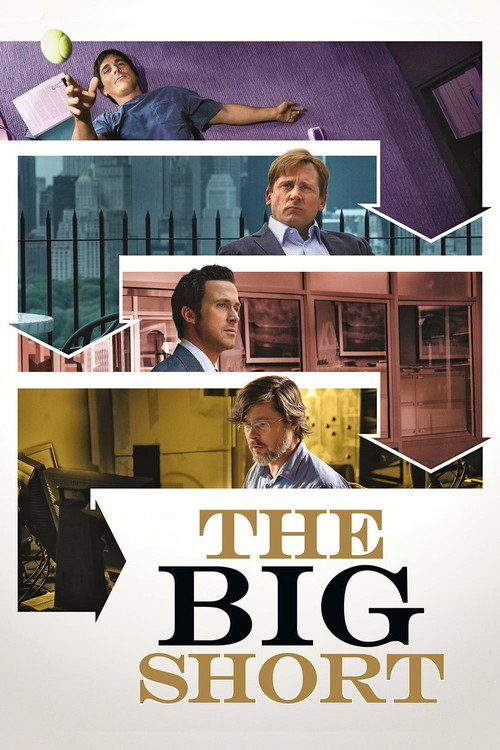
The Big Short2015
Adam McKay's darkly comic dissection of financial crisis and systemic greed. It has the same urgent desire to make you understand how the economy actually works, but filtered through anger and style.
But Relentlessly cynical and exhausting. By design. If you want hope, this isn't the film.
Nomadland2021
The human cost of inequality, told through real people in precarious circumstances. It trusts you to feel the damage without spelling it out. Quiet and devastating where Reich is direct.
But No villains, no easy answers. Some find that passivity unbearable. And it's slow.

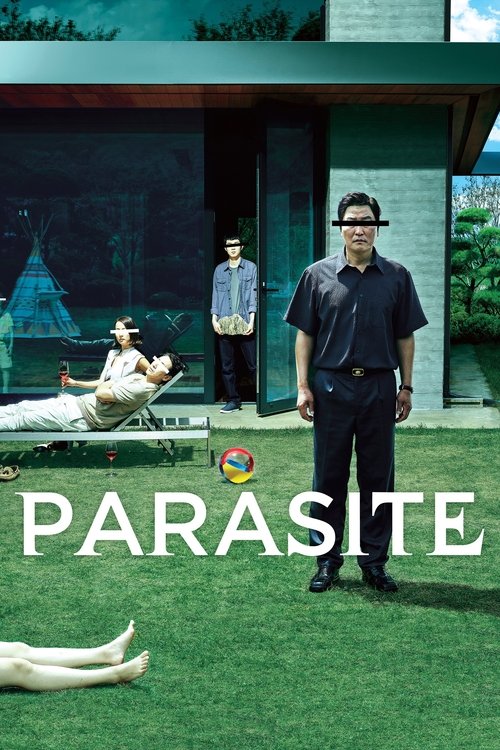
Parasite2019
Class anxiety as thriller. Bong Joon-ho uses genre storytelling to show what inequality feels like viscerally—the small humiliations, the smell of someone else's apartment, the cost of proximity.
But It's a genre film first. If you want a documentary argument, this trades that for something much weirder and darker.
Not sure tonight? Get a pick in a minute, starting from Inequality for All
The wildcard
Something you would not have found on your own.
Synecdoche, New York2008
Both understand that inequality isn't just an economic problem—it's a psychological and spiritual one. Kaufman shows what living inside it feels like; Reich explains why it happened.
Charlie Kaufman's labyrinth about ambition, scale, and the cost of creating meaning in late capitalism. It captures the psychological weight of inequality—the pressure, the desperation, the collapse—without ever naming the system. Mesmerizing and broken.
But Genuinely difficult. Three hours, wilfully confusing, and the ending is its own kind of catastrophe. Some people find it pretentious. Some people find it true. You'll know which you are by the end.

More like this (7)
The Profit2013
Marcus Lemonis enters struggling small businesses to fix them. It's partly reality TV, partly a master class in why scale and capital matter. You see systems working in real time.
But Lemonis himself is charismatic in a way that can feel like a salve rather than a diagnosis. And it's optimistic, sometimes smugly so.
Spotlight2015
Journalists uncovering institutional corruption. It shows how systems protect themselves and how hard truth is to extract. The same story Reich's telling, different scaffolding.
But A procedural. If you want argument, you get narrative instead. Slower burn for some.

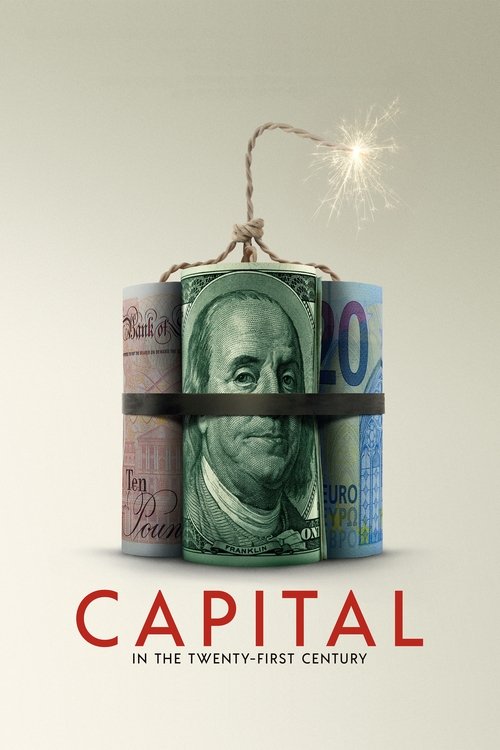
Capital in the Twenty-First Century2019
Justin Pemberton visualizes Piketty's dense work on wealth concentration across centuries. Beautiful design work in service of a genuinely important idea.
But Still grappling with complex economics. Being a beautiful film doesn't make it easy to parse if math bores you.
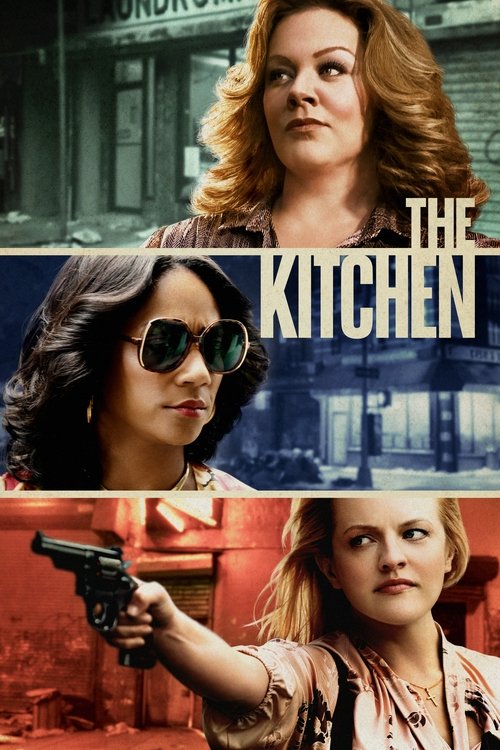
The Kitchen2019
Three women from organized crime families step in when their husbands go to prison. It's about power, survival, and what happens when the system fails you and you stop waiting for permission.
But Crime thriller, not polemic. If you want intellectual argument, you're watching a different movie.
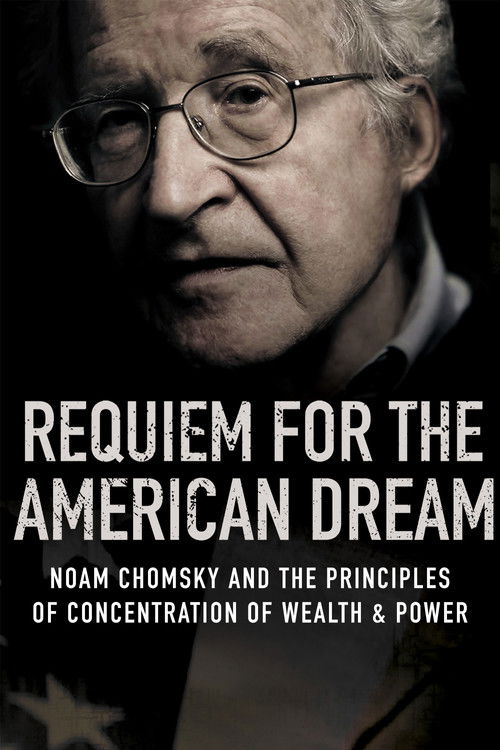
Requiem for the American Dream2015
Noam Chomsky on how power consolidates. Different voice than Reich—harsher, more pessimistic—but obsessed with the same problem. Intellectually rigorous and genuinely unsettling.
But Chomsky. If his politics irritate you, this will too. Not conciliatory in any direction.
My Octopus Teacher2020
Both ask: what are we losing by treating everything as a resource to be consumed? One uses economics; one uses an octopus.
A diver observes an octopus in the wild for a year. Sounds mystical; it's actually about attention, value, and what we destroy by taking. A meditation on systems and connection that lands harder than you'd expect.
But Metaphorical where Reich is literal. If you want argument, this is a prayer. Sounds gentle until you realize what it's saying about extraction.

Memories of Murder2003
Like Reich, it asks who pays when systems fail. But instead of data, you're watching it happen to a real girl's family across two hours. Same anger, different register.
Bong Joon-ho's masterpiece about a serial killer hunt in 1980s South Korea. Bleak, beautiful, furious. It's about power, institutional failure, and how systems protect themselves while ordinary people suffer. Cinema as argument.
But Slow-burn South Korean thriller. Subtitled. The answer it arrives at is dark and it doesn't soften the landing. Some find that unbearable; others call it honest.

People
Cast
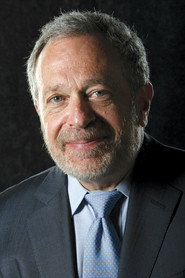 Robert ReichSelf
 Dolly PartonDoralee Rhodes (archive footage)
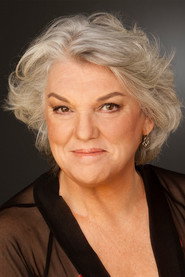 Tyne DalyMary Beth Lacey (archive footage)
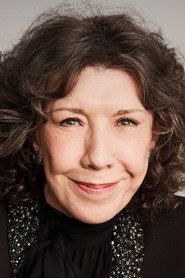 Lily TomlinViolet Newstead (archive footage)
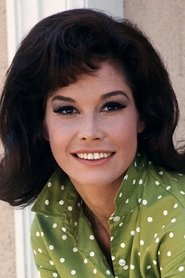 Mary Tyler MooreMary Richards (archive footage)
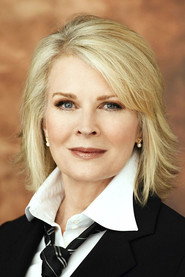 Candice BergenMurphy Brown (archive footage)
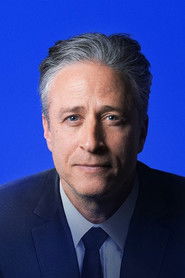 Jon StewartSelf (archive footage)
 Sharon GlessChristine Cagney (archive footage)
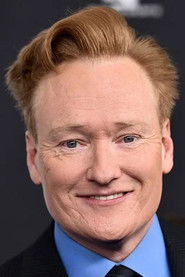 Conan O'BrienSelf (archive footage)
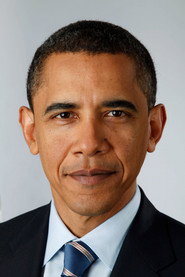 Barack ObamaSelf (archive footage)
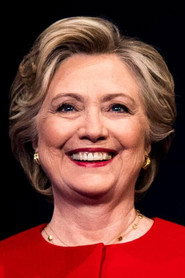 Hillary ClintonSelf (archive footage)
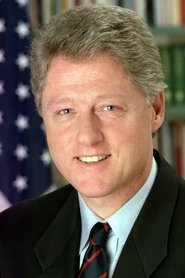 Bill ClintonSelf (archive footage)
Directing
- Jacob KornbluthDirector
Production
- Sebastian DunganProducer
Recommended by
Elysium, Waiting for "Superman", Abacus: Small Enough to Jail, The Last Truck: Closing of a GM Plant, She's Beautiful When She's Angry, Capital in the Twenty-First Century, The One Percent, Wal-Mart: The High Cost of Low Price