
Film
The One Percent
Jamie Johnson's follow-up to Born Rich widens the lens from his own rarefied world to examine how America's wealthiest one percent accumulated and maintain their fortunes. It's a accessible, sometimes uncomfortable primer on inequality that doesn't pretend to have answers—just questions. For people curious about how money actually works at the top.
If you liked this
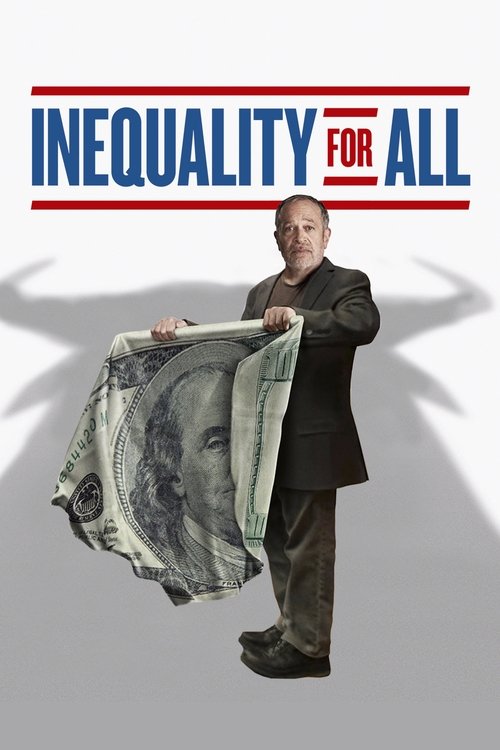
Inequality for All2013
Robert Reich's charismatic examination of how wealth concentration reshapes opportunity and democracy. Clear-eyed without being preachy, grounded in actual data rather than just interviews with the very rich.
But The tone is deliberately didactic. If you want to feel rather than think, this will frustrate you.
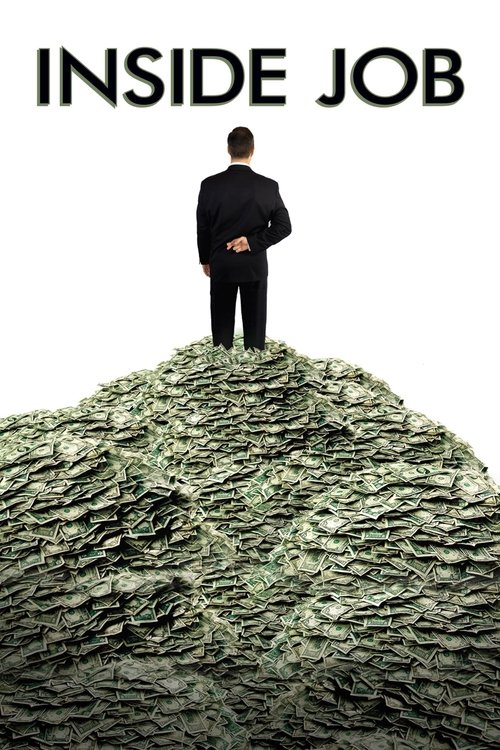
Inside Job2010
Charles Ferguson's Oscar-winning investigation into the 2008 financial crisis. Shows how the wealthy engineer systems to protect themselves. Fury beneath every frame, but the reporting is meticulous.
But Much angrier and darker. If The One Percent felt conversational, this feels like an accusation.
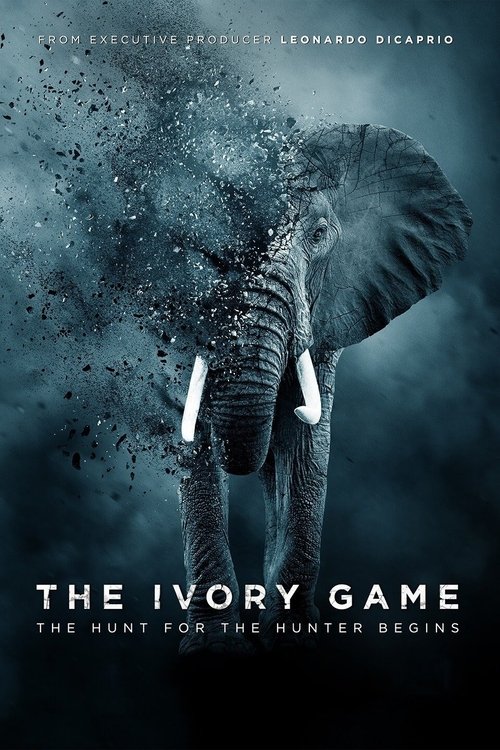
The Ivory Game2016
Rich Laird and Kief Davidson document the fight against elephant poaching. It sounds unrelated until you realize it's about the same infrastructure of privilege that The One Percent examines—who gets to exploit, who gets to protect.
But Shifts focus away from economics entirely. Some viewers will feel the connection is forced.
Not sure tonight? Get a pick in a minute, starting from The One Percent
The wildcard
Something you would not have found on your own.
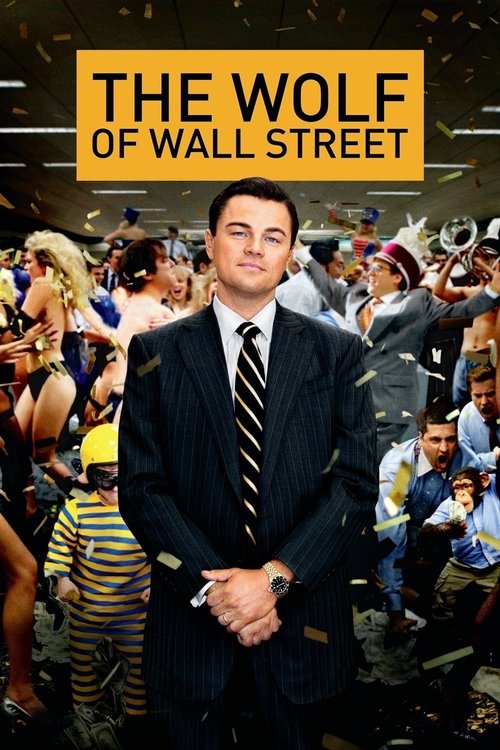
The Wolf of Wall Street2013
Both show the mindset of the ultra-wealthy, but Scorsese makes you *feel* it from inside while Johnson observes from outside.
Martin Scorsese lets us inhabit the perspective of someone at the absolute top of the money hierarchy—not to admire, but to understand how intoxicating power and wealth become. The inverse of The One Percent's detached observation: immersion instead of analysis.
But Exuberantly amoral for three hours. If you watch it as celebration rather than critique, you've missed it entirely.
More like this (5)
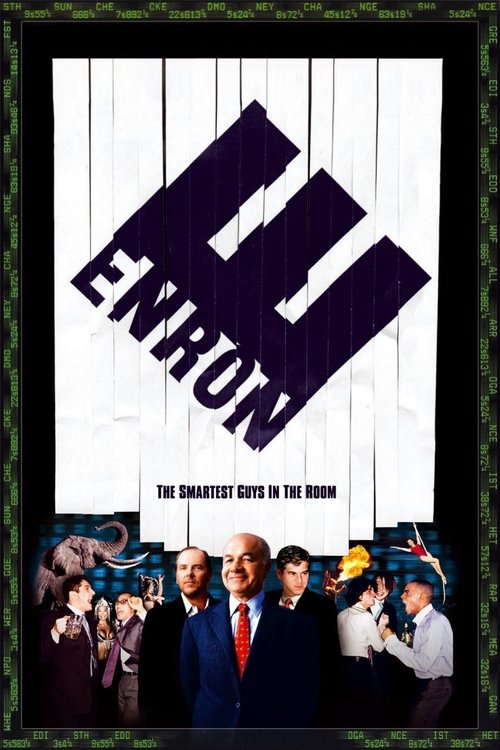
Enron: The Smartest Guys in the Room2005
Alex Gibney's portrait of corporate implosion. A tighter, more dramatic case study of how wealth and power corrupt in real time. You see the mechanics Johnson describes.
But Fifteen years old and very focused on one company. Feels like a specific scandal rather than a systemic one.
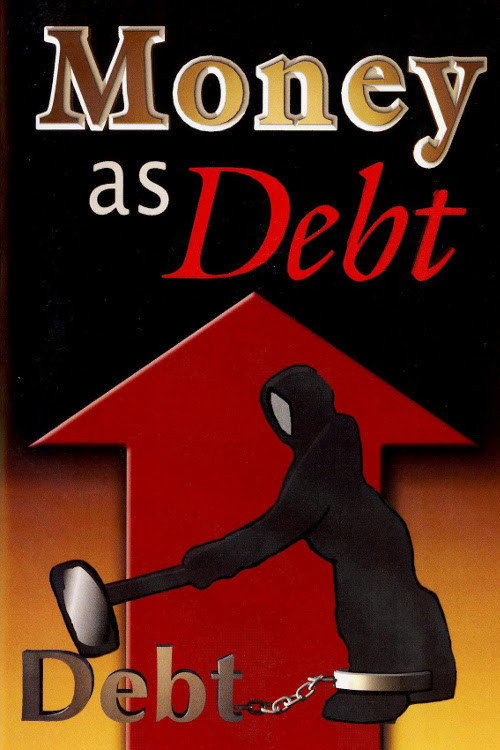
Money as Debt2006
Paul Grignon's animated explainer about how money and credit actually work. Complements The One Percent perfectly—if you want to understand the machinery beneath inequality, start here.
But Deliberately technical and somewhat conspiratorial in tone. Not entertaining, just educational.
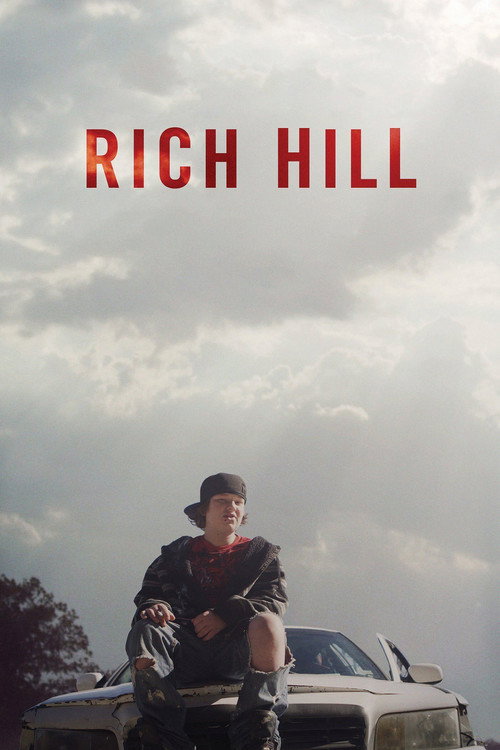
Rich Hill2014
Andrew Droz Palermo's documentary about poor teenagers in rural Missouri. The inverse of The One Percent—what life looks like at the bottom of the wealth divide. Devastating without ever saying so.
But Heartbreaking throughout. This is not a comfortable watch.
Minari2021
The inverse of The One Percent's question: not how the wealthy accumulate, but how the working class tries to create capital from nothing.
Lee Isaac Chung's film about a Korean-American family trying to build a farm business in Arkansas. It's about the American dream and who gets access to it—less about inequality than about the hope that precedes understanding how rigged the game is.
But A narrative drama rather than a documentary. Some viewers expect data and argument, not story.

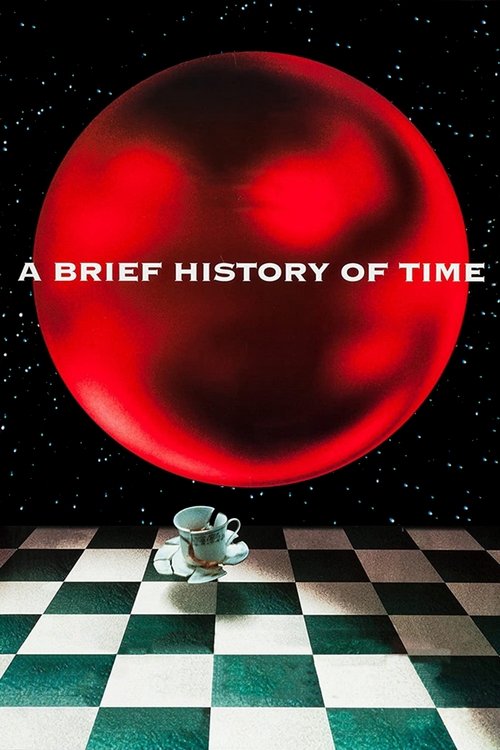
A Brief History of Time1991
Both use documentary form to make invisible systems visible—Morris through cosmology, Johnson through economics.
Errol Morris's film about Stephen Hawking feels disconnected until you realize both are about systems of power and knowledge—one scientific, one economic. Morris makes abstract concepts visceral through patient, humane observation.
But Ostensibly about physics. Takes tremendous patience and offers no comfort.
People
Cast
- Nicole BuffetSelf
- Chuck CollinsSelf
- Steve ForbesSelf
- Cody FranchettiSelf
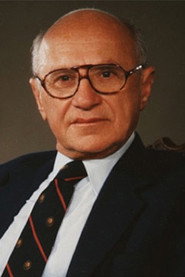 Milton FriedmanSelf
- Bill Gates Sr.Self
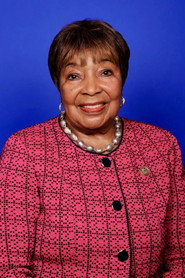
- Jamie JohnsonSelf
- Adnan KhashoggiSelf
- Kevin PhillipsSelf
Directing
- Jamie JohnsonDirector
Writing
- Nick KurzonWriter
Production
- Jamie JohnsonProducer
- Nick KurzonProducer