
Film
Capital in the Twenty-First Century
Justin Pemberton's adaptation of Piketty's landmark economics book traces how wealth concentration has shaped modern inequality. It's a documentary that moves like a thriller, layering data visualization, expert interviews, and historical context into something genuinely gripping. For anyone who feels the economy is rigged but wants the evidence spelled out clearly.
Should you watch it?
Watch it if you want a clear-eyed, talking-heads argument about money and inequality, the kind where a single big idea gets unpacked patiently with charts and historical examples until it clicks.
Skip it if you come for storytelling or visual flair, since this is essentially an academic lecture on screen, with economists and commentators speaking to the camera for most of its running time.
What it asks of you: Just under two hours of sustained listening and reading charts, with little narrative momentum; it rewards attention more than it pulls you along.
Not sure? Find tonight's pick in a minute.
If you liked this
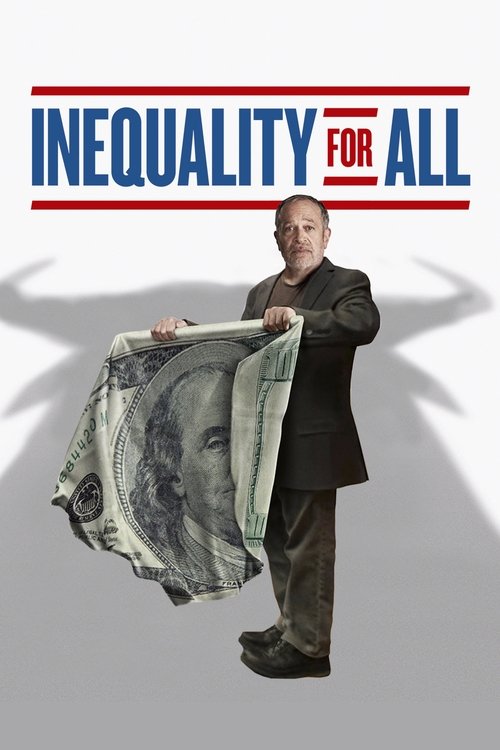
Inequality for All2013
Robert Reich's passionate argument about wealth inequality, presented with visual flair and accessible economics. Reich is an engaging presence and the film doesn't assume you have a background in economics.
But Slightly polemical where Piketty aims for data-driven. Reich's film is more activist than academic in tone.
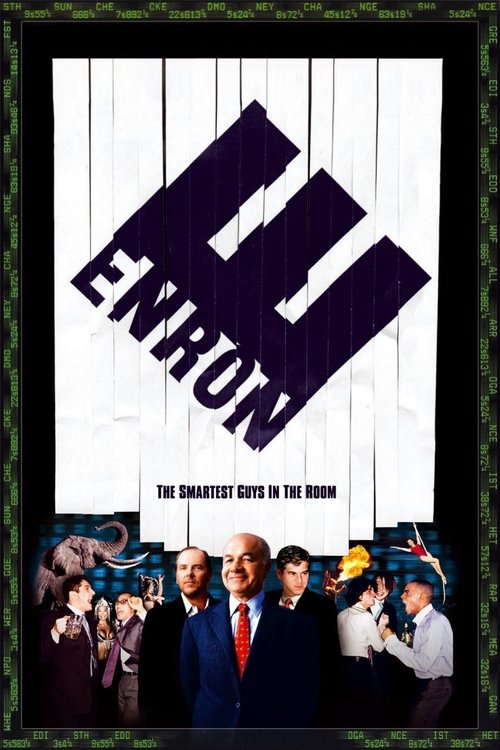
Enron: The Smartest Guys in the Room2005
Masterclass in how financial systems break. Shows the machinery of wealth extraction and corruption in a company that collapsed catastrophically. Visceral proof of why rules matter.
But Focuses on corporate malfeasance rather than structural inequality. More about individual villainy than systemic design.
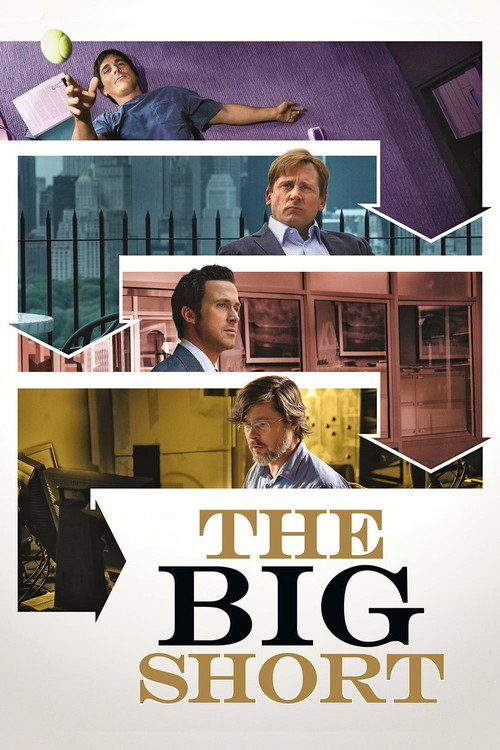
The Big Short2015
Stylish, angry film about the 2008 financial crisis and the wealth concentration it enabled. Uses humor and narrative tricks to make complex mortgage derivatives actually comprehensible and infuriating.
But Very American in focus. The style—fourth-wall breaks, pop songs—might feel gimmicky if you prefer a plainer approach to serious subjects.
Not sure tonight? Get a pick in a minute, starting from Capital in the Twenty-First Century
The wildcard
Something you would not have found on your own.
Synecdoche, New York2008
Both use nested systems and accumulated layers to show how large structures are built from smaller inequalities. Kaufman's warehouse-within-New York echoes Piketty's accumulation-upon-accumulation model of wealth concentration.
Charlie Kaufman's film about a theatre director creating a replica of New York inside a warehouse. Seems unrelated until you realize it's fundamentally about inequality, labor, and who gets to build the world. The scale of the metaphor mirrors Piketty's scope.
But Deliberately cryptic and emotionally exhausting. Requires active interpretation rather than explanation. Some find it pretentious or draining.

More like this (4)
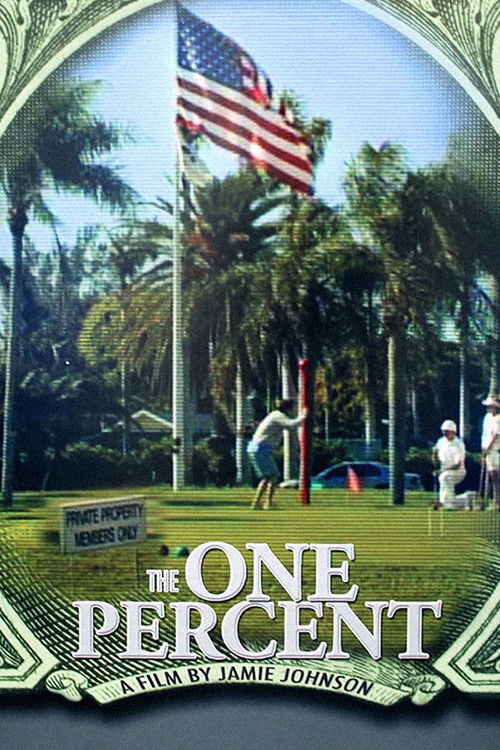
The One Percent2006
Jamie Johnson's personal exploration of what it means to be born into extreme wealth. Candid interviews with the ultra-wealthy offer insight into how the top lives. Humanizes the data.
But Very New York-centric. Johnson himself is from the family being examined, which colors the perspective toward sympathy.
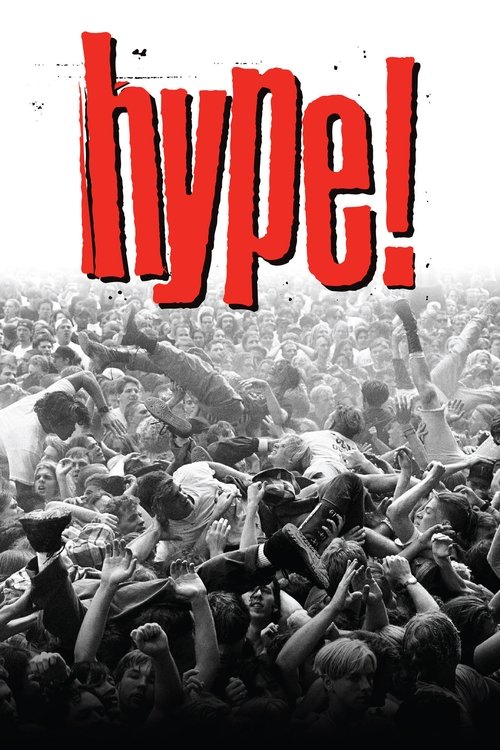
Hype!1996
Documentary about grunge and the music industry's machinery. Shows how cultural movements get packaged and monetized. Relevant to how capital shapes what we consume culturally.
But Seems unrelated to economics on the surface. You need to make the connection yourself between art and capital.
The Death of Louis XIV2016
Piketty traces inheritance and dynastic wealth back to the ancien régime. Serra's film watches a symbol of that world crumble in real time, showing the human cost of systems built on accumulated privilege.
French director Albert Serra's glacially paced film about a king's final days. Sounds irrelevant but is actually a meditation on inherited power, entitlement, and how systems of privilege sustain themselves even when individuals fail. Aesthetically radical.
But Glacially is not hyperbole. Nearly three hours of minimal plot. Requires tolerance for extreme slowness and ambiguity about what you're watching.

Koyaanisqatsi1983
Where Piketty shows you the numbers of accumulation, Koyaanisqatsi shows you its visual and existential weight. Same concern, different language.
Godfrey Reggio's film has no dialogue or traditional narrative—just hypnotic imagery of landscapes and cities, set to Philip Glass. It's a visual argument about scale, accumulation, and systems overwhelming human meaning. Prophetic about what unchecked growth looks like.
But Completely abstract. Some viewers find it beautiful and meditative; others find it incomprehensible or self-indulgent. Demands patience.

People
Cast
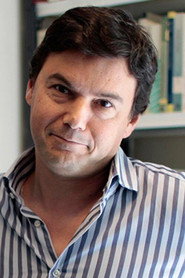 Thomas PikettySelf - Author
 Ian BremmerSelf
- Lucas ChancelSelf
- Bryce EdwardsSelf
- Rana ForooharSelf
 Francis FukuyamaSelf
- Simon JohnsonSelf
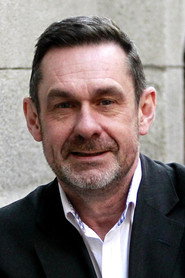 Paul MasonSelf
 Faiza ShaheenSelf
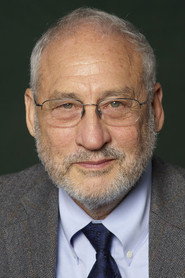 Joseph StiglitzSelf
 Gillian TettSelf
- Suresh NaiduSelf
Directing
- Justin PembertonDirector
Writing
- Justin PembertonAdaptation
- Matthew MetcalfeAdaptation
- Thomas PikettyAdaptation
- Thomas PikettyNovel
Production
- Johan de FariaAssociate Producer
- Catherine MadiganCo-Producer
- Donna PearmanLine Producer
- Gilles WalgerLine Producer
- Matthew MetcalfeProducer
- Yann Le PradoProducer