
Film
Money as Debt
An animated explainer that walks you through how modern money actually works—how banks create it, how debt fuels the system, where interest comes from. Paul Grignon draws out the mechanics with clarity and a touch of dark humour. It's for anyone who's felt vaguely confused by finance and wants the skeleton key. Forty-seven minutes, no jargon required.
If you liked this
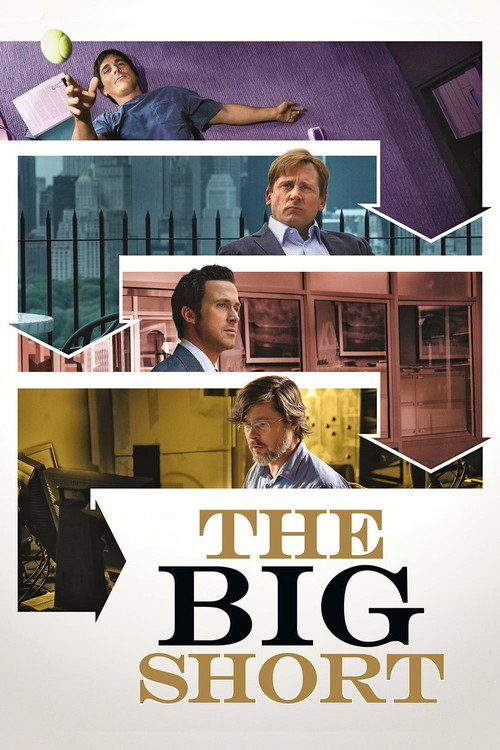
The Big Short2015
Takes the same financial system and shows you what happens when it breaks. Fast-paced, furious, and genuinely entertaining—it makes the abstract concrete by following real people profiting from catastrophe.
But Stops short of systemic critique; it's more about individual villainy and personal triumph than structural change.
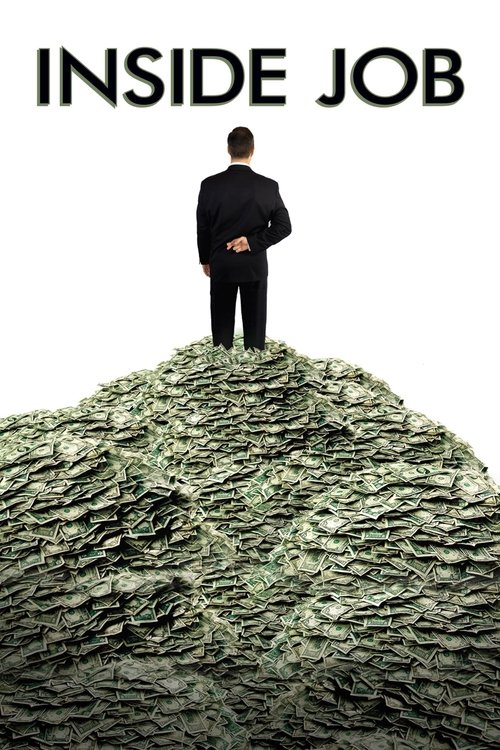
Inside Job2010
Journalistic deep dive into the 2008 financial crisis. Names names, traces the rot from universities to regulators to trading floors. Builds on the mechanics you've learned and shows the human corruption underneath.
But Angry and heavy. No animation, no lightness. Watching it feels like work, and it ends without resolution.
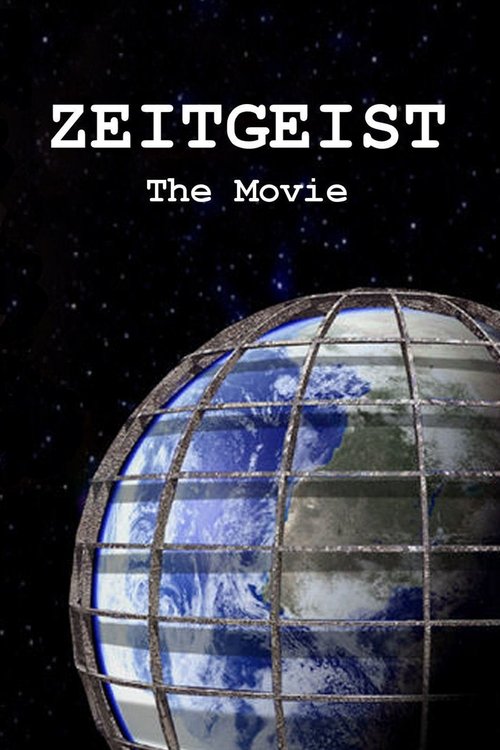
Zeitgeist: The Movie2007
Released a year after Money as Debt, it covers similar terrain about debt and money creation, then spirals into broader conspiracy thinking. Genuinely compelling even when it overreaches.
But Conflates legitimate critique with fringe theories. Veers into territory that doesn't hold up. Worth watching as a document of its moment.
Not sure tonight? Get a pick in a minute, starting from Money as Debt
The wildcard
Something you would not have found on your own.
Synecdoche, New York2008
Both examine the distance between the map and the territory—how abstraction shapes what we think is real. Money as Debt shows you the system; this feels what it costs.
A theatre director starts building a replica of New York inside a warehouse, then can't stop. Sounds abstract, feels devastating. It's about representation, scale, debt, obsession, and the difference between what something is worth and what we owe for it. Charlie Kaufman made a film about money as metaphor.
But Deeply bleak and resistant to plot. Some find it pretentious. At 124 minutes it earns every bit of its length, but that's not for everyone.

More like this (4)
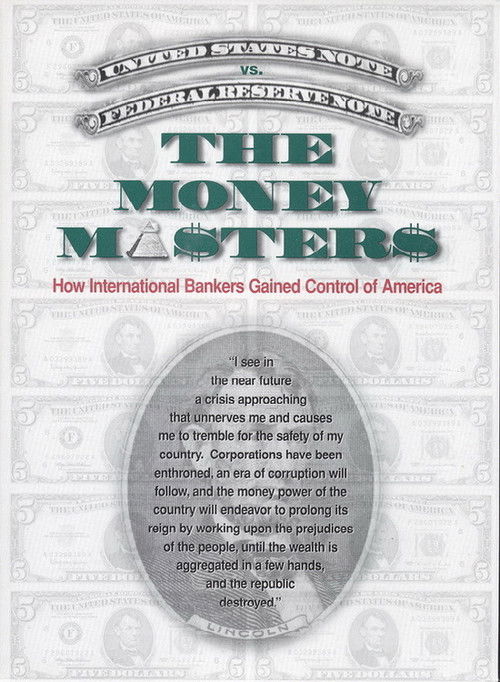
The Money Masters1996
A precursor to Money as Debt, three and a half hours of rigorous historical argument about central banking and money creation. If you want the deep version, this is it.
But Brutally long and visually flat—it's a lecture, not a story. Requires genuine commitment and patience.
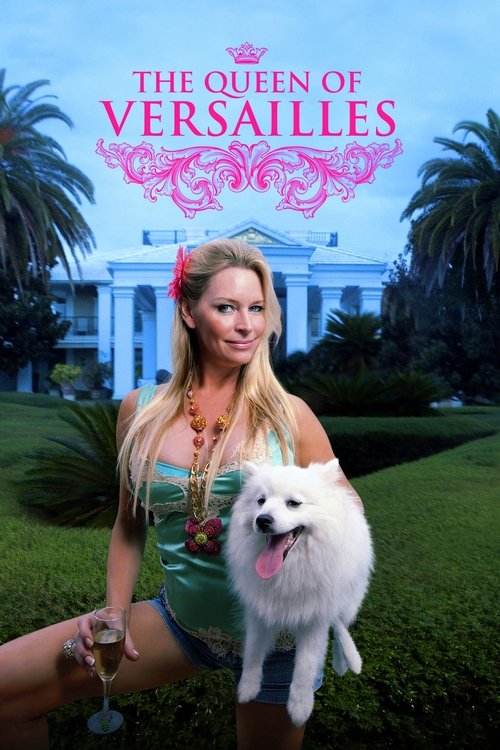
The Queen of Versailles2012
A billionaire couple tries to build America's largest private mansion just as the 2008 crisis hits. Unintentionally brilliant document of excess and entitlement colliding with economic reality.
But Not didactic at all—you have to draw your own conclusions. Some viewers find it more sad than instructive.
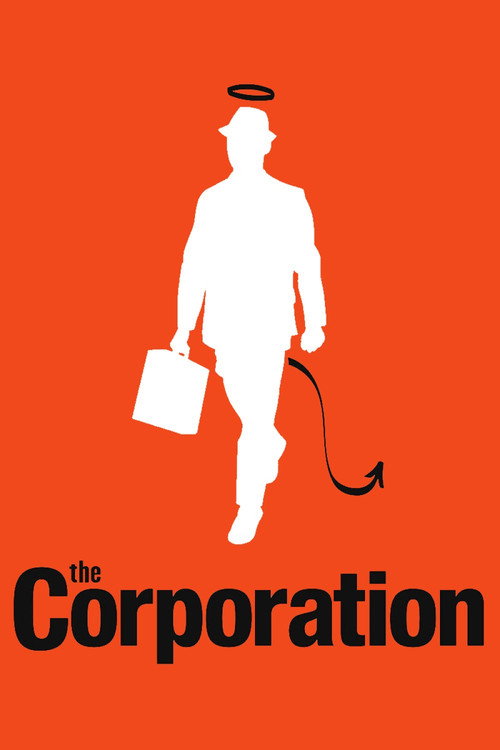
The Corporation2003
Asks what happens when we treat profit-seeking as the only logic that matters. Broader than finance, but the underlying question—who benefits, who pays?—connects directly.
But Didactic and a bit self-satisfied. Thirteen years old and beginning to show its age politically.
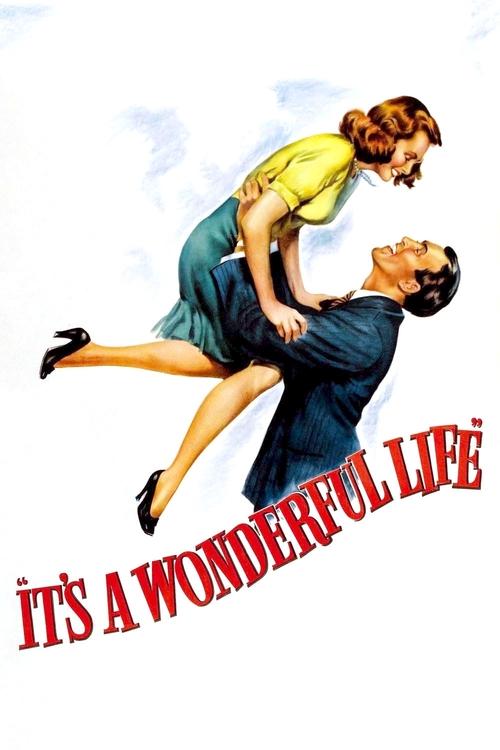
It's a Wonderful Life1946
Both ask: what is money actually for? Grignon shows you the mechanism; Capra shows you the moral stakes. Together they explain why people fight about this.
A banker sees a world where he was never born and watches his town collapse into corruption and monopoly. Made sixteen years before modern central banking took its current form, yet it's a perfect visual argument for why local credit and community investment matter.
But Sentimental. The last thing you might want after an economics lesson is Capra-style Americana and tears.
People
Cast
- Bob BossinNarrator
Writing
- Paul GrignonWriter
Production
- Paul GrignonProducer