
Film
The Money Masters
A three-and-a-half-hour documentary essay tracing how central banks and monetary systems have shaped political power from the American Revolution through the 20th century. Bill Still presents a historical argument about money, debt, and control with archival footage and deliberate pacing. For viewers interested in economic history and institutional critique, even if you ultimately dispute the conclusions.
Should you watch it?
Watch it if you enjoy long, talky deep dives into monetary history and don't mind a sweeping thesis you'll have to test against other sources yourself.
Skip it if you want a balanced account with sourced claims, since this presents a contested hidden-hand story as settled and rests on one presenter's voice across a very long sitting.
What it asks of you: Settle in for a little over three and a half hours of patient, talk-led unspooling, where the pace is measured and the attention is steady rather than urgent.
Not sure? Find tonight's pick in a minute.
If you liked this
The Corporation2003
Examines how corporate structures concentrate power and shape society, using interviews, archival material, and clear analysis. Shares the same investigative spirit and institutional skepticism as Money Masters.
But Nearly four hours long and somewhat didactic. The argument occasionally slides into polemic rather than persuasion.
All the President's Men1976
A taut thriller about journalists uncovering hidden power structures and institutional deception. Shows how money and influence work behind closed doors in real, dramatic terms.
But A conventional narrative film rather than an essay. If you want pure argument, this is less direct.

The Big Short2015
Explains the 2008 financial crisis and how banking institutions created systemic risk. Makes complex monetary systems comprehensible without sacrificing anger at the machinery that causes harm.
But Fast-paced and stylish in ways that undercut gravity. Sometimes the film's cleverness feels at odds with the real suffering it depicts.
Not sure tonight? Get a pick in a minute, starting from The Money Masters
The wildcard
Something you would not have found on your own.
Erin Brockovich2000
Both examine how ordinary people are affected by systems designed to concentrate wealth and power—but this one follows the human story rather than the historical argument.
A legal thriller about one person taking on institutional power and winning. The inverse of Money Masters: instead of abstract systems, you see how individuals navigate and sometimes defeat them.
But A conventional underdog narrative. The real case is more complicated than the film allows.

More like this (5)
Requiem for the American Dream2015
Noam Chomsky outlines how concentrated wealth shapes political outcomes and policy. Directly engages with power structures and their historical construction, without Money Masters' supernatural tone.
But Chomsky's repetitive delivery and the film's visual plainness can feel exhausting. It preaches rather than persuades.
Hidden Figures2016
Shows how institutions exclude certain people from power and knowledge. A humanizing counterweight: how systems affect real lives, not just abstractions about money and control.
But A feel-good narrative that resolves conflict too neatly. Institutional racism is treated as a problem that good individuals can solve.
Zeitgeist: The Movie2007
A similarly ambitious three-hour documentary connecting religion, 9/11, and monetary systems. If you found Money Masters intellectually stimulating, this asks similar big-picture questions.
But The connections are more speculative and less grounded. Some claims collapse under scrutiny, and the film conflates critique with conspiracy.

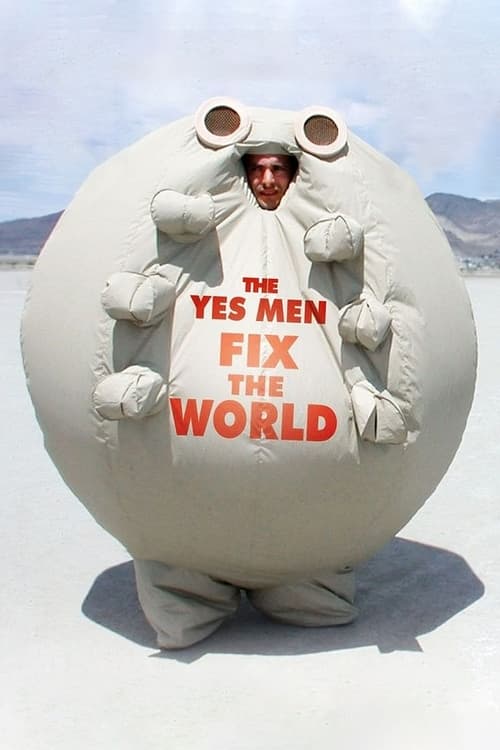
The Yes Men Fix the World2009
Both challenge institutional power, but this one uses satire and intervention instead of historical documentation—proving the same point through demonstration rather than argument.
Activists impersonate corporate and government officials to expose institutional hypocrisy through performance art and direct action. Radical critique delivered through humor rather than lecture.
But The tactics are confrontational and the tone is irreverent. If you want serious analysis, the joking can feel dismissive.
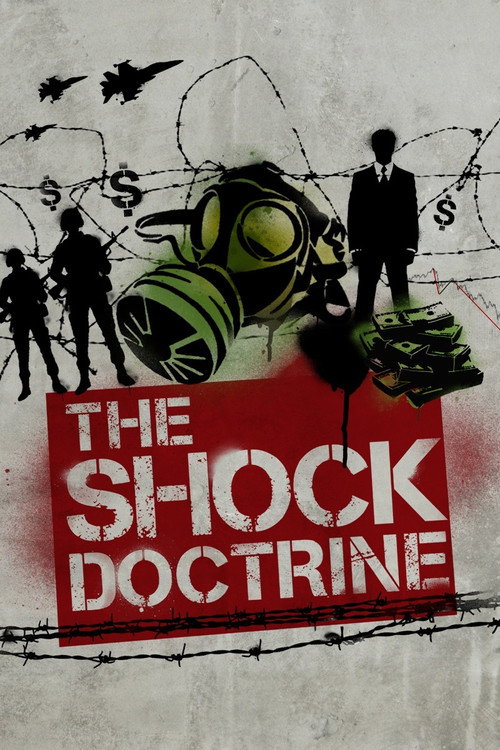
The Shock Doctrine2009
Same question as Money Masters—how do financial systems concentrate power?—but grounded in recent geopolitical events you can research independently rather than historical argument open to dispute.
Naomi Klein's documentary traces how disaster capitalism and neoliberal economic policy have reshaped global institutions. Economic power as a tool of geopolitical control, illustrated through case studies you can verify.
But Dense with detail and somewhat academic. The scale is so vast it can feel fatalistic.
People
Cast
 Bill StillHimself
Directing
- Bill StillDirector
Recommended by
MLK/FBI, The Power of Nightmares: The Rise of the Politics of Fear, Money as Debt